
Nailing to the Cross — History & Facts
When Fra Angelico painted Nailing to the Cross around 1450, he was nearing the end of his life and at the height of his reputation as one of Florence’s most sought-after artists. What makes this work especially fascinating is its place within a series of small panels, believed to have been created for private devotion rather than public display—a rarity for such a dramatic scene. Unlike monumental altarpieces, these intimate works allowed viewers to meditate closely on the Passion of Christ, a practice encouraged by the Dominican order to which Fra Angelico belonged. The moment captured here is one of the most harrowing in the Christian narrative: Christ, already stripped and battered, is pinned to the cross by Roman soldiers.
Fra Angelico chooses the instant when the nails are driven into Christ’s hands and feet, his body twisted in pain yet his face marked by resignation and compassion. The soldiers’ rough gestures contrast with the gentle sorrow of the Virgin Mary and Saint John, who kneel in the foreground. The gold background, typical of early Renaissance devotional panels, lifts the scene out of earthly time, focusing the viewer’s attention on the spiritual drama.
Compared to the raw physicality of Matthias Grünewald’s later Isenheim Altarpiece, Fra Angelico’s approach is more restrained, emphasizing inner suffering over outward agony. The original commission for Nailing to the Cross is not documented, but scholars agree it was likely intended for a Dominican patron, reflecting the order’s focus on Christ’s Passion. Over the centuries, the panel’s whereabouts were uncertain, as smaller devotional works often changed hands or were separated from their original series. Today, it is held in a major museum collection, where it is studied as a key example of Fra Angelico’s late style—marked by clarity, luminous color, and deep feeling.
The painting stands as a testament to the artist’s ability to blend narrative intensity with quiet spiritual reflection, qualities that would influence generations of Renaissance painters.
More Artworks by Fra Angelico

Condemnation of St Lawrence by the Emperor Valerian
Fra Angelico
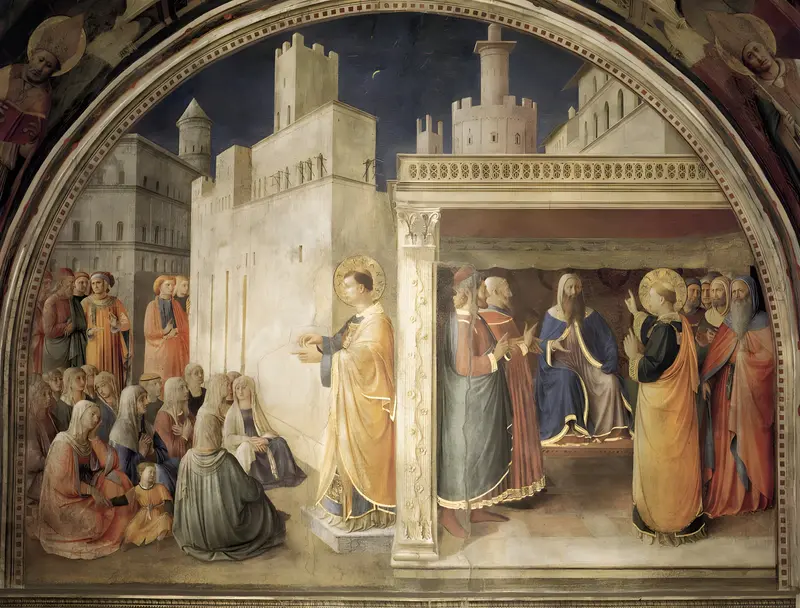
Lunette of the north wall
Fra Angelico
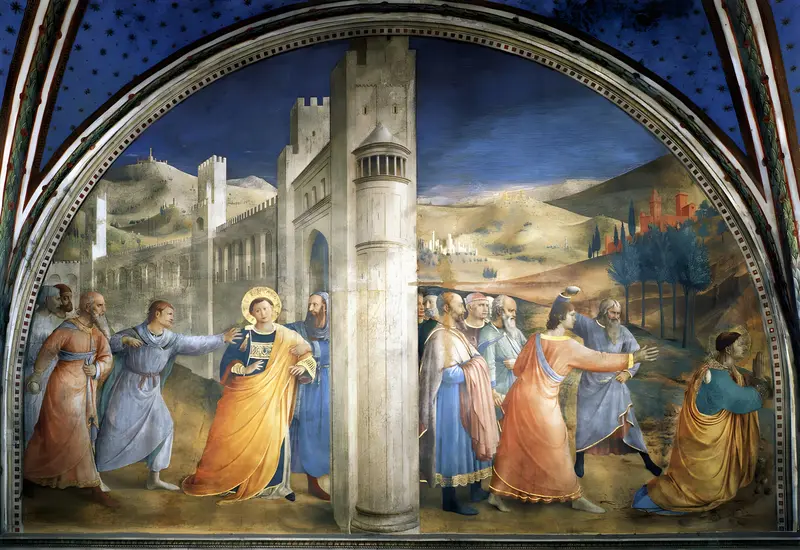
Lunette of the east wall in Niccoline Chapel
Fra Angelico
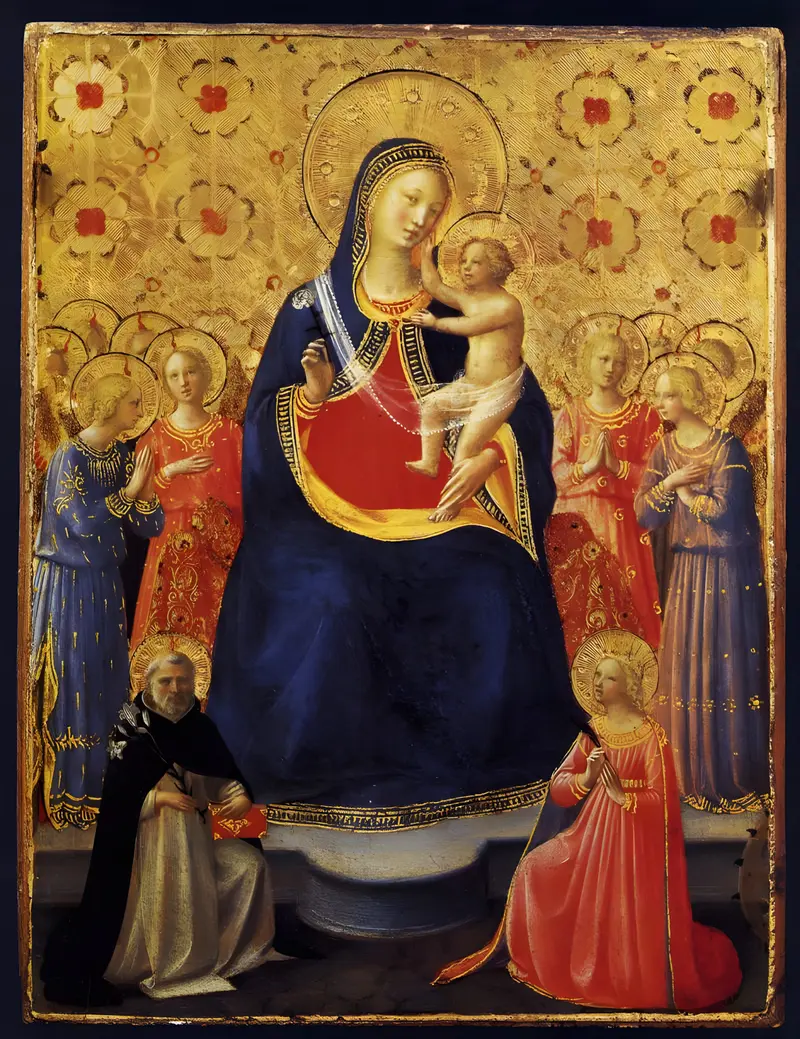
Madonna and Child Enthroned with Nine Angels and Saints Dominic and Catherine of Alexandria
Fra Angelico
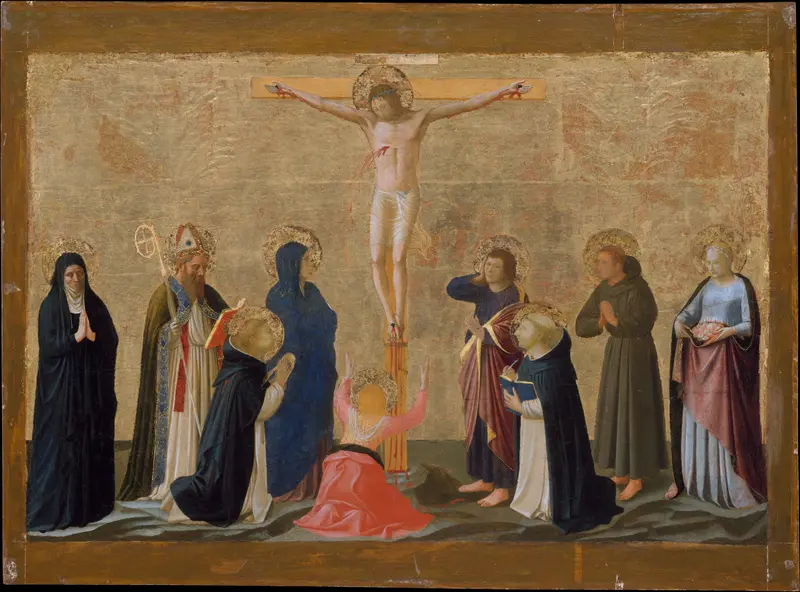
The Crucifixion
Fra Angelico
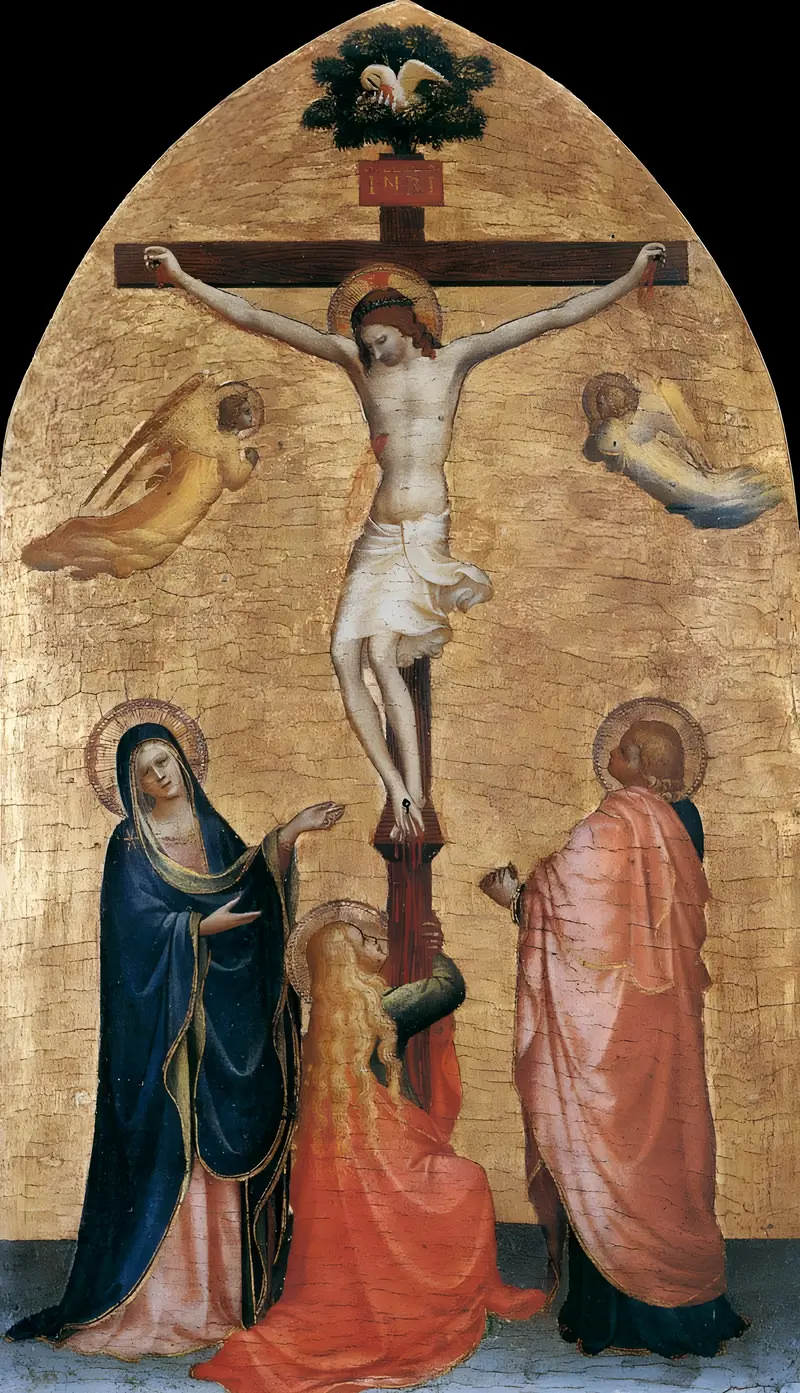
Crucifixion with the Virgin, John the Evangelist, and Mary Magdelene
Fra Angelico
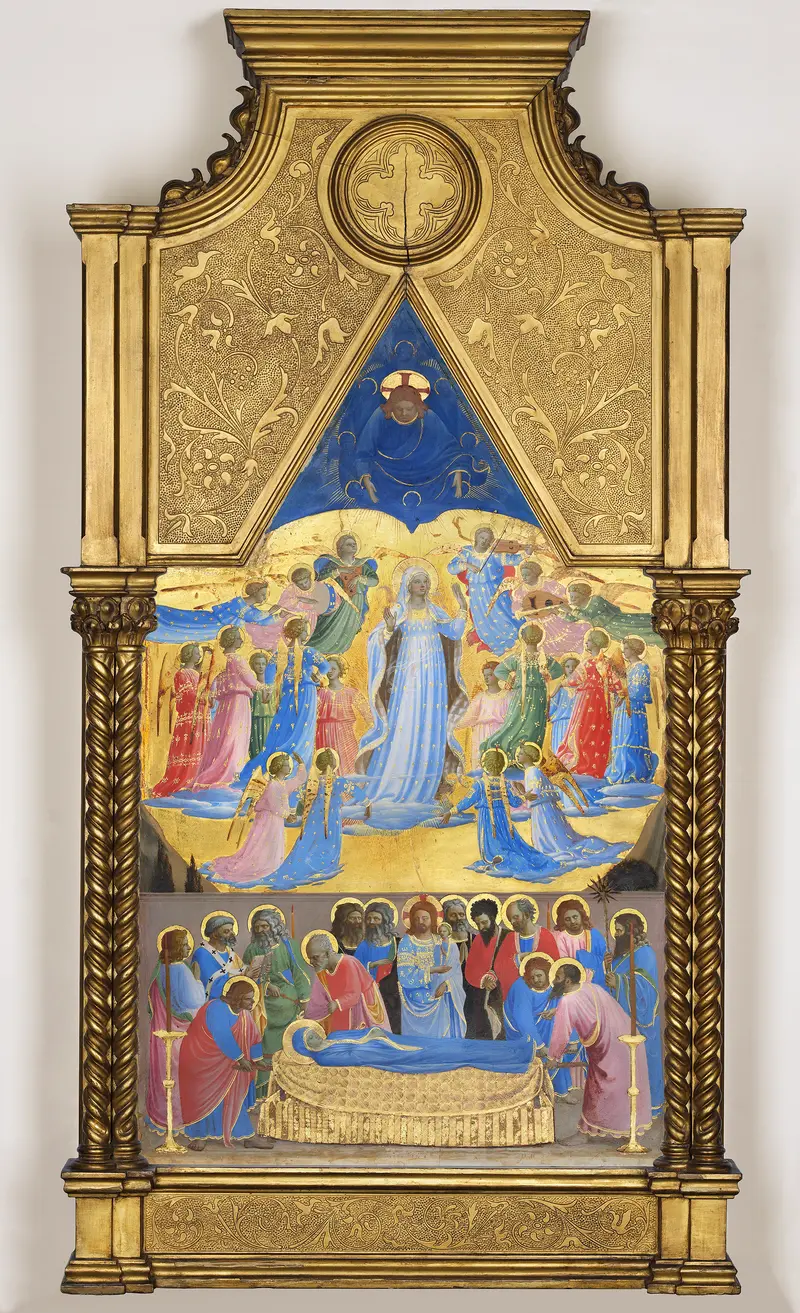
Dormition and Assumption of the Virgin
Fra Angelico
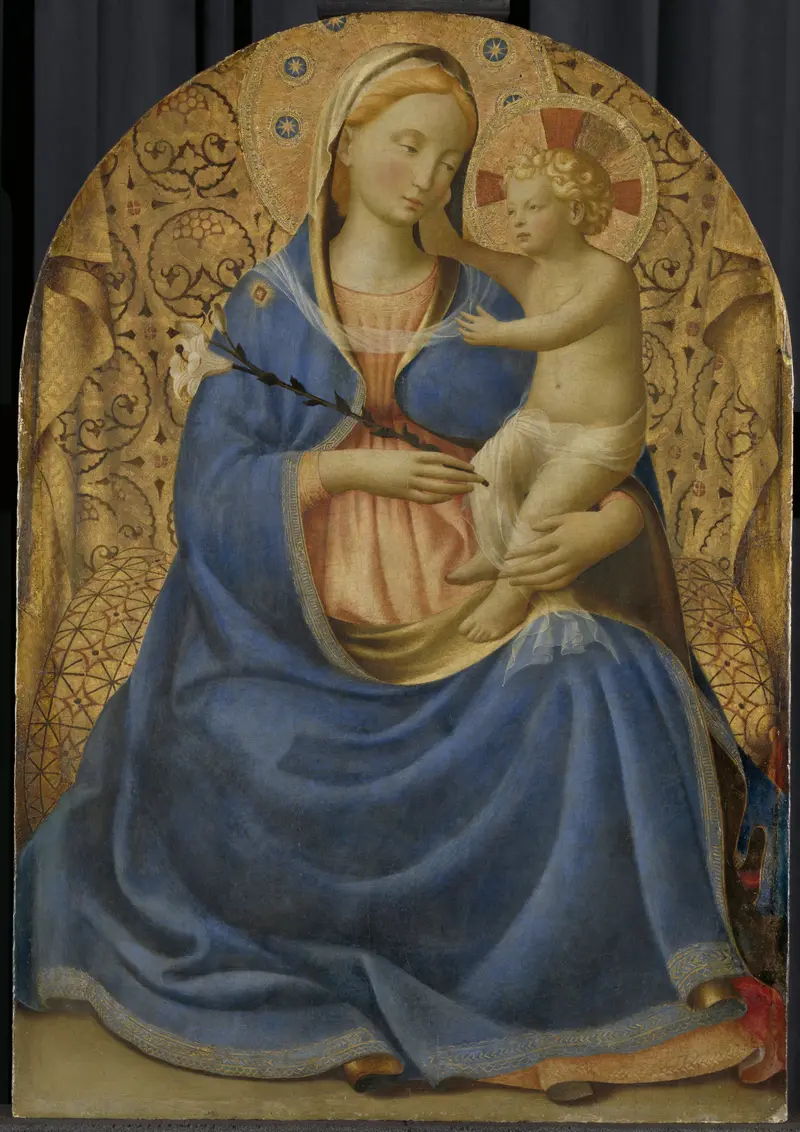
Madonna of Humility
Fra Angelico
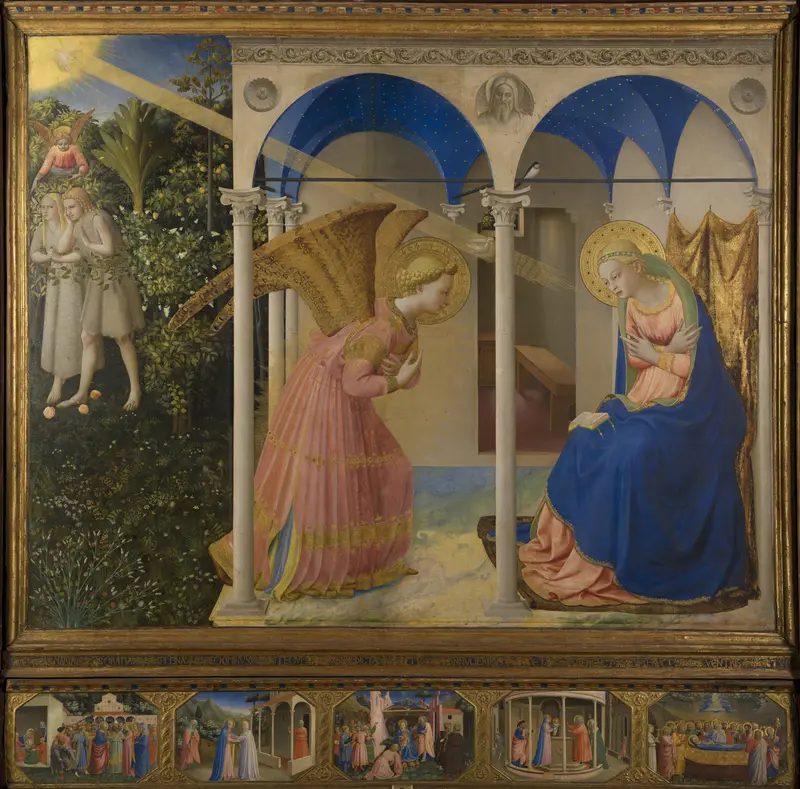
The Annunciation
Fra Angelico

Saint Anthony Abbot
Fra Angelico





