Naples — History & Facts
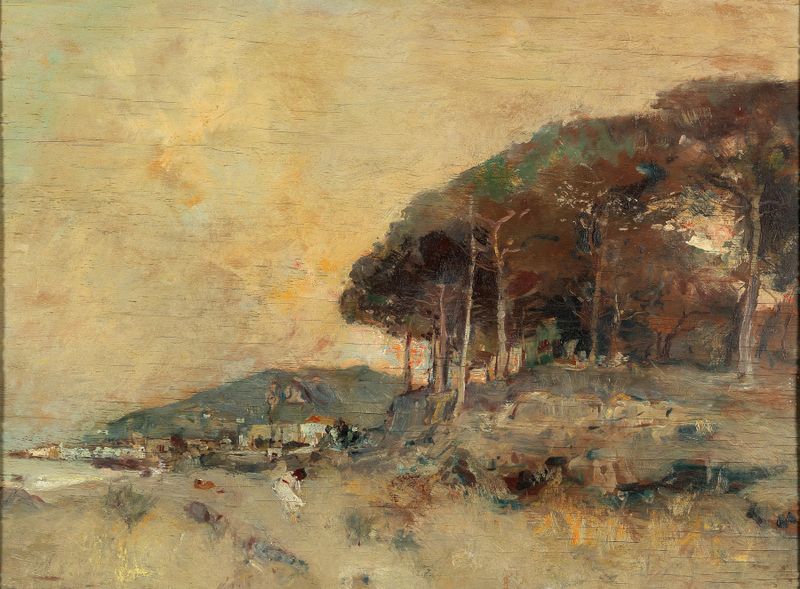
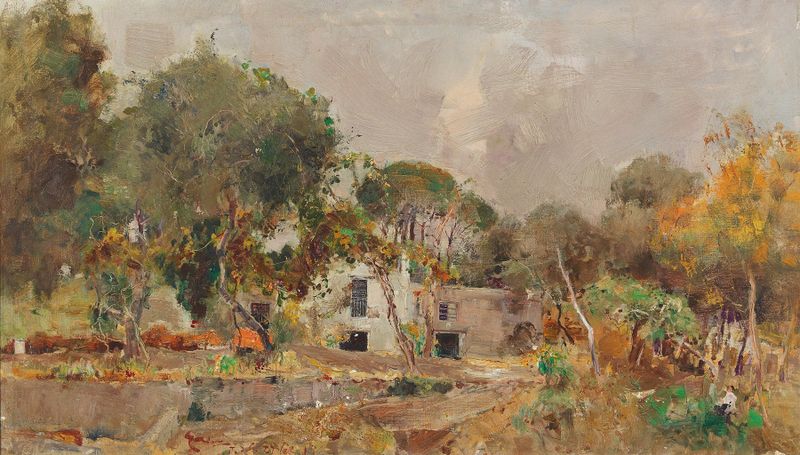
Who listens when art speaks of silence? In the quietude of Naples, an unspoken story unfolds, inviting viewers to reflect on themes of innocence and the world’s subtle complexities. Look closely at the soft, muted tones that envelop the canvas, creating an atmosphere both serene and introspective. Focus on the horizon where the sea merges with the sky, a delicate interplay of blues that whispers of tranquility. Notice how the warm light bathes the buildings, reflecting a hopeful innocence in the architecture and the life nestled within.
Each stroke seems deliberate yet effortless, inviting you to linger in the moment. Beneath the calm surface lies an intricate tension between innocence and the passage of time. The stillness in the painting can evoke a sense of nostalgia for a simpler existence, yet it also suggests the fragility of such moments against the backdrop of a bustling world. The scattered details—perhaps a solitary figure or the gentle waves—speak to a connection with nature, while hinting at the inevitable encroachment of change. Giuseppe Casciaro created Naples during a period of vibrant artistic exploration, likely in the early 20th century when the Italian art scene was embracing both tradition and modernity.
Living and working in Naples, he was influenced by the city's rich cultural heritage and its dynamic coastal atmosphere. This painting reflects not only his dedication to capturing the essence of his surroundings but also the broader societal shifts occurring during that time.