
Natan wijst David op zijn zonden — History & Facts
In this poignant moment, a world of unspoken truths unfolds, revealing the weight of acknowledgment that lingers in the air. The gaze of the figures penetrates through the canvas, inviting the viewer into a narrative steeped in moral reckoning. Here, silence is both an indictment and a plea, a powerful echo of unvoiced regrets that reverberates across the centuries. Look to the left at Nathan, his hand raised in a gesture of admonition.
The vivid colors of his robes contrast starkly with the muted tones surrounding him, drawing your eye to the intensity of his expression. Notice how the light softly illuminates David’s troubled face, capturing his internal turmoil and the gravity of his situation. The composition, anchored by carefully placed figures and the looming shadows, creates a dynamic tension, a palpable pause in the unfolding drama. The juxtaposition of Nathan's commanding presence with David’s vulnerability speaks volumes of the moral complexities inherent in the human experience.
Each figure embodies a distinct emotional landscape; Nathan conveys both authority and sorrow, while David wrestles with guilt and shame. The rich textures of the garments further enhance the narrative, their intricate details suggesting a life weighed down by the consequences of one's actions, capturing a moment that transcends time. Holbein painted this work in 1538 during his time in England, a period marked by the Reformation's tumultuous religious shifts. As he navigated the court of Henry VIII, the artist integrated deep moral lessons into his compositions, reflecting the societal struggles of the time.
This painting stands as a testament to Holbein’s unparalleled skill in portraying human emotion, revealing the intimate confessions that lie beneath the surface of every glance and gesture.
More Artworks by Hans Holbein (II)
Browse all →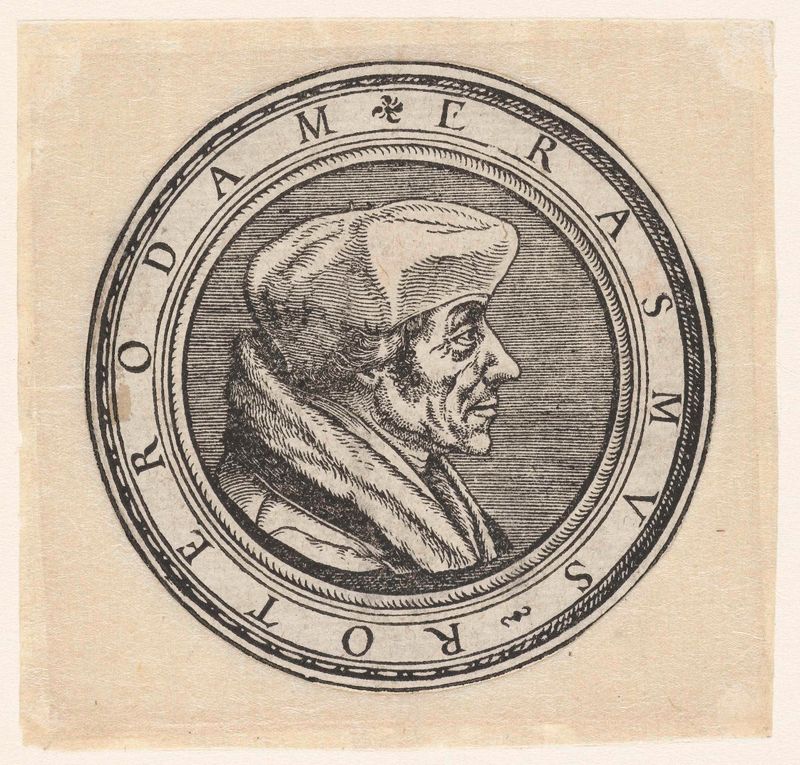
Portret van Erasmus
Hans Holbein (II)
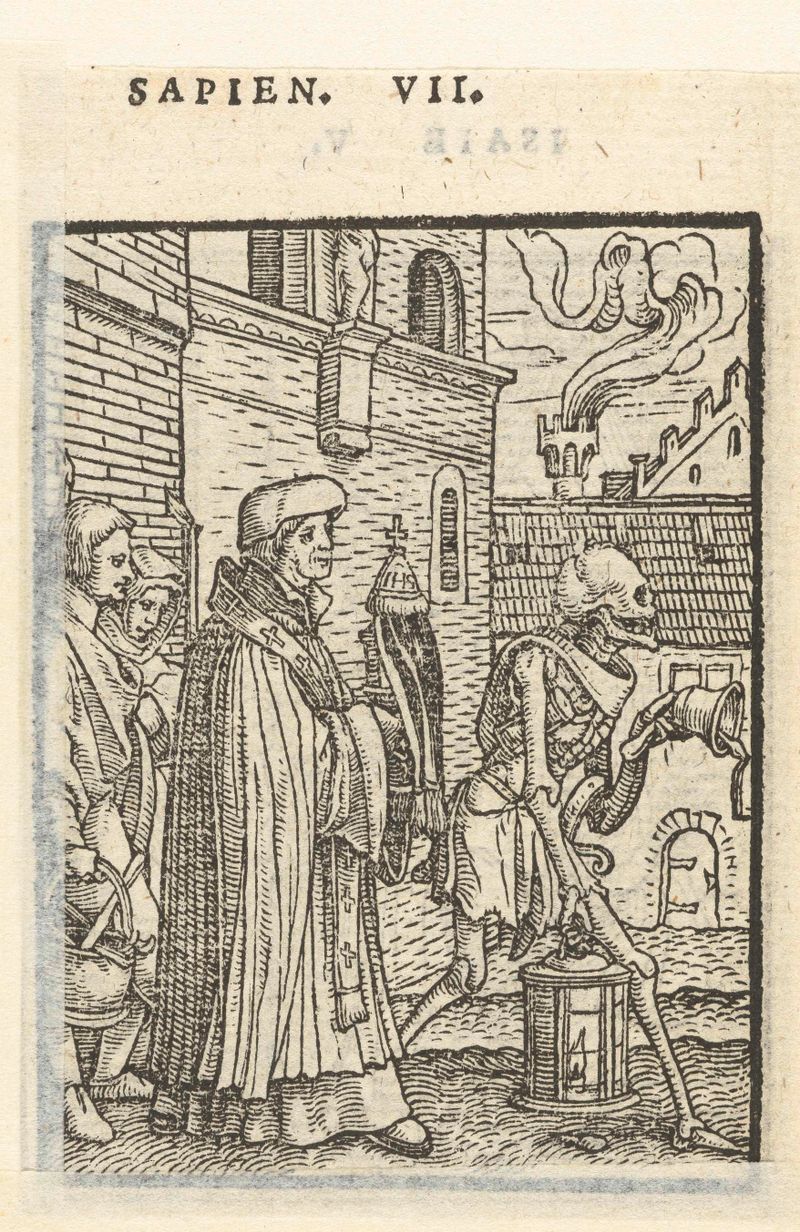
Priester en de Dood
Hans Holbein (II)
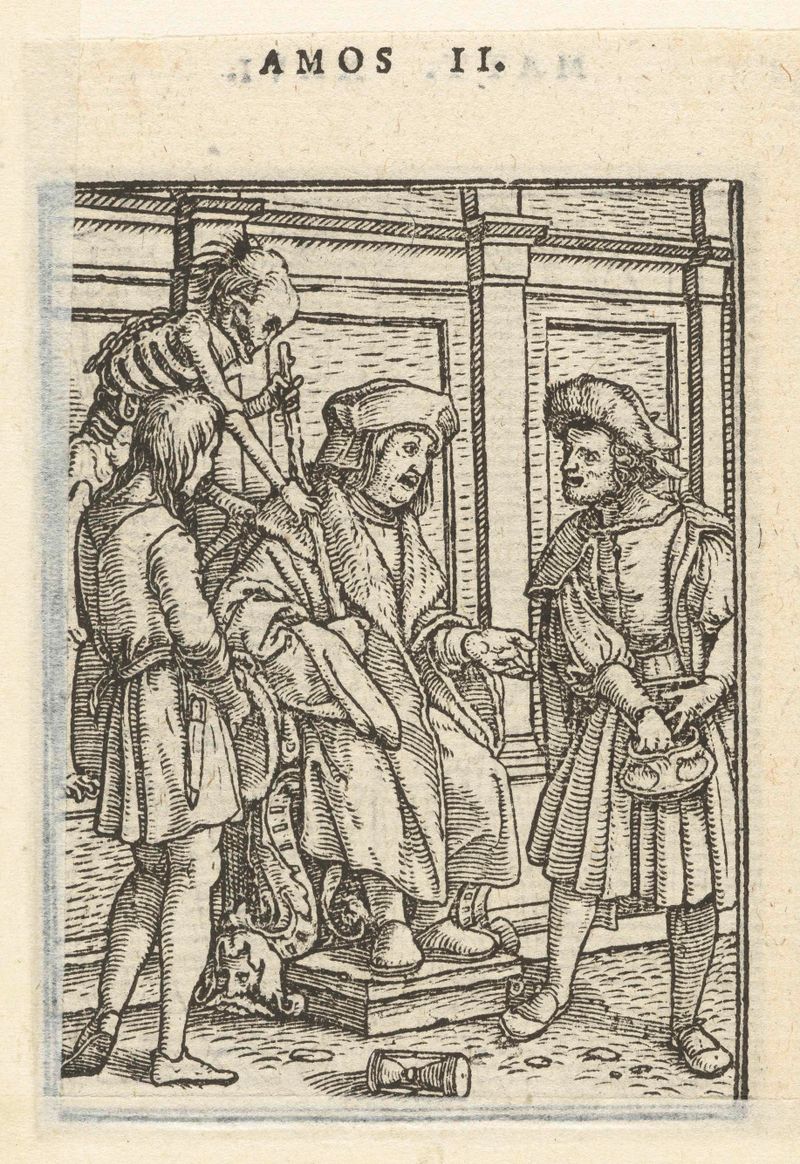
Rechter en de Dood
Hans Holbein (II)
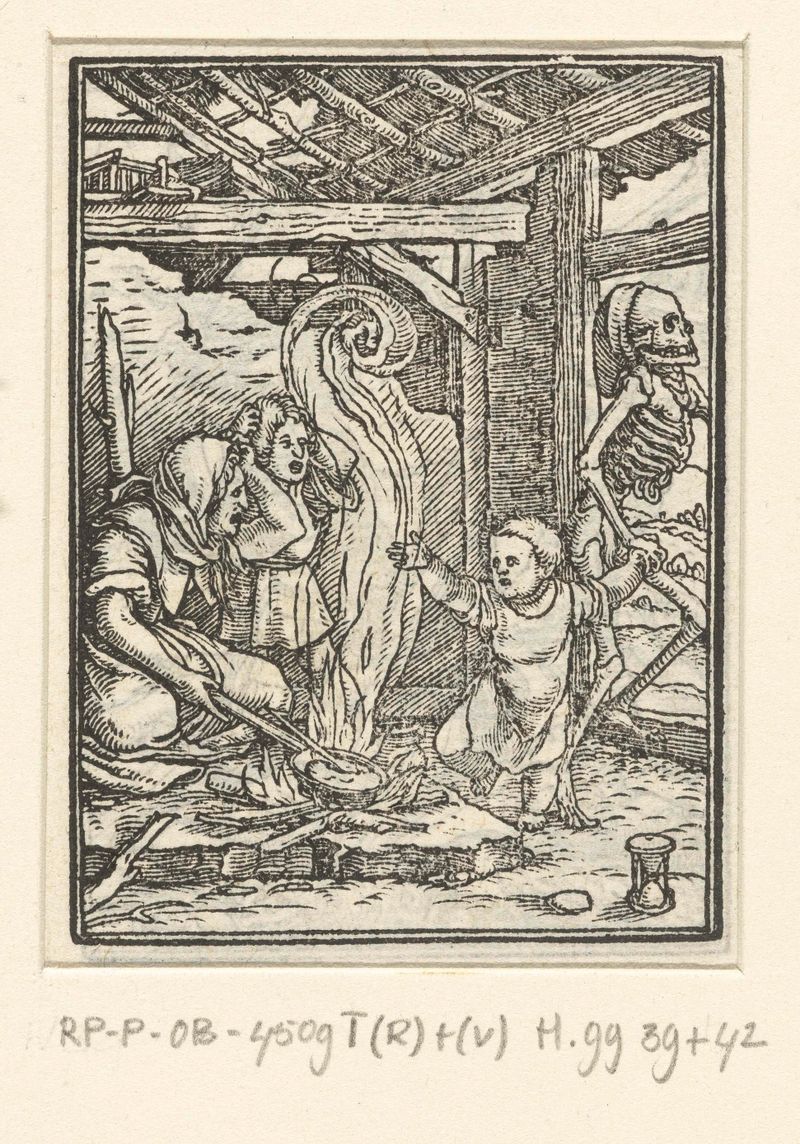
Kind en de Dood
Hans Holbein (II)
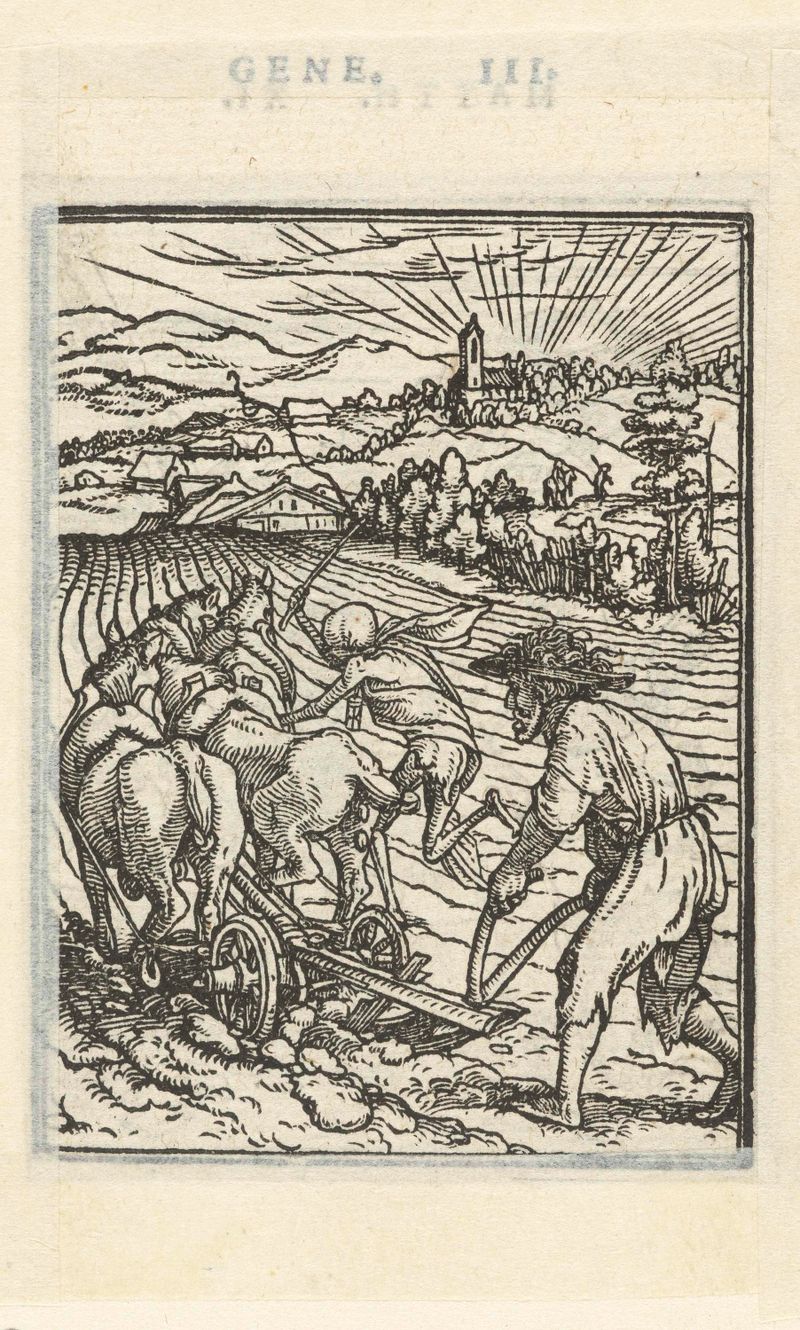
Boer en de Dood
Hans Holbein (II)
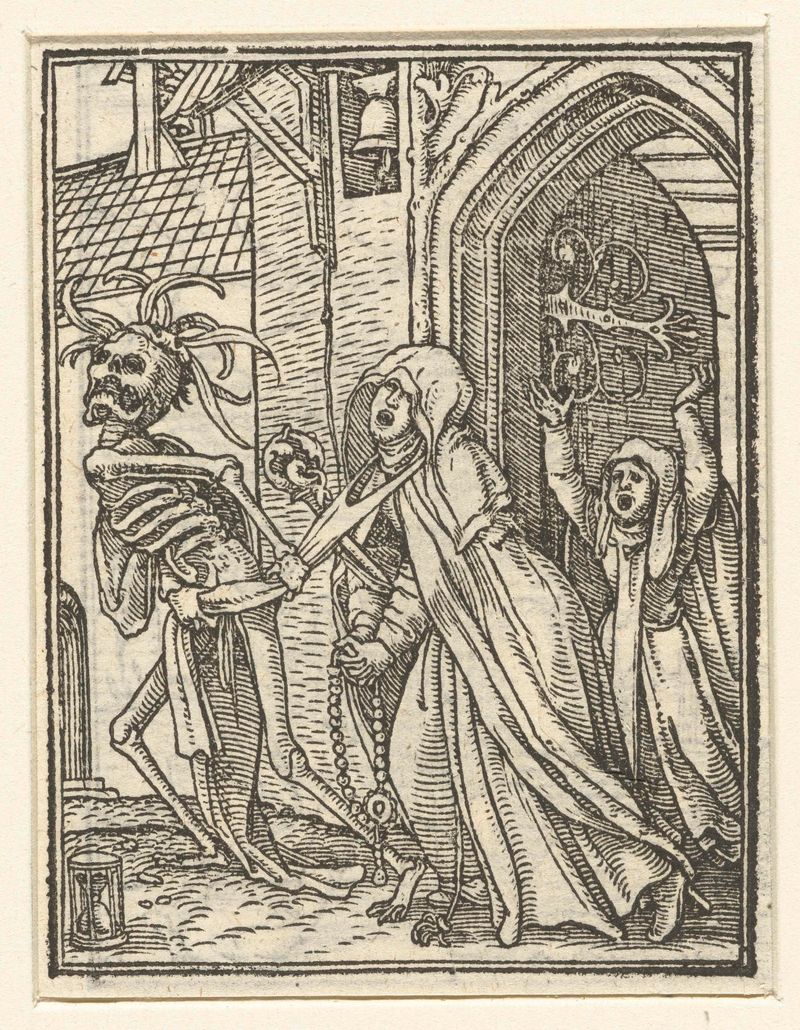
Abdis en de Dood
Hans Holbein (II)
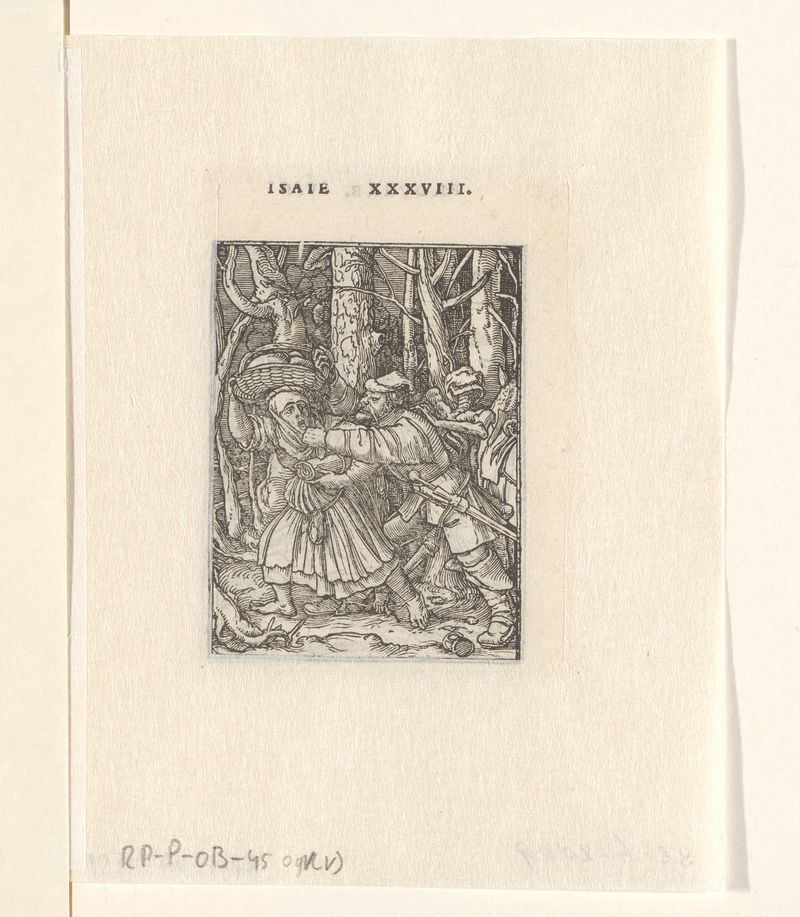
Dief en de Dood
Hans Holbein (II)
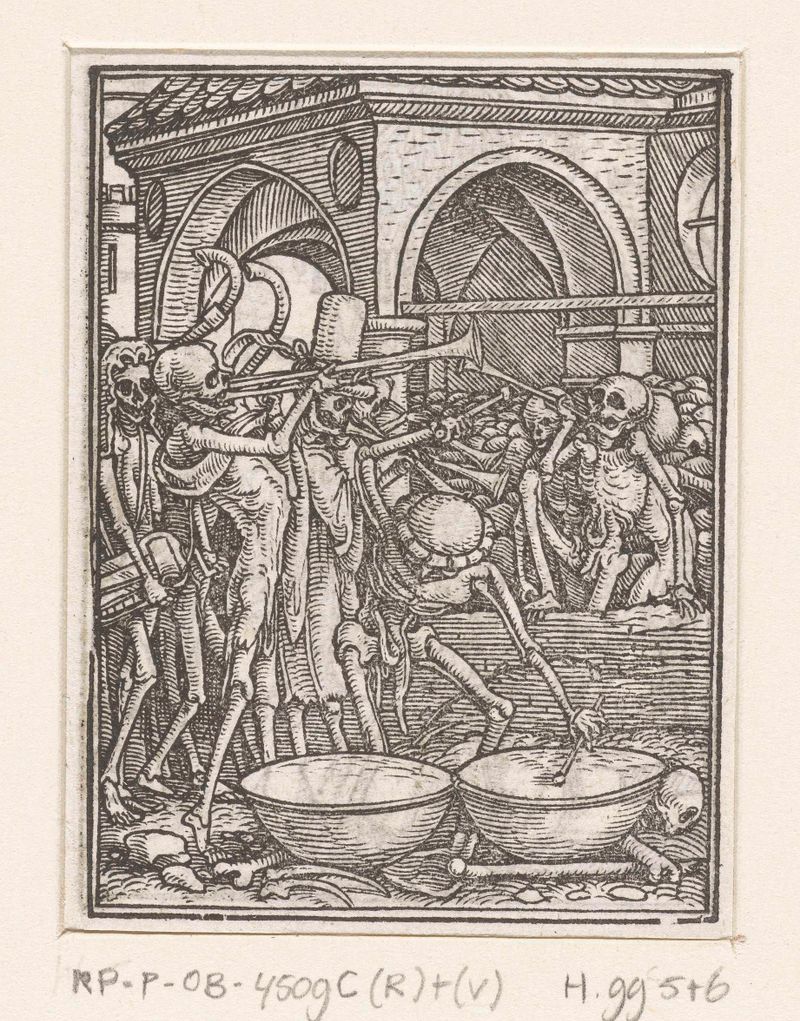
Skeletons Making Music from Dance of the Dead
Hans Holbein (II)
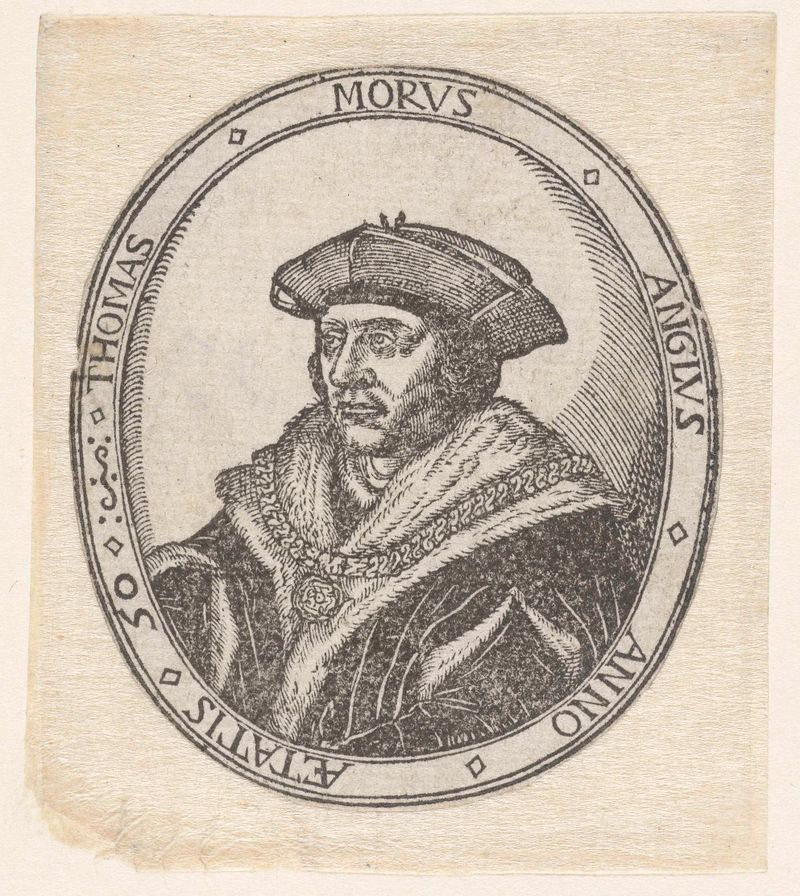
Portret van Thomas More
Hans Holbein (II)
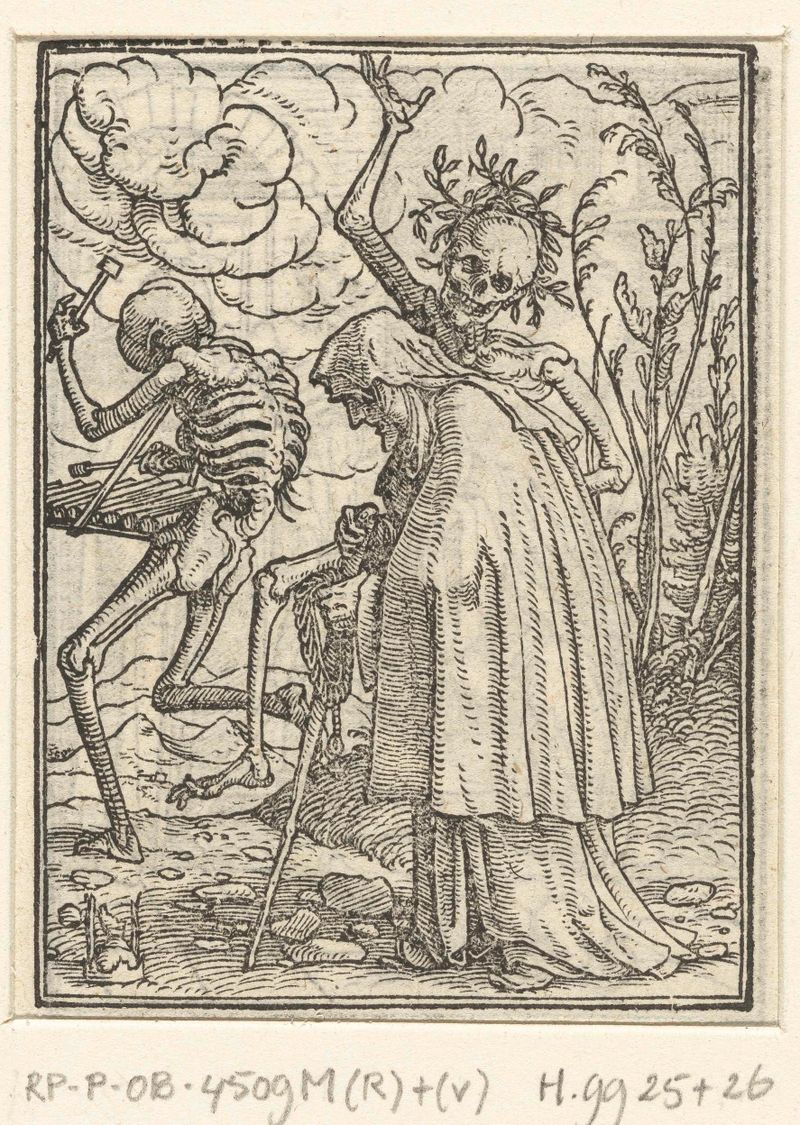
Oude vrouw en de Dood
Hans Holbein (II)
More Religious Art
Browse all →
The Return of the Prodigal Son
Rembrandt van Rijn

The Garden of Earthly Delights
El Bosco

Count Orgaz’ funeral
El Greco

The Hundred Guilder Print: the central piece with Christ preaching, the plate arched
Rembrandt van Rijn

The Descent from the Cross
Rogier van der Weyden

The return of the prodigal son
Rembrandt van Rijn