
Nativity — History & Facts
In the early years of his career, Sandro Botticelli was commissioned to paint Nativity for the church of Santa Maria Novella in Florence, a city where the Medici family’s patronage shaped the Renaissance. What makes this work especially intriguing is its place at the threshold of Botticelli’s artistic maturity—painted just before he gained fame for later masterpieces like The Birth of Venus. Scholars note that this is one of his earliest treatments of the Nativity, a subject he would revisit with increasing complexity.
The medium remains uncertain, though it is likely tempera on panel, a common choice in Florence at the time. Despite its early date, the painting already hints at the lyrical grace that would become Botticelli’s hallmark. Botticelli chooses the moment after Christ’s birth, as Mary and Joseph gaze in quiet wonder at the newborn child lying on a simple cloth. Angels kneel in adoration, their delicate wings and flowing robes echoing the gentle curves of the landscape behind them.
The ox and ass, traditional witnesses, stand nearby, their presence symbolizing humility and the fulfillment of prophecy. Botticelli’s figures are tender, their gestures intimate—Mary’s hands folded in prayer, Joseph’s thoughtful posture—while the soft light draws the viewer’s eye to the infant at the center, emphasizing the miracle of incarnation. Compared to the crowded, bustling Nativity scenes of Domenico Ghirlandaio, Botticelli’s version is quieter, focusing on the spiritual intimacy of the Holy Family. The subsequent history of Nativity is less documented than some of Botticelli’s grander commissions.
It likely remained in its original Florentine setting for centuries, admired by parishioners and visitors alike. Over time, as Botticelli’s reputation fluctuated, the painting’s attribution was never seriously questioned, though its early style sometimes led to confusion with his teacher, Filippo Lippi. Today, Nativity is recognized as a key work in Botticelli’s development, offering a window into the artist’s evolving approach to religious narrative and human emotion.
It now resides in the Museo del Prado, where it continues to invite contemplation and comparison with Botticelli’s later, more elaborate compositions.
More Artworks by Sandro Botticelli
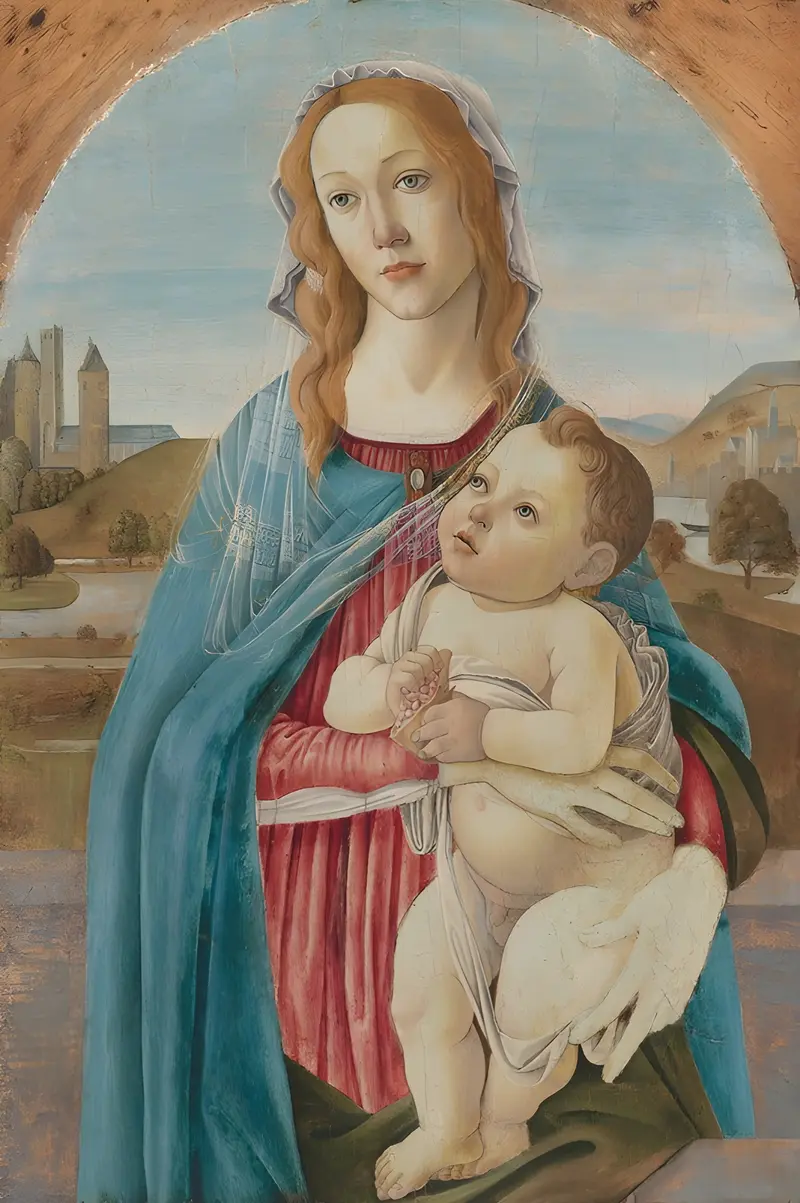
Virgin and Child
Sandro Botticelli
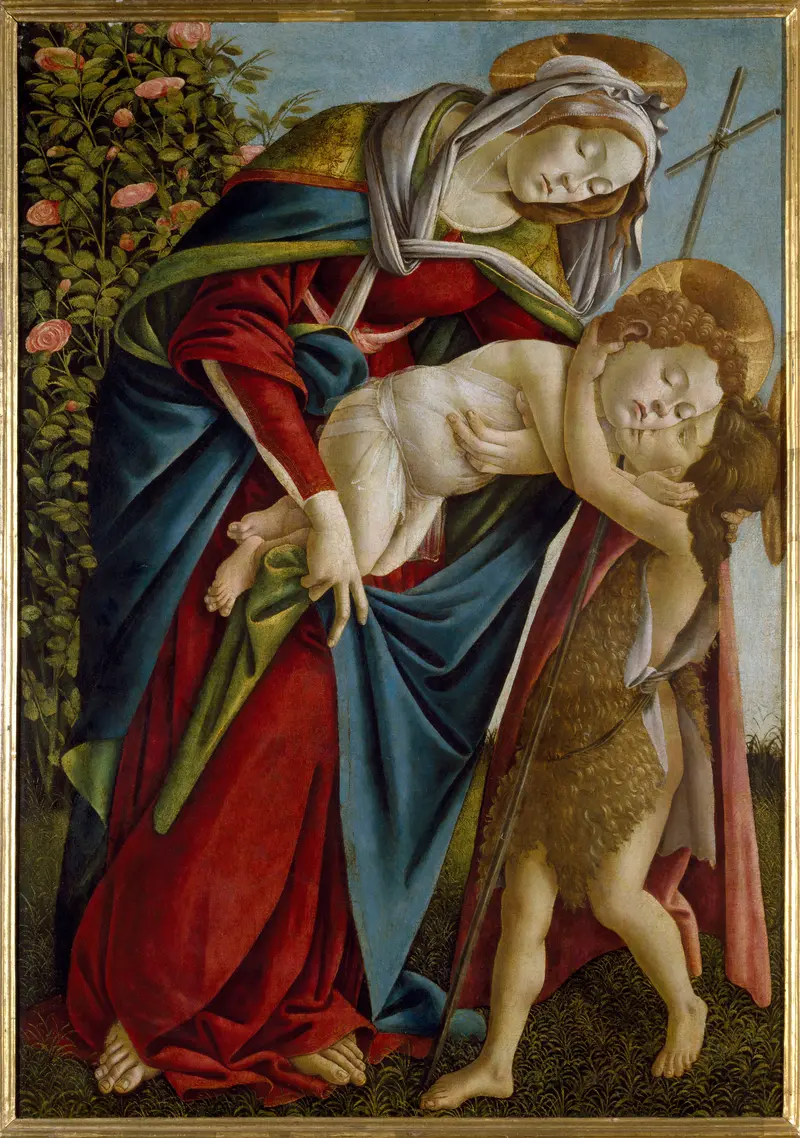
Madonna and Child and the Young St John the Baptist
Sandro Botticelli
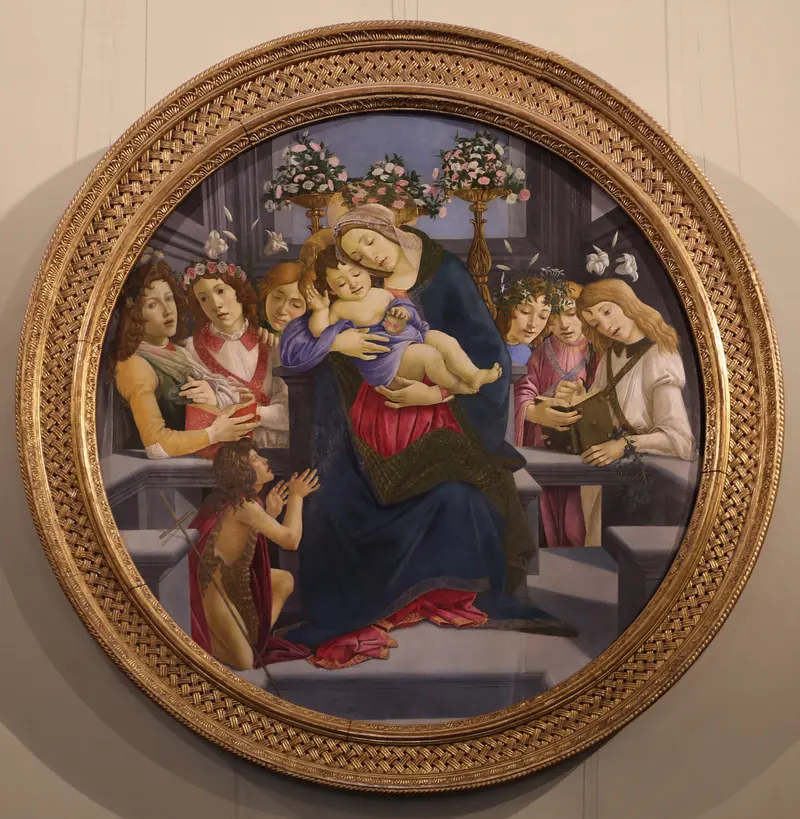
Madonna and Child with six angels and Saint John the Baptist as Child
Sandro Botticelli
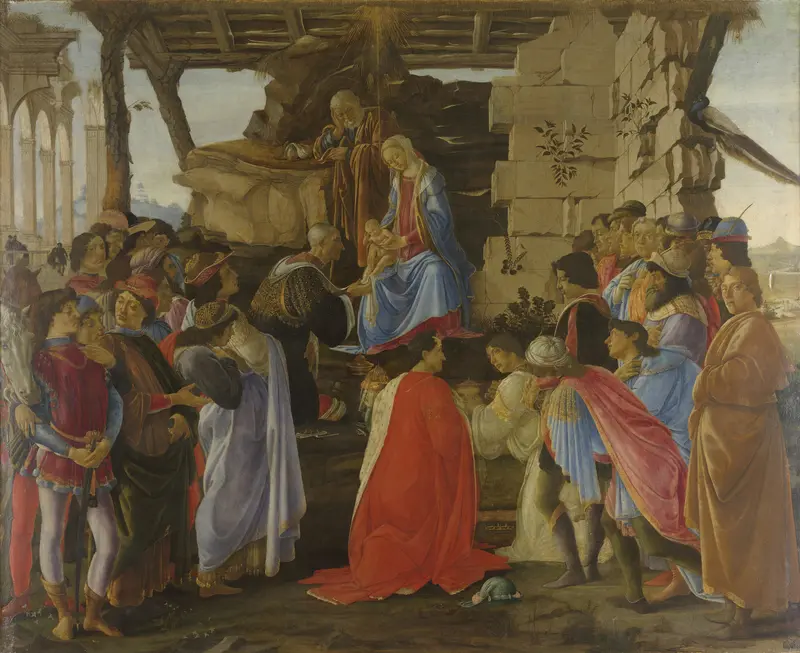
Adoration of the Magi
Sandro Botticelli

Virgin and Child with the Young Saint John the Baptist
Sandro Botticelli
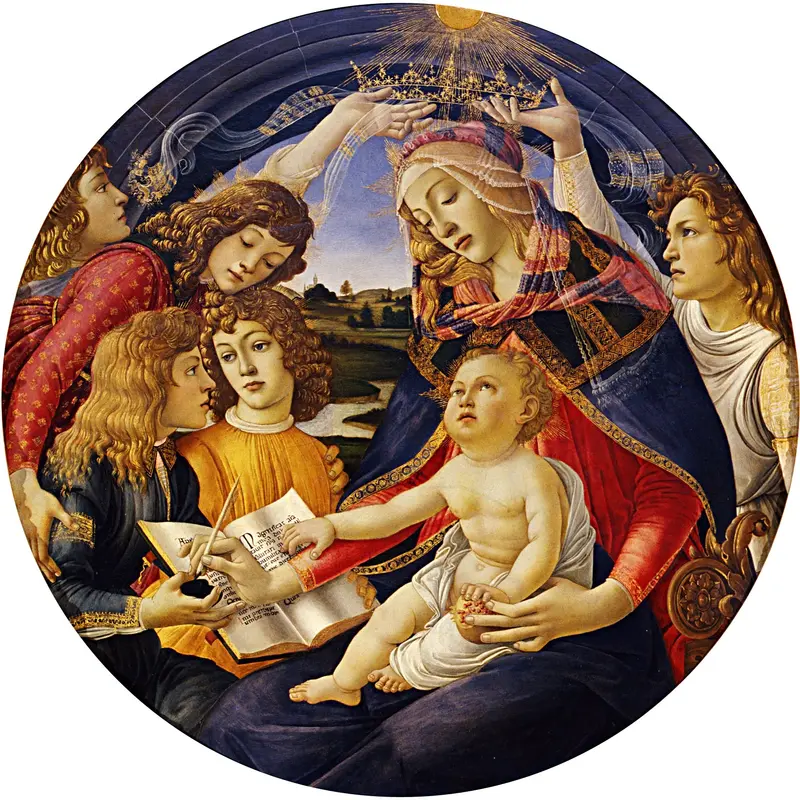
Madonna of the Magnificat
Sandro Botticelli
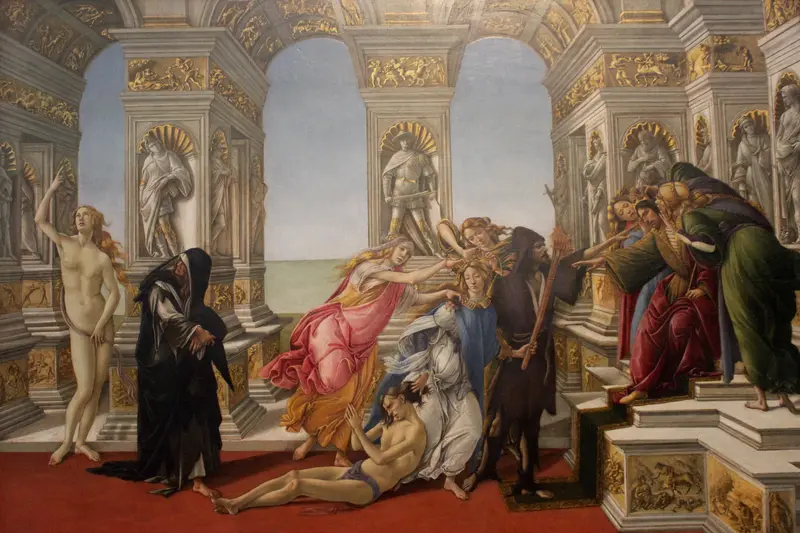
Calumny of Apelles
Sandro Botticelli
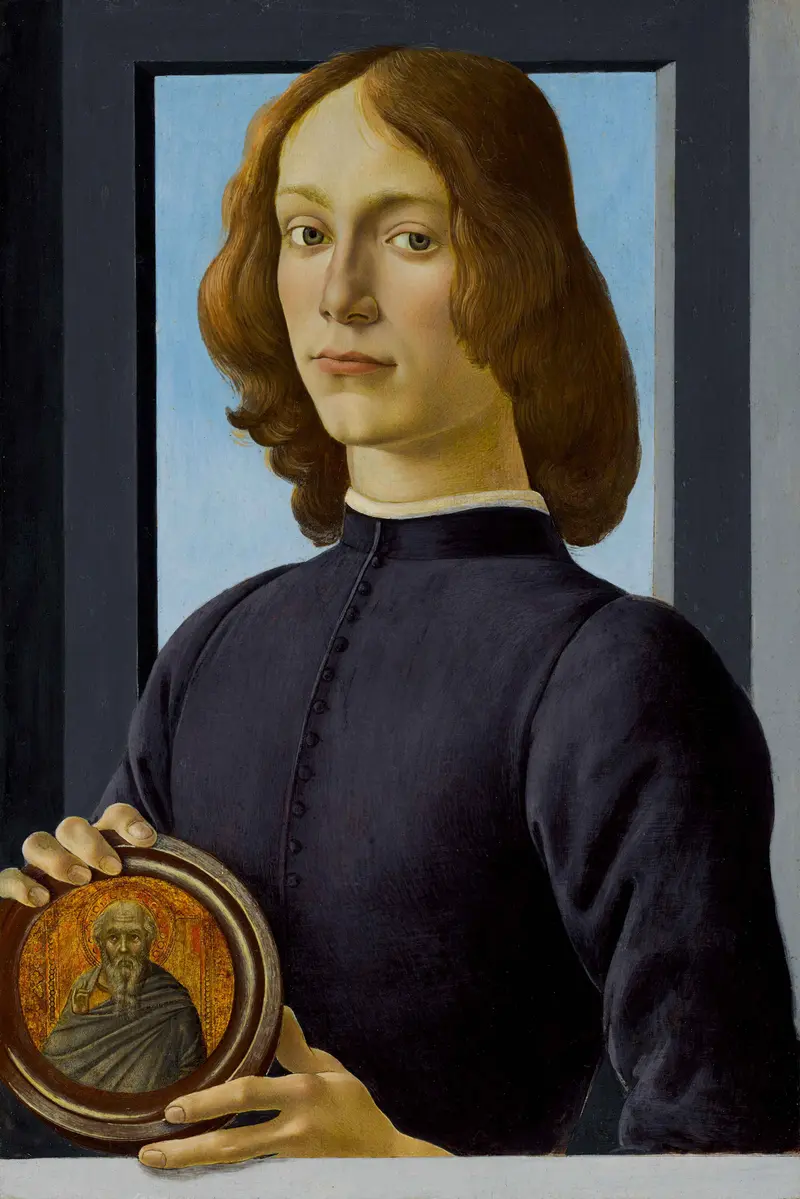
Portrait of a young man holding a roundel
Sandro Botticelli

The Trinity with Saint Mary Magdalene and Saint John the Baptist, the Archangel Raphael and Tobias
Sandro Botticelli
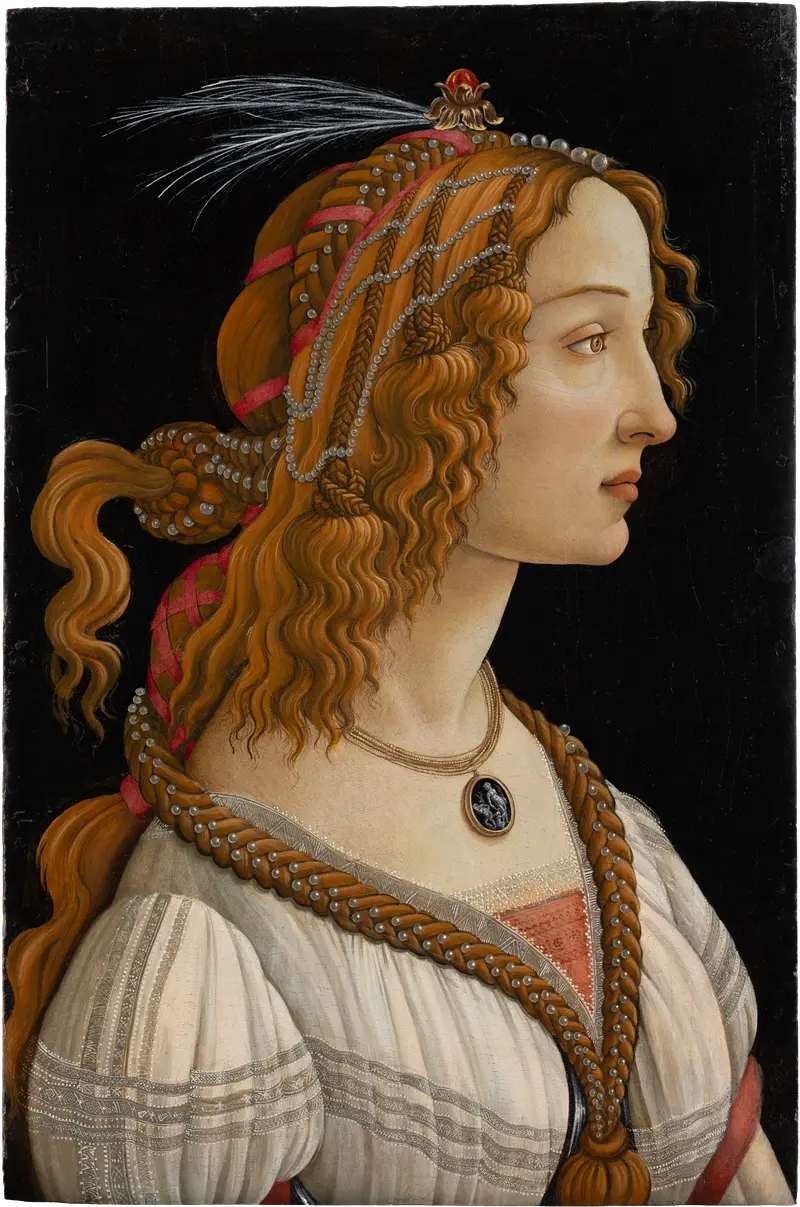
Idealized Portrait of a Lady (Portrait of Simonetta Vespucci as Nymph)
Sandro Botticelli





