Discover insights about this artwork
Nature morte — History & Facts
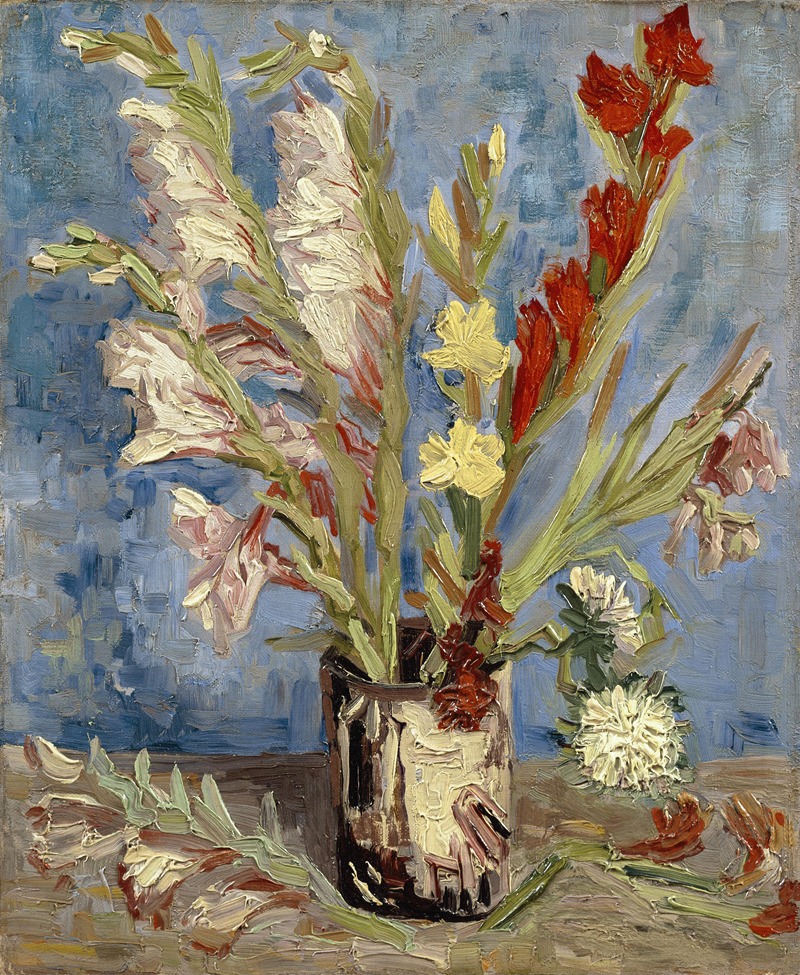
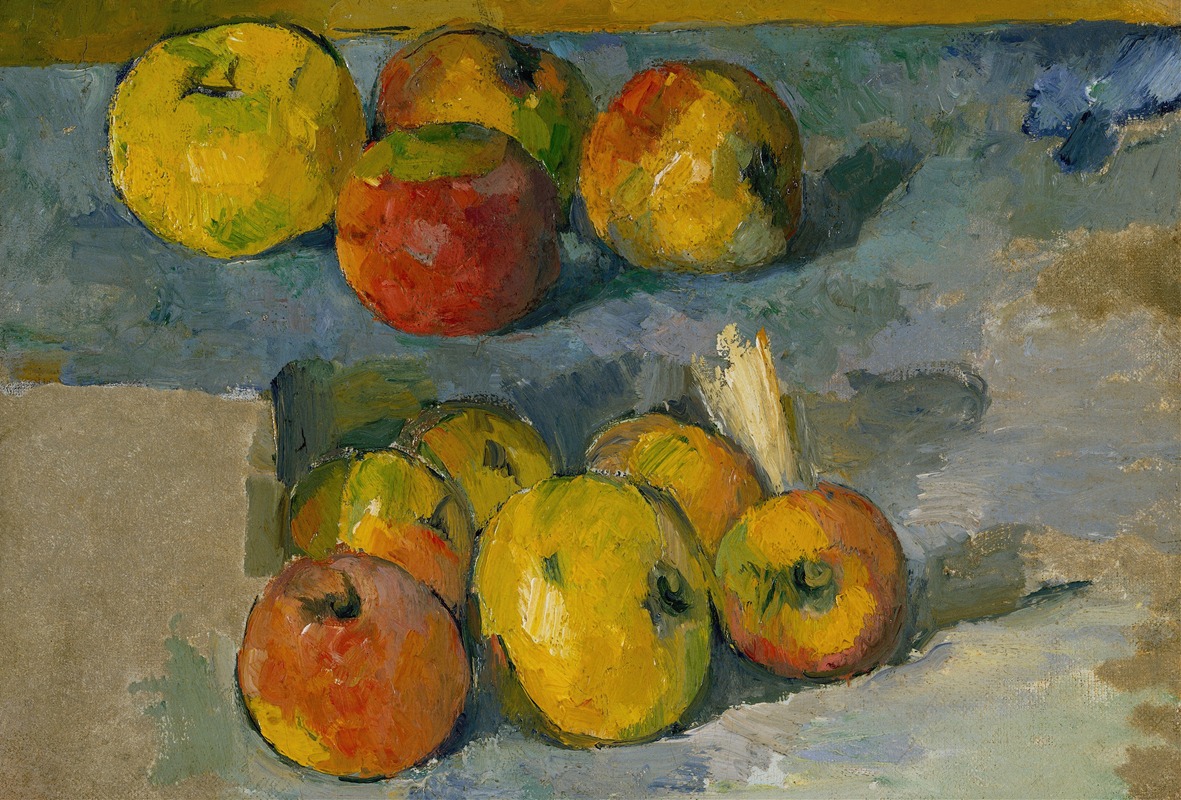
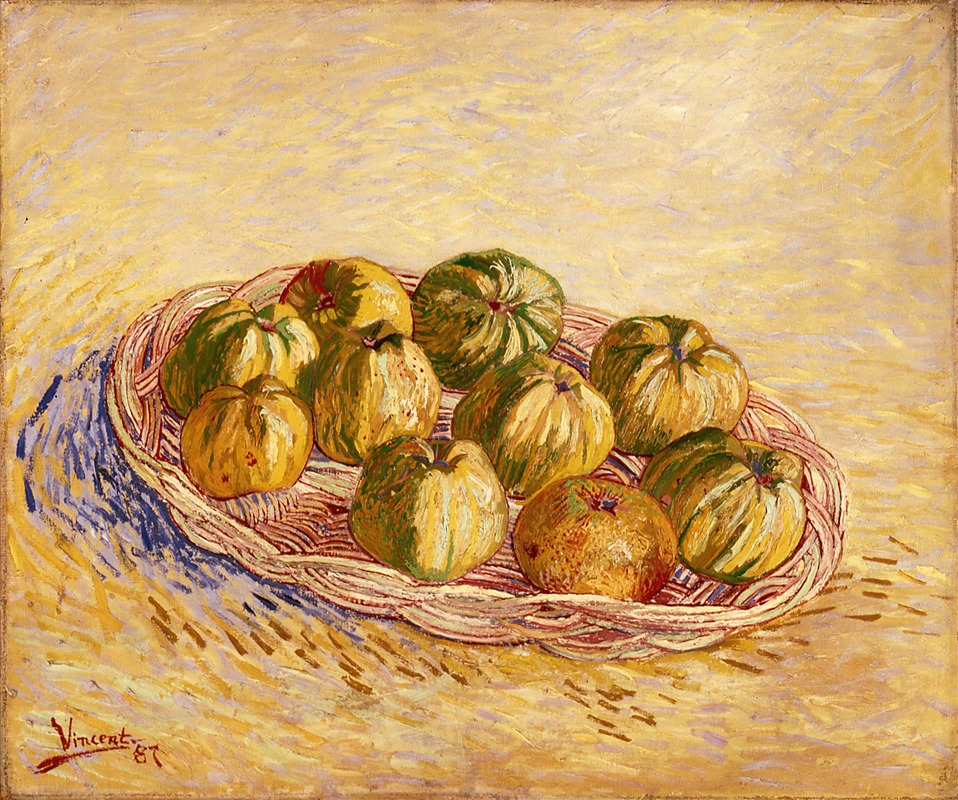
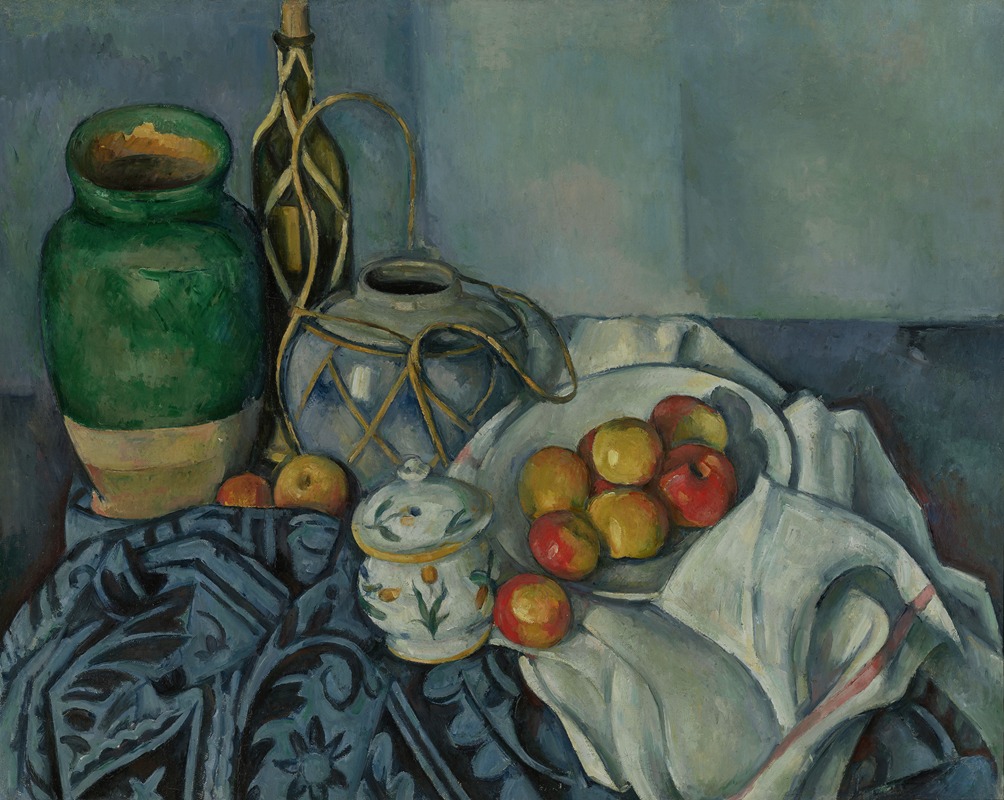
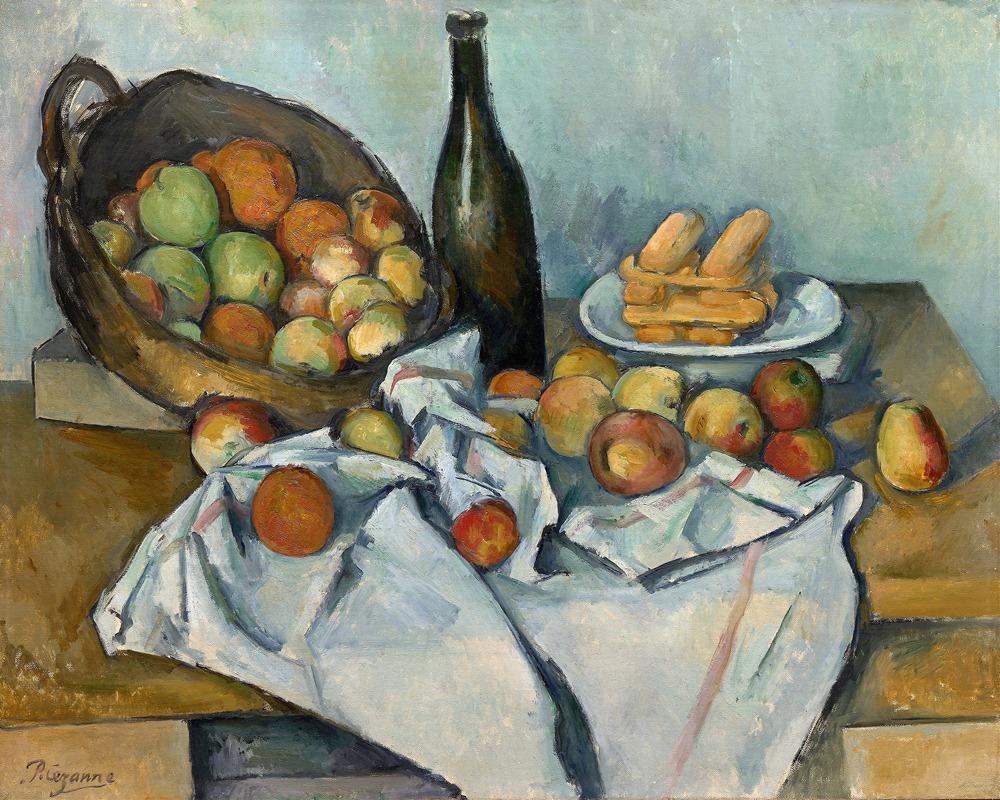
In Nature morte, Gustave Courbet presents a collection of objects arranged on a table. The painting features a rich palette of colors, including deep reds, greens, and browns. The objects include fruits, a bottle, and a cloth, all rendered with a sense of realism.
The setting is simple yet effective, drawing attention to the textures and forms of the items depicted. Courbet employs oil on canvas to create this still life, showcasing his skill in capturing light and shadow. The brushwork is deliberate, with visible strokes that add depth to the composition. The arrangement of objects is carefully considered, leading the viewer's eye across the canvas.
This technique enhances the realism that Courbet is known for. Gustave Courbet was a leading figure in the Realism movement, which sought to depict everyday life without idealization. This work, created in the 1860s, reflects his commitment to portraying the ordinary in an extraordinary way. An interesting fact about Nature morte is that it exemplifies Courbet's belief in the importance of painting from life rather than relying on classical themes or historical subjects.
This approach was revolutionary for its time and influenced many artists who followed.
More Artworks by Gustave Courbet
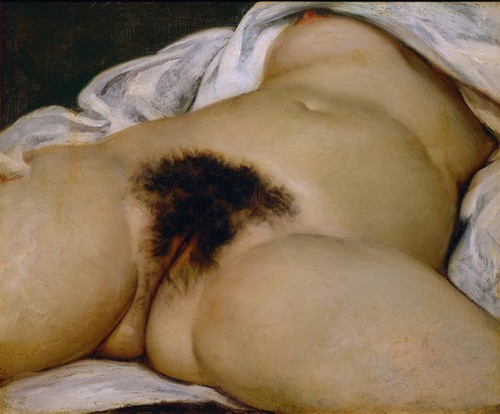
Origin of the World
Gustave Courbet
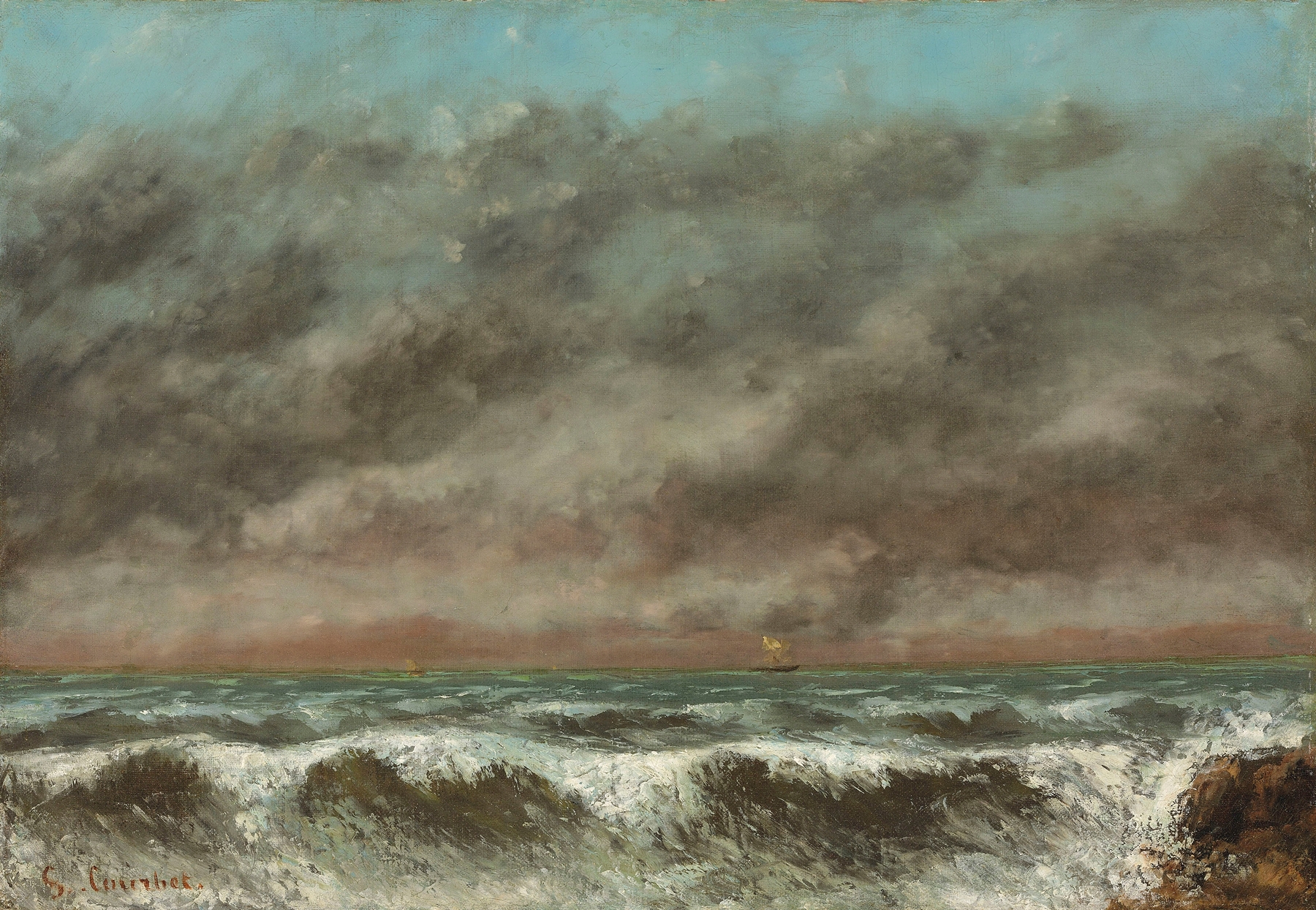
Marine
Gustave Courbet
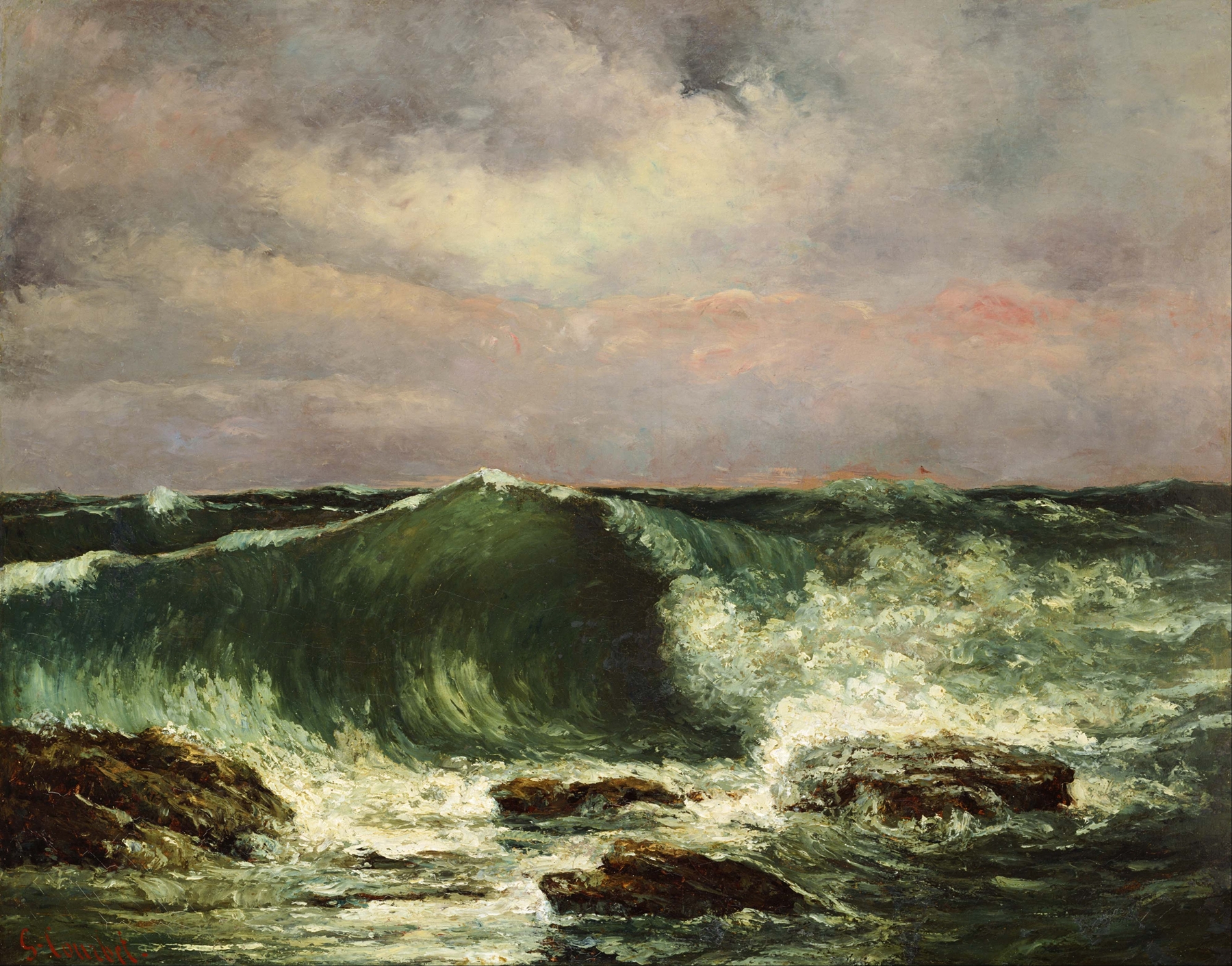
Waves
Gustave Courbet
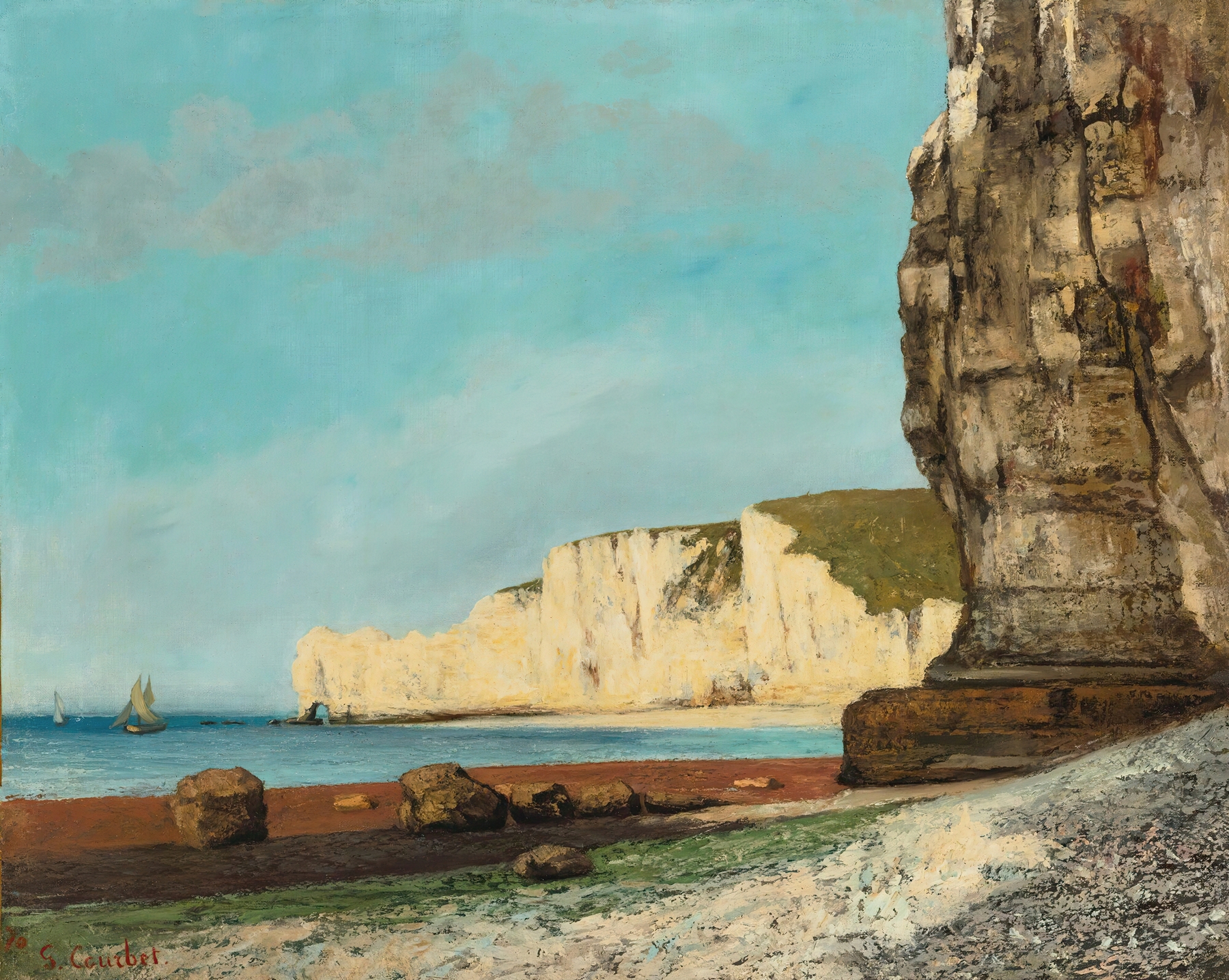
Étretat; Les Falaises
Gustave Courbet
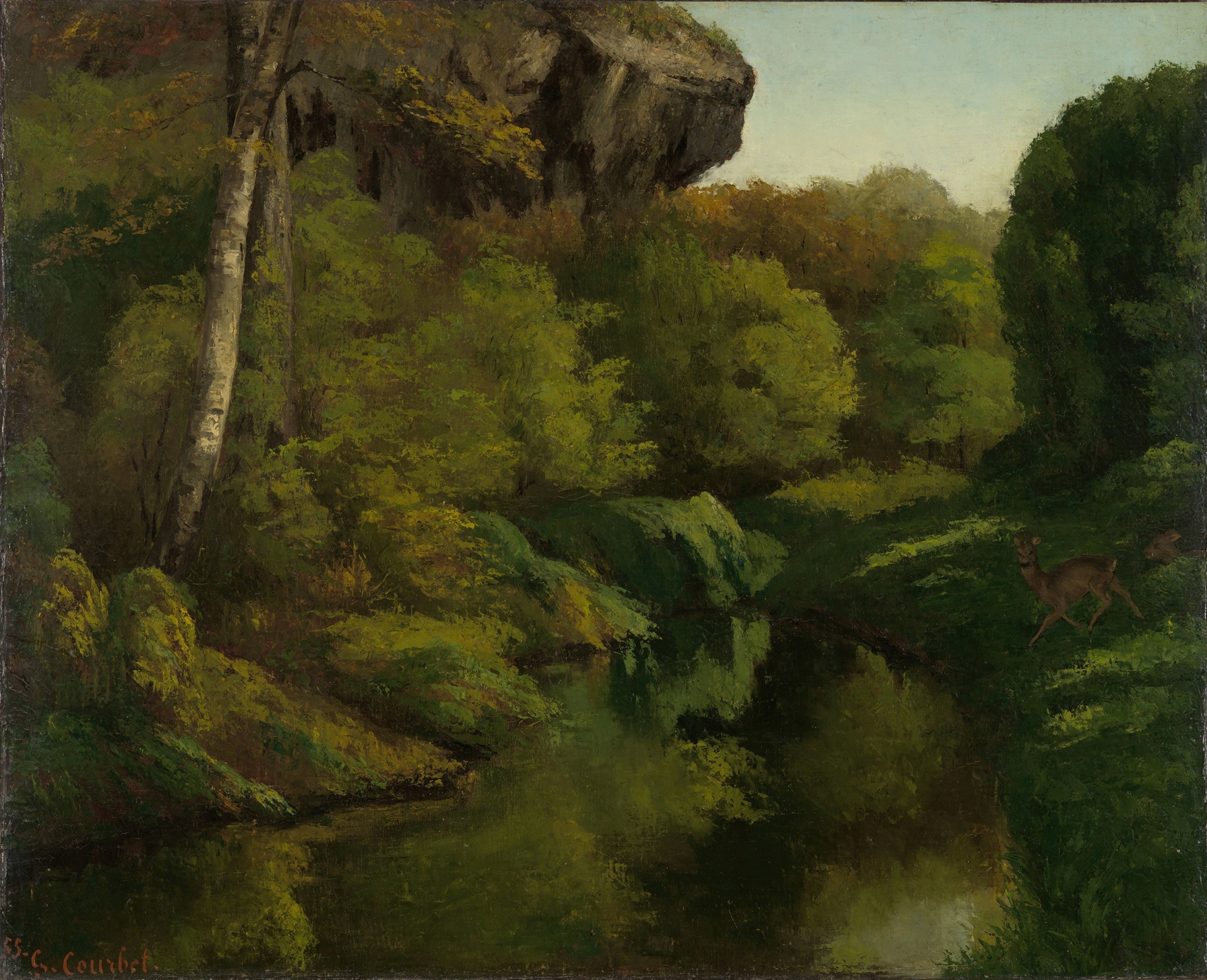
View in the Forest of Fontainebleau
Gustave Courbet
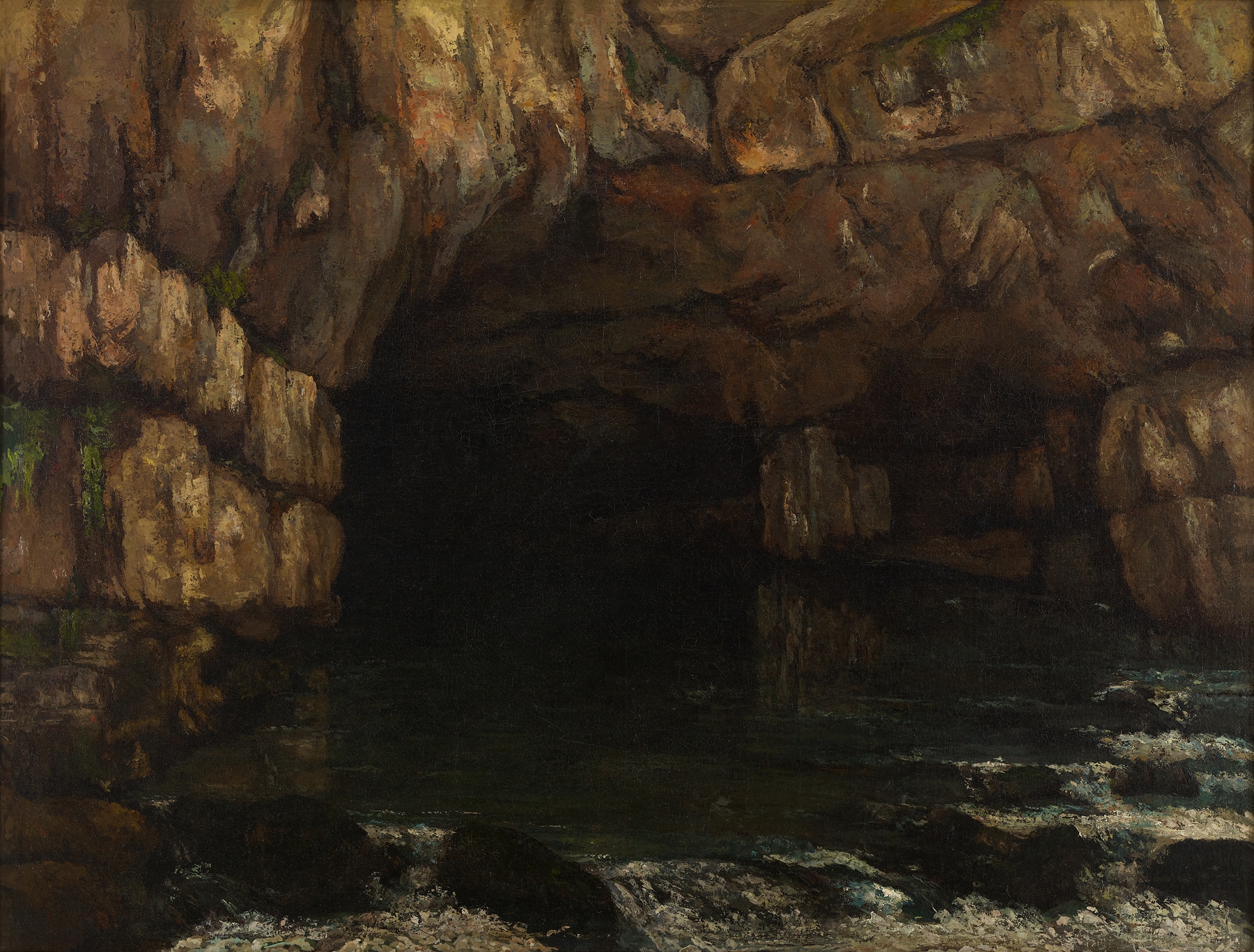
La source de la Loue (The Source of the Loue)
Gustave Courbet
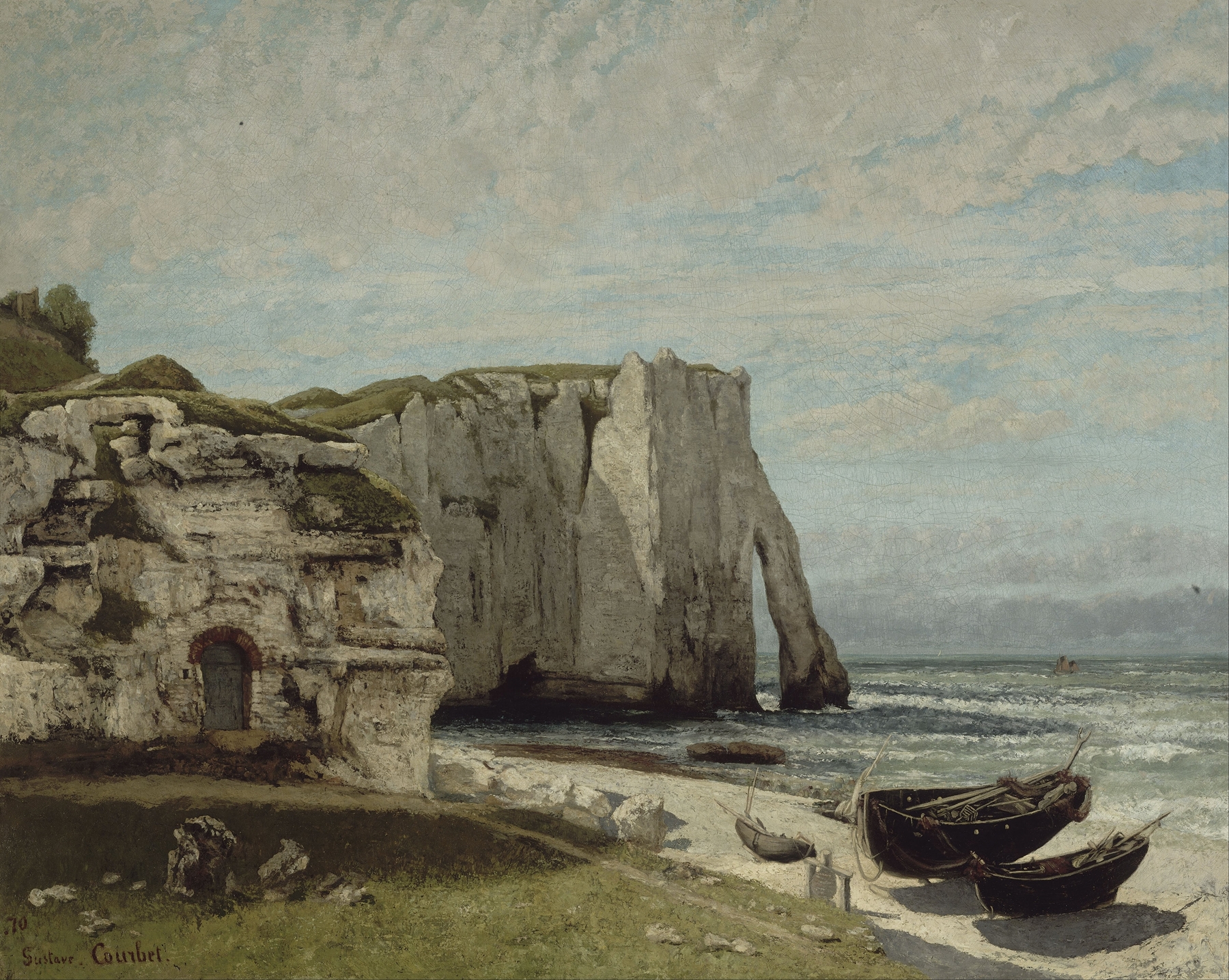
The Etretat Cliffs after the Storm
Gustave Courbet
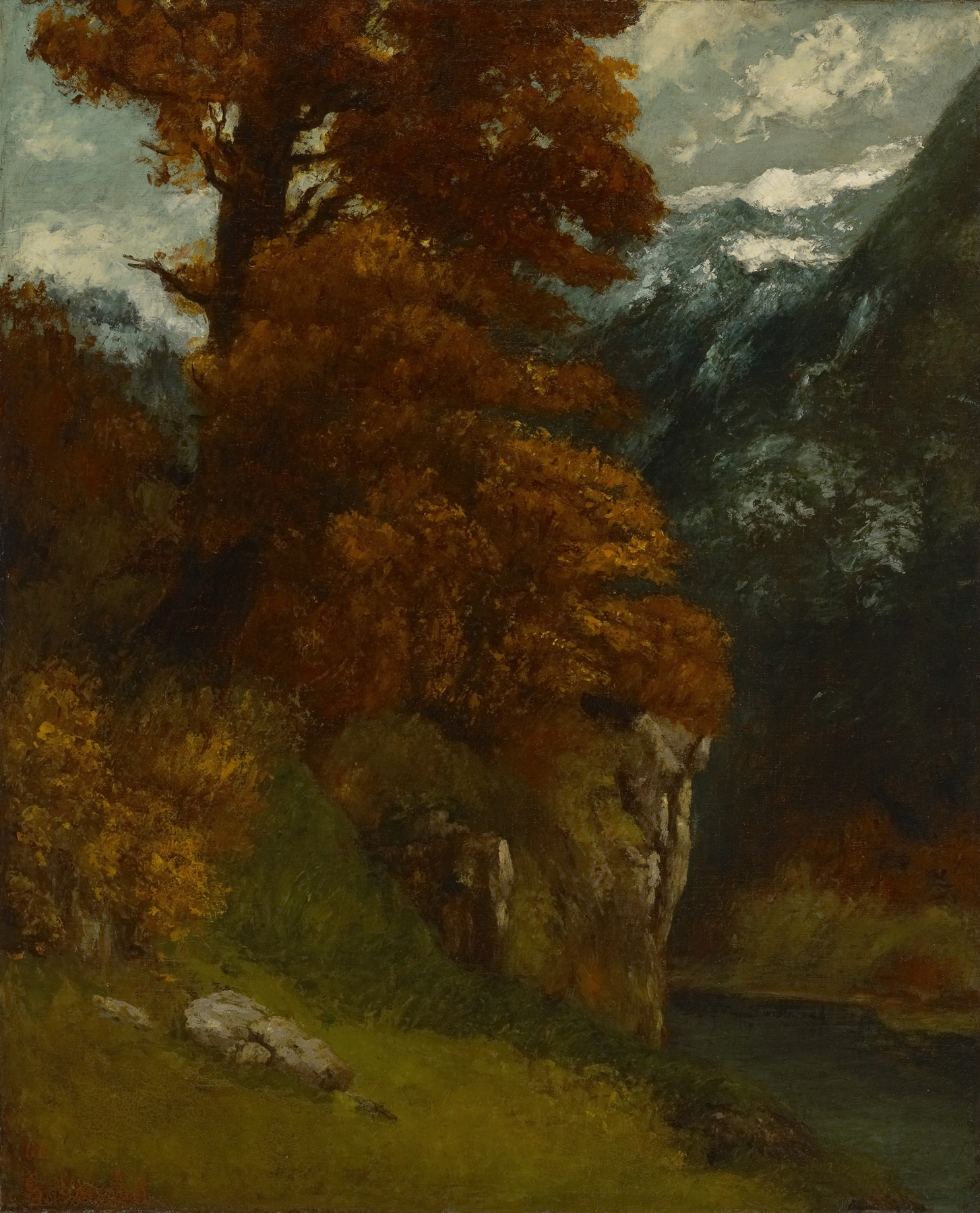
The Glen at Ornans (Bords du Doubs; Effet d’Automne)
Gustave Courbet
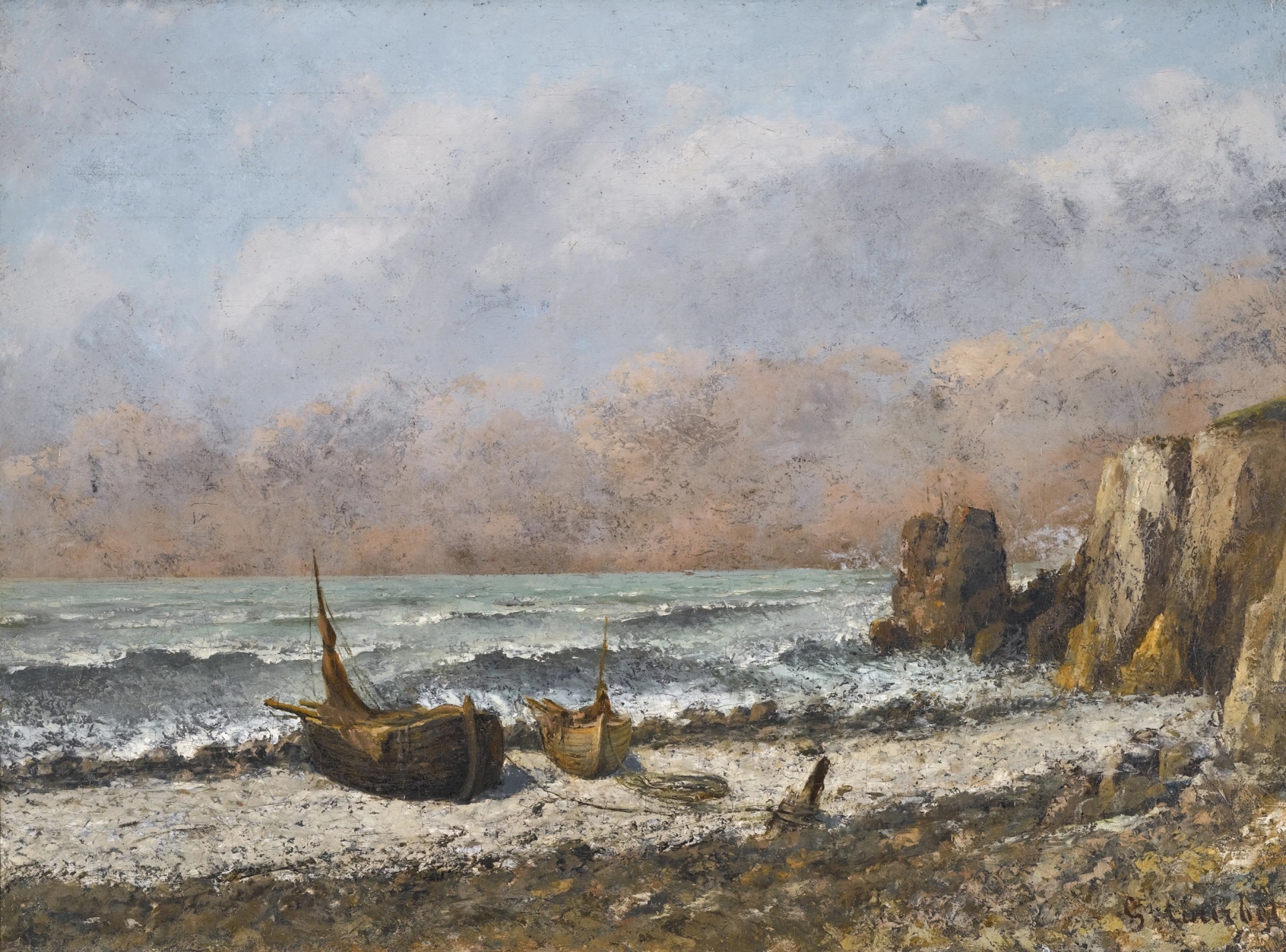
Deux bateaux sur la plage
Gustave Courbet
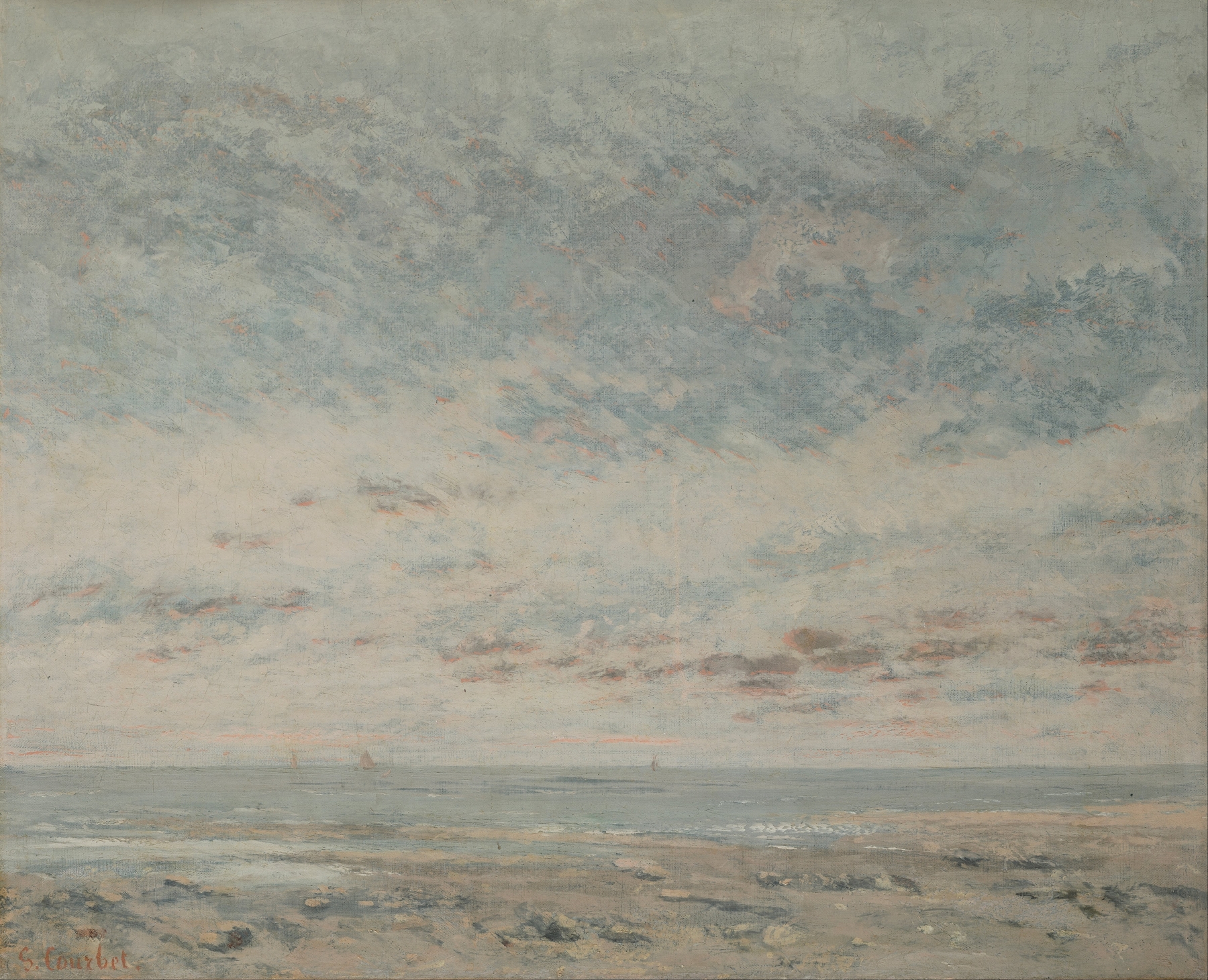
Low Tide at Trouville
Gustave Courbet