
Nazareth — History & Facts
Can beauty exist without sorrow? This question lingers in the air, much like the whispers of a distant revolution that shape its contours. Look at the serene landscape, where the gentle arches of olive trees cradle the quaint village beneath a vast, tranquil sky. The warm, muted palette invites you to dwell on the horizon, where shades of ochre and soft greens blend harmoniously. Notice the intricate detailing of the cottages nestled together, as if they offer solace to one another.
Stroobant’s brushwork reveals not just a place, but a breath of life, an intimate moment captured with tenderness and precision. Beneath the surface of this idyllic portrayal lies a tension inherent in its beauty. The pastoral scene, while tranquil, hints at the uprising of human spirit against the backdrop of societal constraints. Each tree and cottage serves as a silent witness to the aspirations and struggles of those who reside within its embrace.
The interplay of light and shadow on the landscape evokes a bittersweet nostalgia, suggesting that joy and pain are intertwined in the fabric of existence. In 1852, François Stroobant painted this work amidst a Europe on the verge of upheaval. Living in a period marked by revolutions and social change, the artist sought to capture a fleeting moment of peace that echoed the desires for freedom and harmony. His approach was influenced by the Realist movement, aiming to portray genuine life while juxtaposing the beauty of nature with the turmoil of human experience.
More Artworks by François Stroobant
Browse all →
Interior of the church of Notre Dame du Sablon at Brussels
François Stroobant
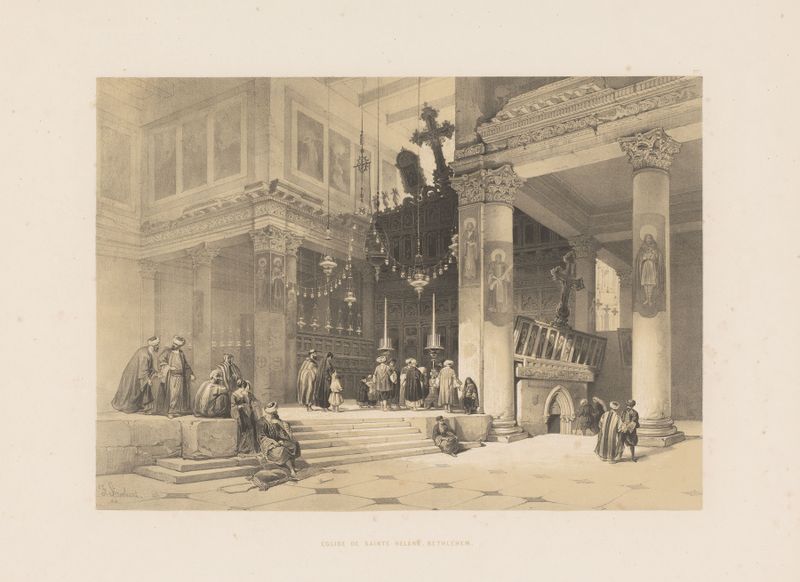
Église de sainte Hélène. Bethléhem
François Stroobant
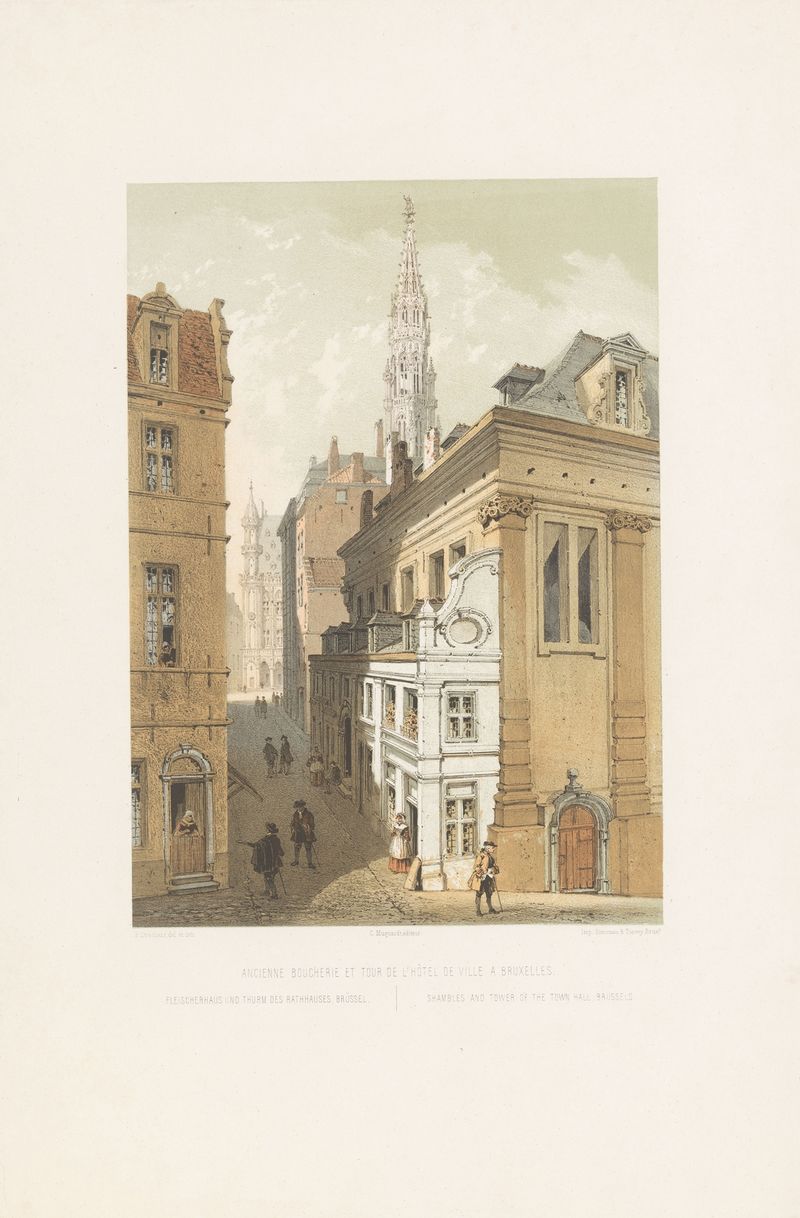
Shambles and tower of the town hall, Brussels
François Stroobant

Intérieur de l’église Grecque du Saint-Sépulcre
François Stroobant
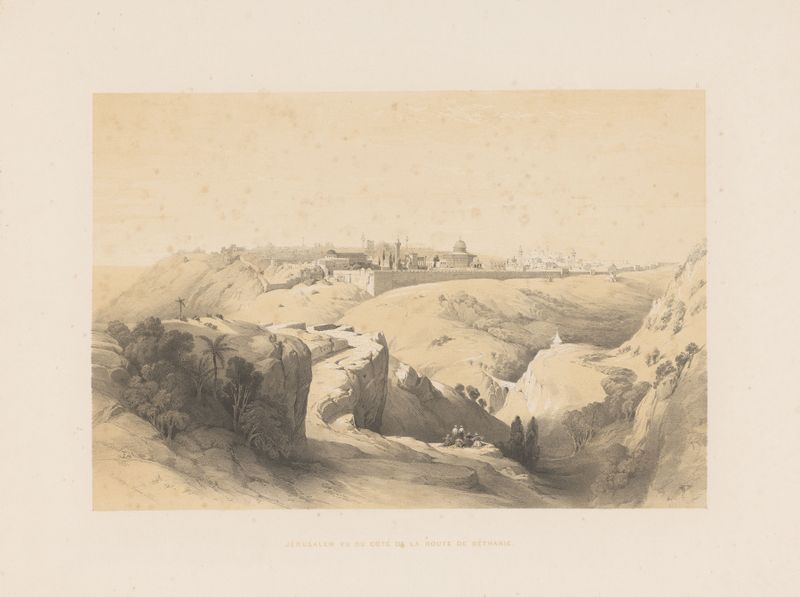
Jérusalem vu du coté de la route de Béthanie
François Stroobant

Le tabernacle du Saint-Sépulcre
François Stroobant

Town hall Brussels
François Stroobant

Fontaine de Jacob à Sichem
François Stroobant
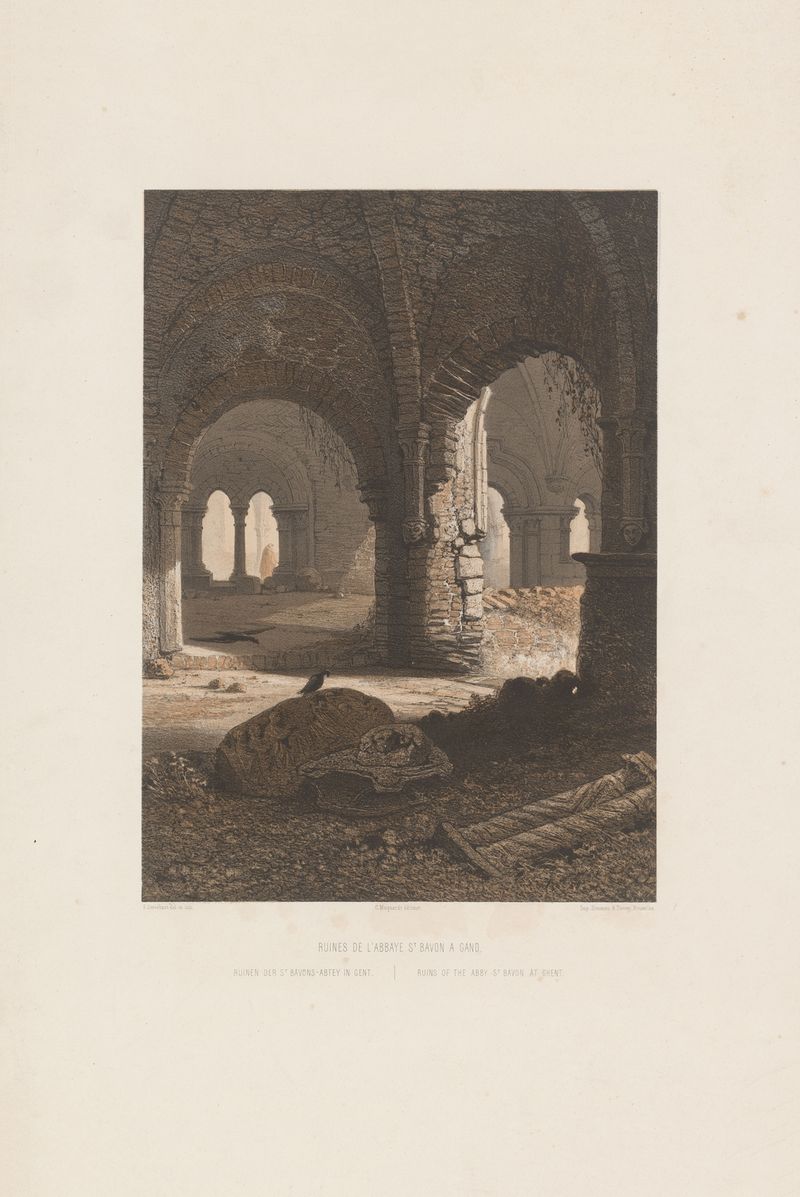
Ruins of the abby St Bavon at Ghent
François Stroobant

Vue de Naplouse
François Stroobant





