
Negadeh, 1-45 pm, 17 January 1867 — History & Facts
In the stillness of a reverie, an awakening unfurls, inviting whispered contemplation of the layers that conceal and reveal our truths. Look to the bottom right, where vibrant yellows and golds collide, symbolizing a dawning awareness. The delicate brush strokes weave together, forming an intricate tapestry of emotions that pulsate with each gaze. Allow your eyes to trace the soft curves and angles that balance chaos and serenity, leading you to the center, where a tender warmth emanates.
The subtle hues of muted greens and deep blues serve as a backdrop, contrasting the brilliance of the golden light that beckons forth, illuminating hidden narratives waiting to be uncovered. Amidst the luminous interactions, the painting speaks of contrasts: the tension between joy and sorrow, the ephemeral nature of beauty, and the lingering weight of longing. Each brushstroke is imbued with the artist’s introspection, revealing a deep yearning for connection. The intricate details—a flower on the brink of bloom, shadows stretching across the canvas—hold significance, emphasizing the fleeting moments of awakening that define our existence. In 1867, Edward Lear navigated a period of both personal and artistic transformation.
Working during a time when Romanticism was gradually giving way to Modernism, his exploration of vivid landscapes and emotional depth would resonate through the art world. This piece captures not only his mastery of color and form but also the complex interplay of life experiences that shaped his vision.
More Artworks by Edward Lear
Browse all →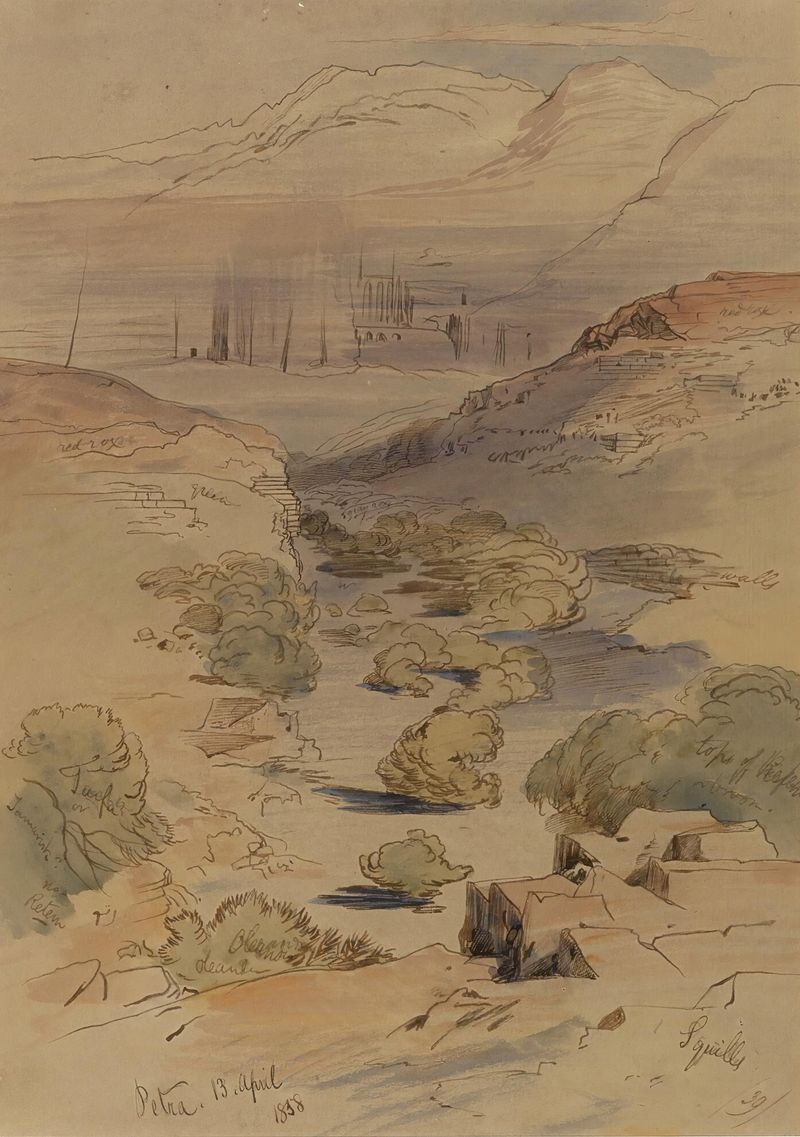
Petra
Edward Lear
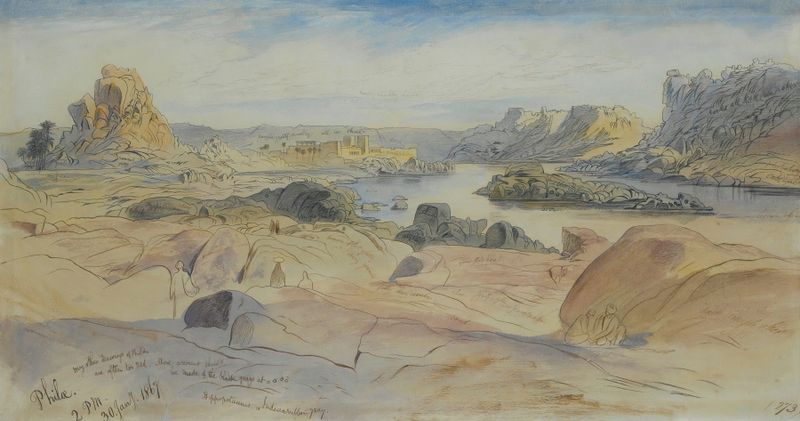
Philae, Egypt
Edward Lear
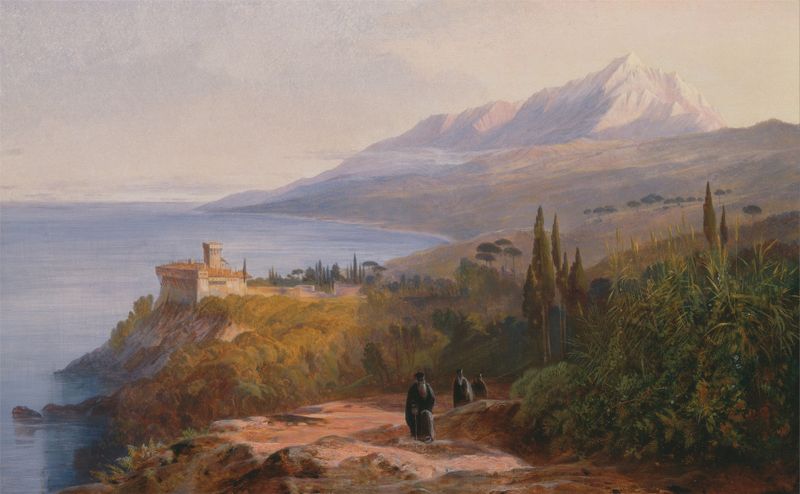
Mount Athos and the Monastery of Stavronikétes
Edward Lear
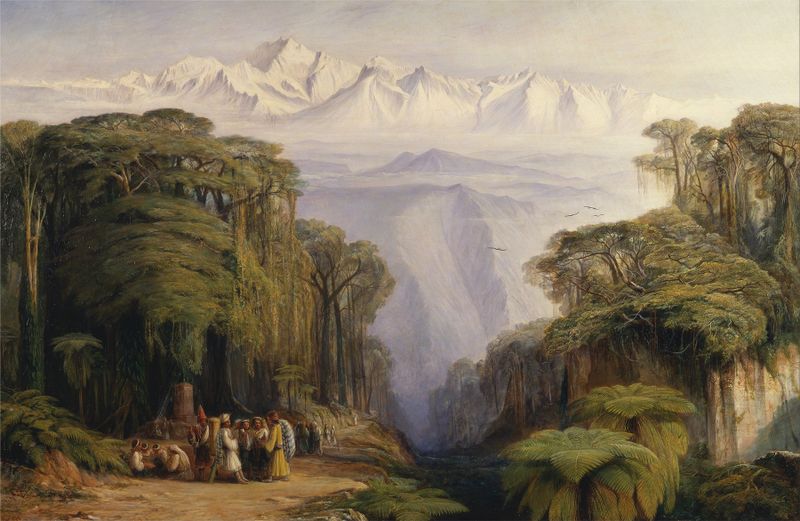
Kangchenjunga from Darjeeling
Edward Lear
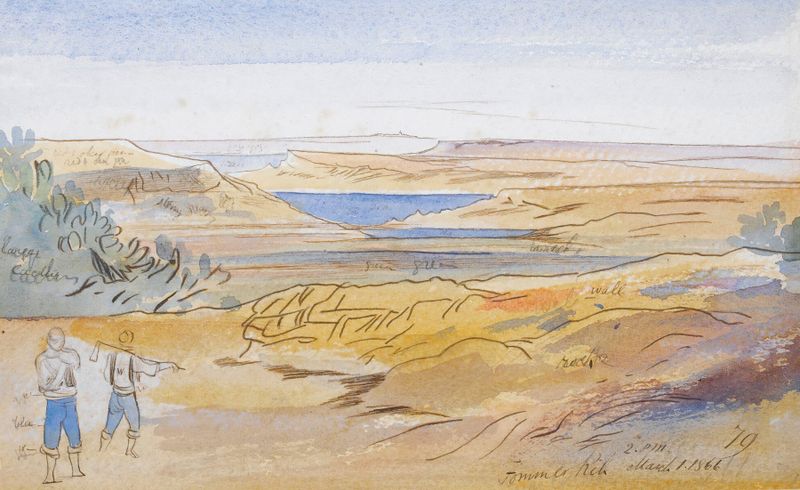
Fomm Ir-Rih, Malta
Edward Lear
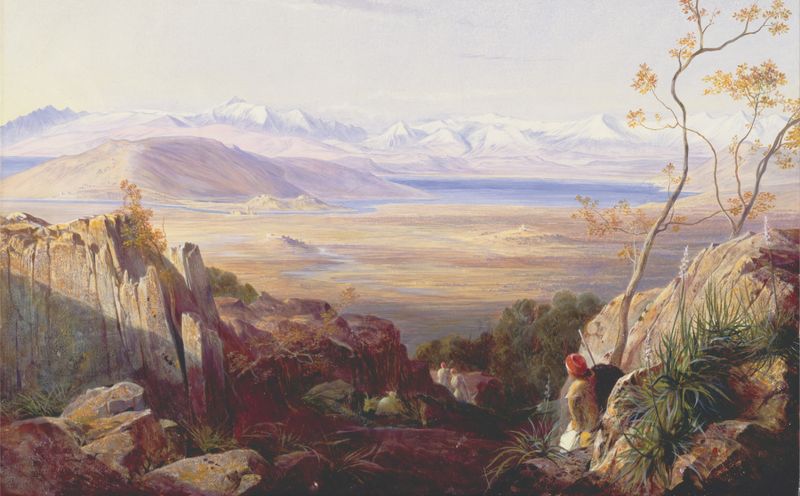
Butrinto, Albania
Edward Lear
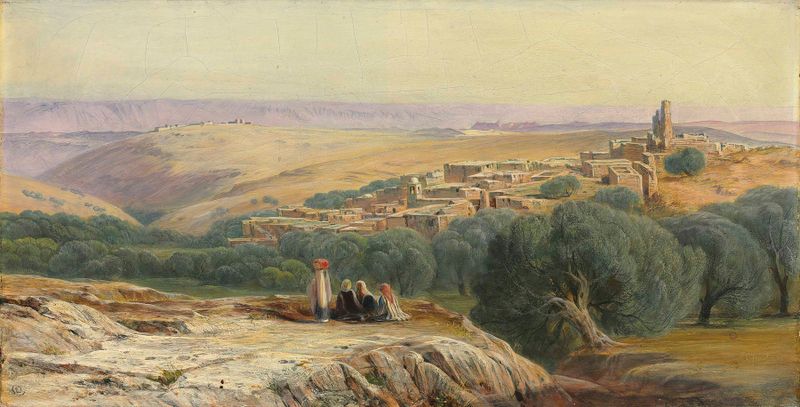
The Plains of Bethany
Edward Lear

Karnak, 9-30 pm, 22 January 1867
Edward Lear
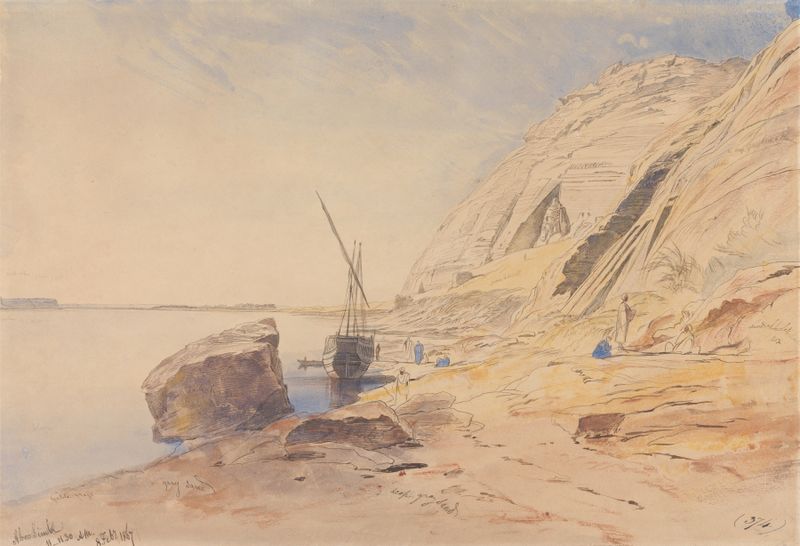
Abu Simbel, 11-11;30 am, 8 February 1867 (374)
Edward Lear

A View Of Mount Athos And The Pantokrator Monastery, Greece
Edward Lear





