
Neighbours — History & Facts
A shaft of golden light falls across the threshold, drawing the eye to a moment of quiet encounter: three generations gathered on a wooden bench, their faces animated by conversation and curiosity. The old man’s embroidered vest, the woman’s silver brooch, and the child’s restless hands all speak to a world where tradition and daily life are inseparable. The visitor at the door, leaning in with a conspiratorial smile, is both outsider and kin—his presence the spark that animates the group, as if news or a story has just arrived with him.
Every detail is purposeful: the spinning wheel at the woman’s feet, the sturdy timber walls, and the play of warm and cool tones that carve out each figure from the gentle gloom of the interior. Painted in 1856, Neighbours by Adolph Tidemand belongs to a moment in Scandinavian art when painters turned their gaze to rural life, seeking both the poetry and the reality of the countryside. Such works were often commissioned or collected by a growing urban middle class eager to preserve—or perhaps romanticize—the customs of a rapidly changing world. Tidemand, known for his sensitive depictions of Norwegian folk culture, captures not a grand event but the texture of everyday connection: the way a neighbor’s visit could transform an ordinary afternoon into a scene worth remembering.
Today, history has kept few traces of this specific painting’s journey, but its place in the DigitaltMuseum collection invites us to linger, to imagine the stories that might have unfolded in that sunlit doorway.
More Artworks by Adolph Tidemand

Bridal Procession on the Hardangerfjord
Adolph Tidemand
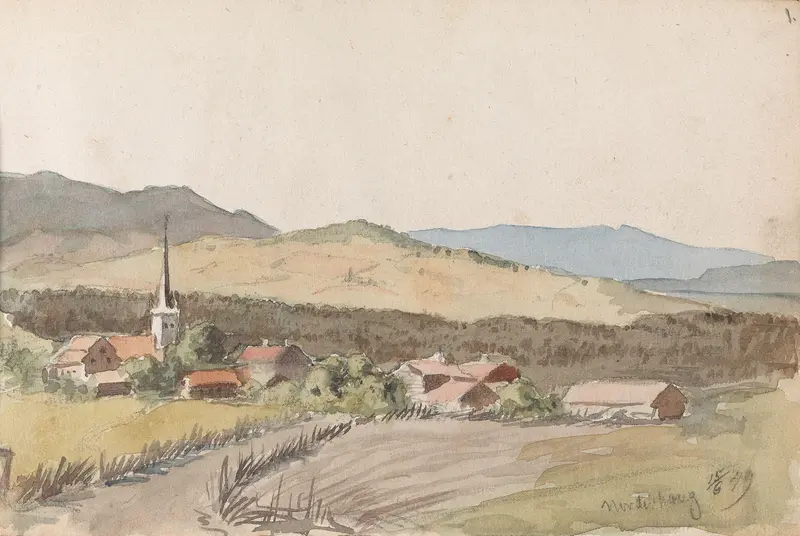
Fra Haugsbygd
Adolph Tidemand
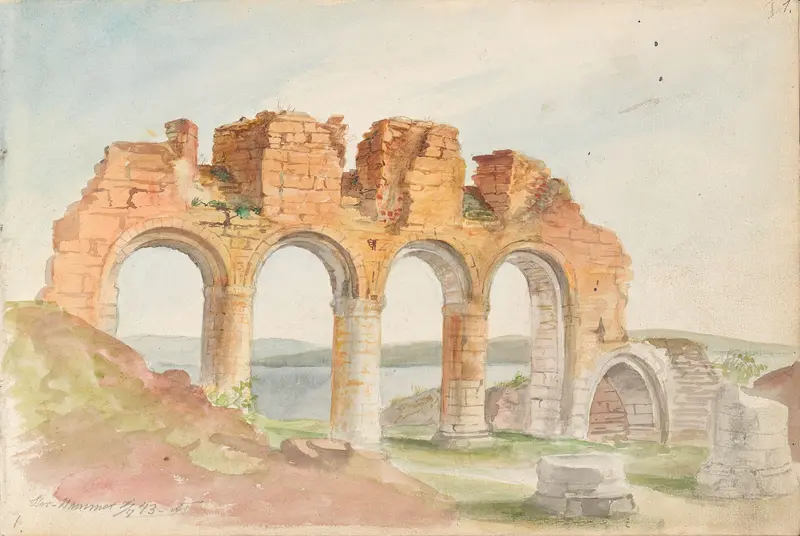
Domkirkeruinen, Hamar
Adolph Tidemand
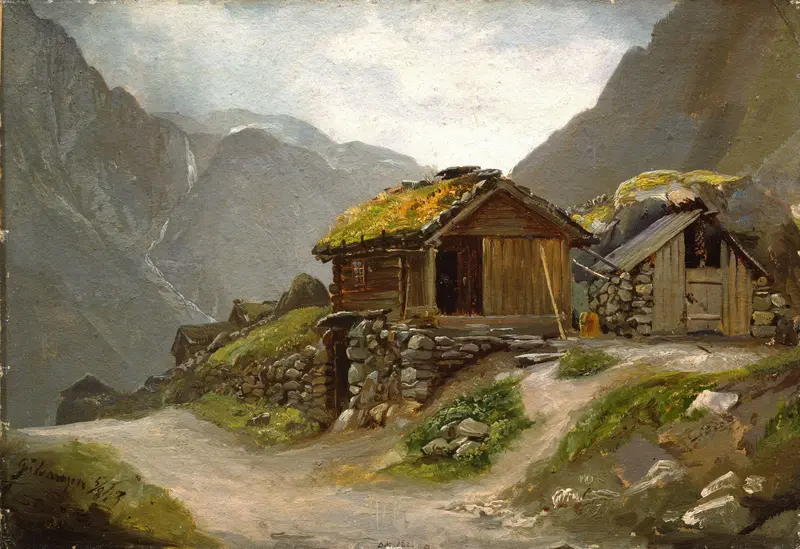
View from Gudvangen
Adolph Tidemand
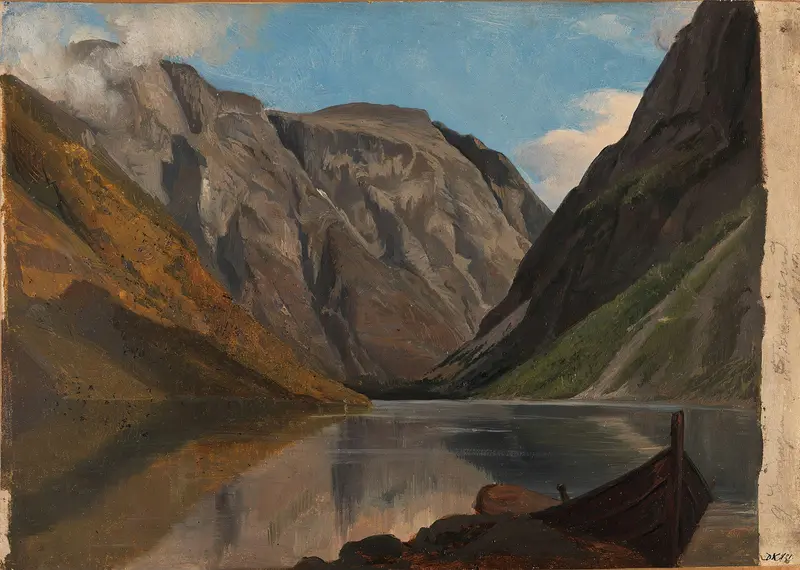
View of Gudvangen
Adolph Tidemand
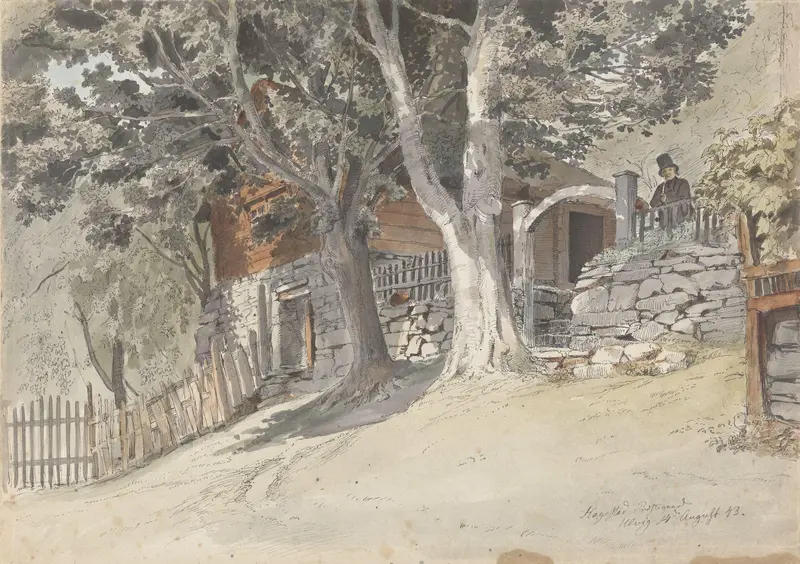
Hagestad prestegård, Ulvik i Hardanger
Adolph Tidemand
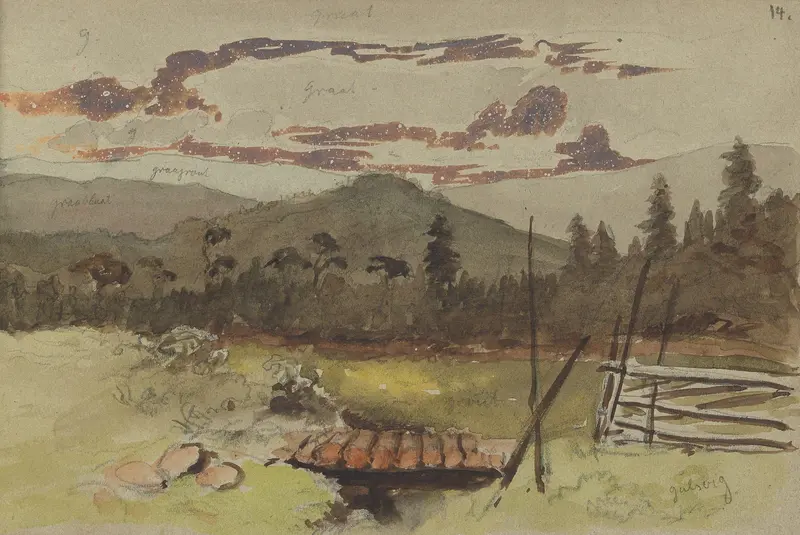
Fra Gulsvik
Adolph Tidemand
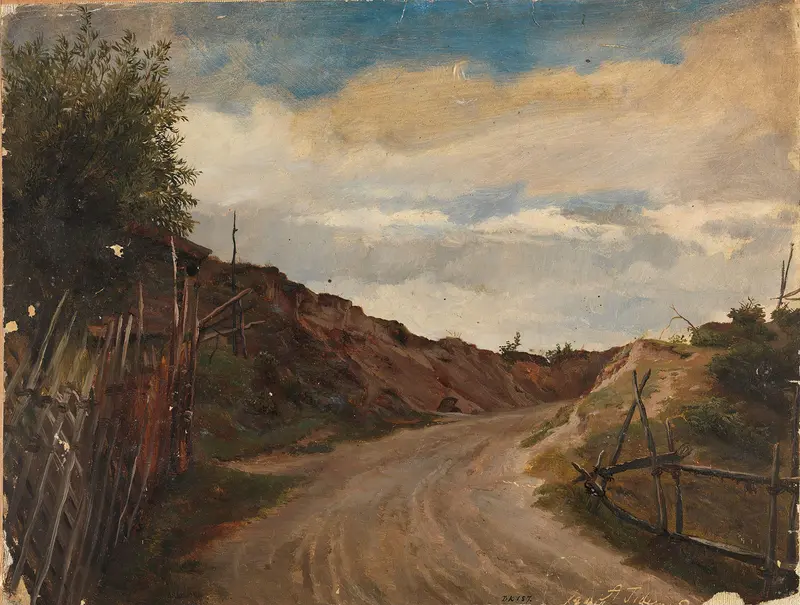
Country Road
Adolph Tidemand
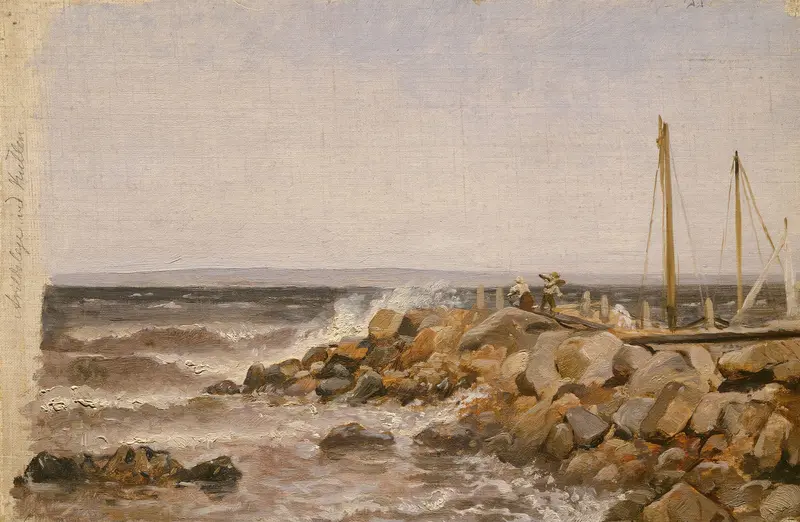
From Kullen in Sweden
Adolph Tidemand
Untitled
Adolph Tidemand
More Genre Scene Art

Banquet of the Officers of the St George Civic Guard
Frans Hals

Rembrandt and Saskia in the Scene of the Prodigal Son
Rembrandt van Rijn

Bal du moulin de la Galette
Pierre-Auguste Renoir

Quadrille at the Moulin Rouge
Henri de Toulouse-Lautrec

A Burial at Ornans
Gustave Courbet

When Will You Marry?
Paul Gauguin