
Nero’s Aqueduct in Rome — History & Facts
Here, the passage of time reveals not just a structure but an entire story of transformation — one where nature and humanity collide in a dance of decay and resilience. Look to the left, where the towering arches of the aqueduct rise against the backdrop of a serene sky. The artist’s skillful brushwork captures the delicate interplay of light and shadow, with soft hues of ochre and blue, inviting you deeper into the scene. Notice how the crumbling stones, warmly illuminated, tell tales of bygone grandeur, while vibrant greenery encroaches from below, asserting nature’s slow reclamation of this majestic relic. While the grandeur of the aqueduct is undeniably striking, it’s the subtle details that speak volumes.
Observe the contrasting elements: the strength of the architecture juxtaposed with the fragility of the surrounding flora, representing not only the passage of time but also the resilience of life amidst human-made structures. The tranquil water flowing beneath adds a sense of movement, a reminder of constant change, while the distant figures hint at the ongoing relationship between people and history. Created between 1809 and 1812, during a period of Romanticism in art, the work emerged as Josephus Augustus Knip explored themes of nature versus civilization. He painted this scene in Italy, amidst a backdrop of growing fascination with classical ruins and the sublime.
This era was marked by a renewed interest in the natural world, reflecting a transformation in artistic focus that celebrated both beauty and decay, echoing the sentiments of an evolving society.
More Artworks by Josephus Augustus Knip
Browse all →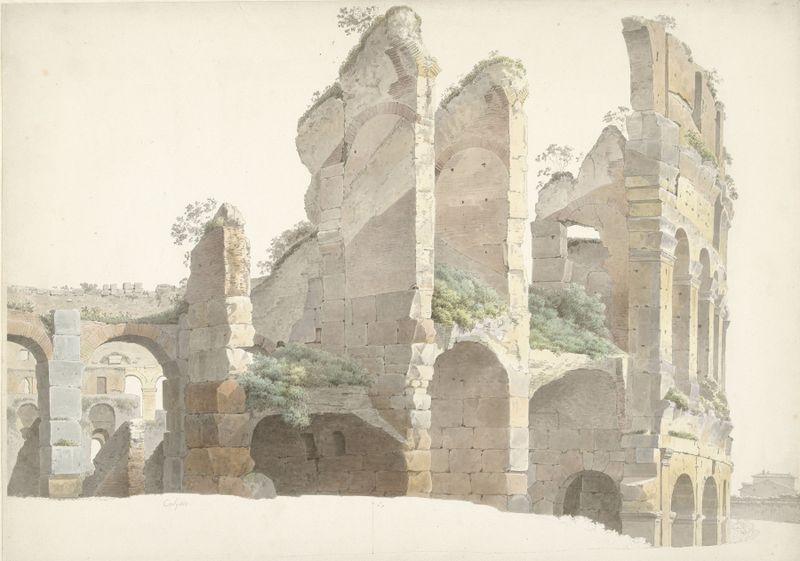
Het Colosseum te Rome
Josephus Augustus Knip
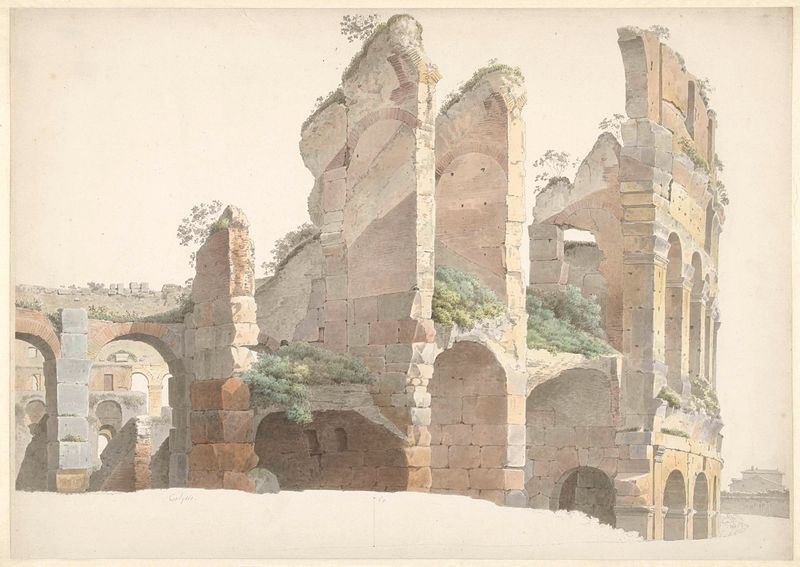
Het Colosseum te Rome
Josephus Augustus Knip
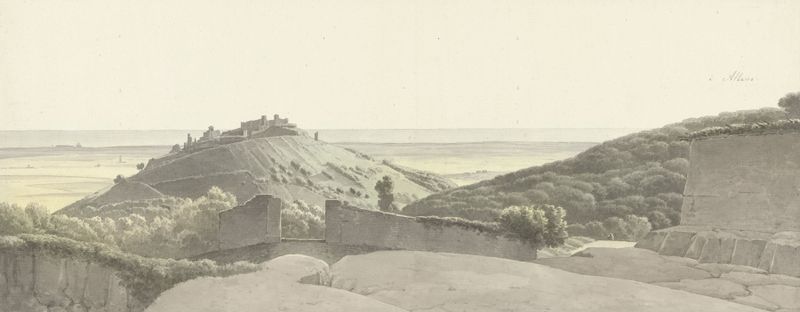
Landscape around Albano Laziale
Josephus Augustus Knip

View of Ariccia from Genzano
Josephus Augustus Knip
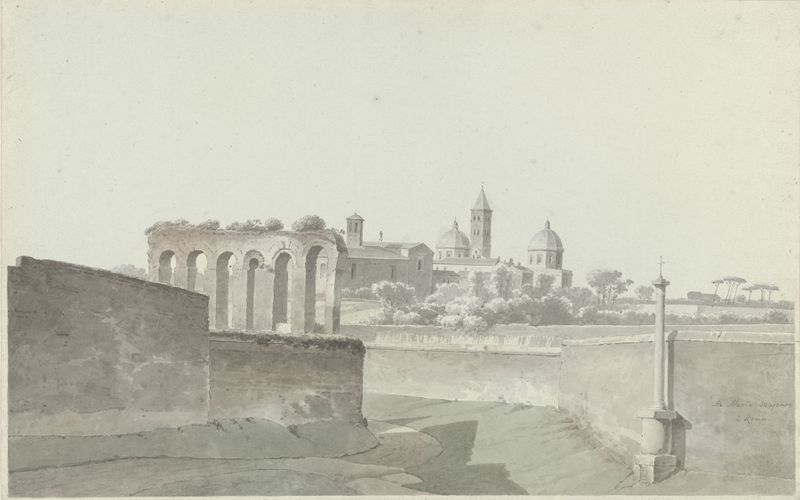
The Basilica of Santa Maria Maggiore in Rome
Josephus Augustus Knip
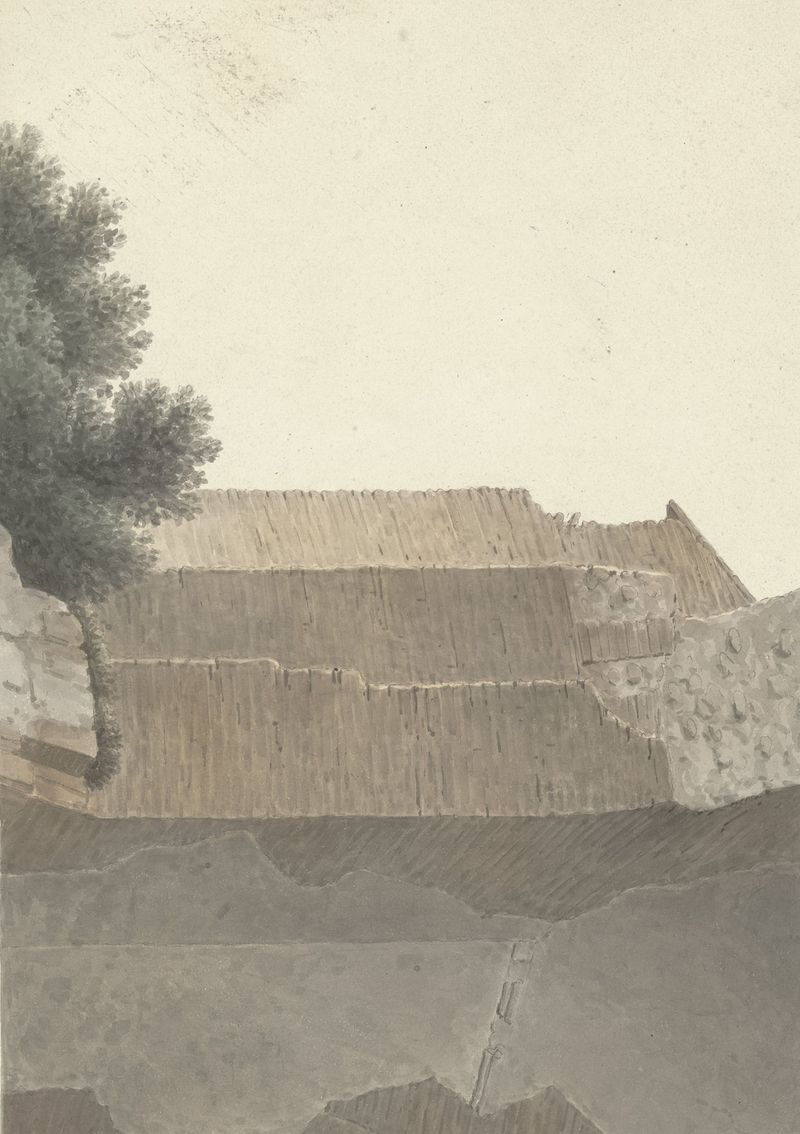
Part of the Vault of the Temple of Minerva Medica in Rome
Josephus Augustus Knip
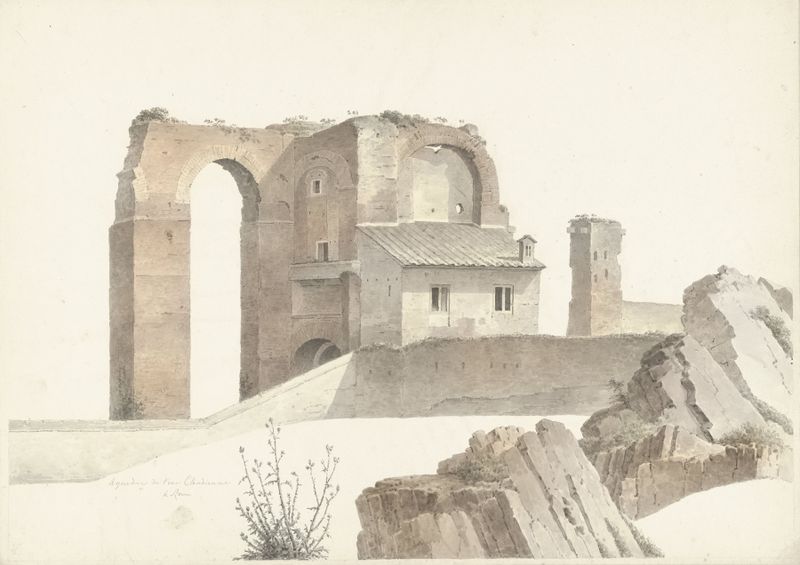
The Aqua Claudia in Rome
Josephus Augustus Knip
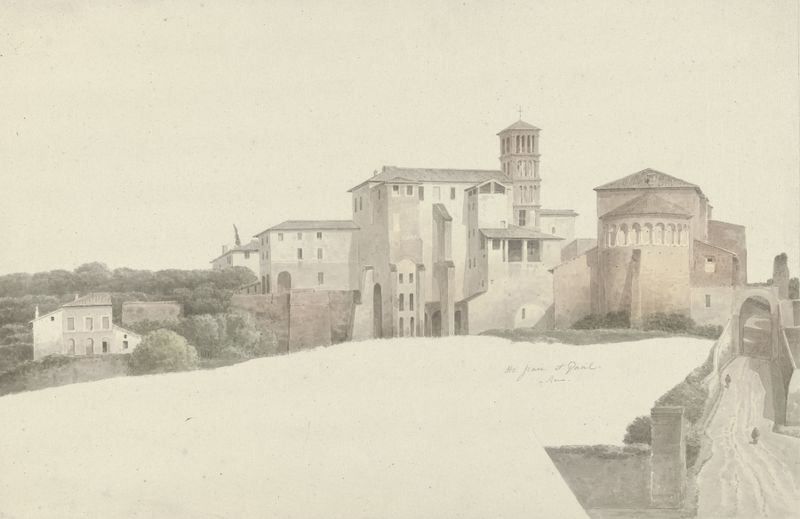
Basilica and Monastery of Santi Giovanni e Paolo in Rome
Josephus Augustus Knip
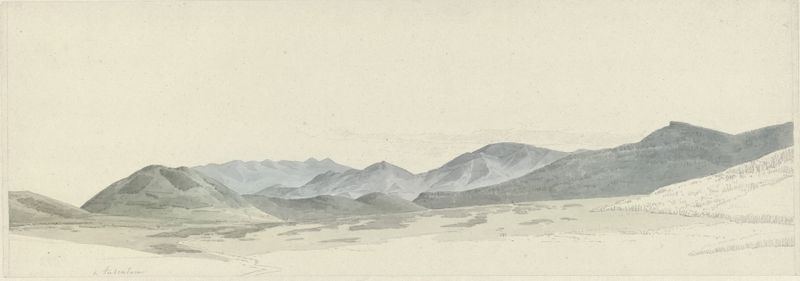
Mountain Landscape at Tusculum
Josephus Augustus Knip
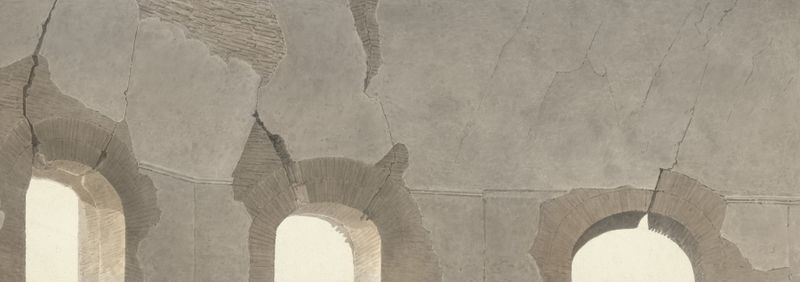
Part of the Vault of the Temple of Minerva Medica in Rome
Josephus Augustus Knip





