Netley Abbey — History & Analysis
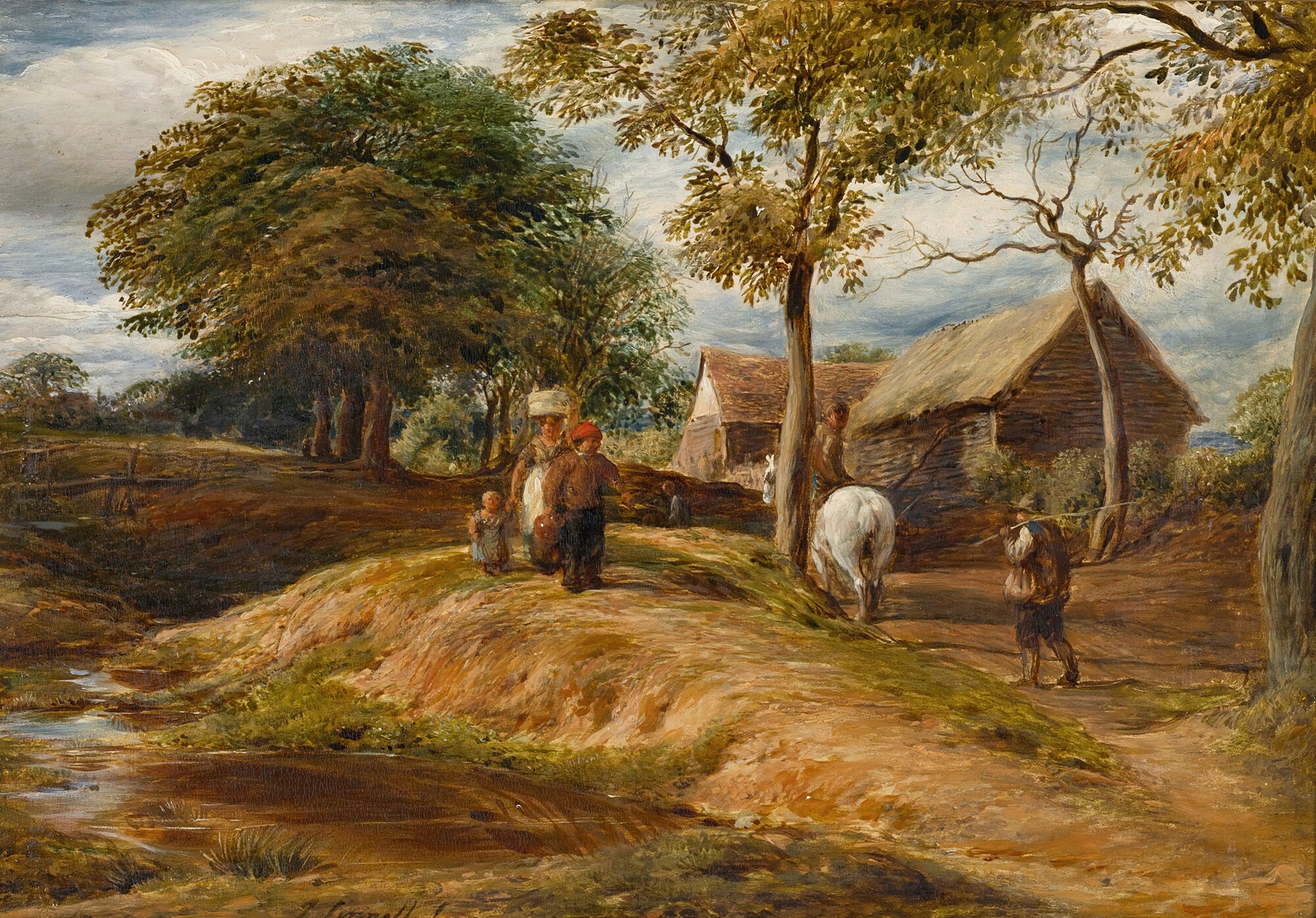
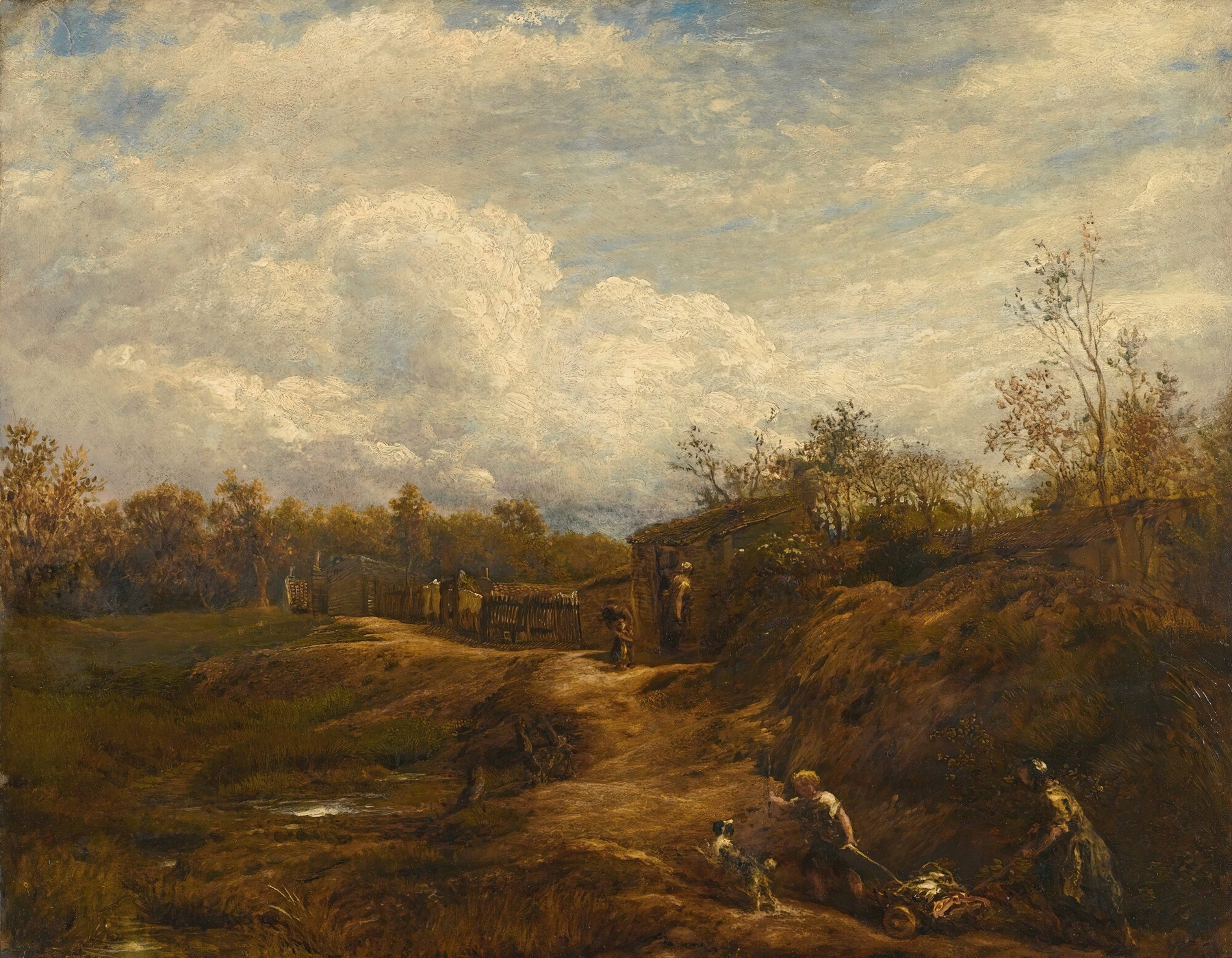
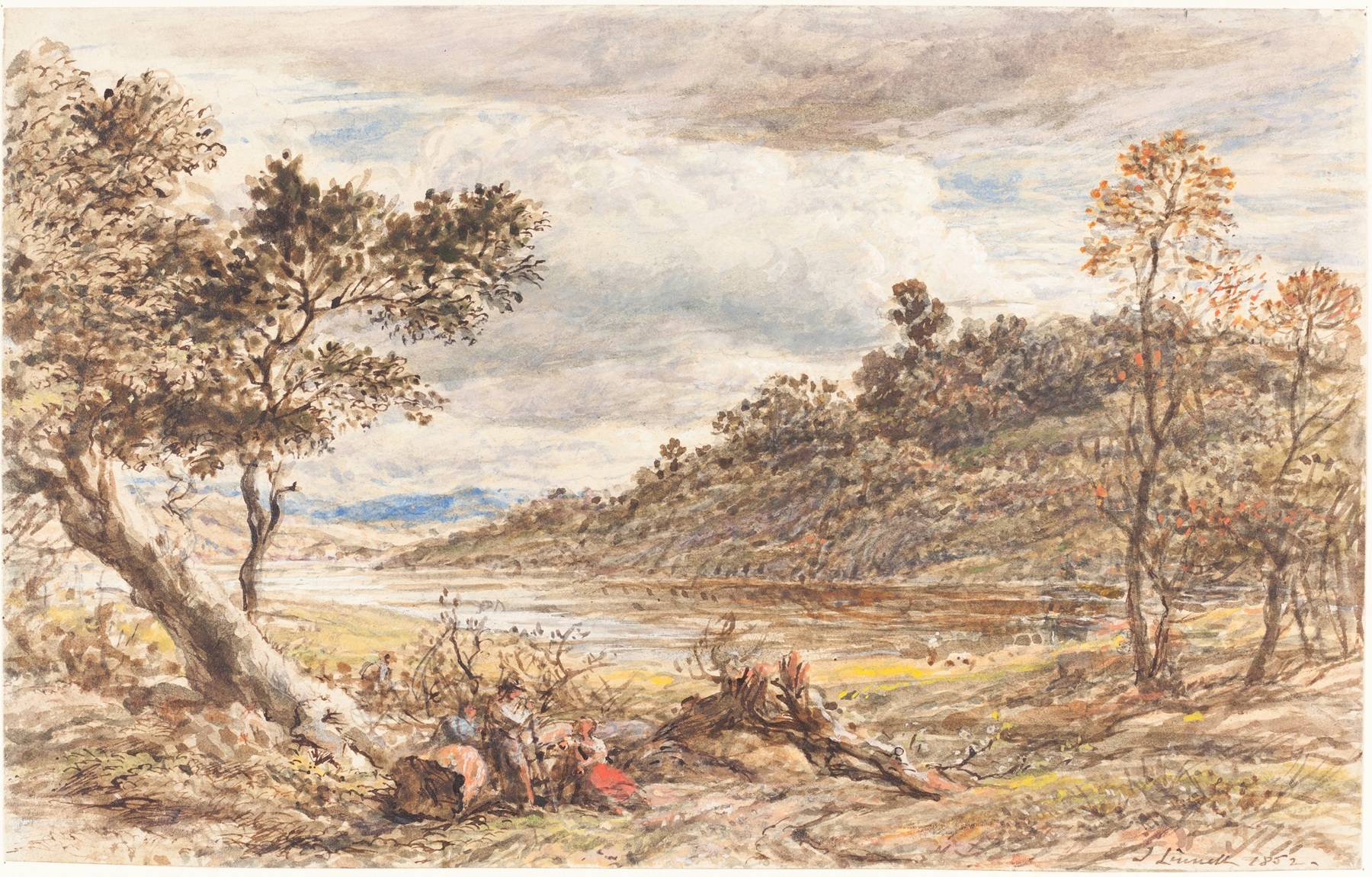
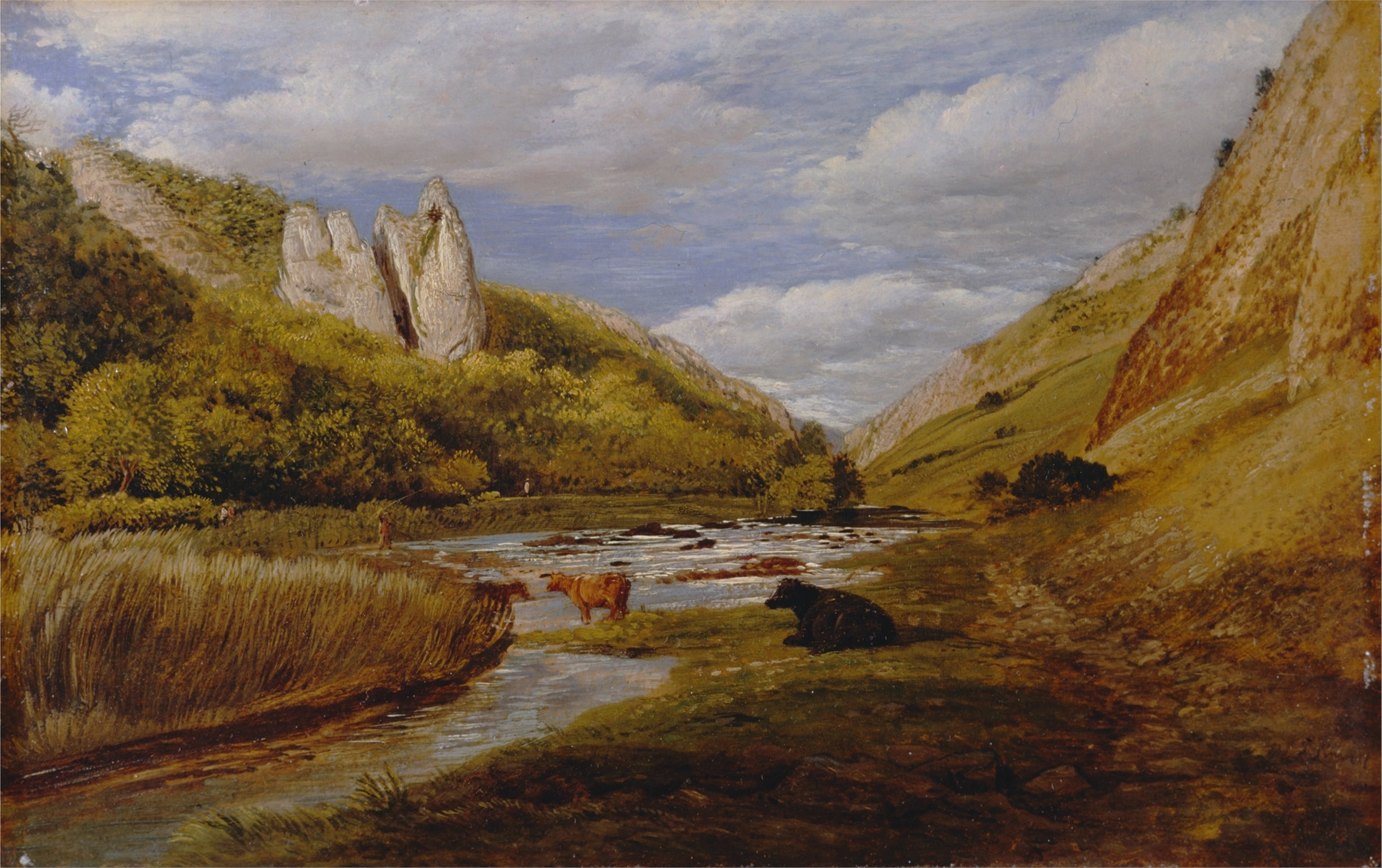
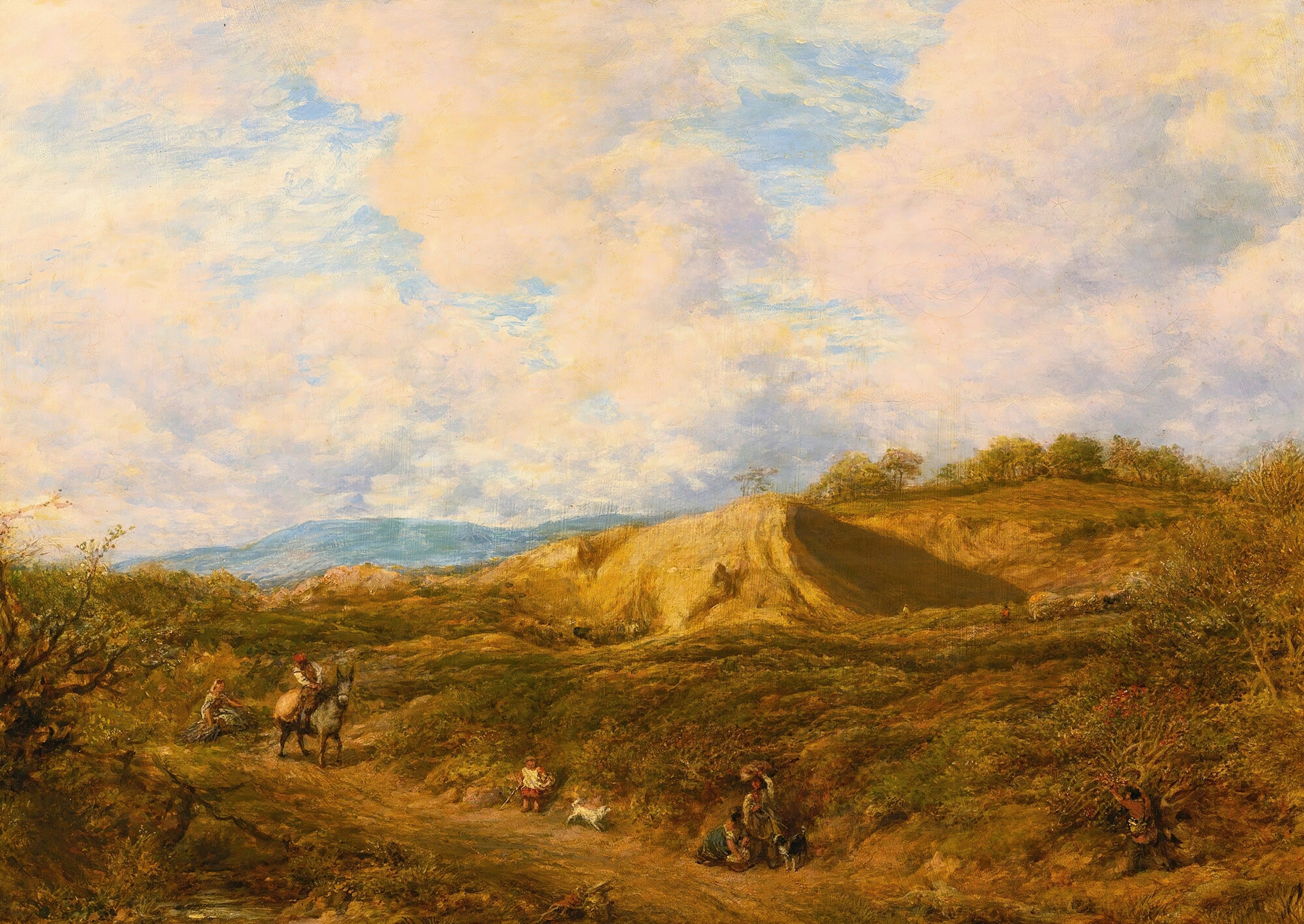
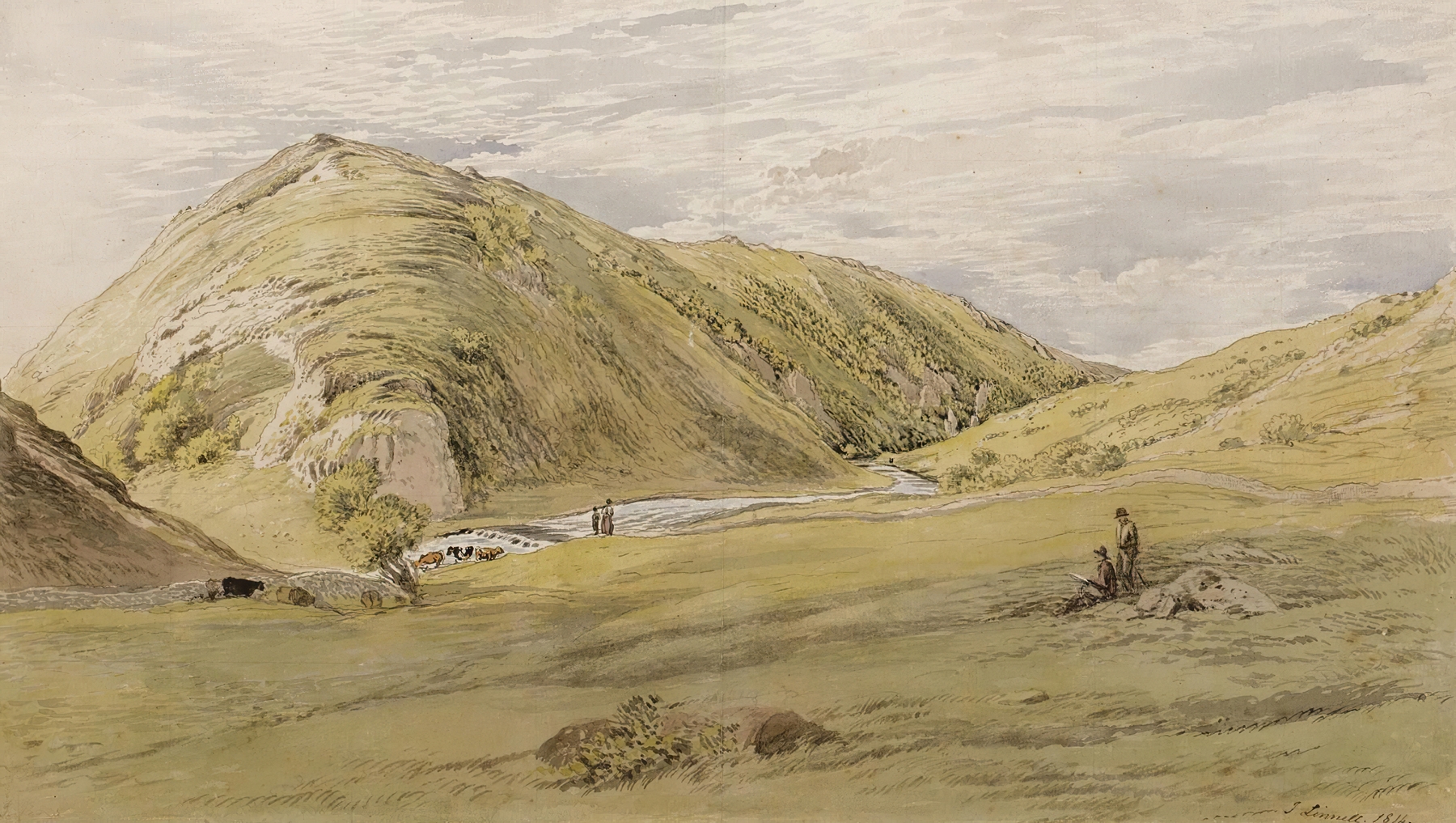
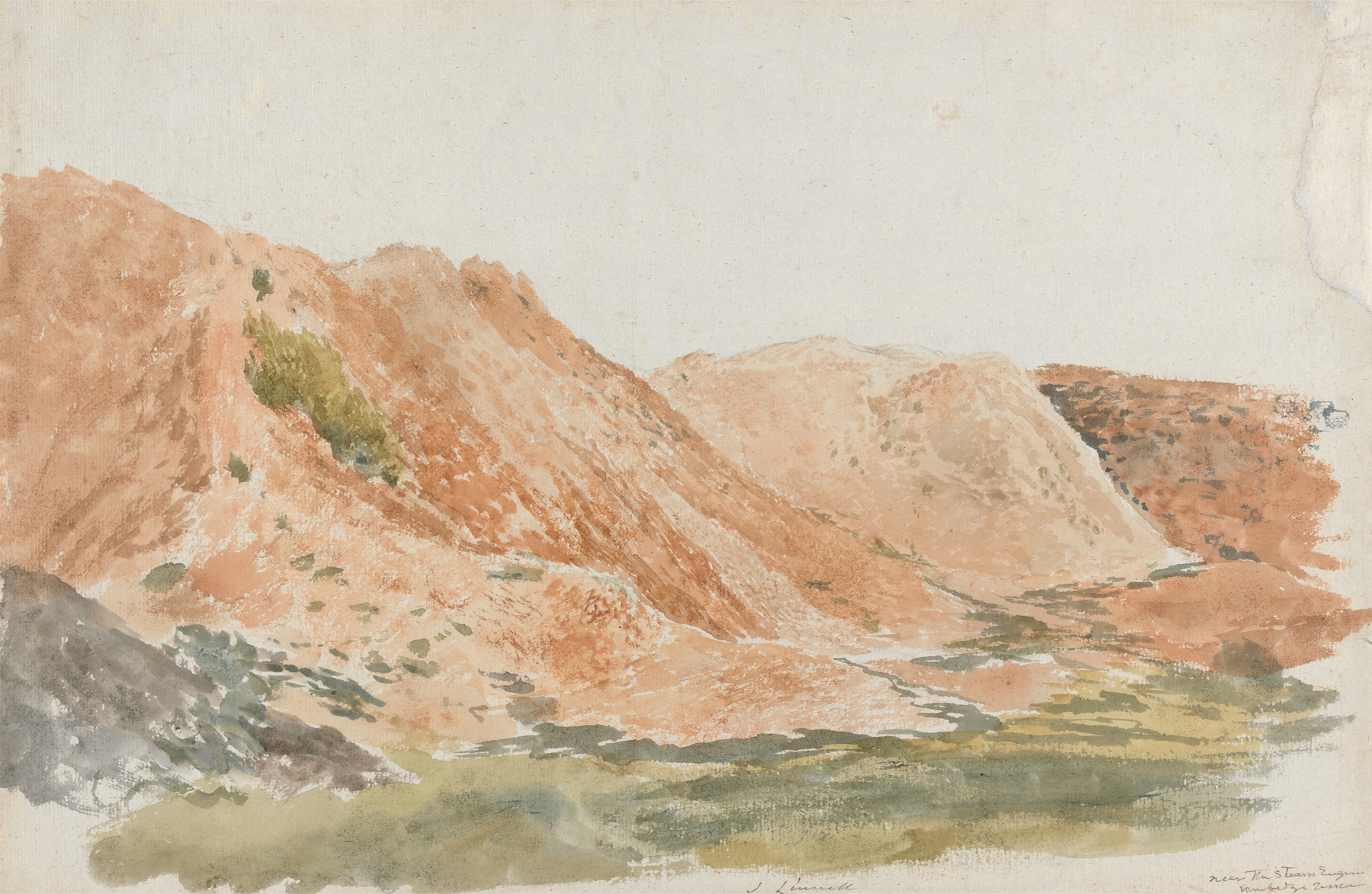
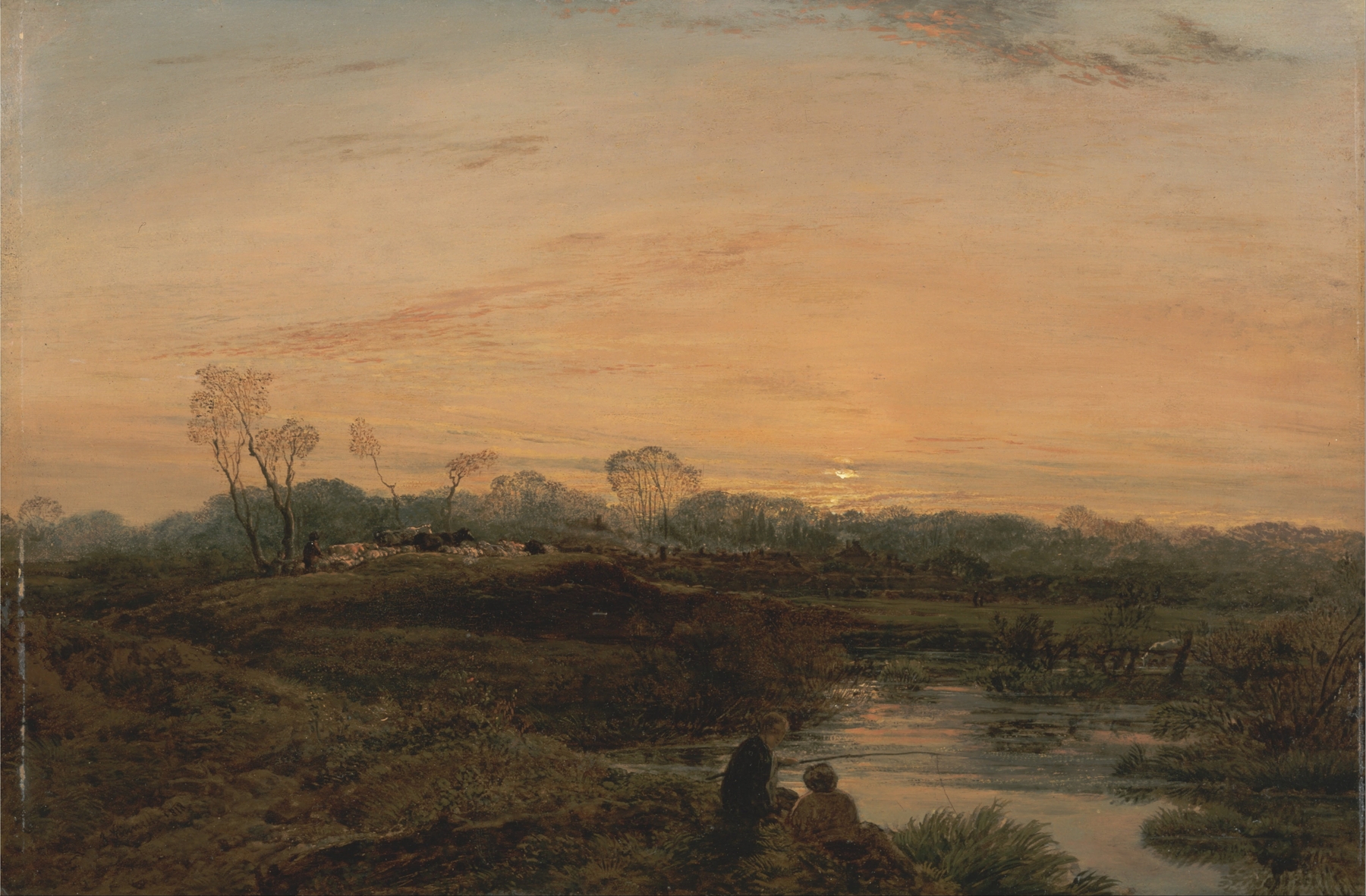
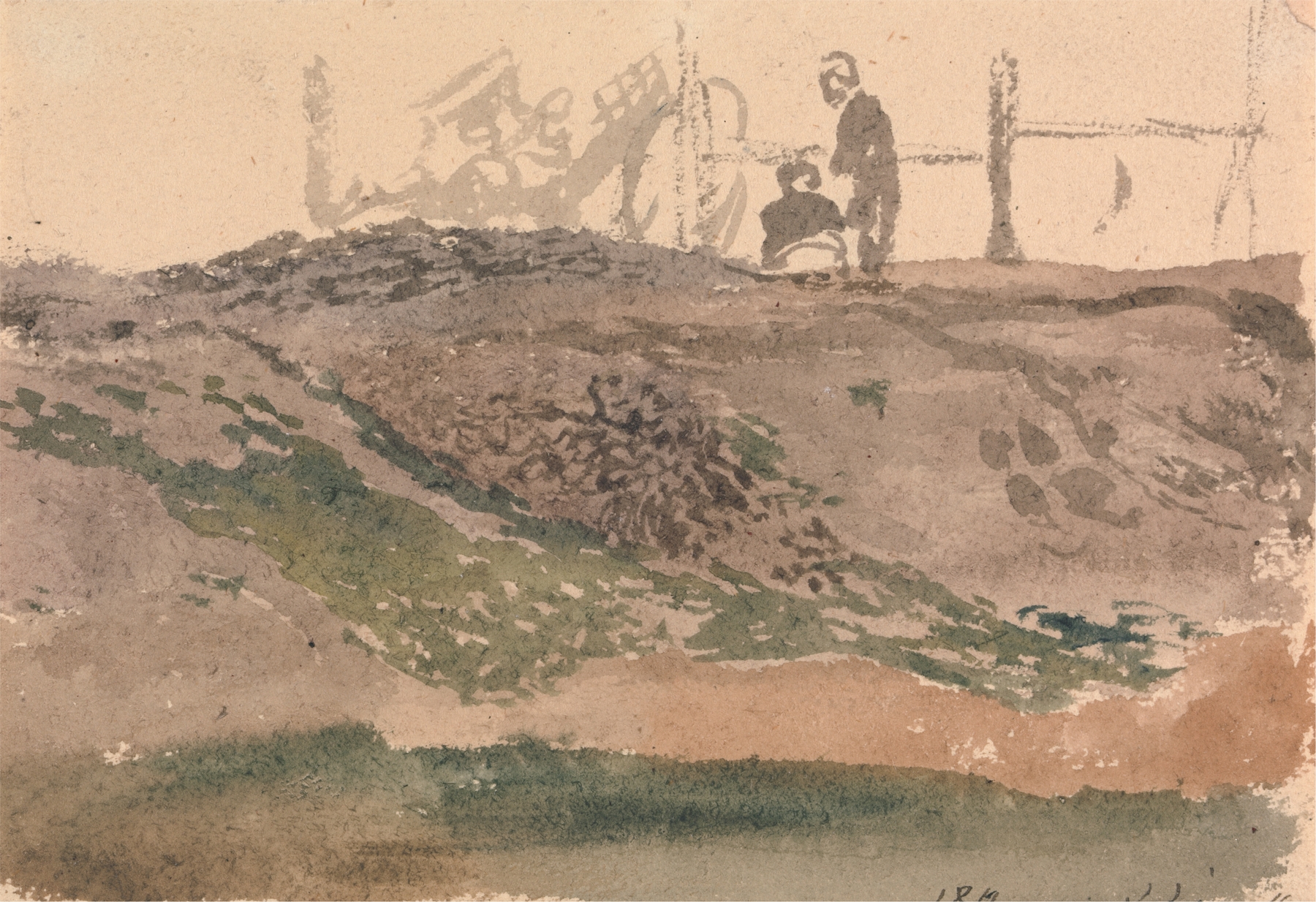
“Between color and silence, truth hides.” This delicate balance evokes the quiet solitude captured in the depths of a serene landscape. It suggests that within the stillness, whispers of the past call to us, urging reflection and connection. Look to the left where the ruins of Netley Abbey emerge from a lush green expanse. The soft, muted tones of fading stone contrast beautifully with the vibrant greens and hues of the surrounding foliage, drawing the eye with a gentle yet purposeful grace.
Notice how the light delicately caresses the structures, illuminating their historic decay, while shadows create a sense of depth and mystery. Each brushstroke reveals a mastery of texture, inviting viewers to appreciate the nuances of time's passage. The painting encapsulates a profound stillness, suggesting a moment of pause amidst the chaotic march of time. The interplay between the crumbling architecture and the thriving wilderness reflects the tension between human endeavor and nature's relentless reclamation.
This juxtaposition beckons contemplation about mortality, legacy, and the whispers of history, urging viewers to consider what truths lie hidden in silence. In 1810, the artist worked on Netley Abbey during a period when Romanticism was flourishing in England, emphasizing emotion and the sublime beauty of nature. Linnell, influenced by both the pastoral traditions and the emerging ideas of the Romantic movement, captured a moment in a world that was beginning to grapple with the changes of industrialization. This work not only marks a personal exploration for the artist but also a broader reflection of society's relationship with nature and the remnants of the past.