
New England Landscape (Two Pine Trees) — History & Facts
In that stillness, a longing for connection with nature emanates from the depths of New England Landscape (Two Pine Trees). The painting invites us into an intimate moment, where the heart of the viewer might ache for the untouched wilderness, echoing a deep yearning for solace and refuge. Focus first on the towering pine trees, their dark green needles standing proud against the gentle expanse of the sky. Notice how the light cascades through the branches, casting dappled shadows on the textured ground below.
The artist’s brushwork captures the velvety softness of the foliage and the quiet strength of the trunks, which seem to guard the landscape, creating a sense of both protection and solitude. The hues — earthy greens and warm browns — balance with silvery blues, evoking a moment suspended in time. Beneath the serene surface, tension arises from the contrast between the steadfast trees and the vast, open sky. This duality speaks to the struggle between stability and freedom, echoing a deep human desire to belong while reaching for something greater.
Each element holds significance, reflecting the viewer’s own quest for peace and grounding in an ever-changing world. In 1850, when this work was created, Church was a prominent figure in the Hudson River School, a movement that celebrated the American landscape. During this period, the artist was deeply influenced by his explorations of the natural world and the burgeoning Romantic movement, which emphasized emotion and individualism. The serene but powerful imagery in this painting captures both his artistic maturity and the spirit of a nation increasingly drawn to its own breathtaking wilderness.
More Artworks by Frederic Edwin Church
Browse all →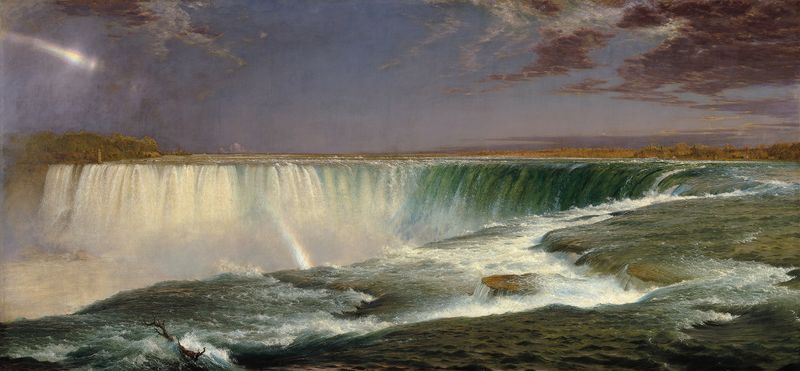
Niagara
Frederic Edwin Church
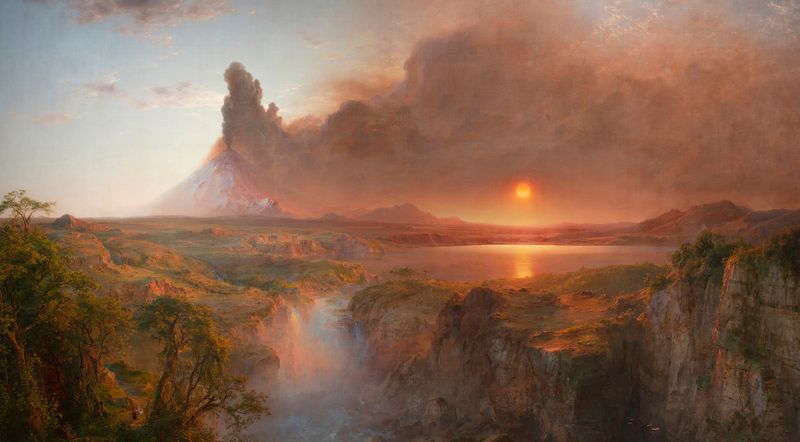
Cotopaxi
Frederic Edwin Church
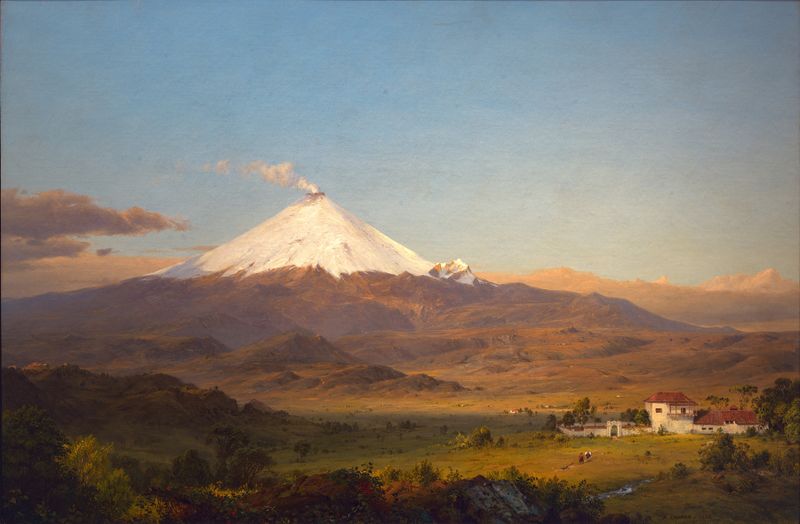
Cotopaxi
Frederic Edwin Church
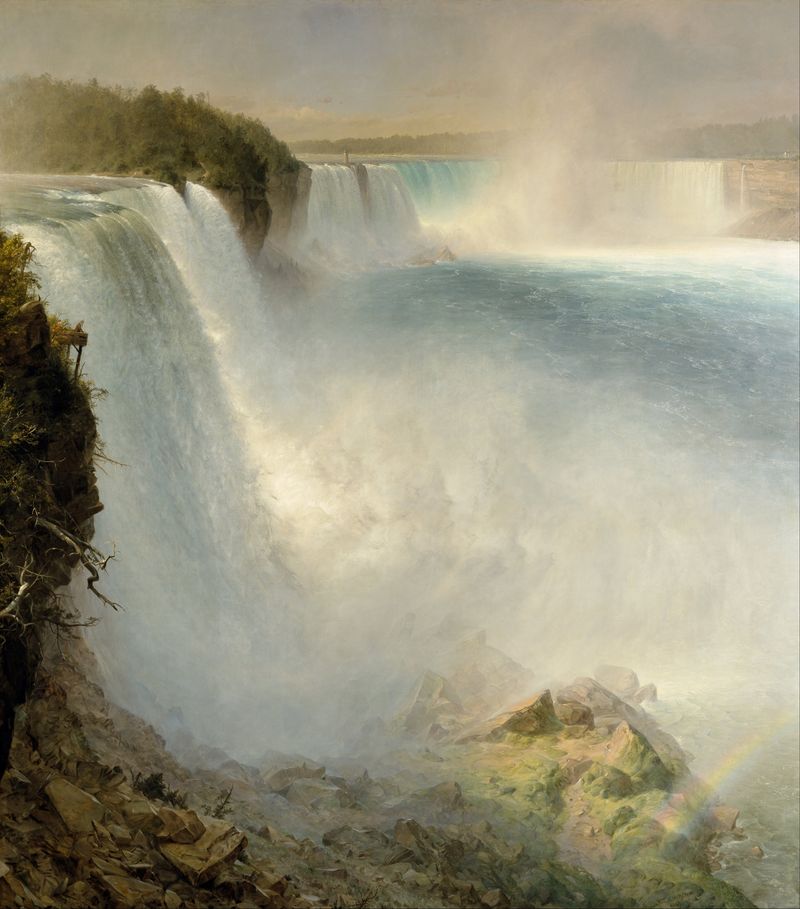
Niagara Falls, from the American Side
Frederic Edwin Church
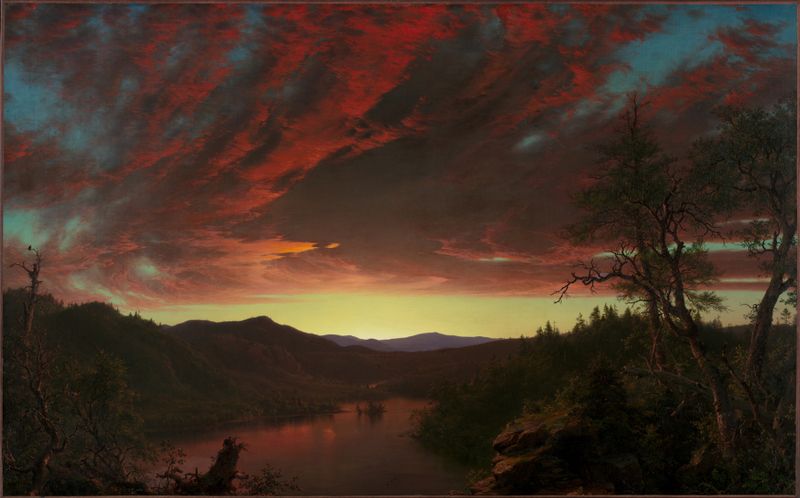
Twilight in the Wilderness
Frederic Edwin Church
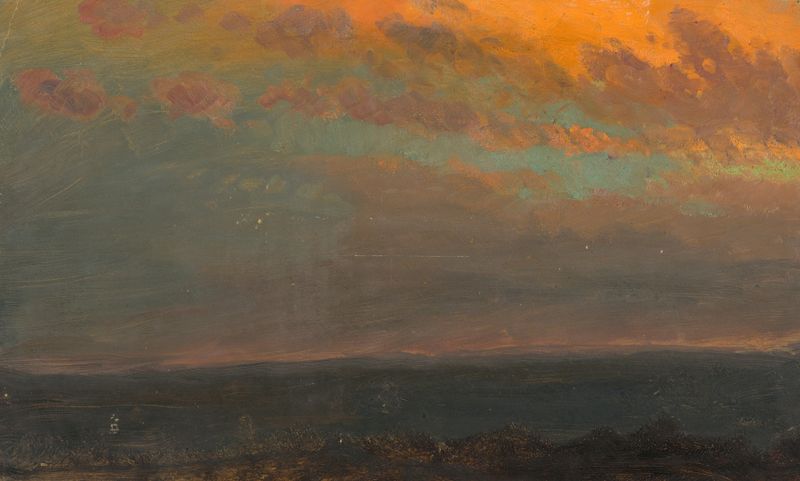
Hudson Valley at Sunset
Frederic Edwin Church
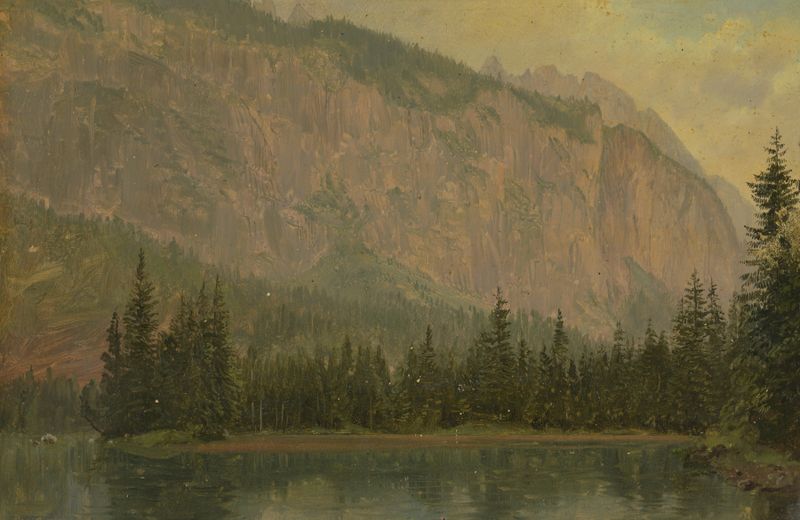
The Hintersee, near Berchtesgaden, Bavaria
Frederic Edwin Church
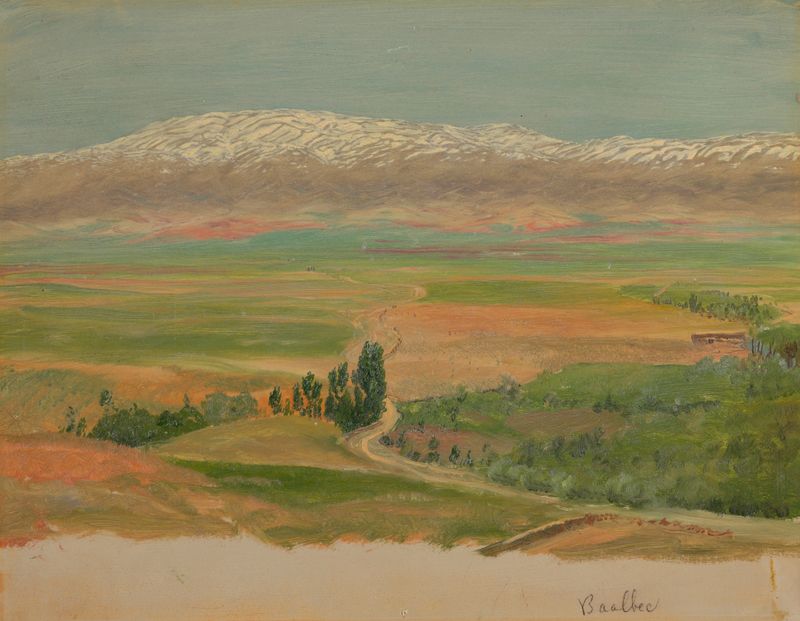
Mountains near Baalbec
Frederic Edwin Church
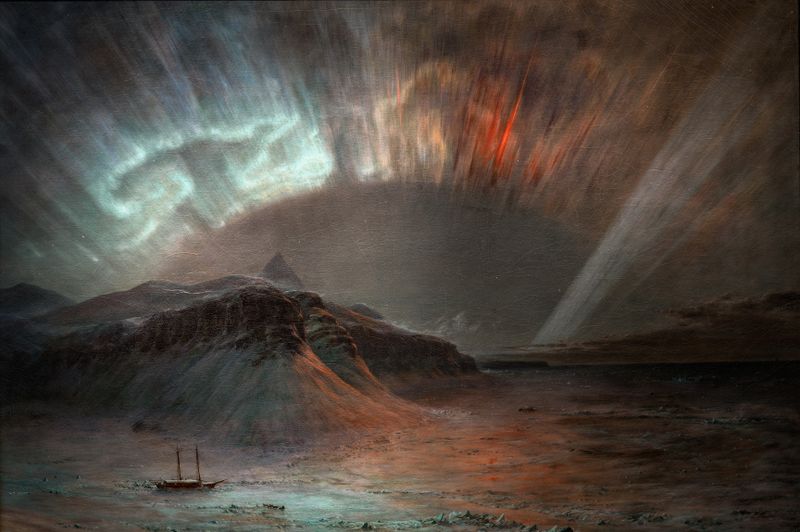
Aurora Borealis
Frederic Edwin Church
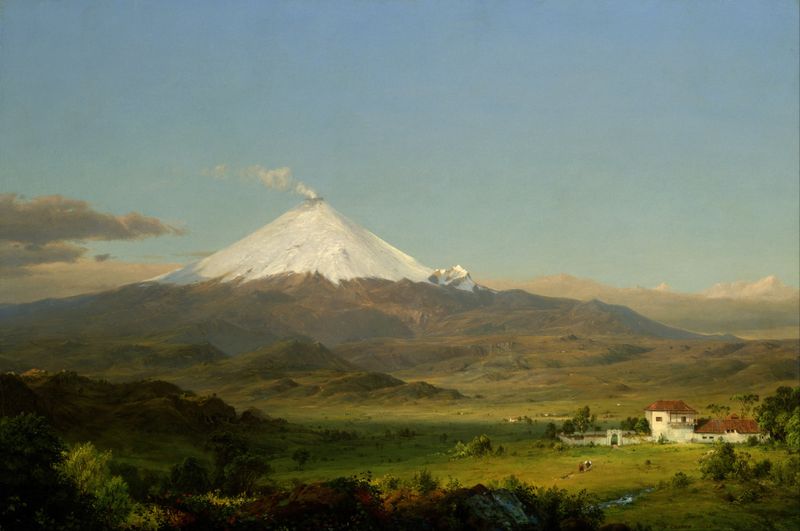
Cotopaxi
Frederic Edwin Church





