
New Inn — History & Facts
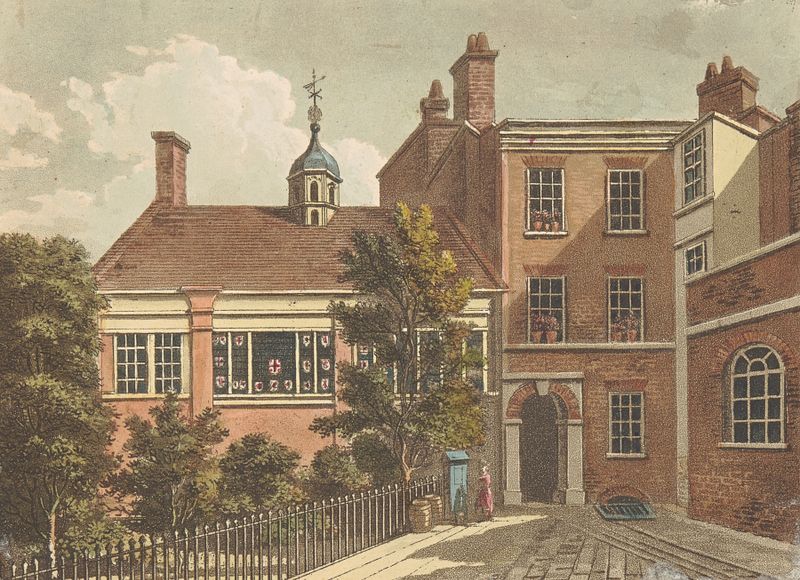
Can beauty exist without sorrow? In New Inn, the visual narrative intertwines joy and melancholy, inviting reflection on the layered complexities of life. Begin by examining the central structure, where the weathered inn stands resilient amidst a tranquil countryside. Look to the left at the delicate brushstrokes that evoke the clouds, their soft whites juxtaposed against the muted greens of the landscape. Shadows stretch gently, emphasizing a late afternoon light that bathes the scene in a warm, golden hue.
The composition leads the eye in a gentle arc from the inn to the distant hills, creating an inviting sense of depth and tranquility. However, beneath this serene facade lies a poignant tension. The inn, a symbol of respite, stands isolated—perhaps suggesting longing or loss. Notice the subtle details: a solitary figure at the entrance, whose posture hints at waiting or remembering, and the overgrown path that suggests abandonment.
These elements weave a narrative of grief, inviting contemplation on what was once vibrant but now feels untouched by time. In 1800, Samuel Ireland painted New Inn during a period of artistic transition in England, where Romanticism began to emerge, emphasizing emotion and the sublime aspects of nature. Ireland, who had a keen interest in the countryside and rustic scenes, sought to capture the beauty of rural life while reflecting the inherent sorrows that accompany human existence. This work stands as a testament to his ability to blend beauty with the depths of human experience.
More Artworks by Samuel Ireland
Browse all →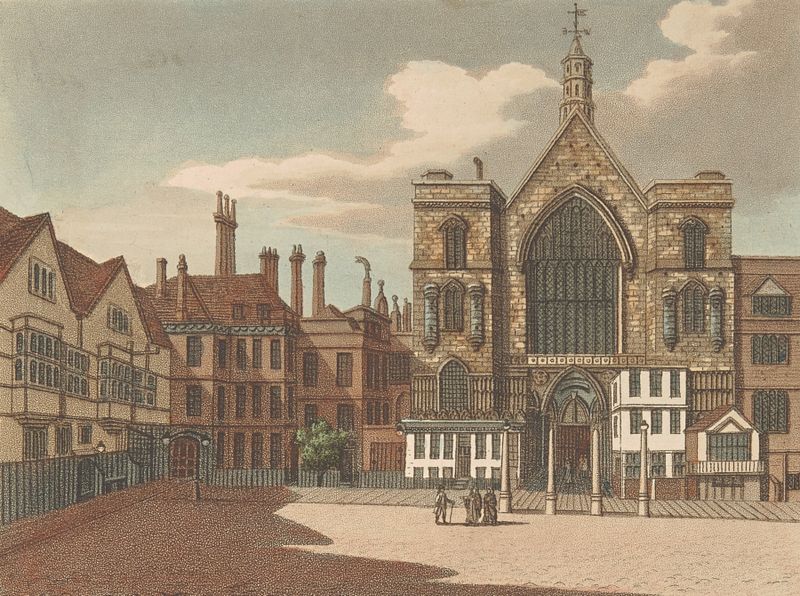
Westminster Hall
Samuel Ireland

Southwest View of Middle Temple
Samuel Ireland
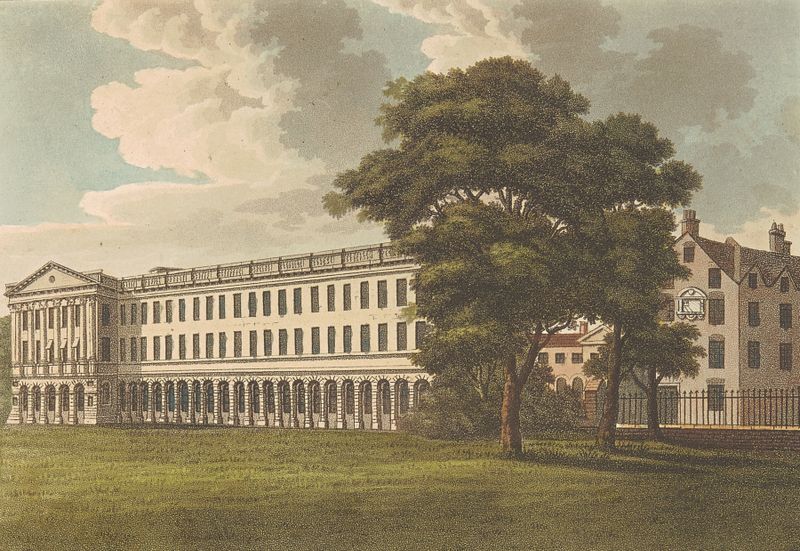
Stone Buildings, Lincoln’s Inn
Samuel Ireland
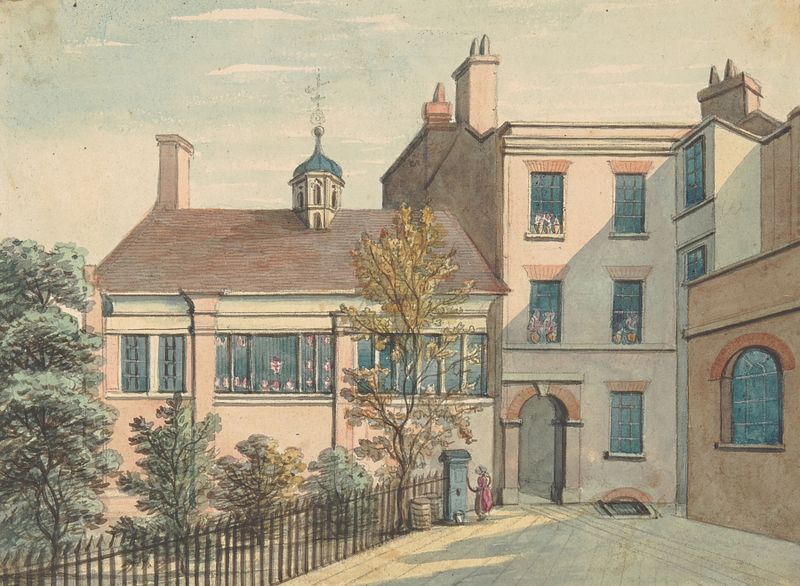
Barnard’s Inn
Samuel Ireland

Lincoln’s Inn Hall and Chapel
Samuel Ireland

Lion’s Inn
Samuel Ireland
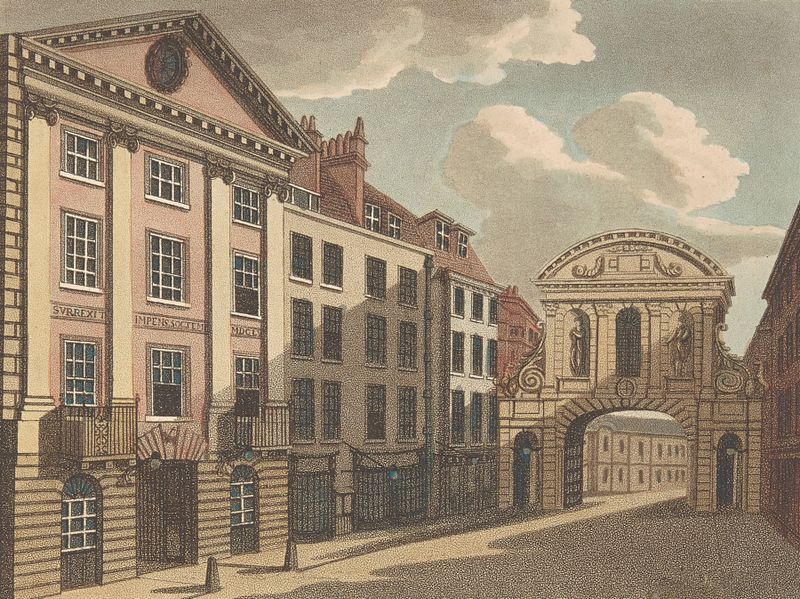
Middle Temple Gate
Samuel Ireland
Barnard’s Inn
Samuel Ireland

Westminster Hall
Samuel Ireland
Lincoln’s Inn Gate
Samuel Ireland





