
New York City I — History & Facts
In New York City I, Piet Mondrian presents a dynamic arrangement of geometric shapes and bold colors. The composition features a grid-like structure filled with primary colors, including red, blue, and yellow. Black lines create a sense of order amidst the vibrant chaos.
This work reflects the energy and rhythm of urban life in New York City. The painting is characterized by its use of oil on canvas, showcasing Mondrian's signature style of abstraction. The precise lines and flat color areas are meticulously applied, demonstrating his commitment to geometric purity. Viewers can observe how the balance of color and form creates a harmonious visual experience.
The work is approximately 90 x 90 cm in size, making it a striking piece in any collection. Piet Mondrian was a key figure in the development of abstract art, and New York City I represents his response to the modern urban environment. Created around 1941, this painting reflects his fascination with the rhythm and structure of city life. Interestingly, Mondrian's work evolved significantly after he moved to New York, where he was inspired by the city's dynamic energy.
This piece is now housed in the Guggenheim Museum, a fitting location for such an iconic work.
More Artworks by Piet Mondrian

Composition II in Red, Blue, and Yellow
Piet Mondrian

Composition with Yellow, Blue, Black and Light Blue
Piet Mondrian

Composition with Large Blue Plane, Red, Black, Yellow, and Gray
Piet Mondrian
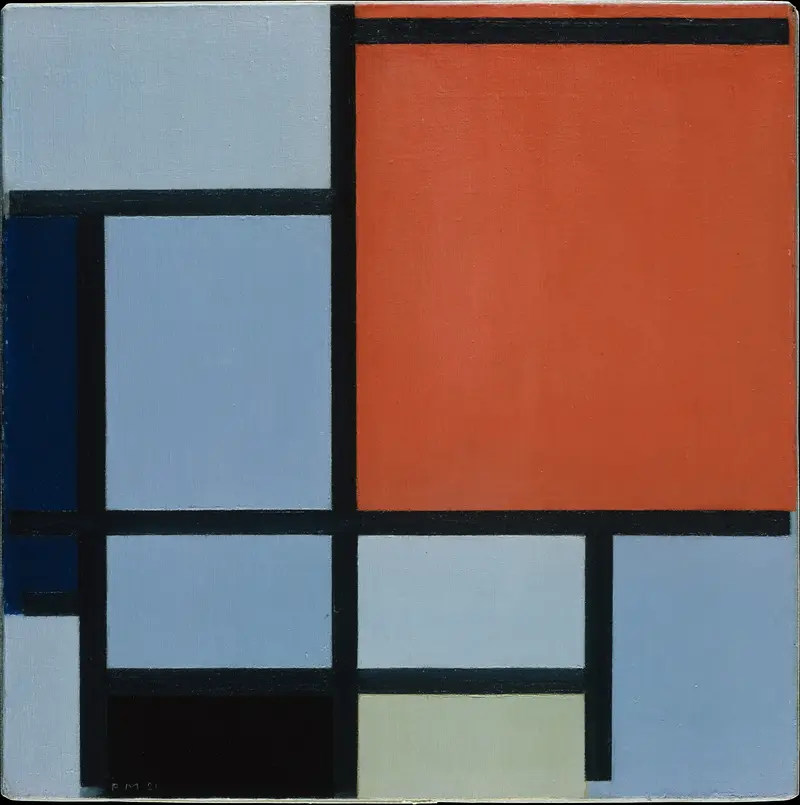
Composition
Piet Mondrian
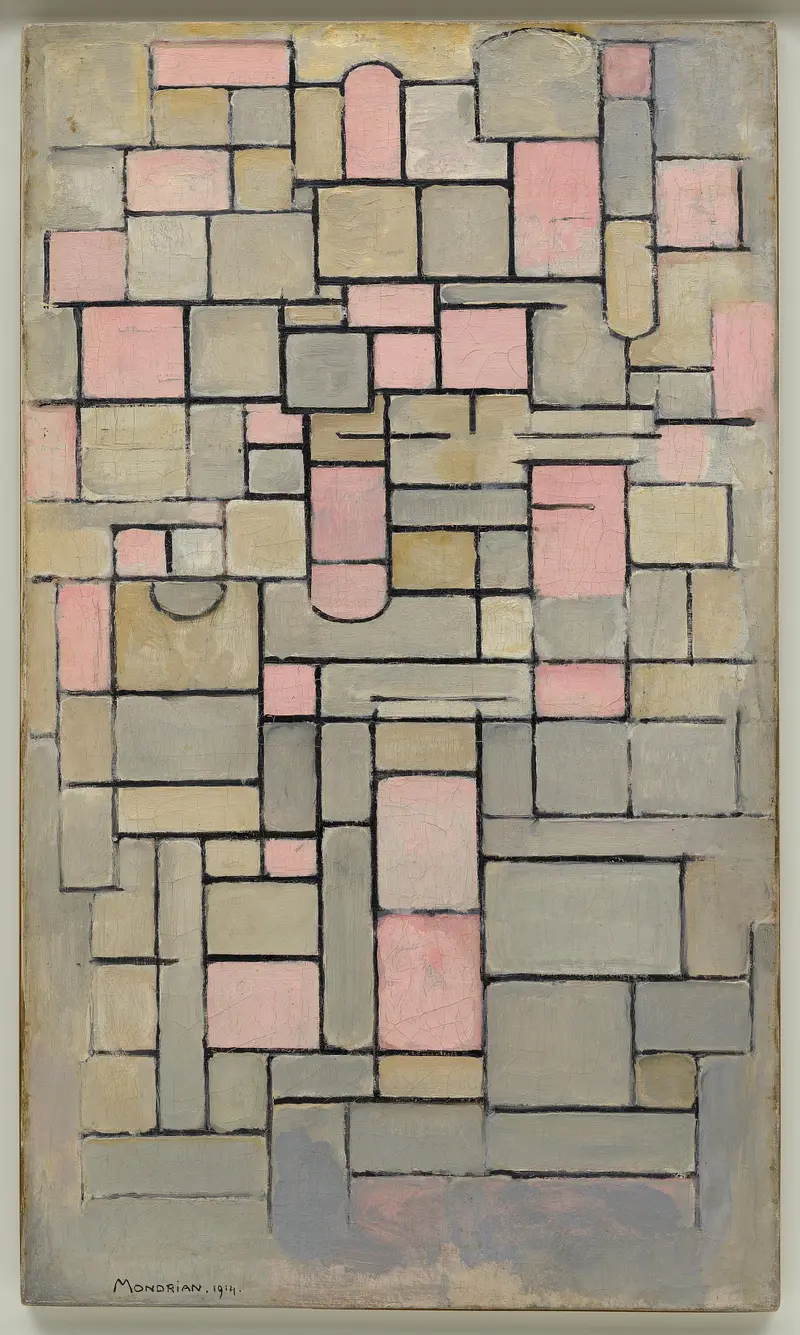
Composition 8
Piet Mondrian
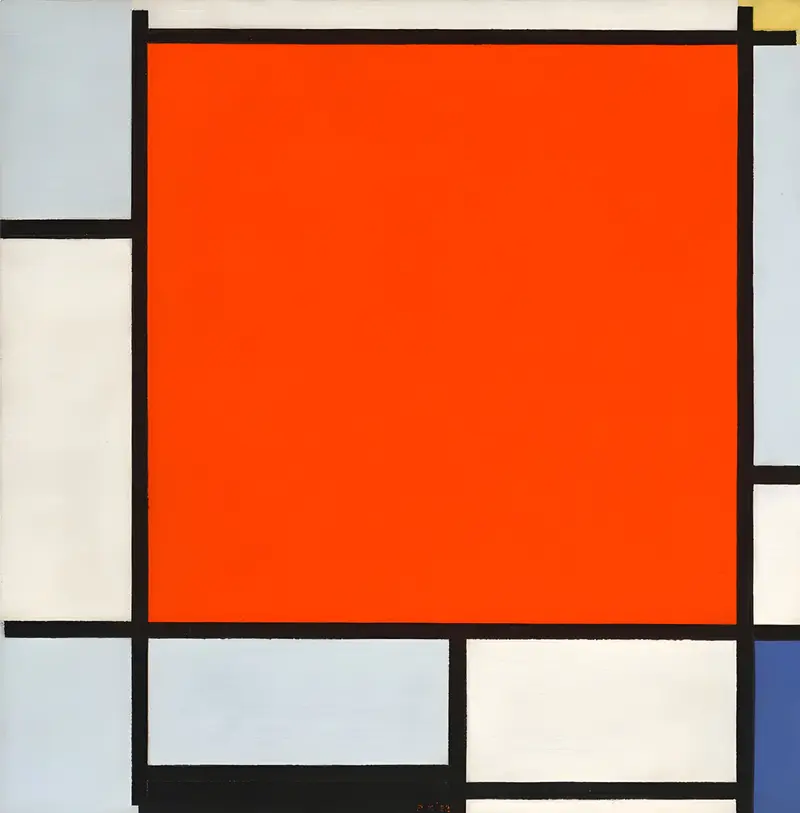
Composition with Large Red Plane, Bluish Gray, Yellow, Black and Blue
Piet Mondrian
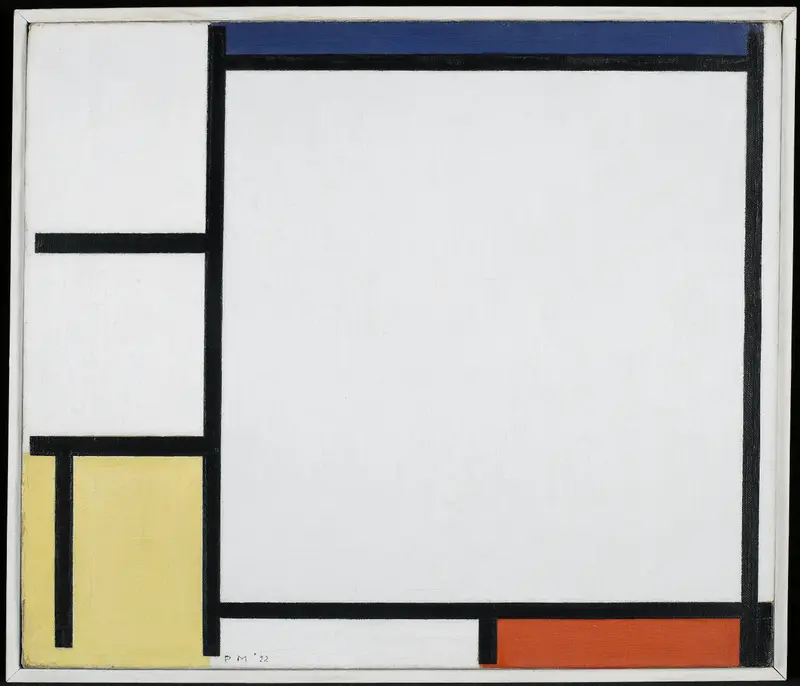
Composition with Blue, Red, Yellow, and Black
Piet Mondrian
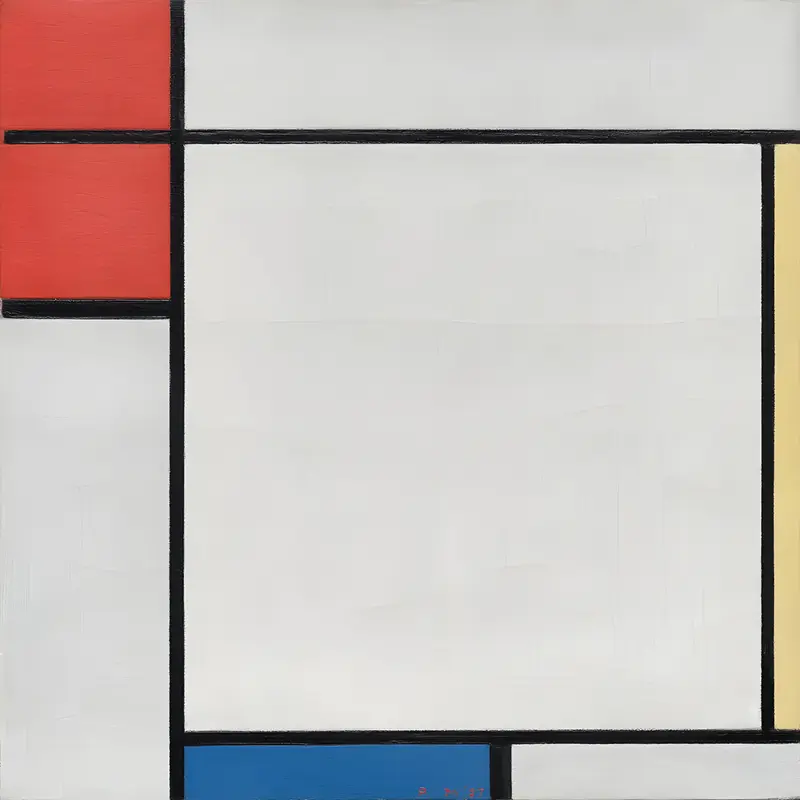
Composition with Red, Yellow, and Blue
Piet Mondrian
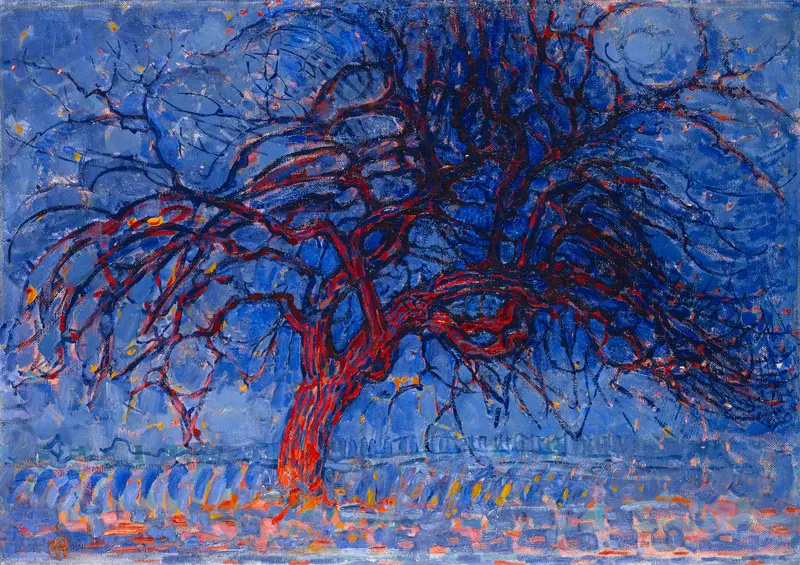
The Red Tree (Evening)
Piet Mondrian
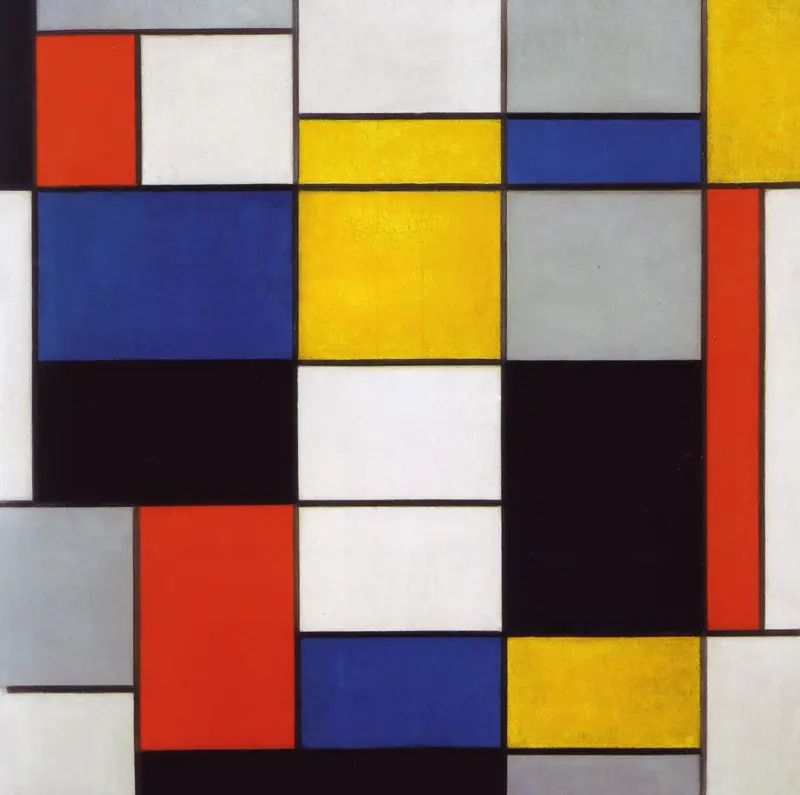
Composition A
Piet Mondrian




