
New Zealand Graphic and Descriptive. Plate 1. Government House, Wellington. — History & Facts
Innocence lies in the understanding of nature through the lens of human experience, as captured in the delicate intersection of architecture and landscape. Look to the center of the composition, where the grand Government House stands prominently, its structure a testament to colonial ambition. The artist employs a soft palette of greens and blues, harmonizing the building with the surrounding foliage. Pay attention to the intricate detailing of the façade, where each line and shadow breathes life into the rigid formality of brick and timber, inviting the viewer to survey the tranquil scene. Yet, beyond the elegance of architecture lies an undercurrent of tension.
The lush gardens enveloping the house speak to natural beauty, but they also serve as a reminder of the land’s deeper histories and the innocence lost through colonization. Notice how the serene sky contrasts with the imposing structure, suggesting a fragile balance between the grandeur of human achievement and the quiet resilience of nature. Every stroke conveys a narrative of coexistence, revealing the complexities often overshadowed by aesthetic beauty. In 1877, the artist painted this work during a transformative period in New Zealand, which was resonating with the effects of European settlement.
Barraud, a prominent figure in the colonial art scene, was capturing a moment of burgeoning identity amidst the rapid changes around him. This piece reflects not just the physical landscape, but also the cultural dialogue of an era in which the tension between natural innocence and colonial aspirations was just beginning to unfold.
More Artworks by Charles Decimus Barraud
Browse all →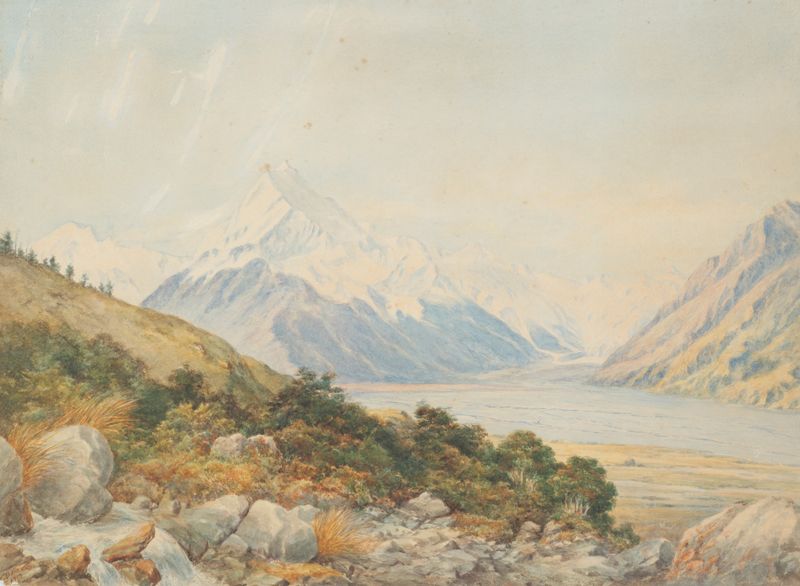
Mt. Cook from Tasman Valley
Charles Decimus Barraud
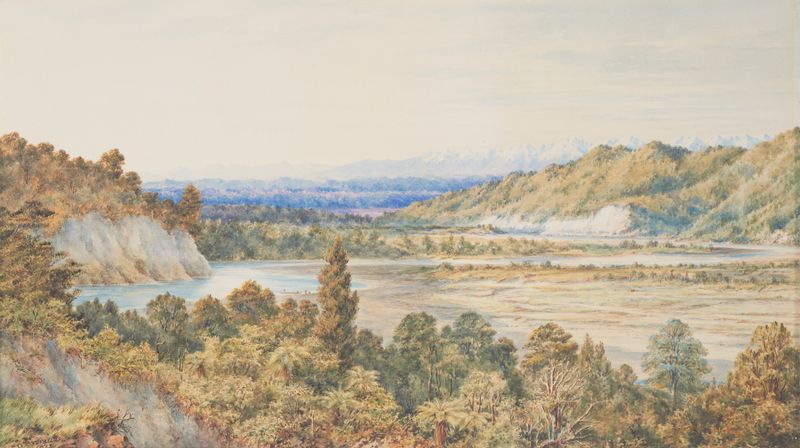
The Manawatu
Charles Decimus Barraud
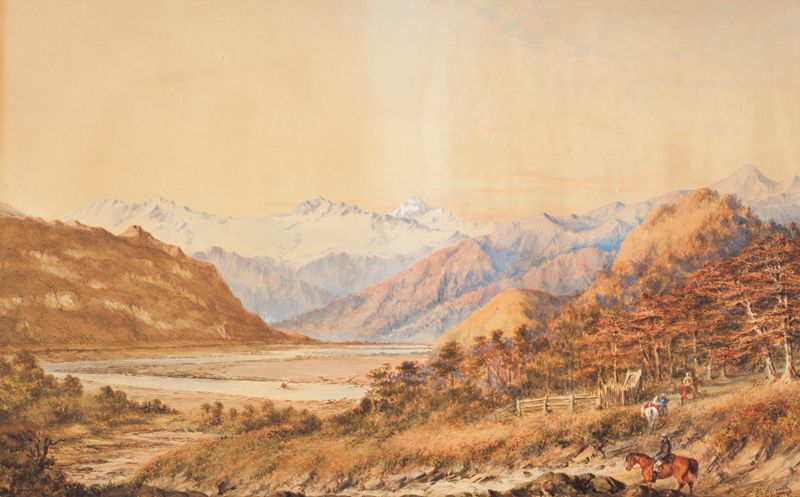
View of Mt. Aspiring, Province of Otago, looking north up the Valley of Matekitiki River from Dr Hector’s camp of 1863
Charles Decimus Barraud
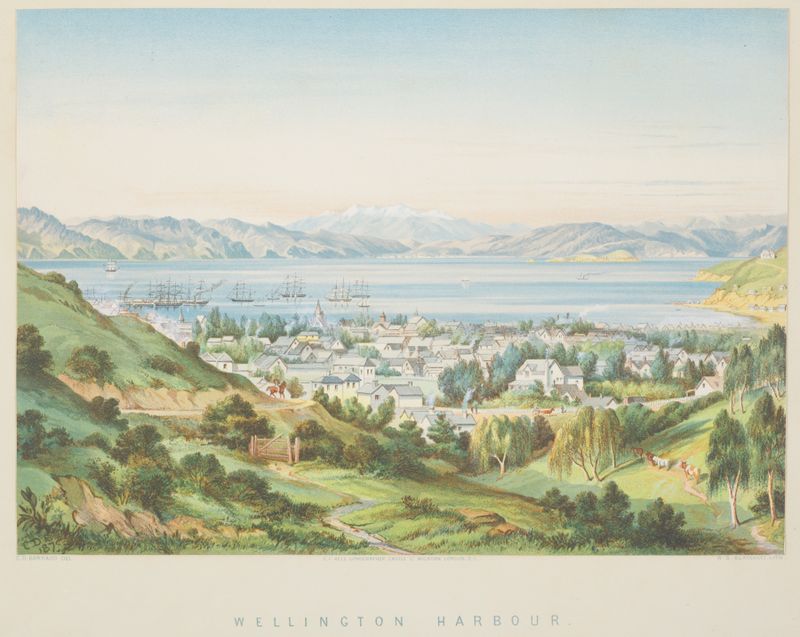
New Zealand Graphic and Descriptive. Wellington Harbour.
Charles Decimus Barraud
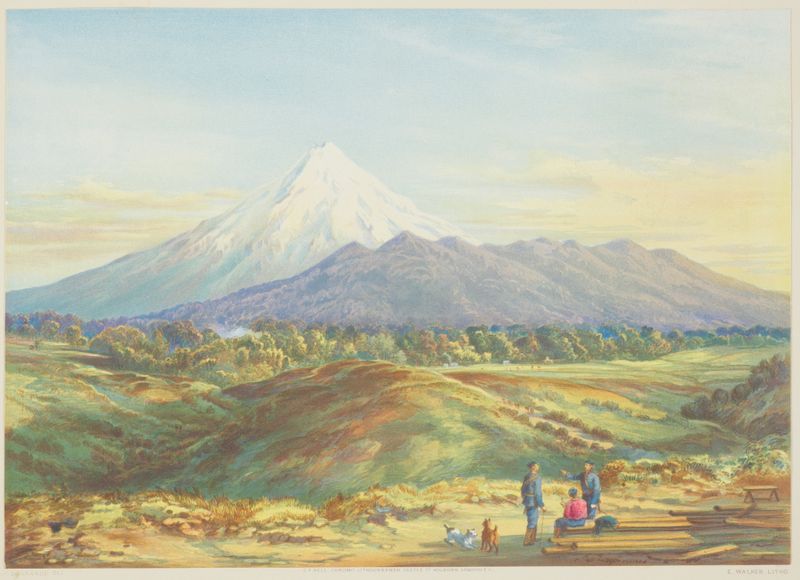
New Zealand Graphic and Descriptive. Mt Egmont.
Charles Decimus Barraud
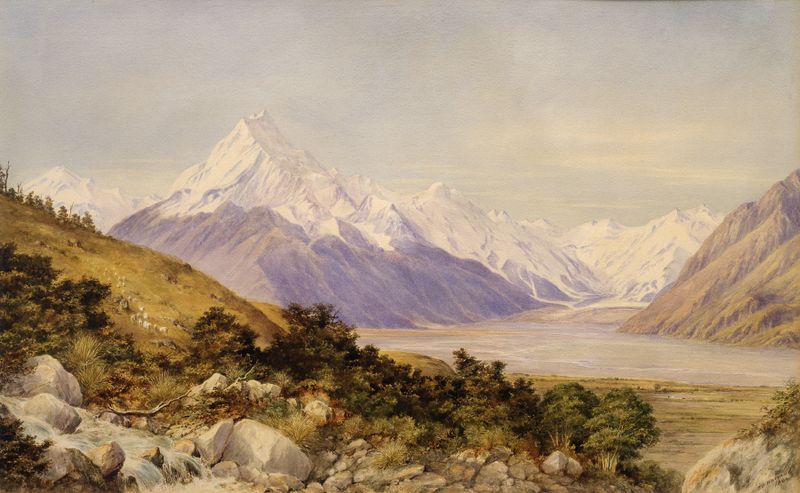
Mt. Cook
Charles Decimus Barraud
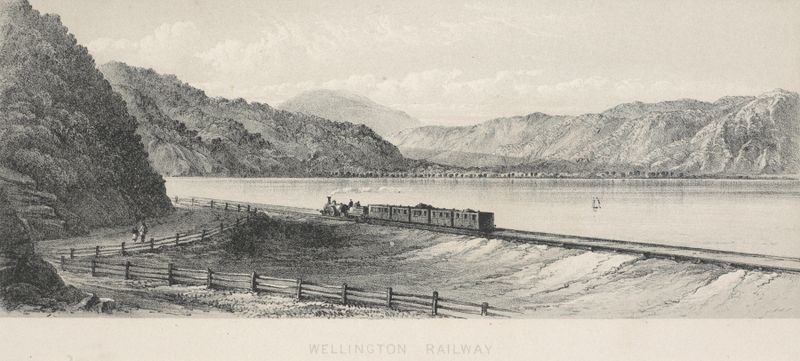
New Zealand Graphic and Descriptive. Plate I. Wellington Railway
Charles Decimus Barraud
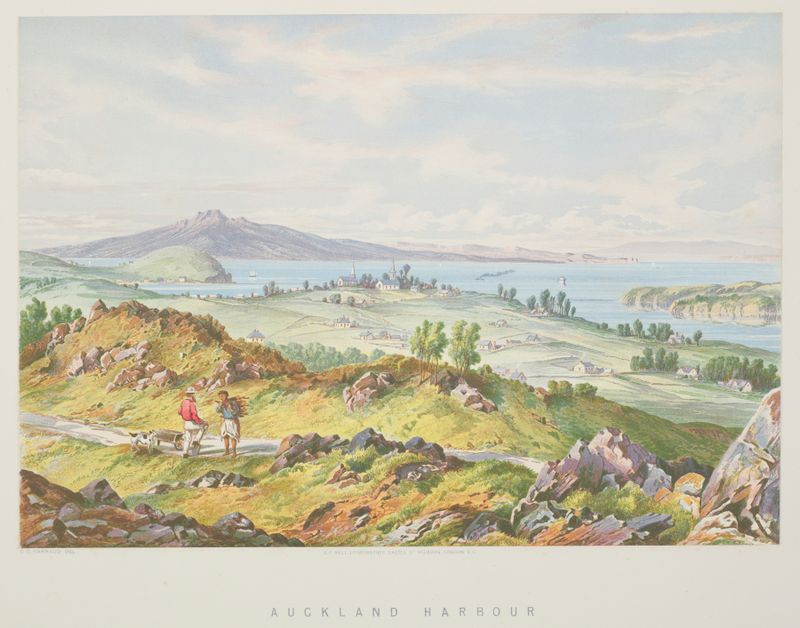
New Zealand Graphic and Descriptive. Auckland Harbour
Charles Decimus Barraud
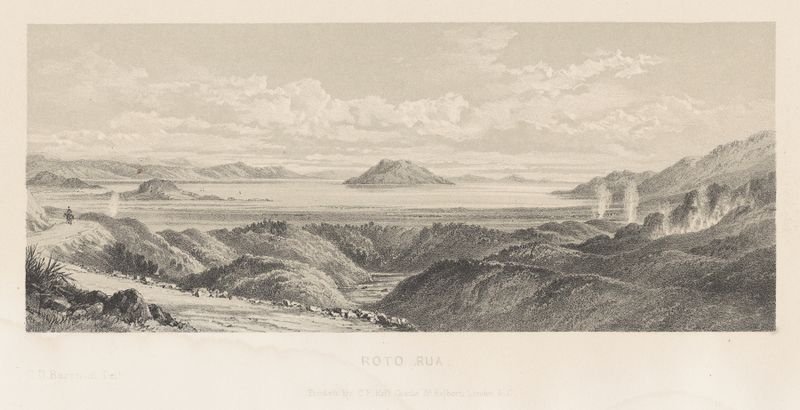
New Zealand Graphic and Descriptive. Plate III. Roto-rua
Charles Decimus Barraud
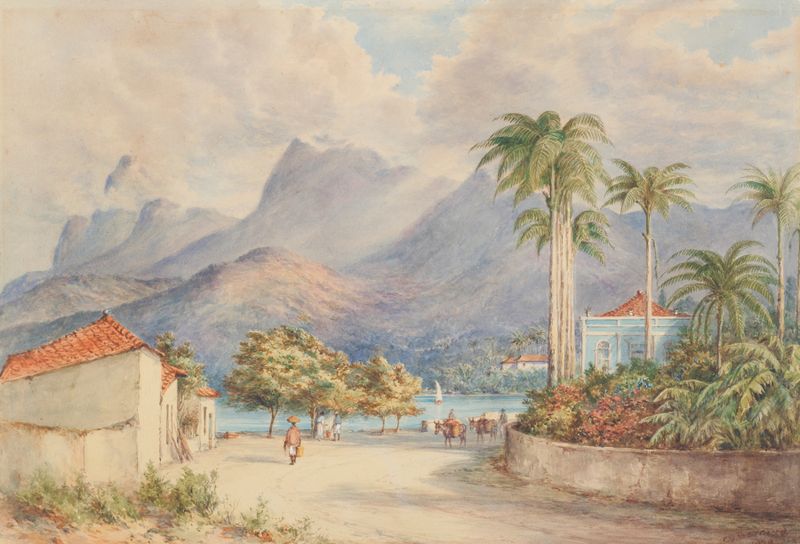
Rio de Janeiro
Charles Decimus Barraud
More Architecture Art
Browse all →
The statue of Liberty
Frédéric Auguste Bartholdi

View of Houses in Delft, Known as ‘The Little Street’
Johannes Vermeer

View of Houses in Delft, Known as ‘The Little Street’
Johannes Vermeer

The Cathedral in Rouen. The portal, Grey Weather
Claude Monet

The yellow house
Vincent van Gogh

The Church in Auvers-sur-Oise, View from the Chevet
Vincent van Gogh