
New Zealand Graphic and Descriptive. Plate I. Horowhenua Lake. — History & Facts
Who listens when art speaks of silence? In the stillness of New Zealand Graphic and Descriptive. Plate I. Horowhenua Lake, one finds a canvas alive with the whispers of transformation, capturing nature's quiet yet profound dialogue. Look to the foreground, where the glassy surface of Horowhenua Lake reflects a dreamlike panorama of lush vegetation and distant hills.
The delicate strokes and muted colors evoke a sense of serenity, while the meticulous attention to detail in the flora invites your gaze deeper into the composition. Notice how the gentle interplay of light and shadow creates a harmonious balance, drawing your eye across the tranquil scene and inviting contemplation. Yet beneath this calm exterior lies a tension between the untouched beauty of nature and the encroaching presence of human influence. The juxtaposition of vibrant greenery against the pale sky hints at change—an inevitable transformation that nature cannot escape.
Each brushstroke serves as a reminder of the fleeting moments of serenity in a world constantly shifting, asking us to reflect on what is lost and what remains. In 1877, Charles Decimus Barraud was immersed in the burgeoning art scene of New Zealand, capturing the landscapes that defined the nation's identity. His works emerged during a period of rapid change, where the colonization of New Zealand was transforming the land and its cultures. Barraud's dedication to portraying the natural beauty of his surroundings was not just artistic; it was an assertion of identity amidst the shifting tides of history.
More Artworks by Charles Decimus Barraud
Browse all →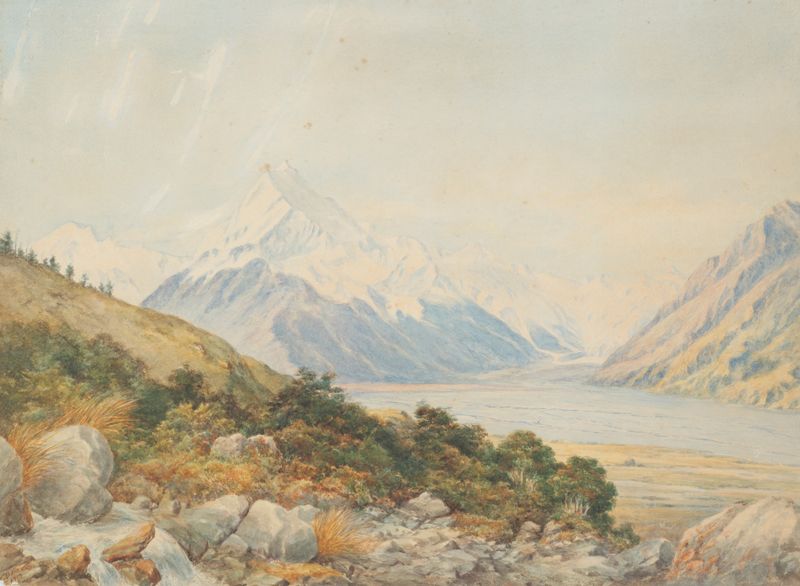
Mt. Cook from Tasman Valley
Charles Decimus Barraud
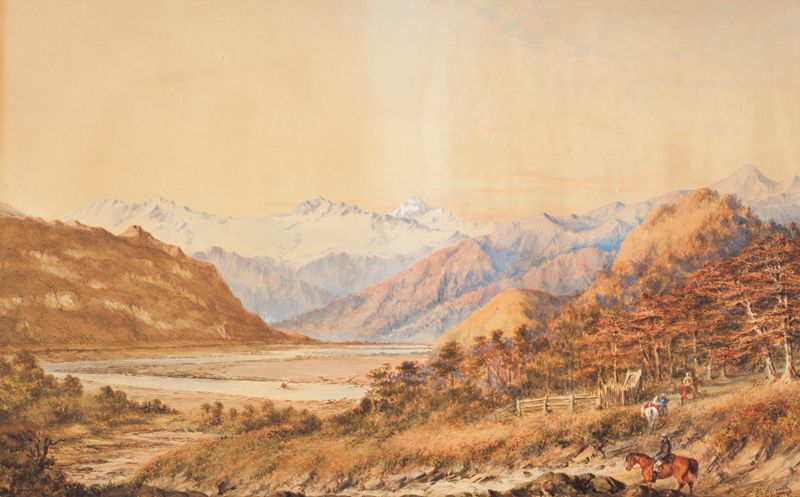
View of Mt. Aspiring, Province of Otago, looking north up the Valley of Matekitiki River from Dr Hector’s camp of 1863
Charles Decimus Barraud
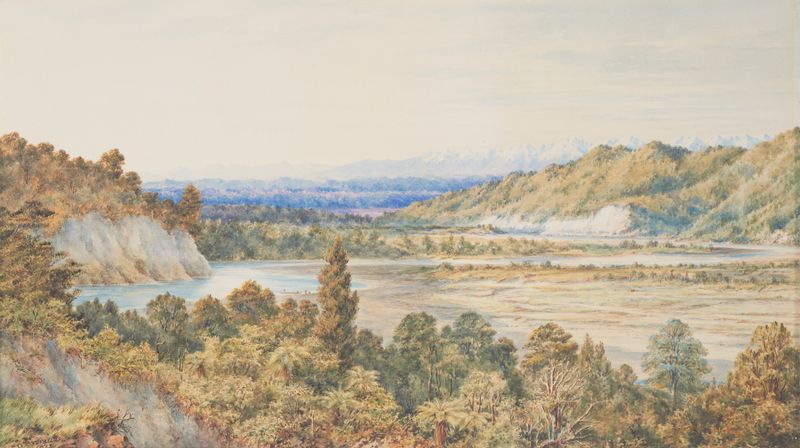
The Manawatu
Charles Decimus Barraud
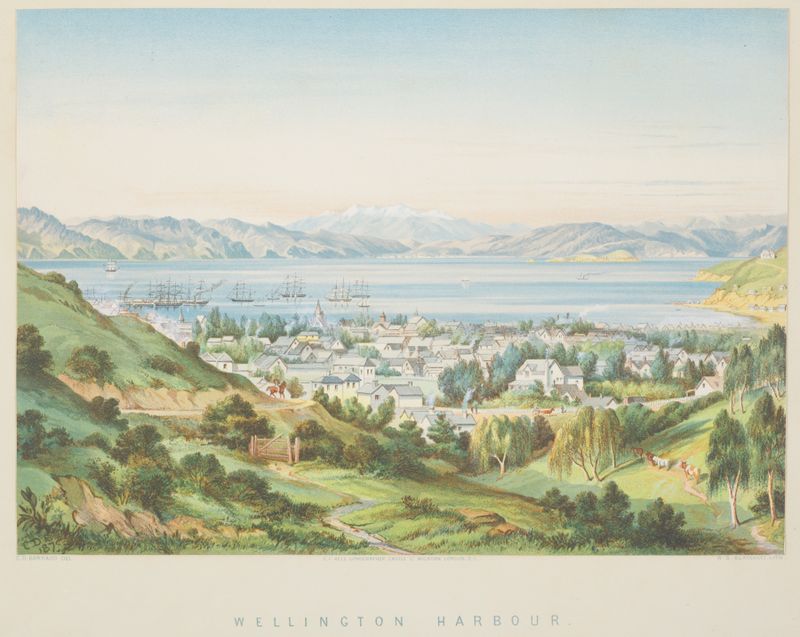
New Zealand Graphic and Descriptive. Wellington Harbour.
Charles Decimus Barraud
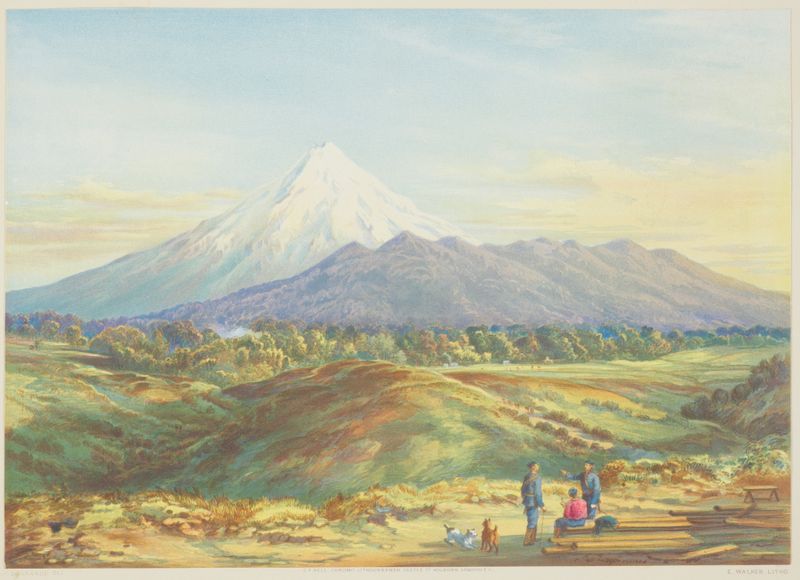
New Zealand Graphic and Descriptive. Mt Egmont.
Charles Decimus Barraud
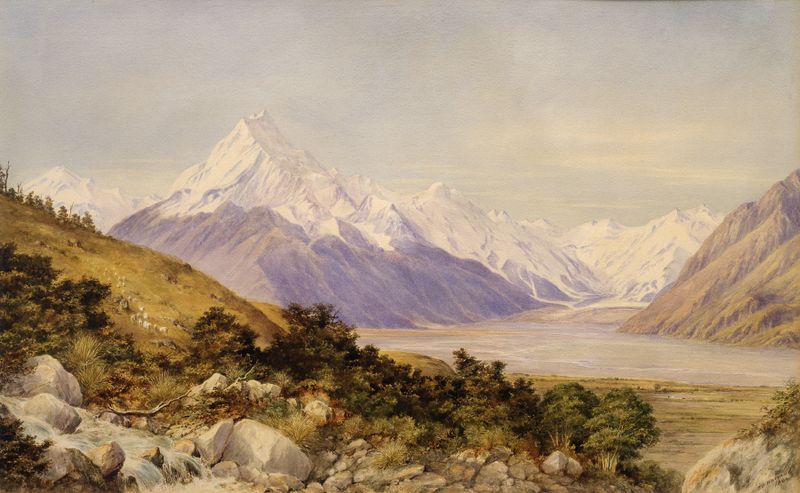
Mt. Cook
Charles Decimus Barraud
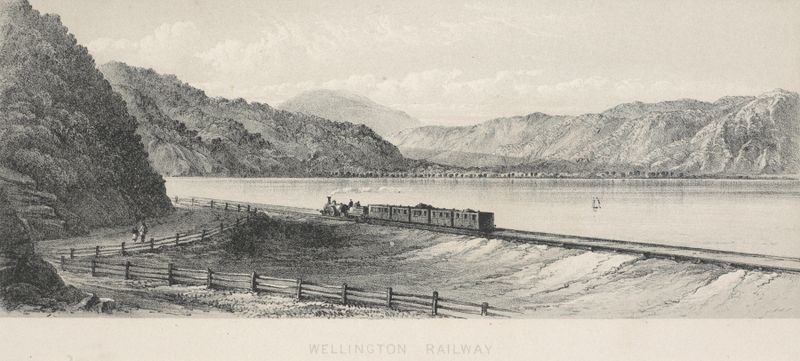
New Zealand Graphic and Descriptive. Plate I. Wellington Railway
Charles Decimus Barraud
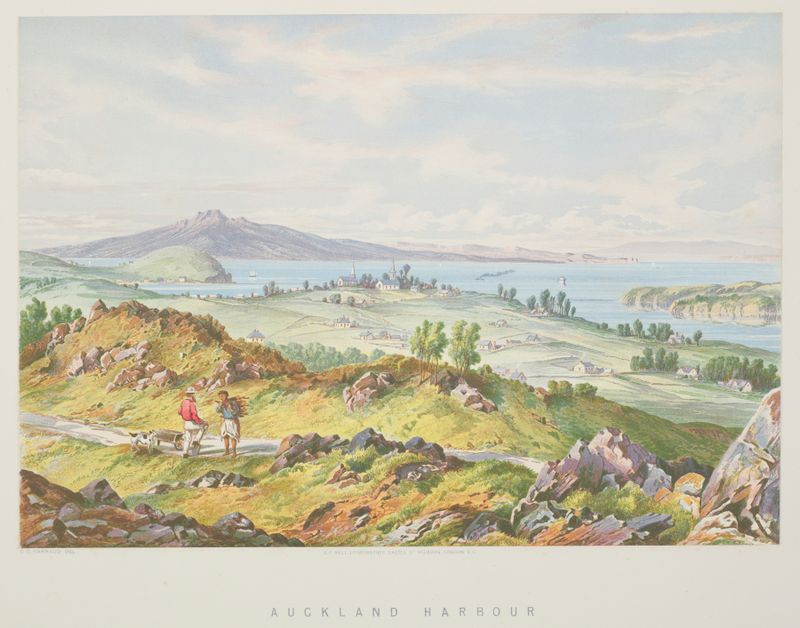
New Zealand Graphic and Descriptive. Auckland Harbour
Charles Decimus Barraud
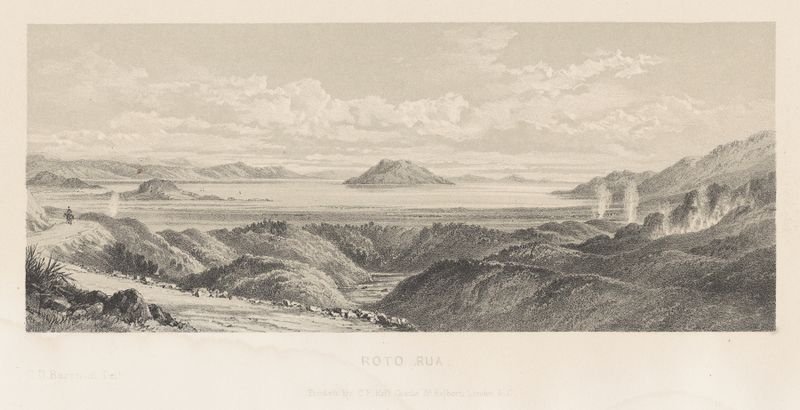
New Zealand Graphic and Descriptive. Plate III. Roto-rua
Charles Decimus Barraud
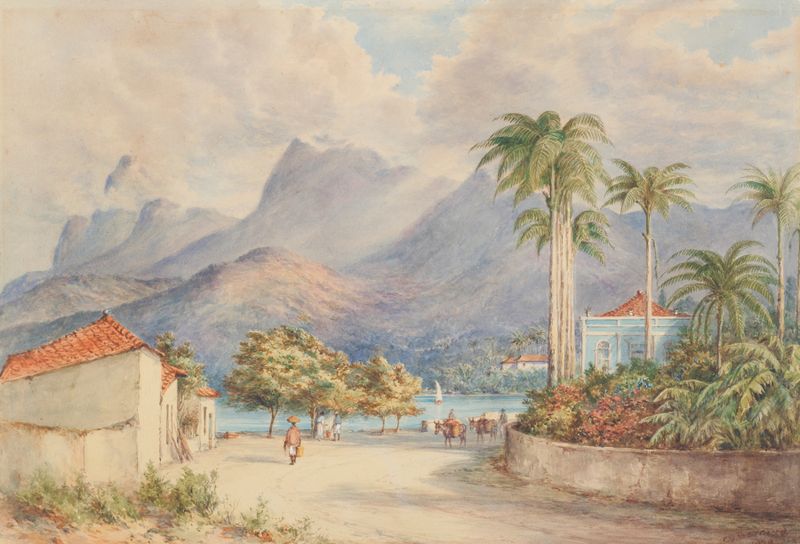
Rio de Janeiro
Charles Decimus Barraud





