
New Zealand Graphic and Descriptive. Plate I. Whanganui River — History & Facts
What stories linger beneath the tranquil surface of a river? The landscape hides a history marked by conflict, beauty, and the haunting echoes of nature's violence. Focus first on the serene flow of the Whanganui River, which winds gracefully through the canvas, drawing the eye into its depths. Notice how Barraud captures the delicate interplay of light and shadow upon the water's surface, each ripple a testament to the life that thrums beneath. The lush greenery on either bank stands in stark contrast to the muted tones of the river, emphasizing the vitality of the scene while hinting at the untamed forces that shaped this land. As you explore further, consider the figures near the riverbank, their presence intimate yet fleeting.
They are not merely observers but witnesses to the landscape's dual nature—a serene beauty interwoven with the tension of its historical violence. The positioning of trees, their gnarled branches reaching toward the sky, suggests resilience amidst turmoil—a silent reminder of the struggles that have unfolded in this sacred space. In 1877, Barraud painted this scene while living in New Zealand, a time when the country was undergoing significant changes. The impact of European colonization was palpable, with tensions rising between indigenous populations and settlers.
This artwork reflects not only the breathtaking scenery of the Whanganui River but also the complex narratives of a land steeped in both natural beauty and human conflict.
More Artworks by Charles Decimus Barraud
Browse all →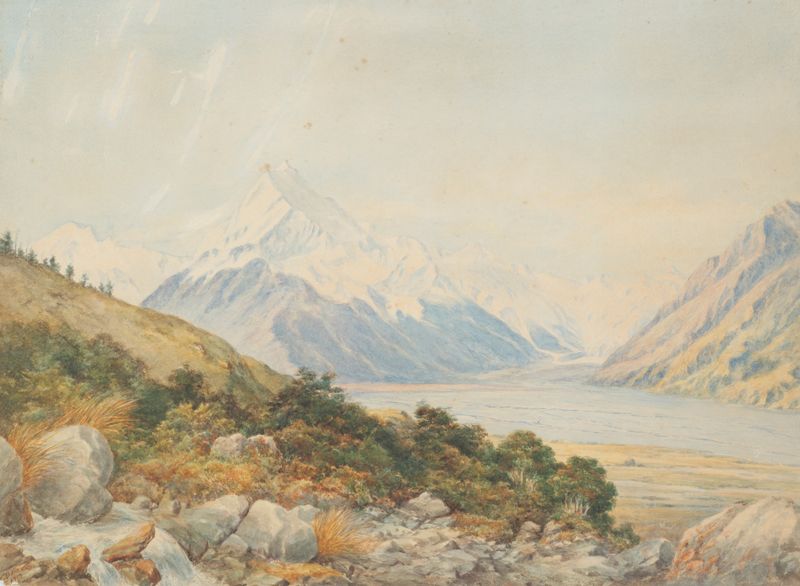
Mt. Cook from Tasman Valley
Charles Decimus Barraud
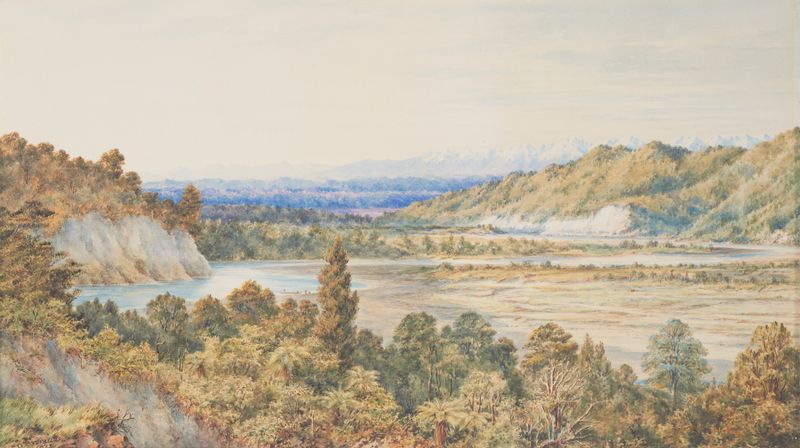
The Manawatu
Charles Decimus Barraud
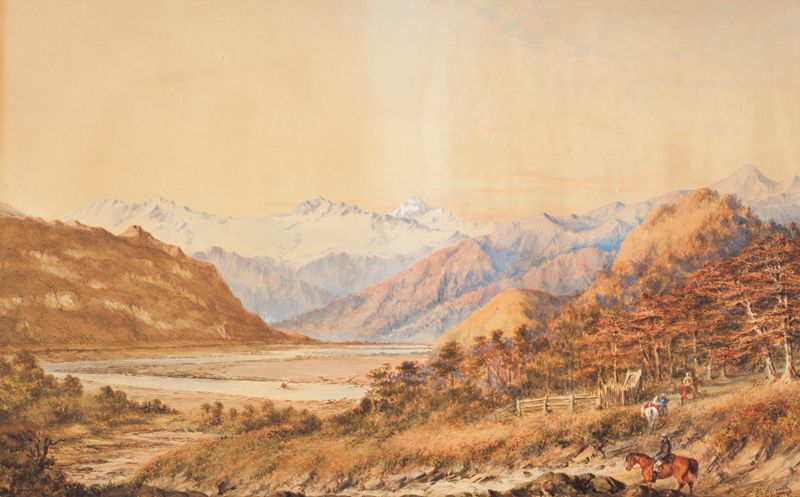
View of Mt. Aspiring, Province of Otago, looking north up the Valley of Matekitiki River from Dr Hector’s camp of 1863
Charles Decimus Barraud
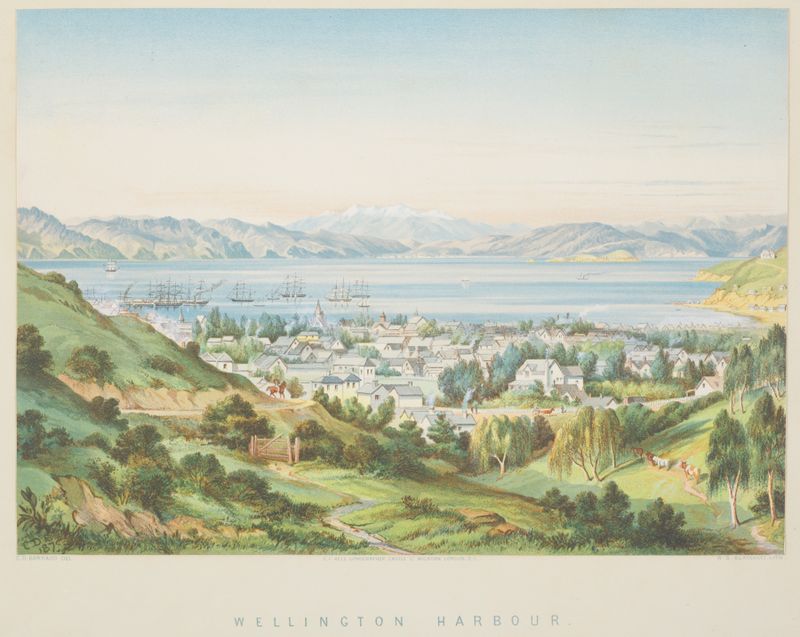
New Zealand Graphic and Descriptive. Wellington Harbour.
Charles Decimus Barraud
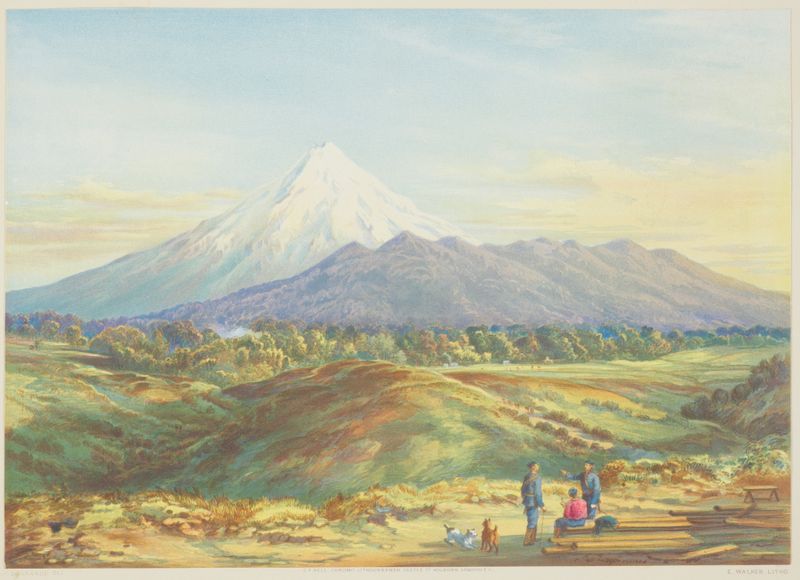
New Zealand Graphic and Descriptive. Mt Egmont.
Charles Decimus Barraud
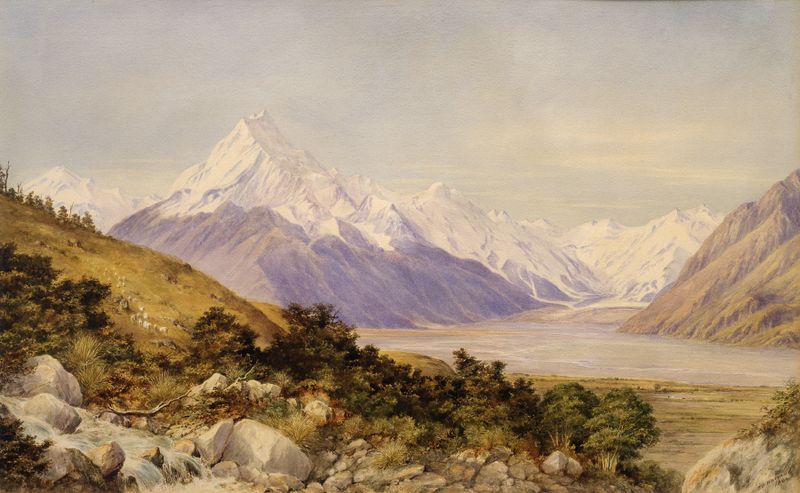
Mt. Cook
Charles Decimus Barraud
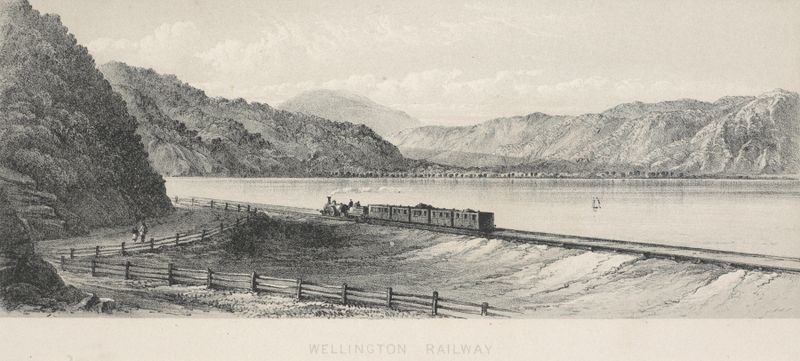
New Zealand Graphic and Descriptive. Plate I. Wellington Railway
Charles Decimus Barraud
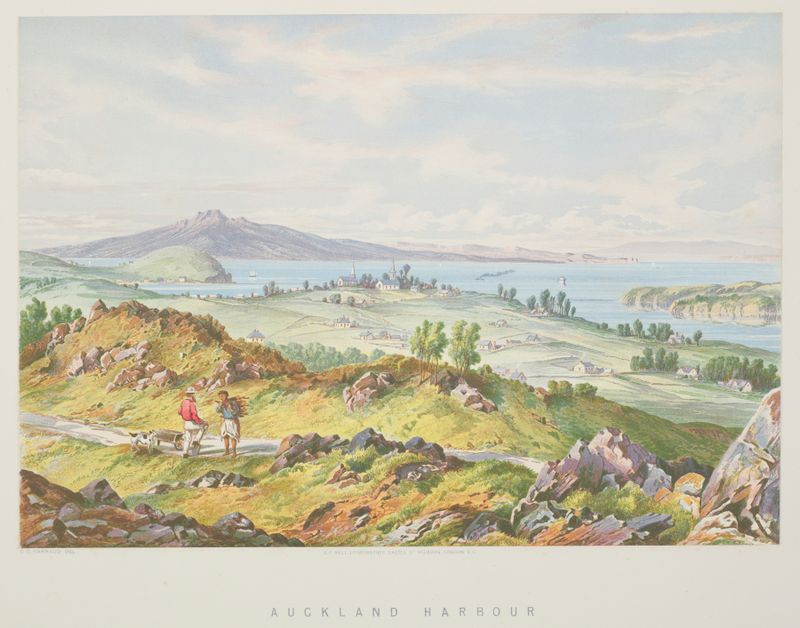
New Zealand Graphic and Descriptive. Auckland Harbour
Charles Decimus Barraud
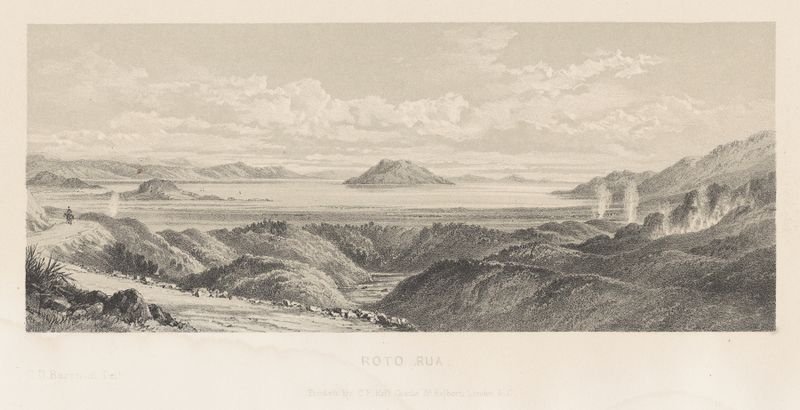
New Zealand Graphic and Descriptive. Plate III. Roto-rua
Charles Decimus Barraud
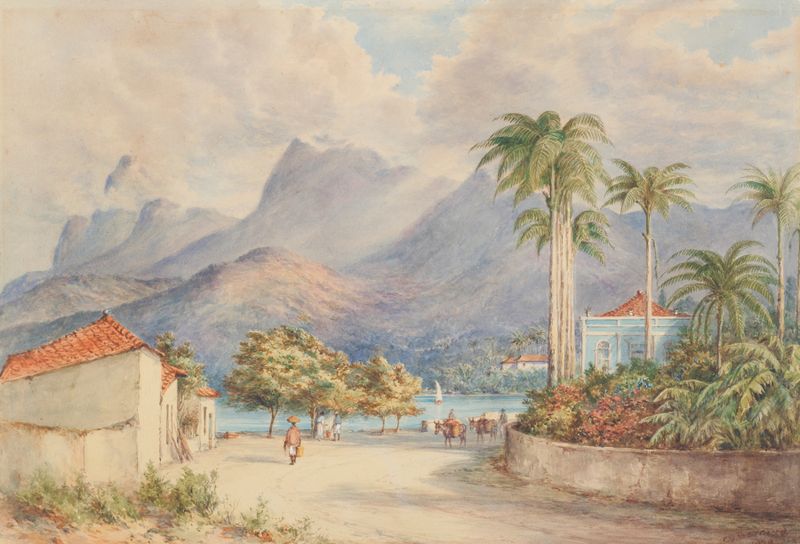
Rio de Janeiro
Charles Decimus Barraud





