
New Zealand Graphic and Descriptive. Plate III. Coromandel Harbour — History & Facts
Could beauty survive in a century of chaos? In the delicate balance of nature and human endeavor, dreams of tranquility persist against the tumult of reality. Look to the horizon where the gentle curves of the land embrace a serene harbor, framed by soft, rolling hills. The tranquil blues and greens intertwine, inviting you to explore the lush vegetation spilling into the water. Notice how the light plays across the surface of the bay, creating a shimmering pathway that leads your gaze deeper into the landscape, an enticing invitation to wander into its peaceful embrace. Yet, beneath the surface charm lies a tension between the idyllic and the untamed.
The rocky outcrops stand steadfast against the soft waves, symbols of resilience amidst change. The quiet boats, mere whispers on the water, evoke the dreams of exploration and the human spirit’s yearning for discovery. Every brushstroke captures the essence of a world that exists in a fragile equilibrium, where beauty coexists with the forces of nature and the uncertainty of human impact. In 1877, Barraud was entrenched in the artistic movement that sought to capture the unique landscapes of New Zealand, a time when the country was experiencing rapid change due to colonization.
Living in a land of breathtaking vistas, he painted Coromandel Harbour during a period of both wonder and upheaval, reflecting a nation grappling with its identity while still preserving the ethereal beauty that captivated the hearts of those who beheld it.
More Artworks by Charles Decimus Barraud
Browse all →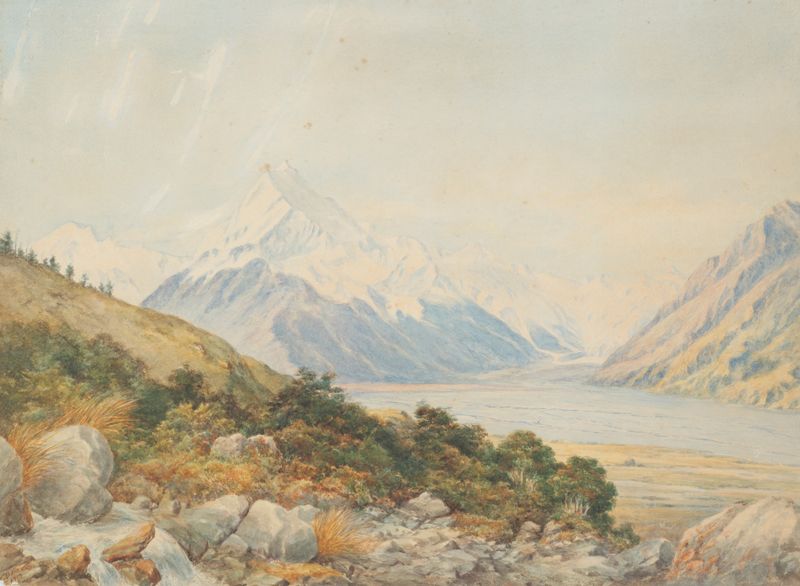
Mt. Cook from Tasman Valley
Charles Decimus Barraud
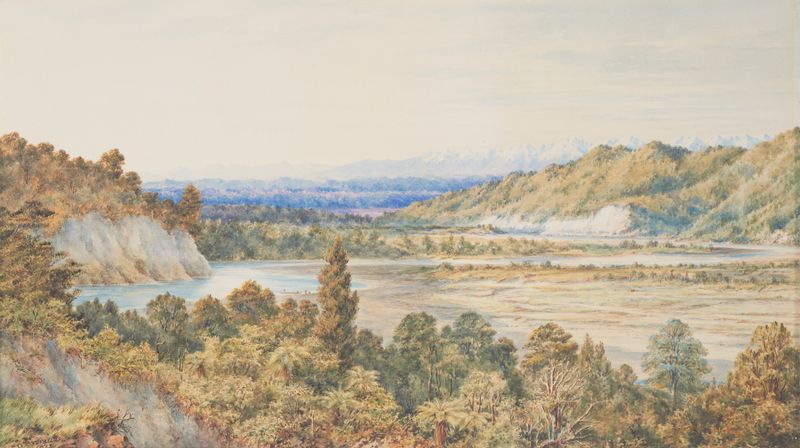
The Manawatu
Charles Decimus Barraud
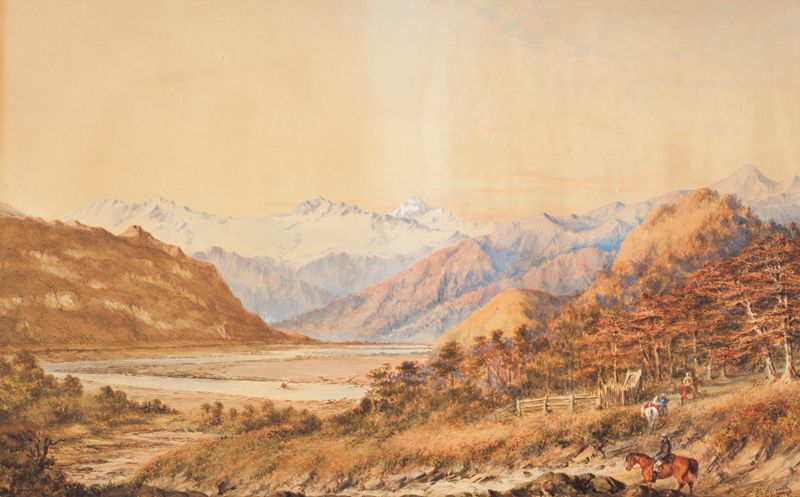
View of Mt. Aspiring, Province of Otago, looking north up the Valley of Matekitiki River from Dr Hector’s camp of 1863
Charles Decimus Barraud
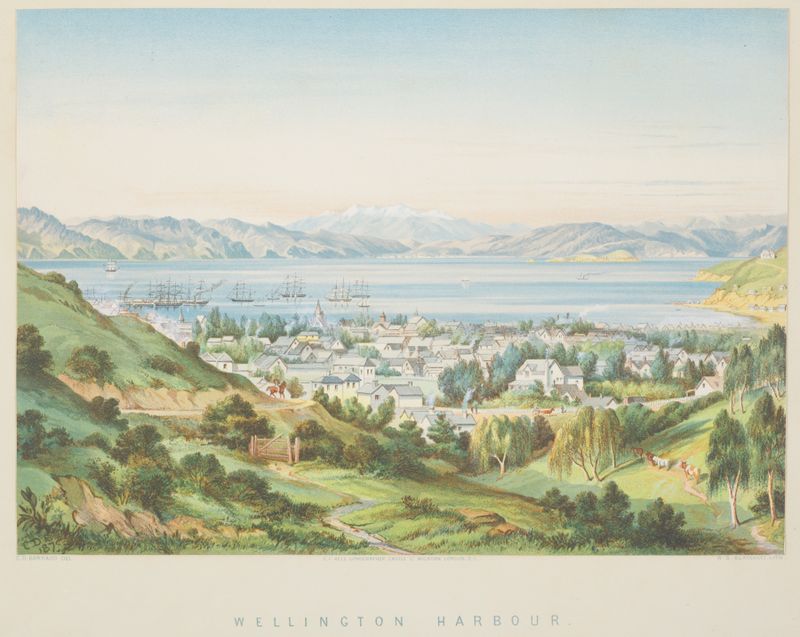
New Zealand Graphic and Descriptive. Wellington Harbour.
Charles Decimus Barraud
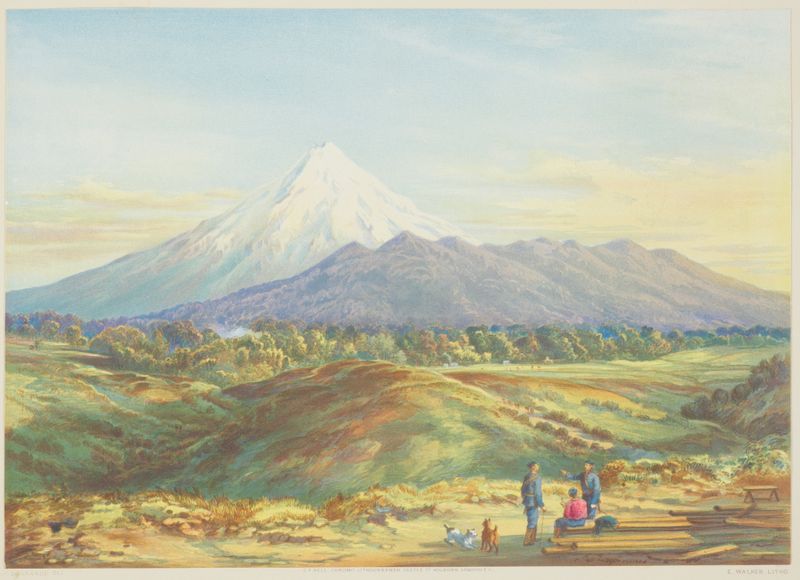
New Zealand Graphic and Descriptive. Mt Egmont.
Charles Decimus Barraud
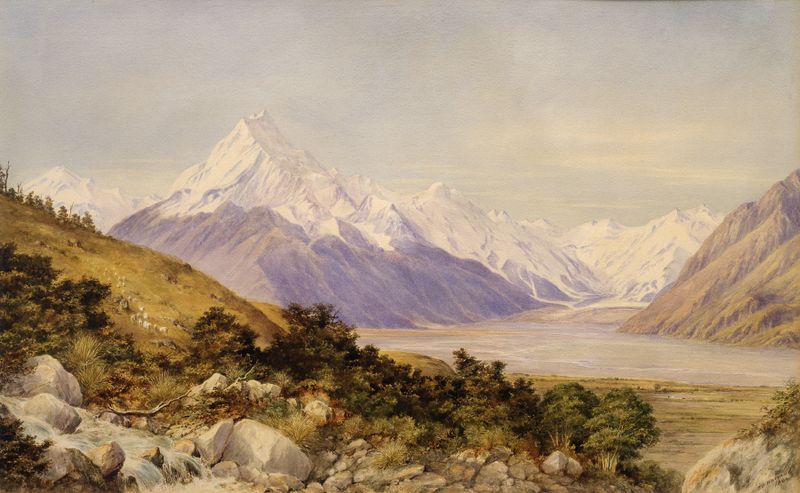
Mt. Cook
Charles Decimus Barraud
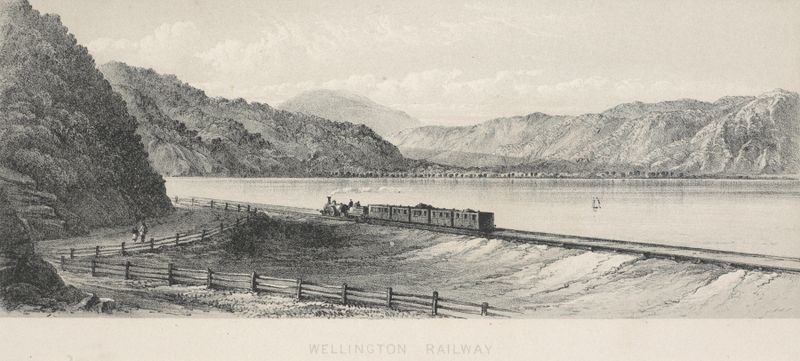
New Zealand Graphic and Descriptive. Plate I. Wellington Railway
Charles Decimus Barraud
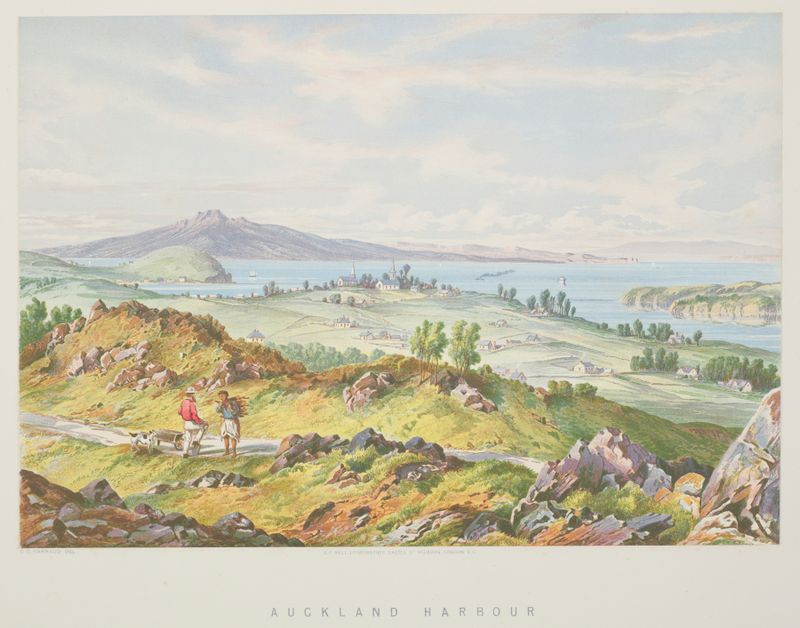
New Zealand Graphic and Descriptive. Auckland Harbour
Charles Decimus Barraud
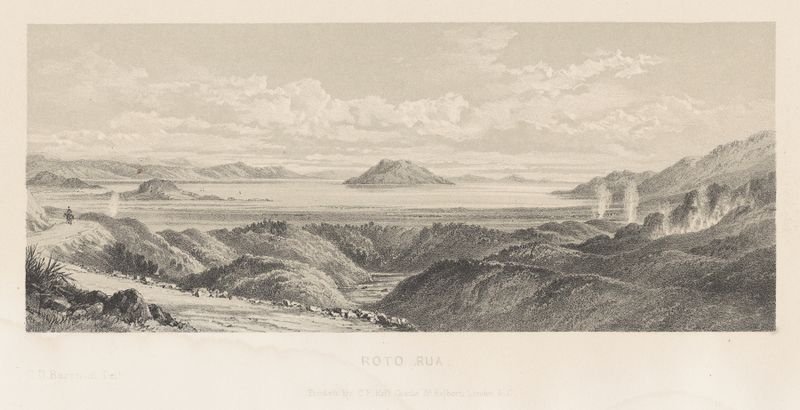
New Zealand Graphic and Descriptive. Plate III. Roto-rua
Charles Decimus Barraud
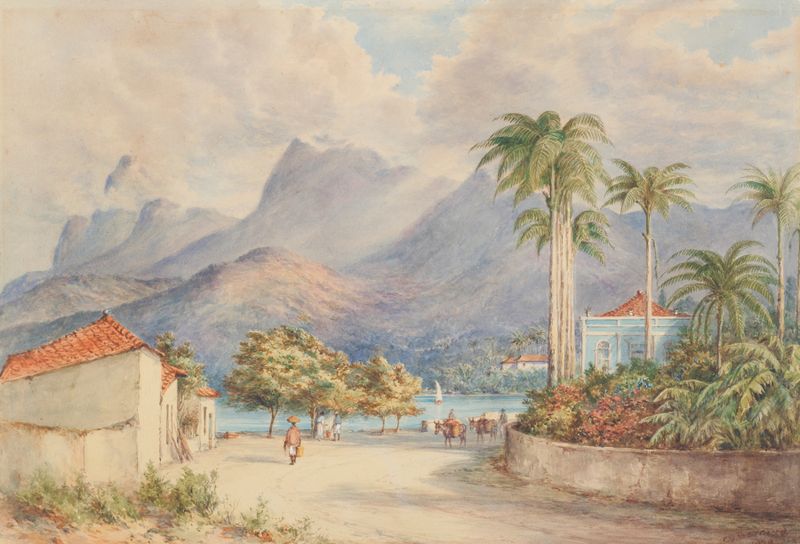
Rio de Janeiro
Charles Decimus Barraud





