
New Zealand Graphic and Descriptive. Plate IV. Hokitika River. — History & Facts
In the quiet folds of memory, beauty clings to moments we fear will slip away. Look to the bottom left where the rippling waters of the Hokitika River shimmer under a gentle light, inviting the viewer to a serene dialogue with nature. The soft blues and greens envelop the scene, while delicate brush strokes suggest movement, illustrating the river’s winding path through lush vegetation. The horizon is punctuated by distant hills that loom in muted tones, grounding the artwork with a sense of tranquil permanence amidst a fleeting world. Hidden within the vibrant palette and graceful composition lies a deeper reflection on the passage of time.
The juxtaposition of the vivid riverbank and the subdued mountains speaks to the contrast between the transient beauty of life and the enduring nature of the landscape. Subtle touches, like the way light dances on the water’s surface, evoke both nostalgia and a quiet sense of reverence—reminding us that beauty persists, even as moments fade into memory. In 1877, Charles Decimus Barraud was immersed in the vibrant art scene of colonial New Zealand, capturing the natural landscapes that defined his surroundings. He painted this work during a time of exploration and discovery, as artists sought to depict the untamed beauty and unique character of the land.
This piece reflects not only his personal journey but also the broader narrative of artists grappling with the essence of identity and beauty in a rapidly changing world.
More Artworks by Charles Decimus Barraud
Browse all →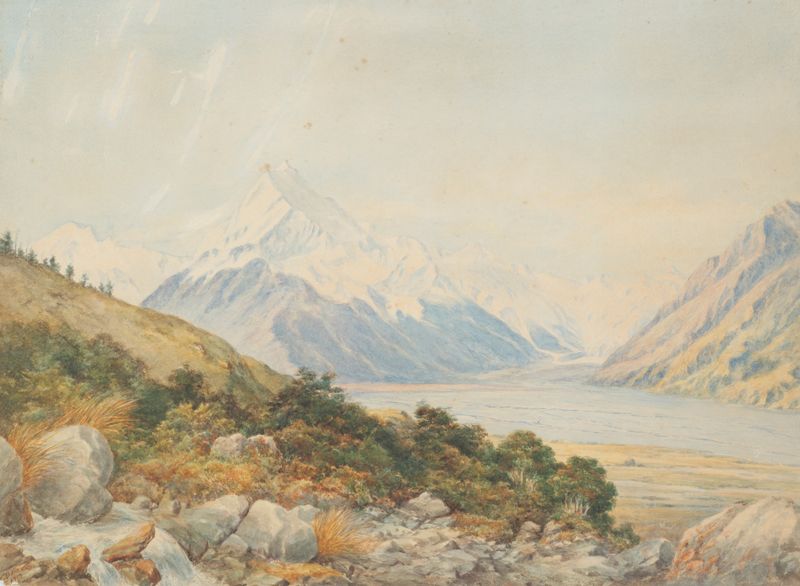
Mt. Cook from Tasman Valley
Charles Decimus Barraud
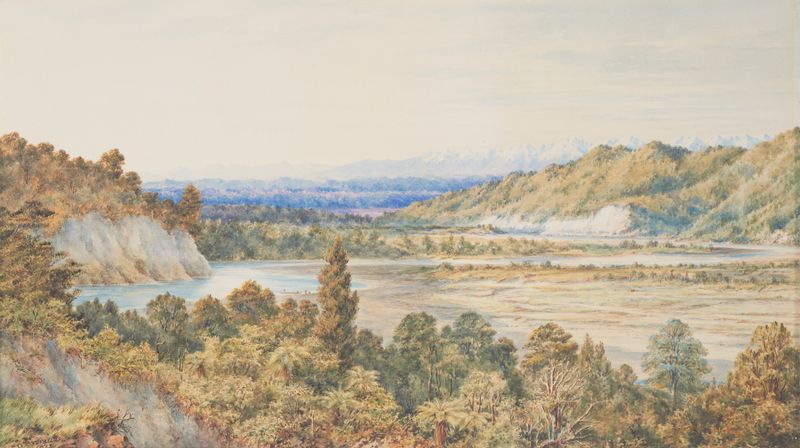
The Manawatu
Charles Decimus Barraud
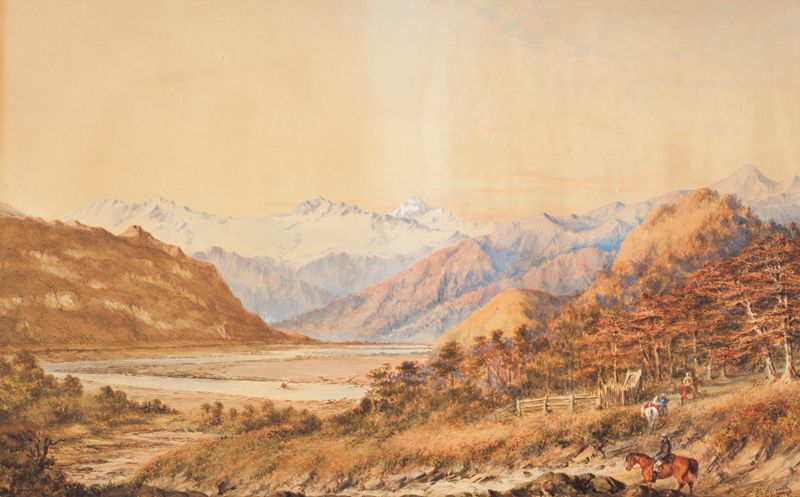
View of Mt. Aspiring, Province of Otago, looking north up the Valley of Matekitiki River from Dr Hector’s camp of 1863
Charles Decimus Barraud
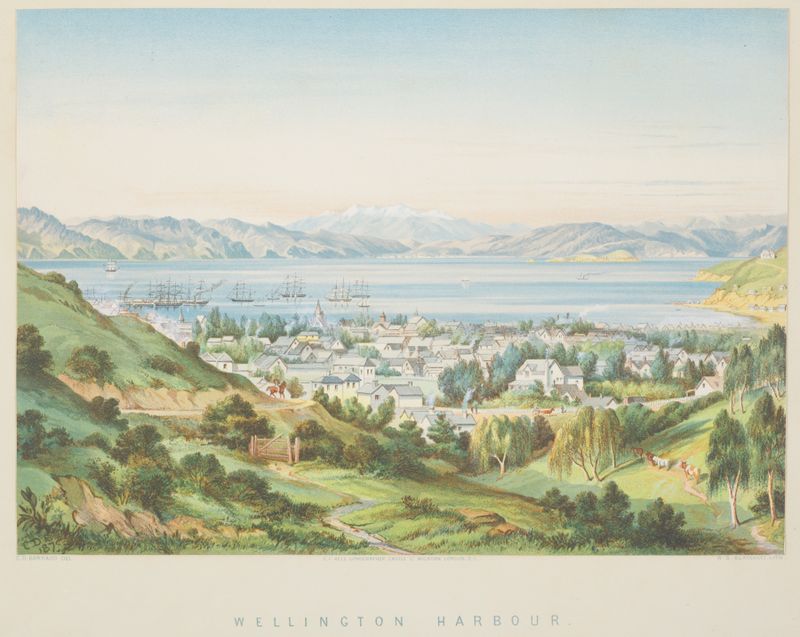
New Zealand Graphic and Descriptive. Wellington Harbour.
Charles Decimus Barraud
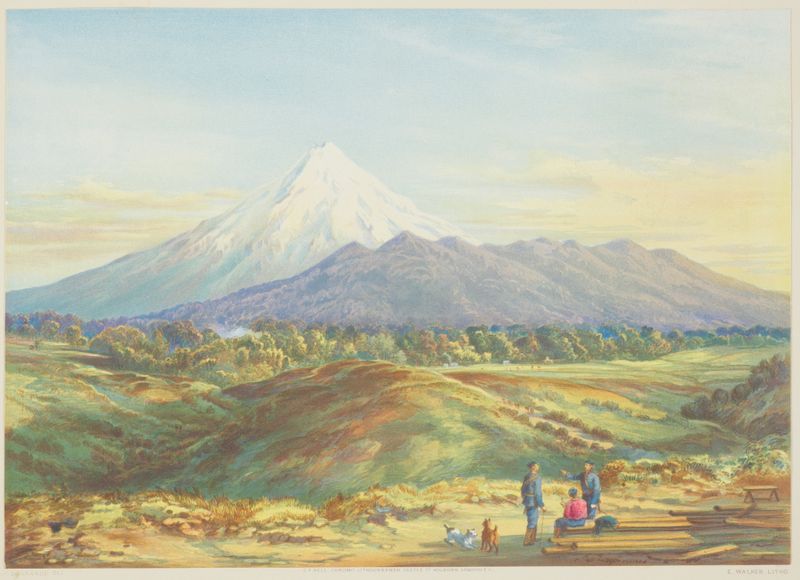
New Zealand Graphic and Descriptive. Mt Egmont.
Charles Decimus Barraud
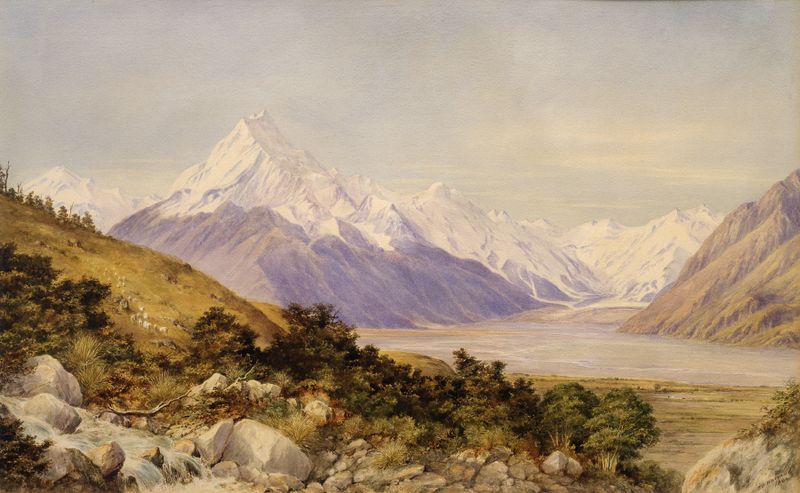
Mt. Cook
Charles Decimus Barraud
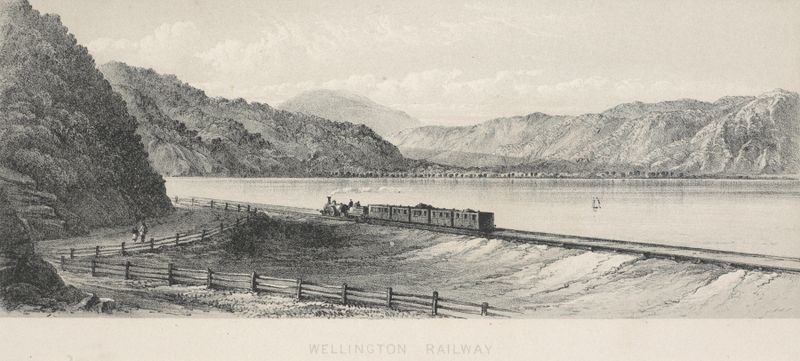
New Zealand Graphic and Descriptive. Plate I. Wellington Railway
Charles Decimus Barraud
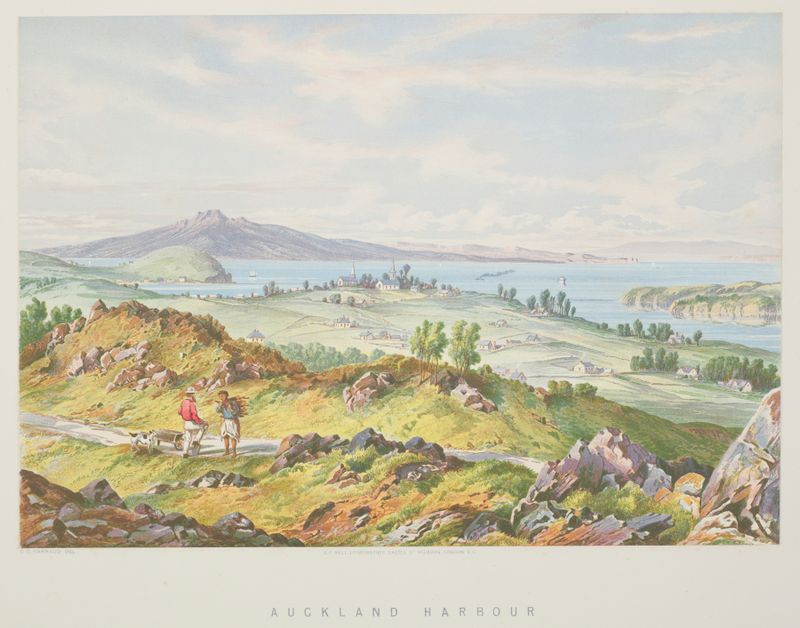
New Zealand Graphic and Descriptive. Auckland Harbour
Charles Decimus Barraud
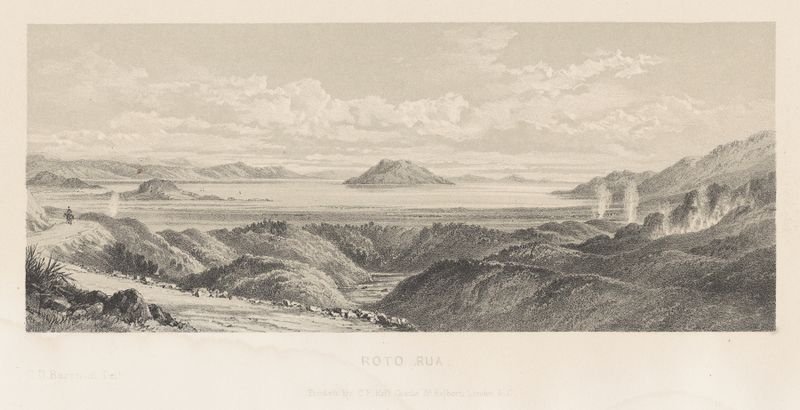
New Zealand Graphic and Descriptive. Plate III. Roto-rua
Charles Decimus Barraud
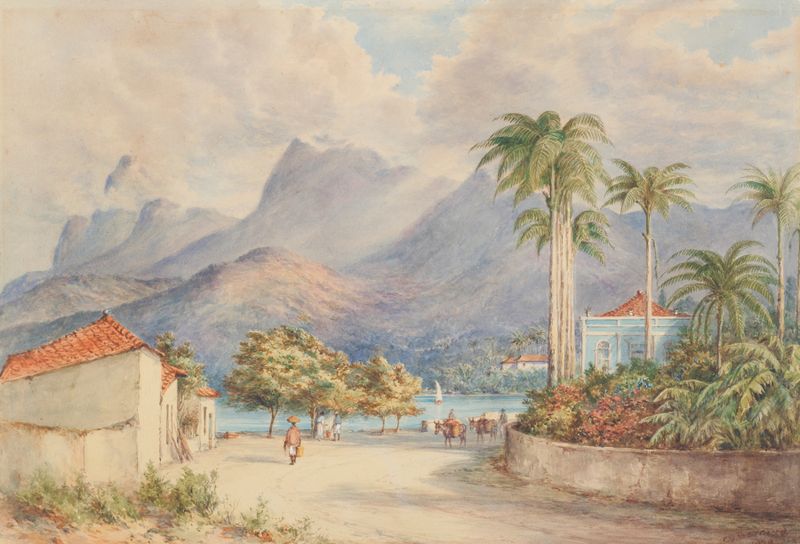
Rio de Janeiro
Charles Decimus Barraud





