
New Zealand Graphic and Descriptive. Plate IV. Mount Cook from Hokitika — History & Facts
In the embrace of nature’s grandeur, the tumult of everyday life fades, leaving only the raw truth of existence exposed. Here, the jagged peaks of Mount Cook loom, a steadfast reminder of both beauty and madness that lies in the heart of mankind. Focus on the sweeping expanse of the landscape, where majestic greens cradle your gaze and the formidable mountain dominates the horizon. Notice how the light plays across the rugged terrain, casting shadows that dance against the bright sky.
The brushstrokes are a blend of precision and freedom, a juxtaposition that hints at the artist’s struggle between discipline and the chaotic lure of the wild. In this moment, the colors of the earth and sky engage in a quiet dialogue that breathes life into the canvas. Within the stark contrasts of this painting, one finds a deeper narrative. The towering mountain, often a symbol of aspiration, also signifies isolation and the madness of pursuit.
The serenity of the foreground, with its lush vegetation, is counterbalanced by the relentless, craggy heights above, evoking the duality of human aspiration — the desire to conquer nature while simultaneously finding solace within it. Each element converges to reveal an emotional landscape rife with tension, inviting viewers to reflect on their own struggles against the wilderness of the mind. In 1877, while residing in New Zealand, the artist captured this scene during a period of personal and artistic exploration. The nation was experiencing a surge of cultural identity, and Barraud was deeply influenced by both the breathtaking landscapes and the burgeoning art scene that sought to represent this dynamic environment.
The work stands as a testament to both the sublime beauty of the New Zealand wilderness and the artistic journey of its creator.
More Artworks by Charles Decimus Barraud
Browse all →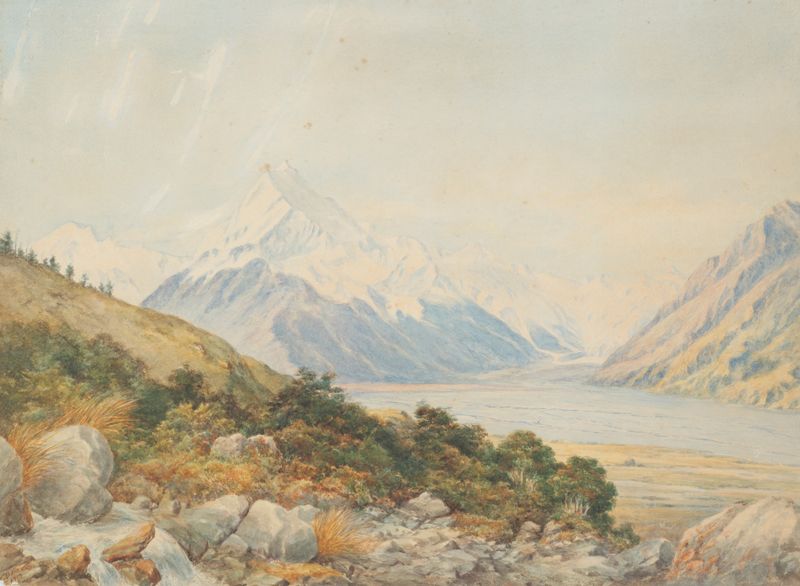
Mt. Cook from Tasman Valley
Charles Decimus Barraud
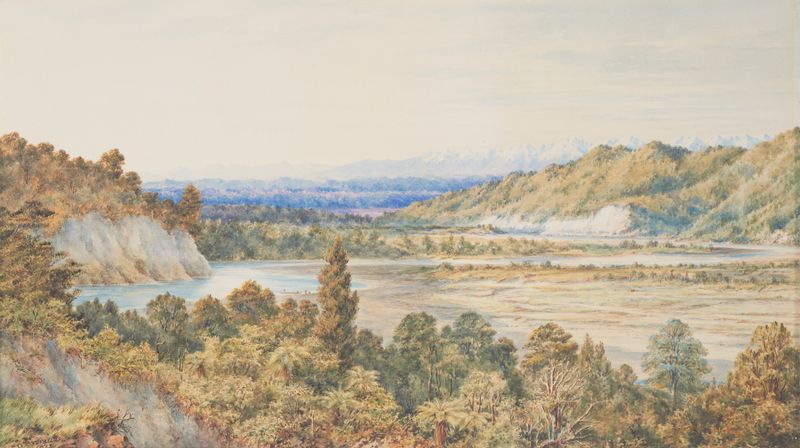
The Manawatu
Charles Decimus Barraud
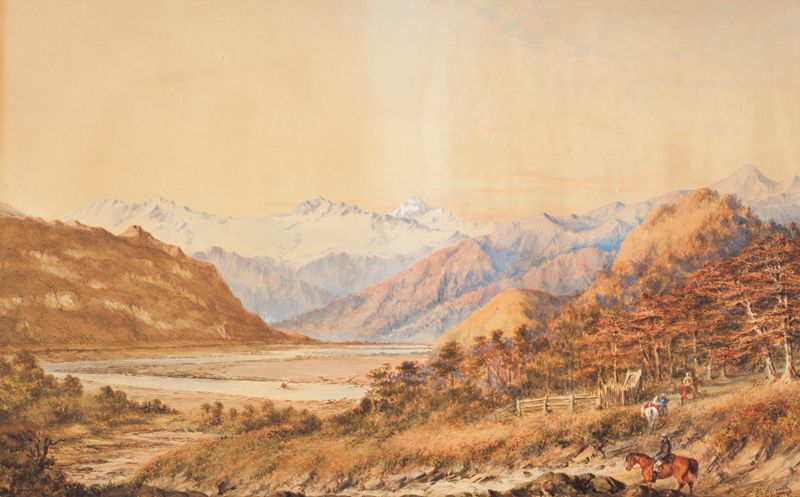
View of Mt. Aspiring, Province of Otago, looking north up the Valley of Matekitiki River from Dr Hector’s camp of 1863
Charles Decimus Barraud
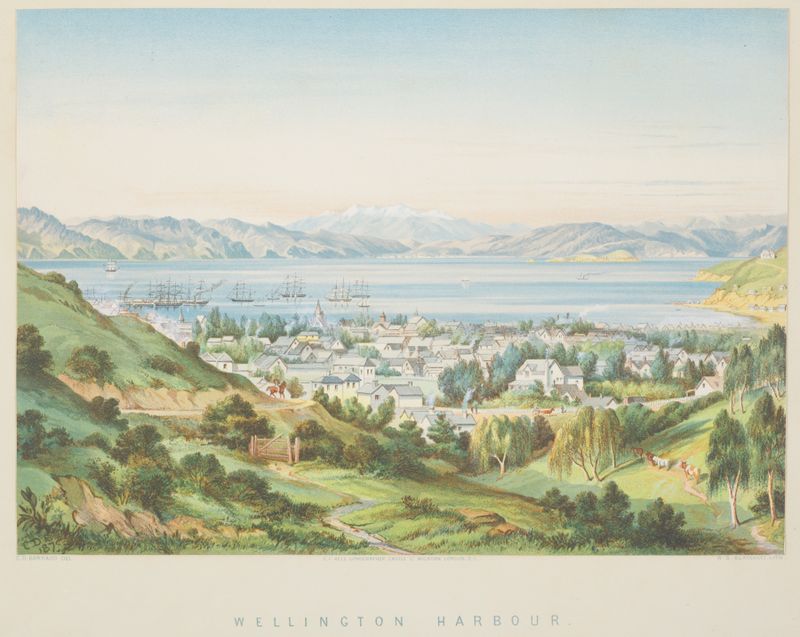
New Zealand Graphic and Descriptive. Wellington Harbour.
Charles Decimus Barraud
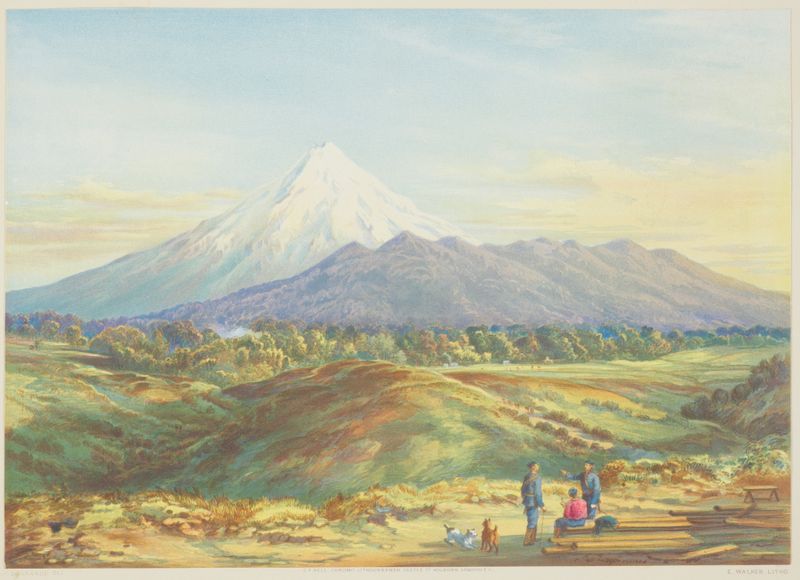
New Zealand Graphic and Descriptive. Mt Egmont.
Charles Decimus Barraud
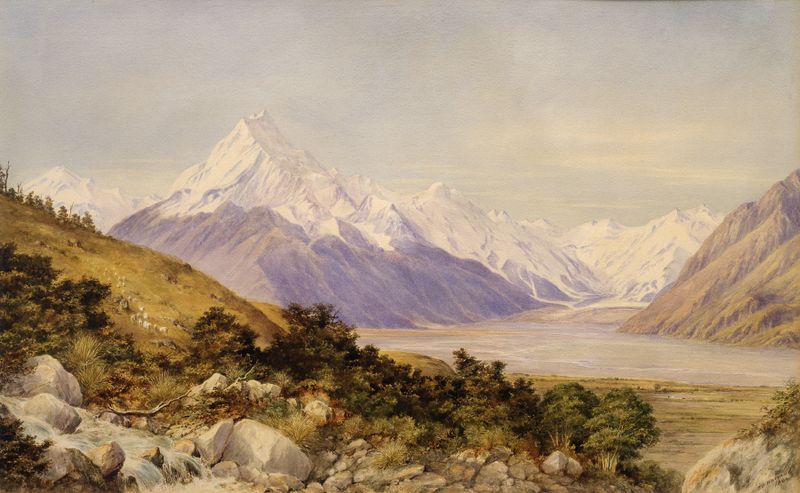
Mt. Cook
Charles Decimus Barraud
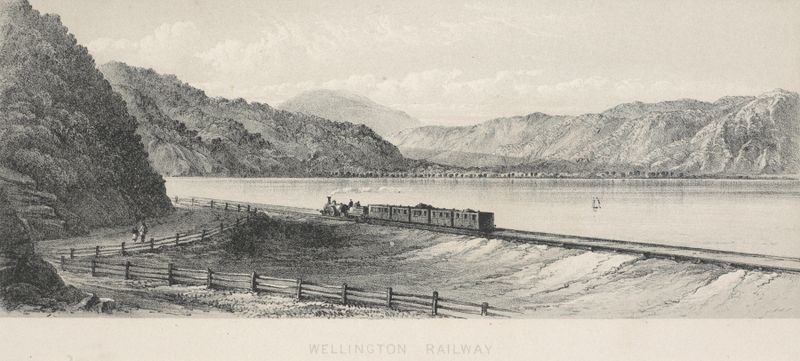
New Zealand Graphic and Descriptive. Plate I. Wellington Railway
Charles Decimus Barraud
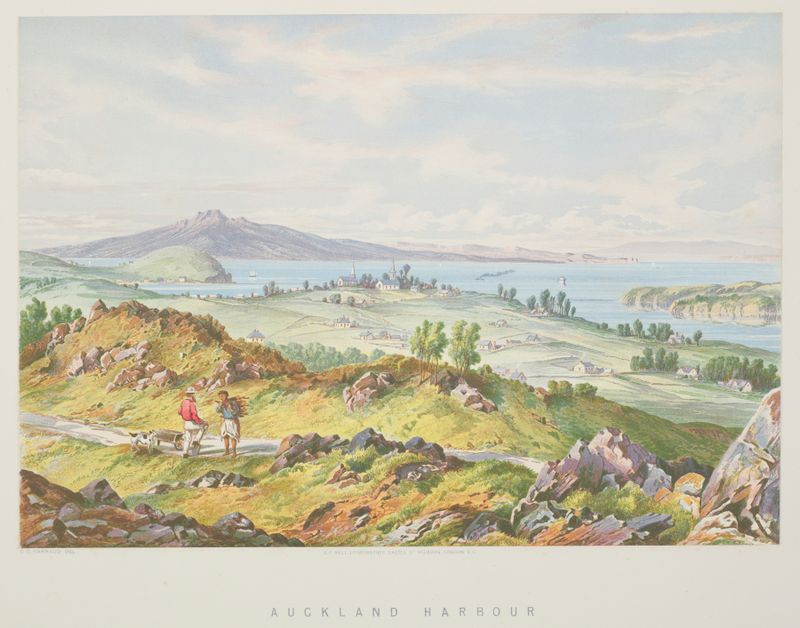
New Zealand Graphic and Descriptive. Auckland Harbour
Charles Decimus Barraud
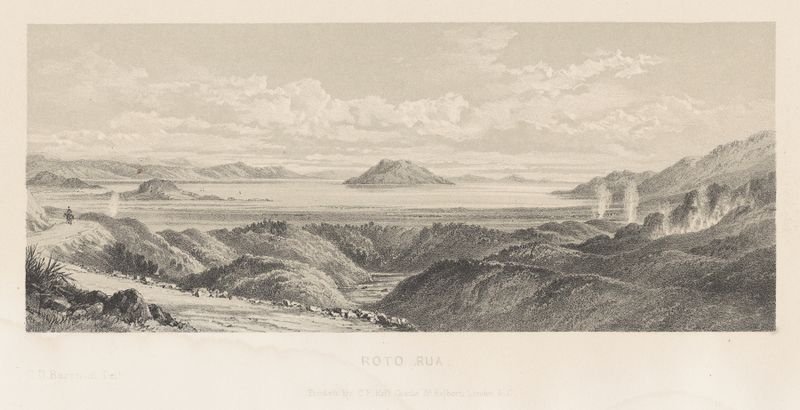
New Zealand Graphic and Descriptive. Plate III. Roto-rua
Charles Decimus Barraud
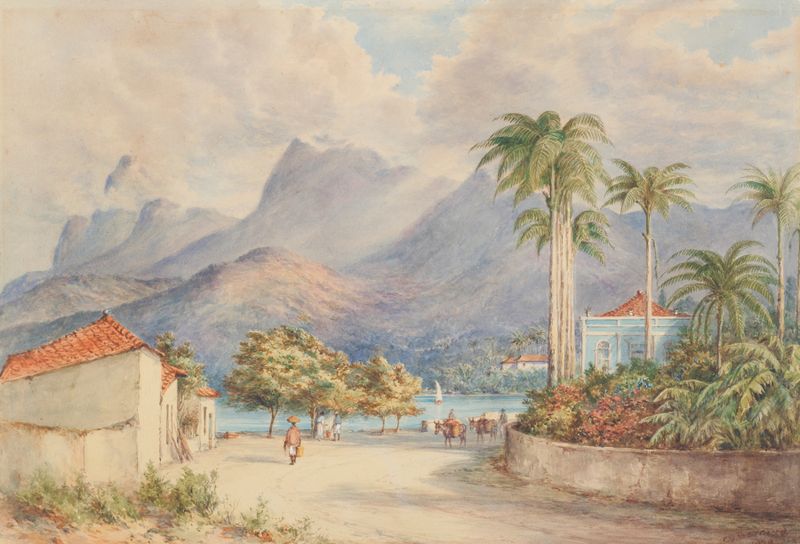
Rio de Janeiro
Charles Decimus Barraud





