
New Zealand Graphic and Descriptive. Plate V. Te Anau — History & Facts
In this delicate interplay of memory and loss, we find a visual representation of grief that transcends the canvas. Each brushstroke whispers the stories of a landscape shaped by both nature and human experience, capturing an unyielding sense of longing. Look to the left where the tranquil waters of Te Anau reflect the muted hues of the overcast sky. The artist expertly uses soft blues and grays, guiding the eye across the serene lake that cradles the looming, shadowed mountains in the background.
Notice the meticulous details of the foreground: clusters of lush foliage that frame the scene, their vibrant greens a stark contrast to the somber palette, suggesting life even amidst an atmosphere of melancholy. The composition balances vastness and intimacy, inviting viewers to lose themselves in its quietude. Hidden within this seemingly idyllic view are layers of emotional tension. The stillness of the water evokes peace, yet the oppressive clouds hint at an impending storm, a metaphor for the turmoil beneath the surface of existence.
The interplay of light and shadow speaks to the fragility of moments, reminding us that beauty often coexists with grief. Each element in the painting embodies a duality, where nature's majesty becomes a backdrop for human sorrow. In 1877, the artist created this work during a time of significant change in New Zealand, as settlers grappled with the impact of colonization and its emotional toll. Barraud, a prominent figure in the landscape painting movement, sought to capture the essence of his homeland while reflecting the complexities of a rapidly evolving world.
His intention was not only to document the scenery but also to evoke feelings that resonate deeply, transcending time and place.
More Artworks by Charles Decimus Barraud
Browse all →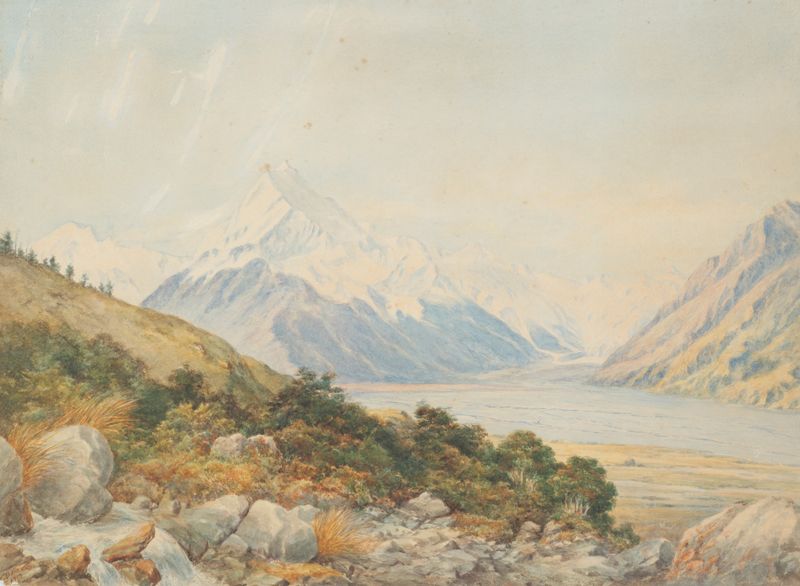
Mt. Cook from Tasman Valley
Charles Decimus Barraud
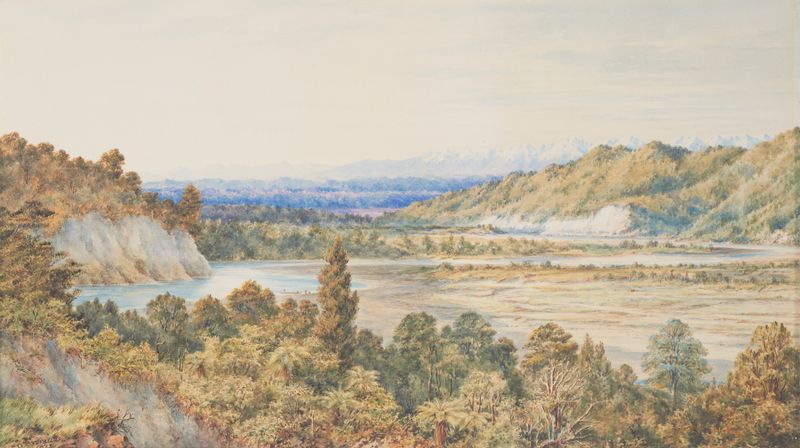
The Manawatu
Charles Decimus Barraud
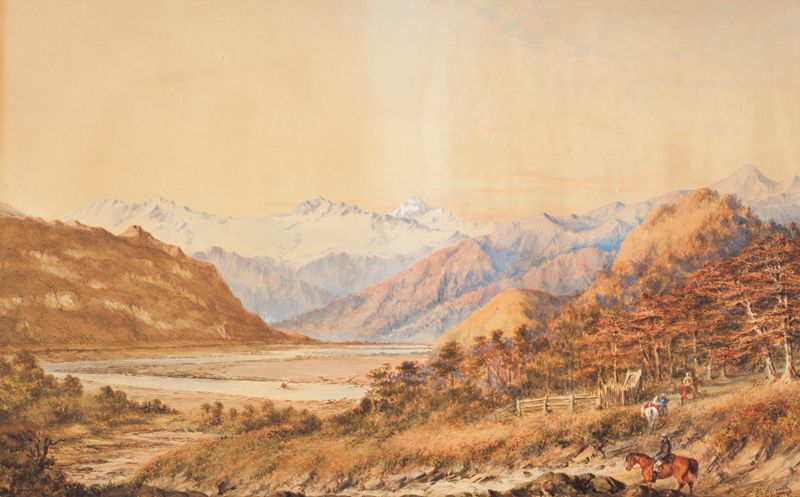
View of Mt. Aspiring, Province of Otago, looking north up the Valley of Matekitiki River from Dr Hector’s camp of 1863
Charles Decimus Barraud
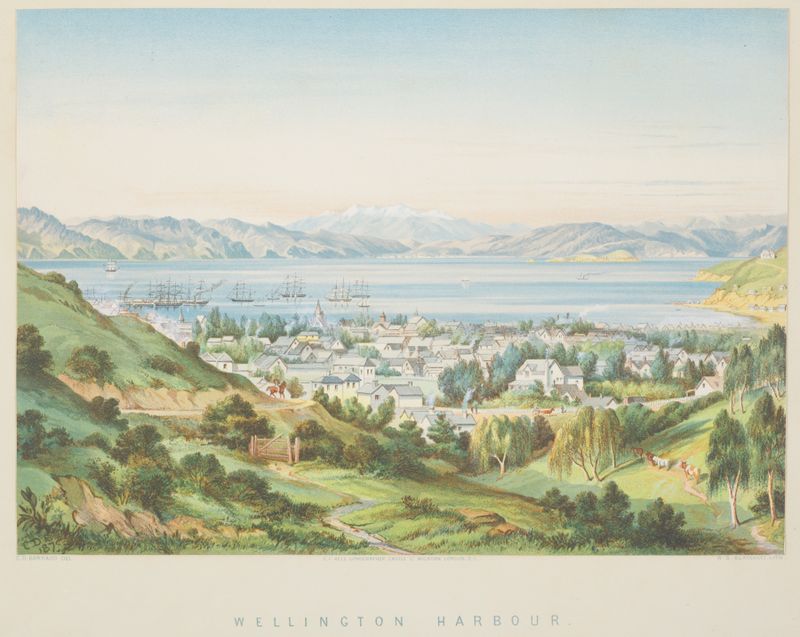
New Zealand Graphic and Descriptive. Wellington Harbour.
Charles Decimus Barraud
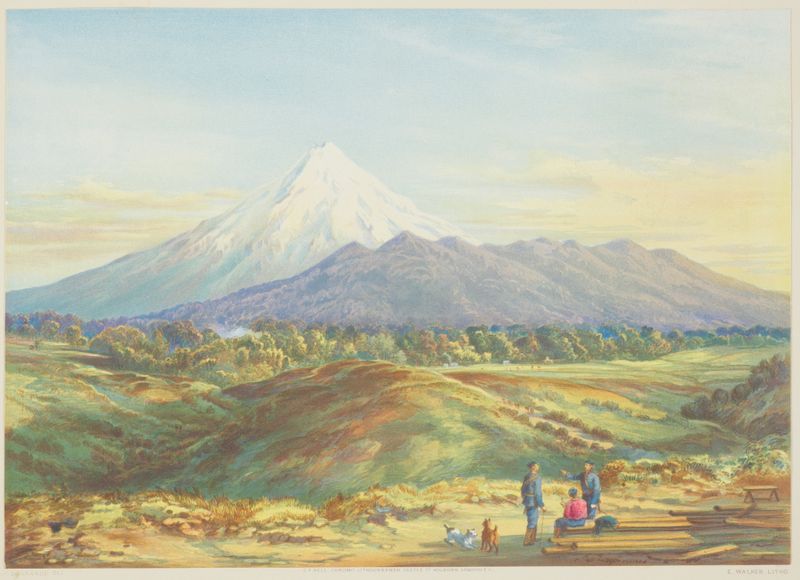
New Zealand Graphic and Descriptive. Mt Egmont.
Charles Decimus Barraud
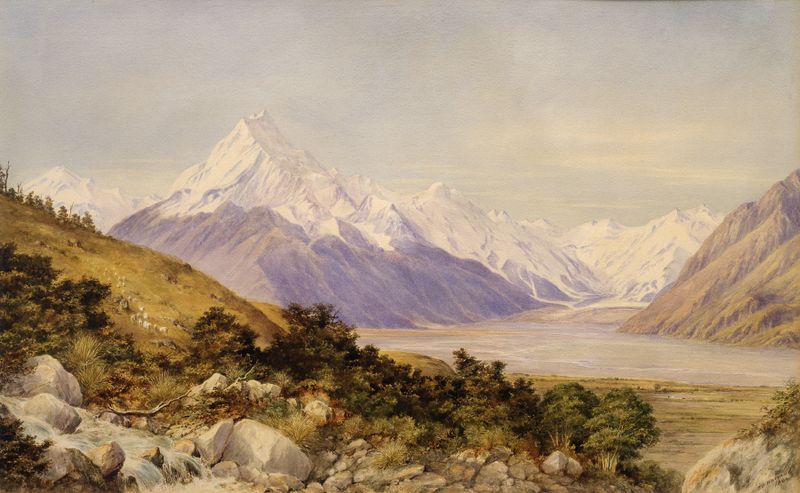
Mt. Cook
Charles Decimus Barraud
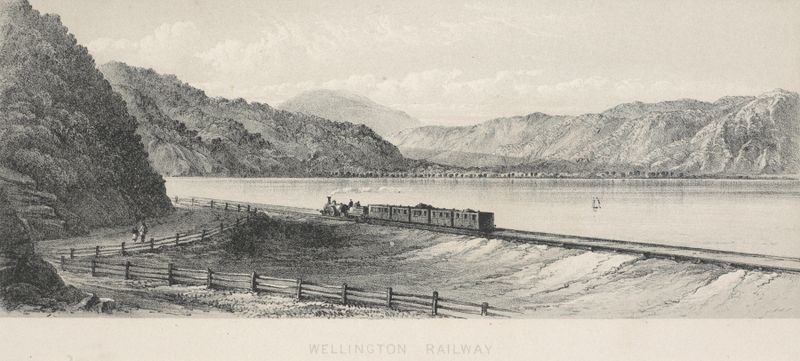
New Zealand Graphic and Descriptive. Plate I. Wellington Railway
Charles Decimus Barraud
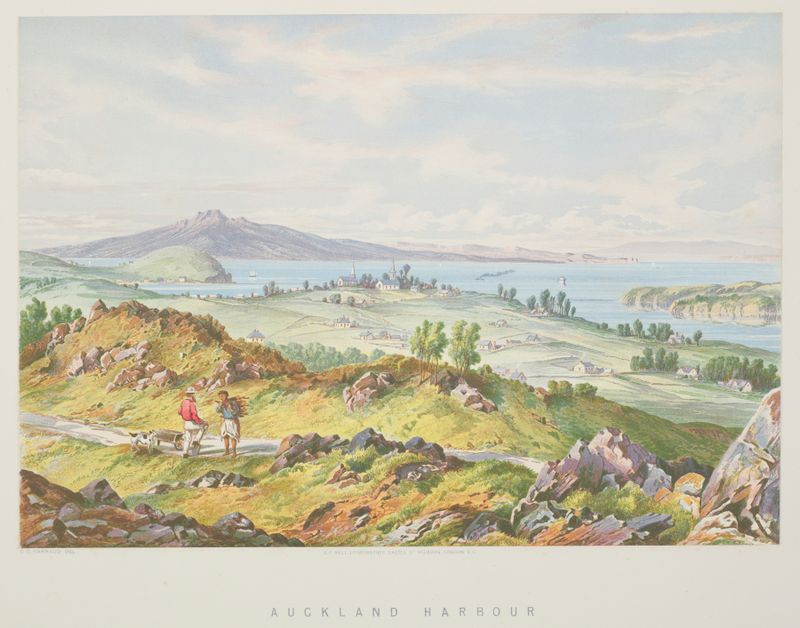
New Zealand Graphic and Descriptive. Auckland Harbour
Charles Decimus Barraud
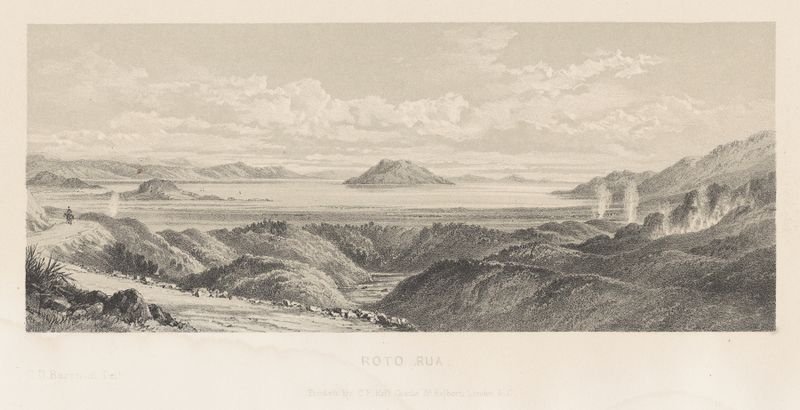
New Zealand Graphic and Descriptive. Plate III. Roto-rua
Charles Decimus Barraud
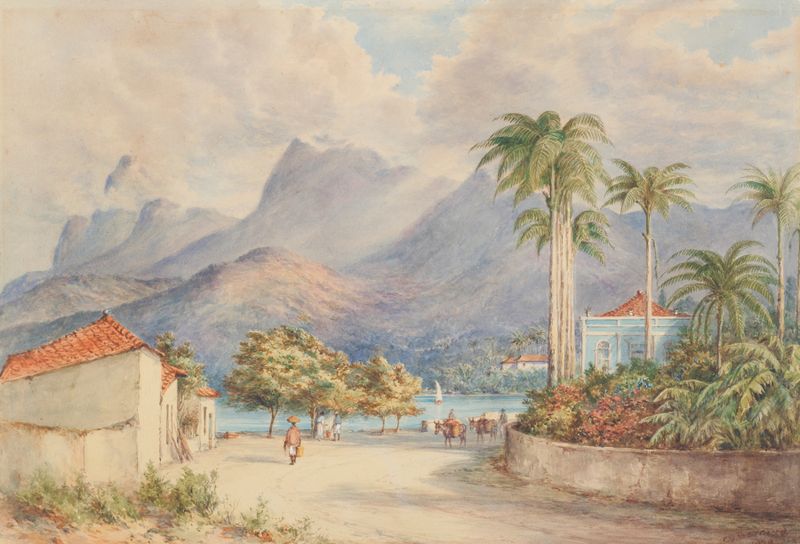
Rio de Janeiro
Charles Decimus Barraud





