
New Zealand Graphic and Descriptive. Plate V. Wai-au River — History & Facts
Could a single brushstroke hold eternity? In New Zealand Graphic and Descriptive. Plate V. Wai-au River, the artist invites us to witness the sacred interplay between nature and artistry, encapsulating a moment’s awe in the flowing water and the whispering foliage. Focus on the shimmering water just above center—a ribbon of blue that beckons the eye.
Notice how the light dances across its surface, reflecting the vibrant greens of the surrounding foliage. To the left, the robust trees frame the river, their textures brought to life with delicate brushwork, while the soft gradient of the sky hints at a peaceful dawn. Each element is carefully composed, creating a harmonious balance that draws viewers into the tranquil world. Delve into the contrasts within the painting: the stillness of the water against the lively rustle of the trees, the serene blue that seems to cradle the vibrant greens.
The juxtaposition of light and shadow speaks to the dualities of nature—the calm and the tumultuous, the seen and the unseen. This tension evokes a sense of wonder and reverence for the untouched beauty of New Zealand, inviting contemplation on the relationship between humanity and the natural world. In 1877, Charles Decimus Barraud created this work amidst a growing awareness of New Zealand's landscapes within the European art community. Painted while residing in Dunedin, it reflects the artist's passion for capturing the essence of his surroundings at a time when colonial perspectives were shifting toward appreciation rather than mere documentation.
This piece stands as a testament to a profound connection with nature, enriched by the era's burgeoning cultural exploration.
More Artworks by Charles Decimus Barraud
Browse all →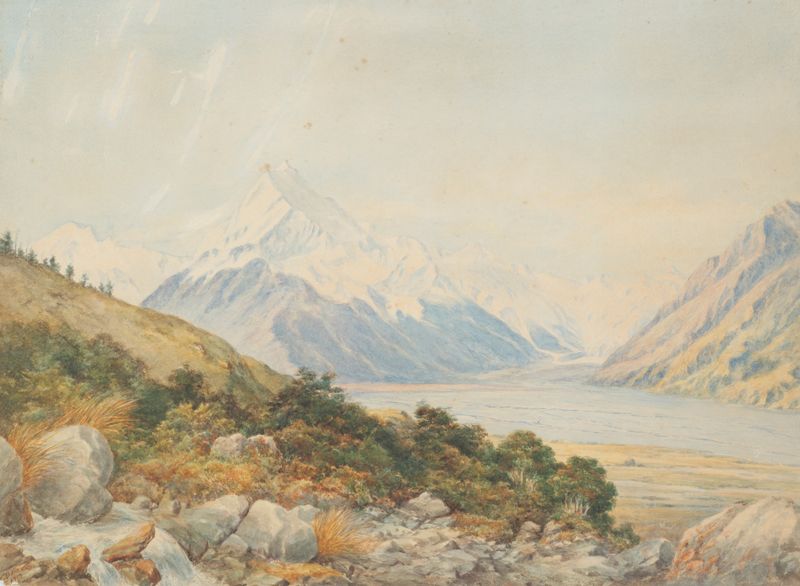
Mt. Cook from Tasman Valley
Charles Decimus Barraud
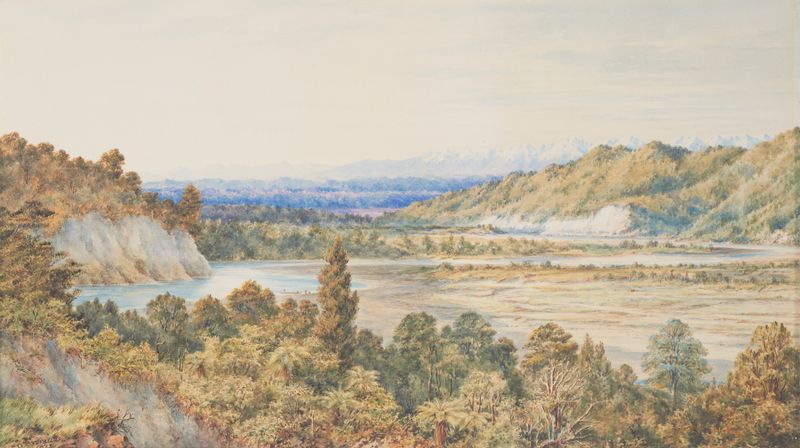
The Manawatu
Charles Decimus Barraud
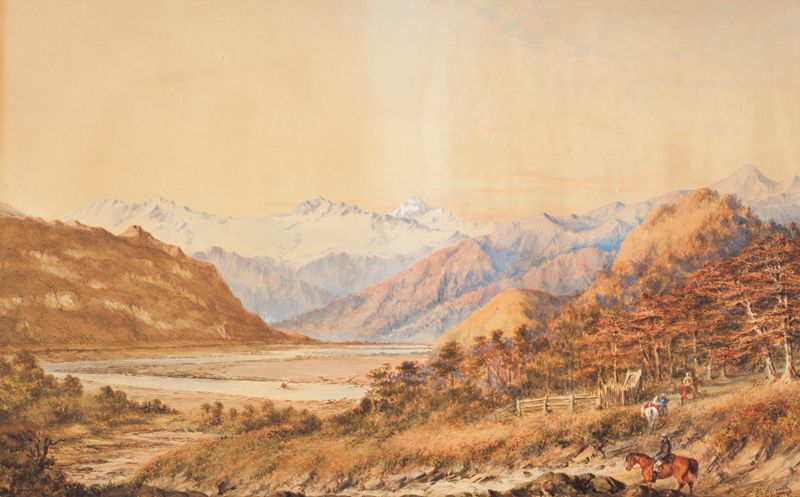
View of Mt. Aspiring, Province of Otago, looking north up the Valley of Matekitiki River from Dr Hector’s camp of 1863
Charles Decimus Barraud
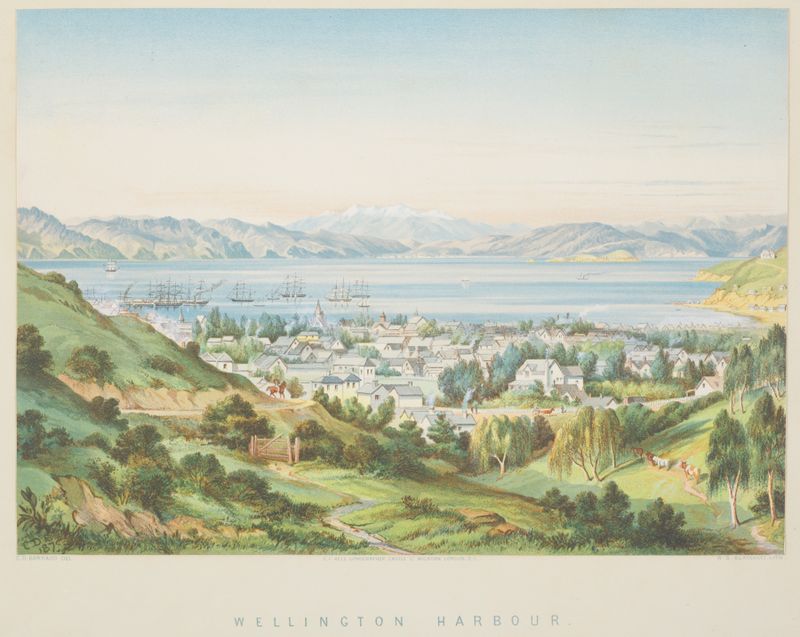
New Zealand Graphic and Descriptive. Wellington Harbour.
Charles Decimus Barraud
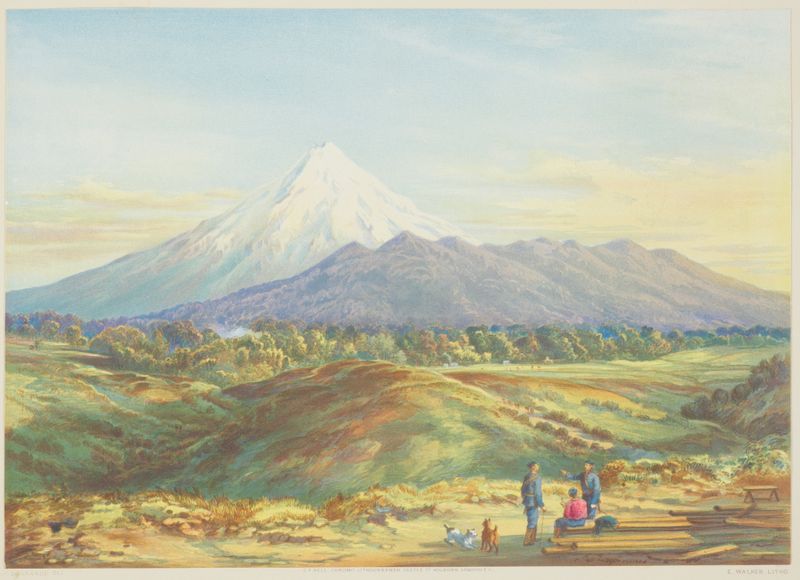
New Zealand Graphic and Descriptive. Mt Egmont.
Charles Decimus Barraud
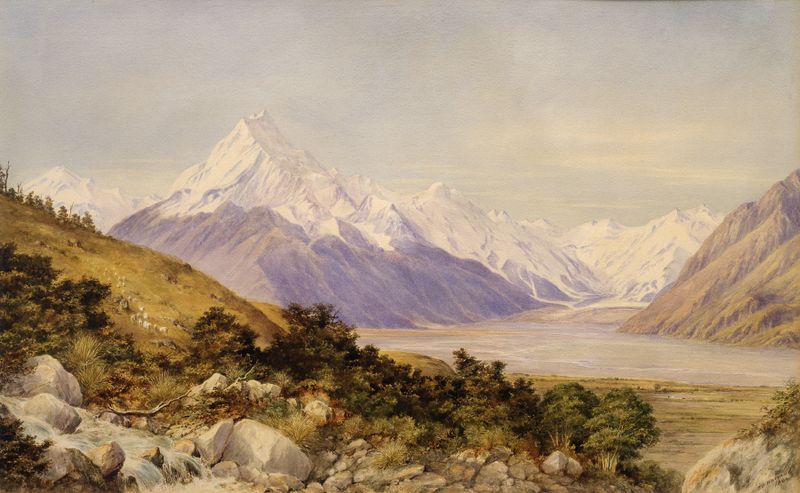
Mt. Cook
Charles Decimus Barraud
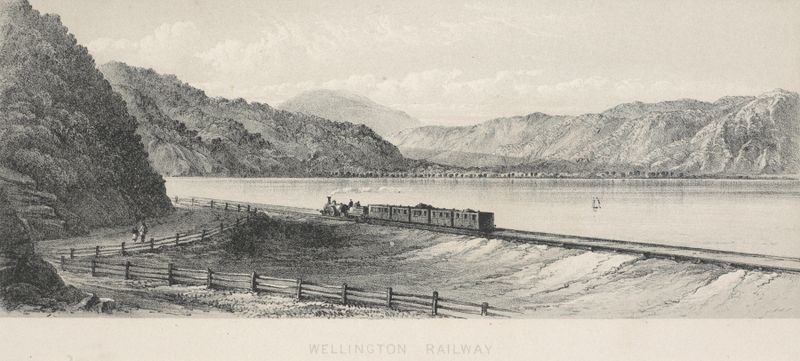
New Zealand Graphic and Descriptive. Plate I. Wellington Railway
Charles Decimus Barraud
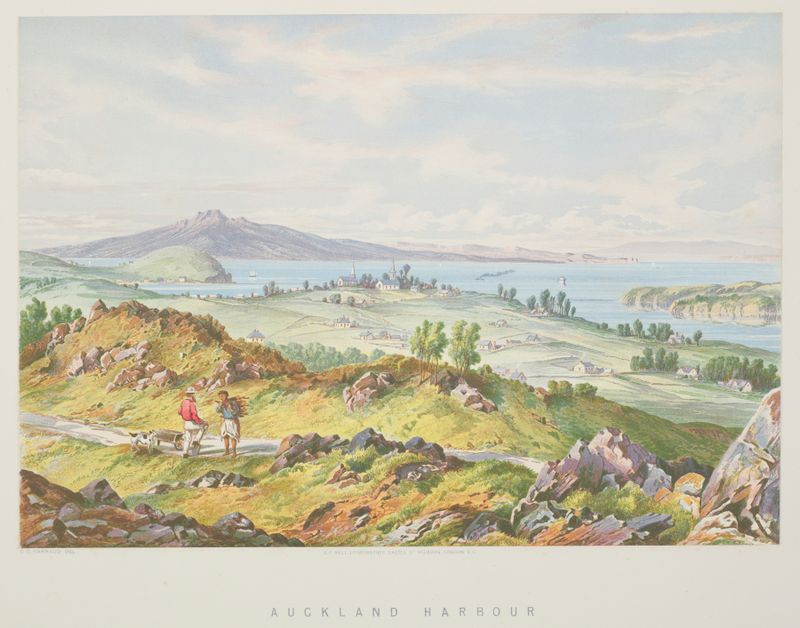
New Zealand Graphic and Descriptive. Auckland Harbour
Charles Decimus Barraud
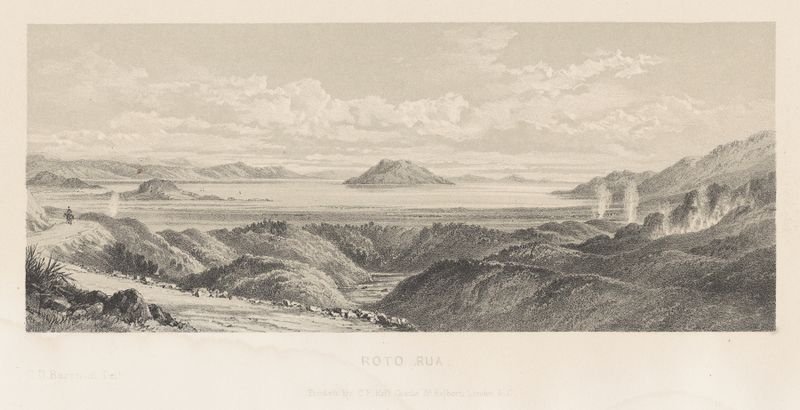
New Zealand Graphic and Descriptive. Plate III. Roto-rua
Charles Decimus Barraud
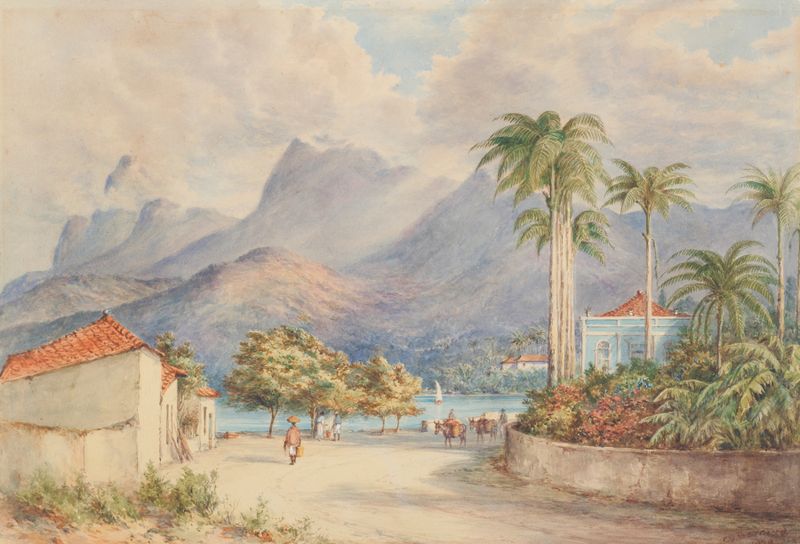
Rio de Janeiro
Charles Decimus Barraud





