
New Zealand Graphic and Descriptive. Te Tarata Roto-mahana. — History & Facts
What if beauty was never meant to be finished? In New Zealand Graphic and Descriptive. Te Tarata Roto-mahana, a haunting remembrance of untouched landscapes invites contemplation. The artwork speaks to the transient nature of beauty, evoking nostalgia for places that exist on the edge of memory and imagination. Look closely at the serene waters of Te Tarata, where the gentle ripples reflect the soft hues of dawn.
The artist employs a delicate palette, blending cool blues and soft whites to create a tranquil atmosphere. The steam rising from the geothermal springs subtly disrupts the stillness, drawing the eye toward the distant hills, which seem to cradle the water in a gentle embrace. Notice how the light dances upon the surface, casting a dreamlike quality that renders the scene both inviting and elusive. Embedded within the landscape are threads of longing and a sense of place that speak to universal experiences.
The juxtaposition of the calm waters and the bubbling steam serves as a metaphor for the duality of peace and chaos in nature. Meanwhile, the lush greenery bordering the scene hints at untamed wildness, suggesting the beauty of a world that remains largely unexplored. These contrasts echo the tension between humanity's desire to possess beauty and the inevitability of its transience. Charles Decimus Barraud painted this work in 1877, a time when he was deeply engaged with capturing New Zealand's breathtaking vistas.
Living in an era of colonial expansion, he sought to document the landscapes and culture of his adopted home. This piece reflects not only his personal journey but also the broader artistic trend of romanticizing natural beauty, resonating with audiences keen to explore the untamed heart of New Zealand.
More Artworks by Charles Decimus Barraud
Browse all →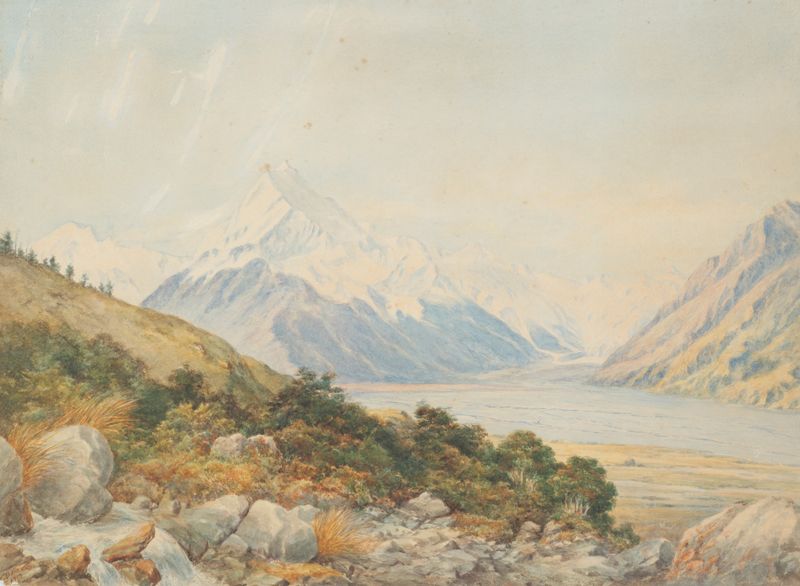
Mt. Cook from Tasman Valley
Charles Decimus Barraud
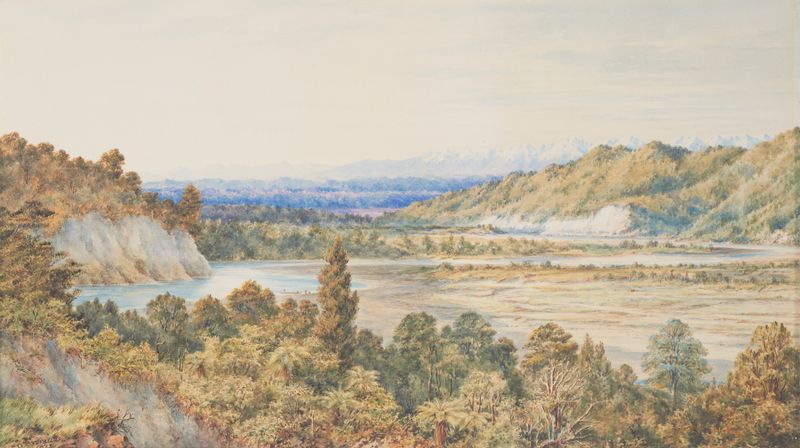
The Manawatu
Charles Decimus Barraud
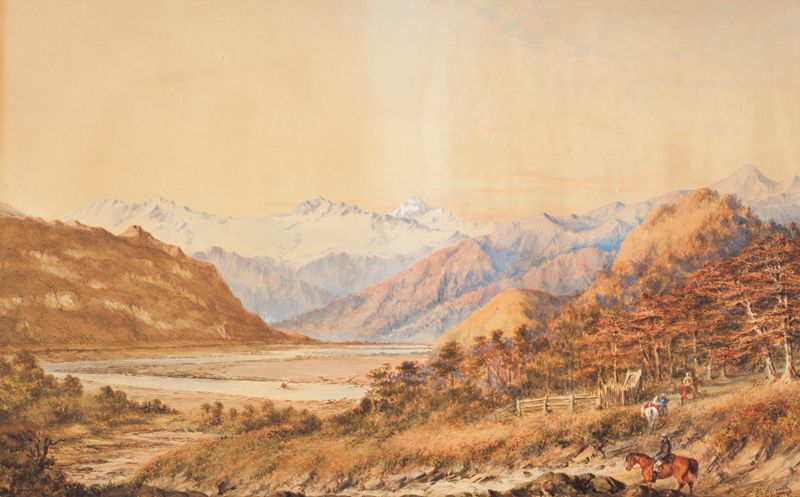
View of Mt. Aspiring, Province of Otago, looking north up the Valley of Matekitiki River from Dr Hector’s camp of 1863
Charles Decimus Barraud
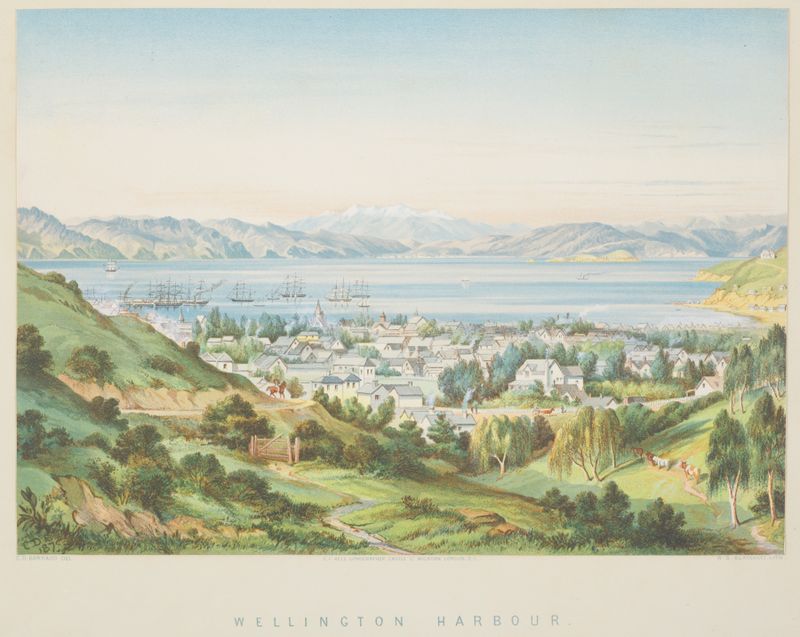
New Zealand Graphic and Descriptive. Wellington Harbour.
Charles Decimus Barraud
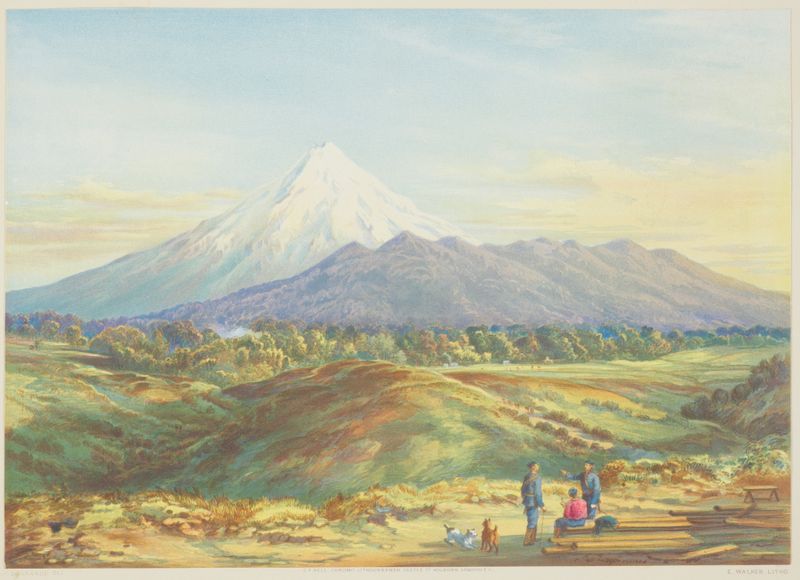
New Zealand Graphic and Descriptive. Mt Egmont.
Charles Decimus Barraud
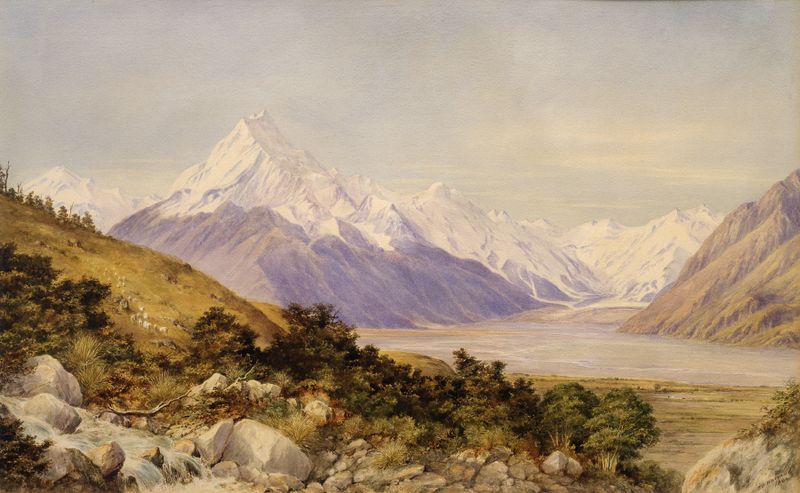
Mt. Cook
Charles Decimus Barraud
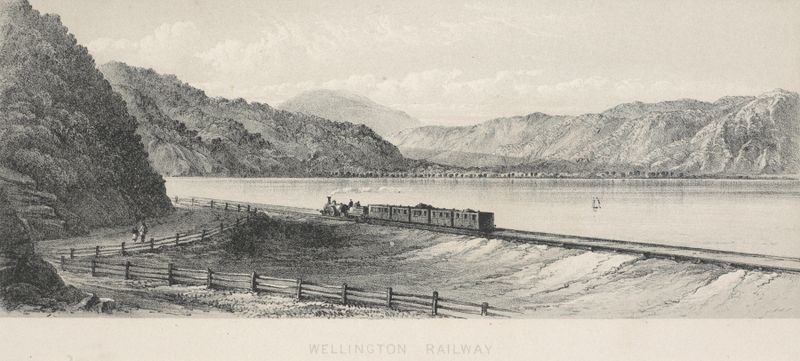
New Zealand Graphic and Descriptive. Plate I. Wellington Railway
Charles Decimus Barraud
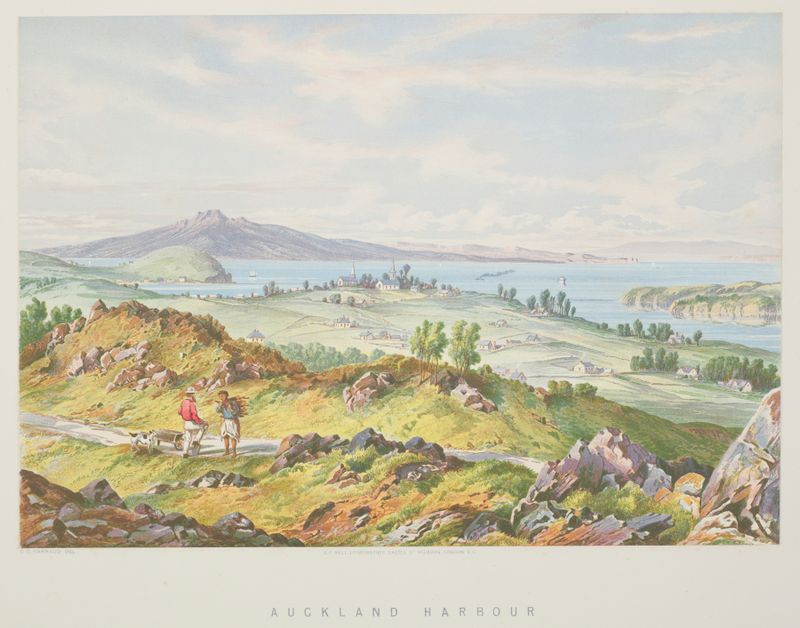
New Zealand Graphic and Descriptive. Auckland Harbour
Charles Decimus Barraud
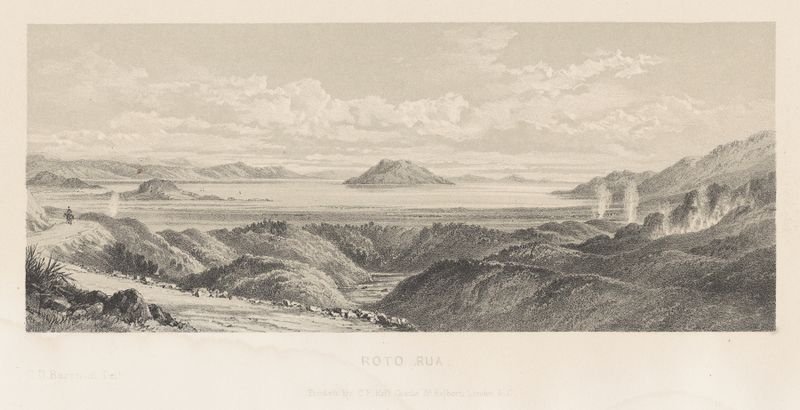
New Zealand Graphic and Descriptive. Plate III. Roto-rua
Charles Decimus Barraud
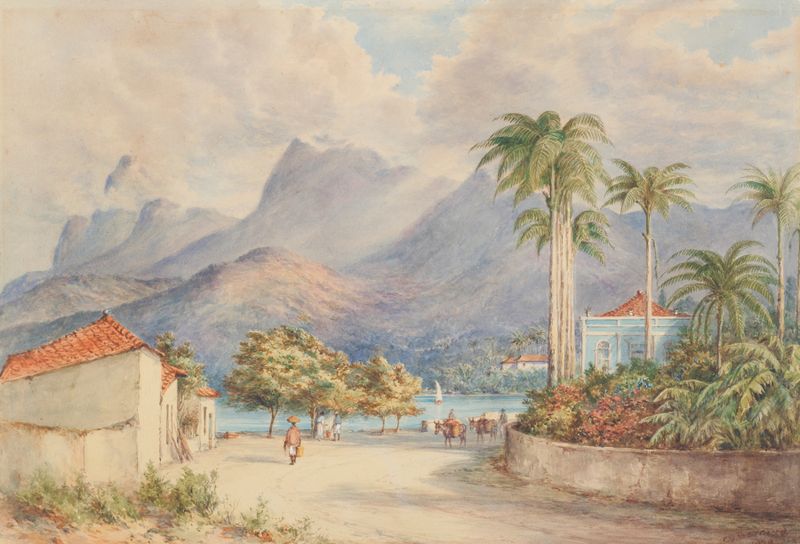
Rio de Janeiro
Charles Decimus Barraud





