
New Zealand Graphic and Descriptive. Wairarapa Lake. — History & Facts
When did color learn to lie? The hues we see in a landscape can evoke genuine emotion yet distort reality, revealing more than mere beauty. Look to the left at the serene expanse of Wairarapa Lake, where the delicate blue waters blend seamlessly into the horizon. The color palette here is a gentle embrace of greens and blues, each stroke harmonizing with the next, leading the eye to the distant hills that cradle the lake. Notice how the light dances across the water’s surface, capturing a moment of tranquility and reflecting the soft clouds above, while the subtle brushwork conveys both clarity and depth. Yet beneath this picturesque veneer lies a tension between man and nature.
The balance of serenity is interrupted by the surrounding land, a reminder of the wild, untamed beauty that lies just beyond the frame. The faint presence of a shadowed figure hints at human existence, inviting contemplation of our place within this vast, natural world. In this contrast, Barraud encapsulates a dichotomy: the idealization of nature against the encroaching realities of modern life. In 1877, Charles Decimus Barraud painted this work in New Zealand, a time when the burgeoning colonial influences were shaping the landscape.
His art reflects not only personal exploration of the idyllic surroundings but also a broader dialogue about identity and belonging in a changing world. Barraud’s detailed observations and romantic representations of New Zealand's landscapes helped establish a national artistic voice amidst the fervor of European influence.
More Artworks by Charles Decimus Barraud
Browse all →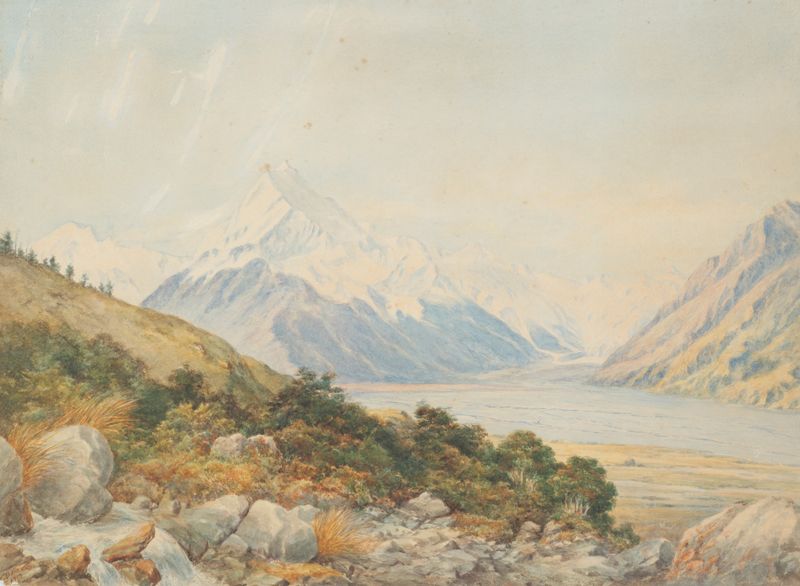
Mt. Cook from Tasman Valley
Charles Decimus Barraud
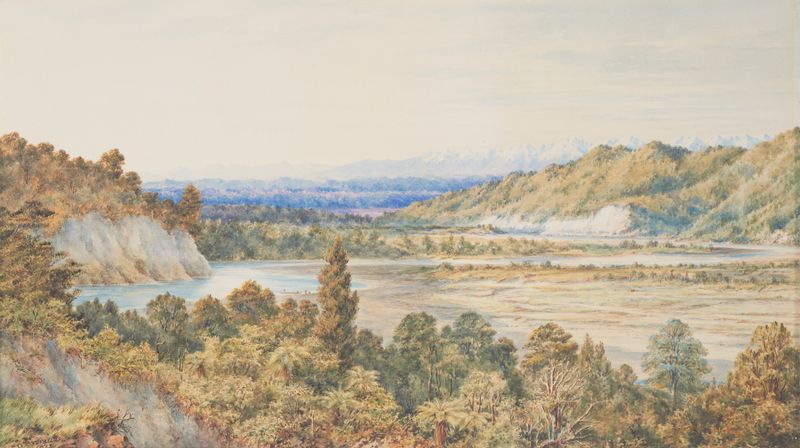
The Manawatu
Charles Decimus Barraud
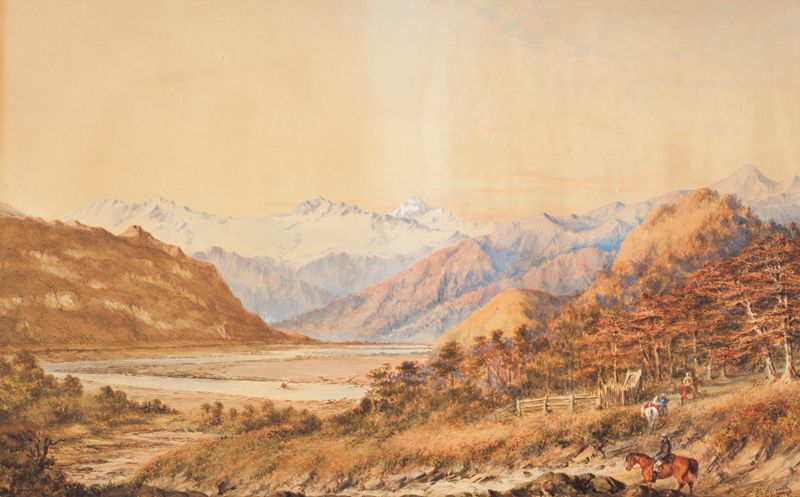
View of Mt. Aspiring, Province of Otago, looking north up the Valley of Matekitiki River from Dr Hector’s camp of 1863
Charles Decimus Barraud
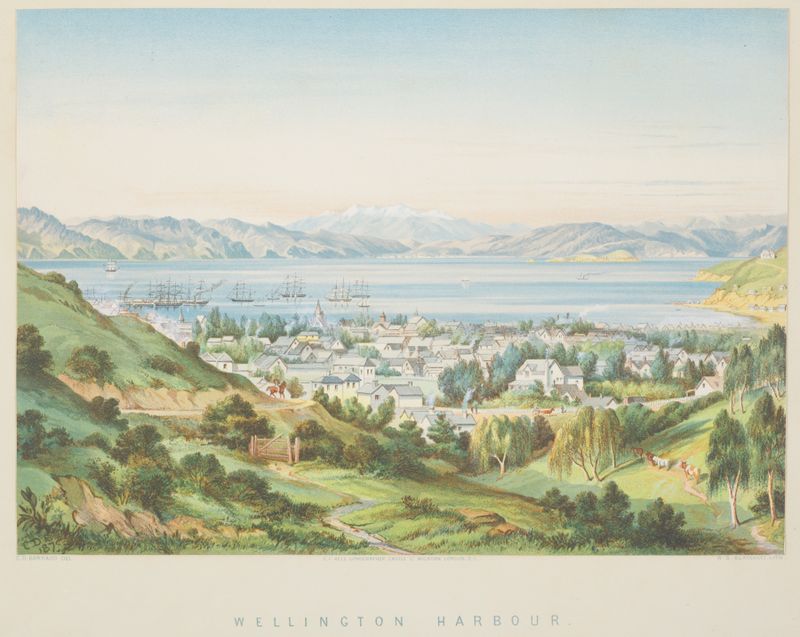
New Zealand Graphic and Descriptive. Wellington Harbour.
Charles Decimus Barraud
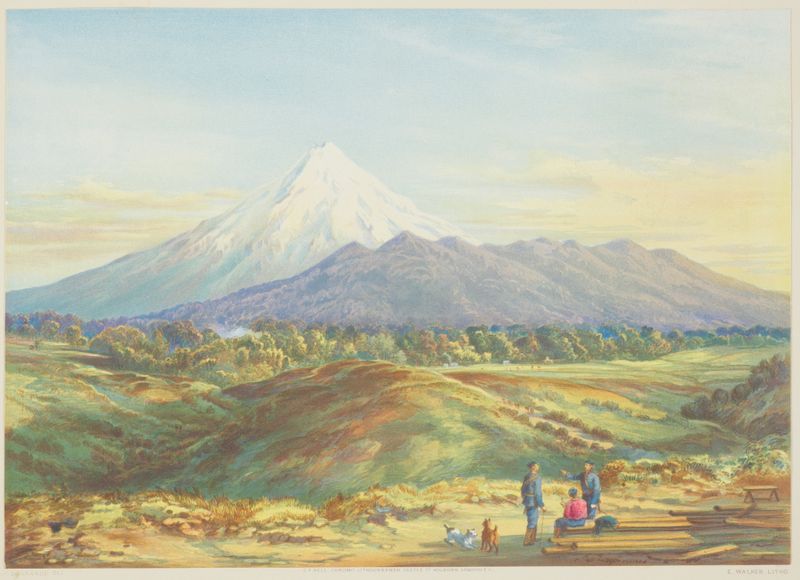
New Zealand Graphic and Descriptive. Mt Egmont.
Charles Decimus Barraud
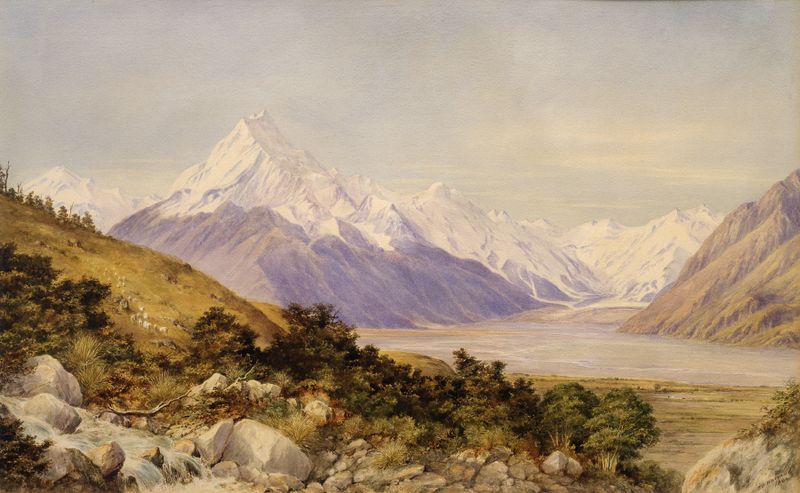
Mt. Cook
Charles Decimus Barraud
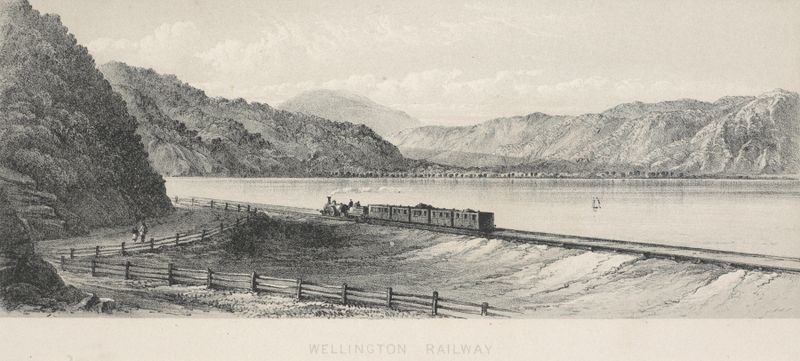
New Zealand Graphic and Descriptive. Plate I. Wellington Railway
Charles Decimus Barraud
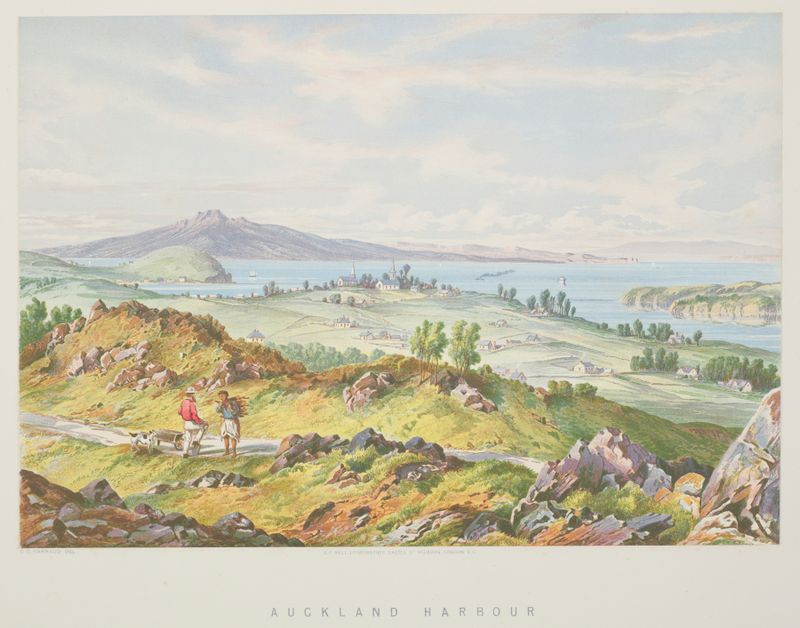
New Zealand Graphic and Descriptive. Auckland Harbour
Charles Decimus Barraud
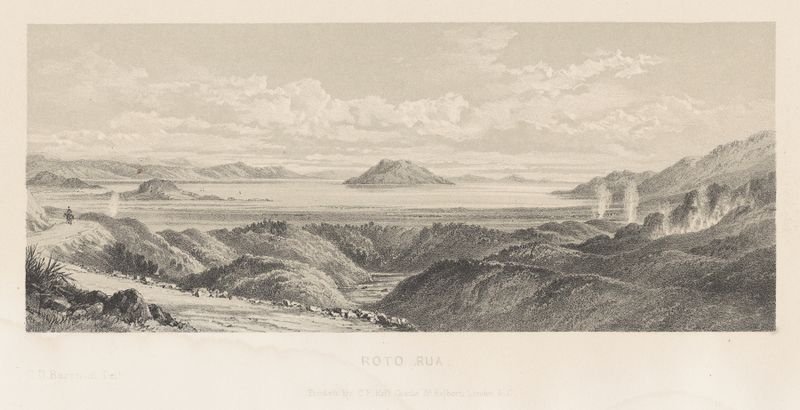
New Zealand Graphic and Descriptive. Plate III. Roto-rua
Charles Decimus Barraud
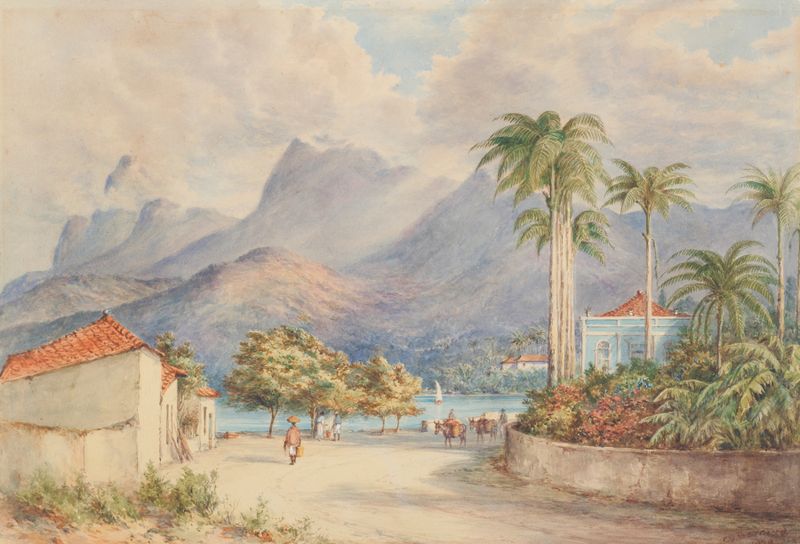
Rio de Janeiro
Charles Decimus Barraud





