
New Zealand river scene — History & Facts
Did the painter know this moment would outlive them? As the river flows, eternal and unyielding, it cradles a violent past within its silken embrace, an unspoken narrative that lingers beneath the tranquil surface. Look to the foreground where the water shimmers under a gentle sun, inviting yet treacherous. Notice how the light falls upon the ripples, illuminating the contrasting dark rocks that jut out like silent sentinels. The verdant foliage flanking the riverbank draws the eye upward, framing the blue sky, while the artist's brush strokes evoke both serenity and tension, hinting at nature's duality.
The composition balances tranquility with a subtle undercurrent of turmoil, showcasing the delicate dance between beauty and violence. Beyond its picturesque charm, this work encapsulates a struggle—the river, a silent witness to conflicts that shaped the land. The quiet rustle of leaves may mask the violent history of colonization and dispossession woven into New Zealand's landscape. Barraud’s choice of palette, with its vibrant greens juxtaposed against somber shadows, serves as a reminder of life’s complexities, echoing the tumult beneath the calm. In 1869, Barraud painted this scene while living in New Zealand, a time when the effects of European settlement were deeply felt.
He sought to capture the essence of the land, often emphasizing its untamed beauty. As he merged the natural world with the social tensions of his time, his work reflected the changing artistic landscape, as well as a growing awareness of the cultural narratives that remained hidden beneath its surface.
More Artworks by Charles Decimus Barraud
Browse all →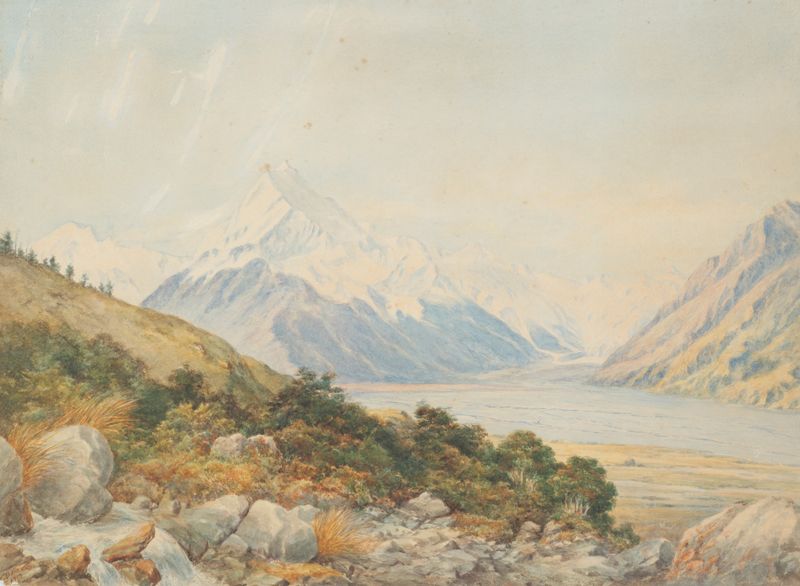
Mt. Cook from Tasman Valley
Charles Decimus Barraud
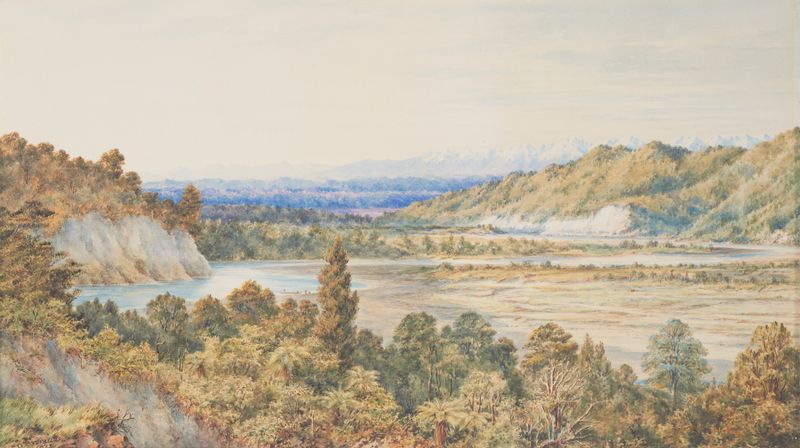
The Manawatu
Charles Decimus Barraud
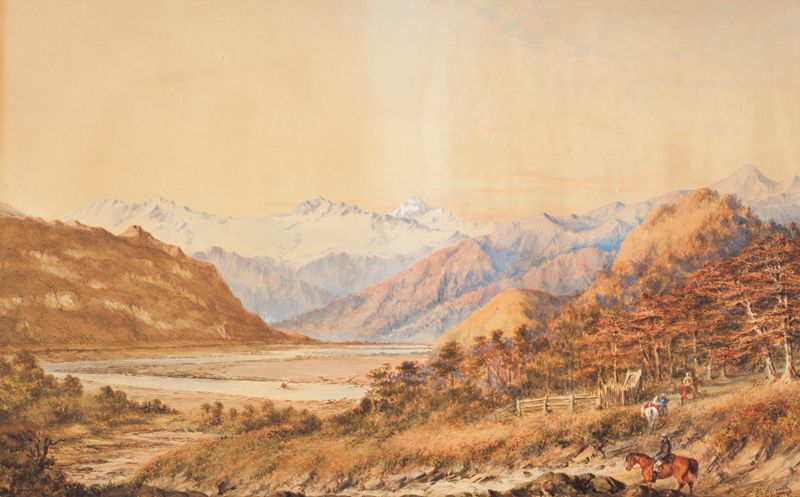
View of Mt. Aspiring, Province of Otago, looking north up the Valley of Matekitiki River from Dr Hector’s camp of 1863
Charles Decimus Barraud
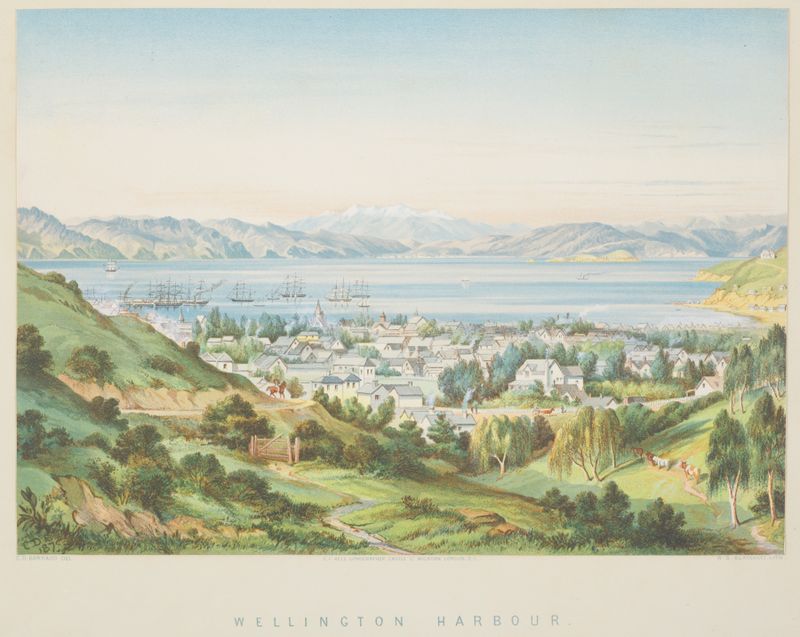
New Zealand Graphic and Descriptive. Wellington Harbour.
Charles Decimus Barraud
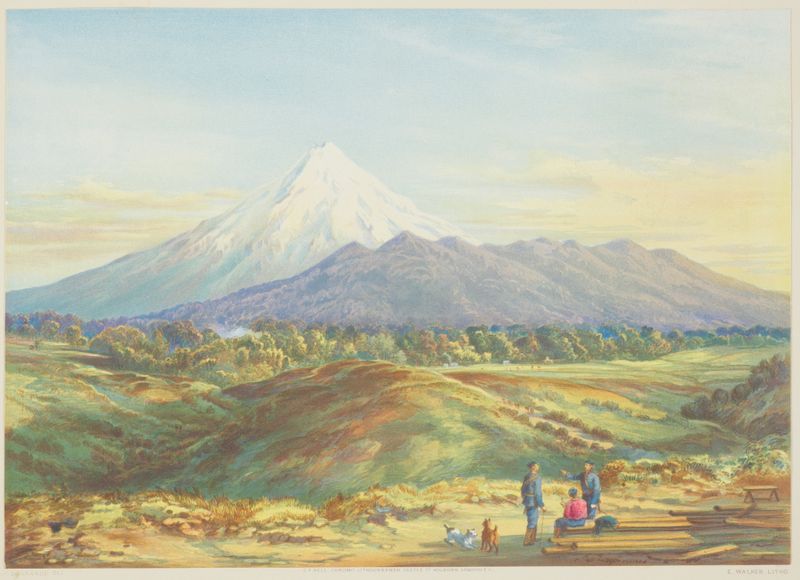
New Zealand Graphic and Descriptive. Mt Egmont.
Charles Decimus Barraud
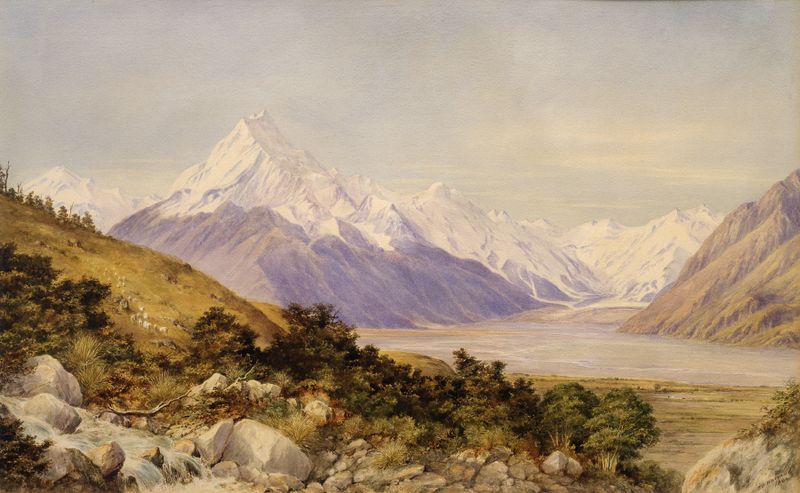
Mt. Cook
Charles Decimus Barraud
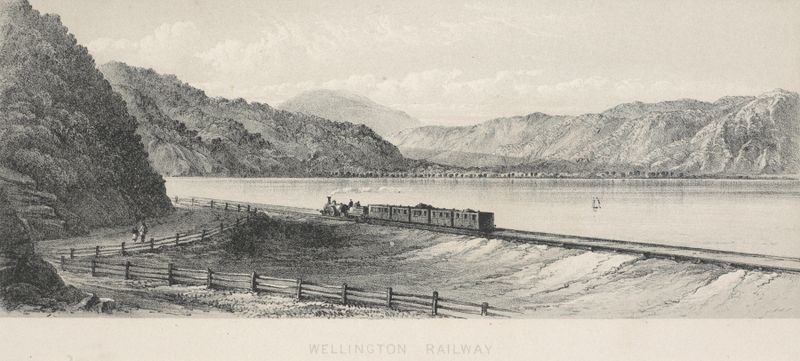
New Zealand Graphic and Descriptive. Plate I. Wellington Railway
Charles Decimus Barraud
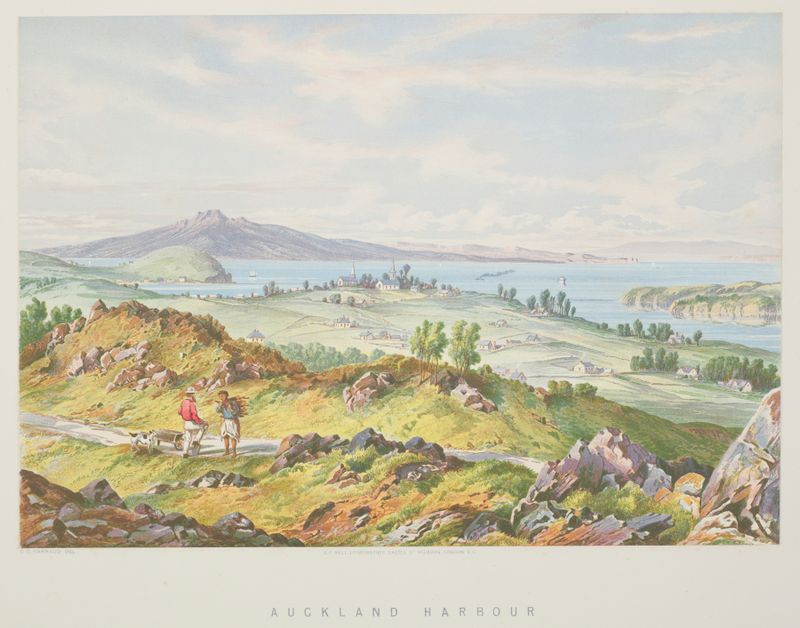
New Zealand Graphic and Descriptive. Auckland Harbour
Charles Decimus Barraud
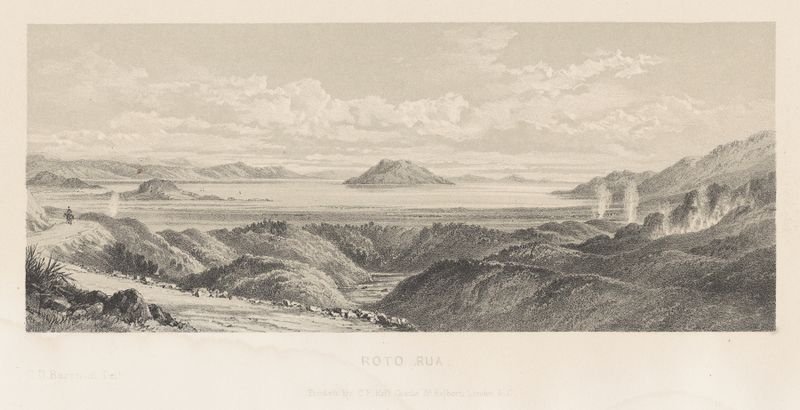
New Zealand Graphic and Descriptive. Plate III. Roto-rua
Charles Decimus Barraud
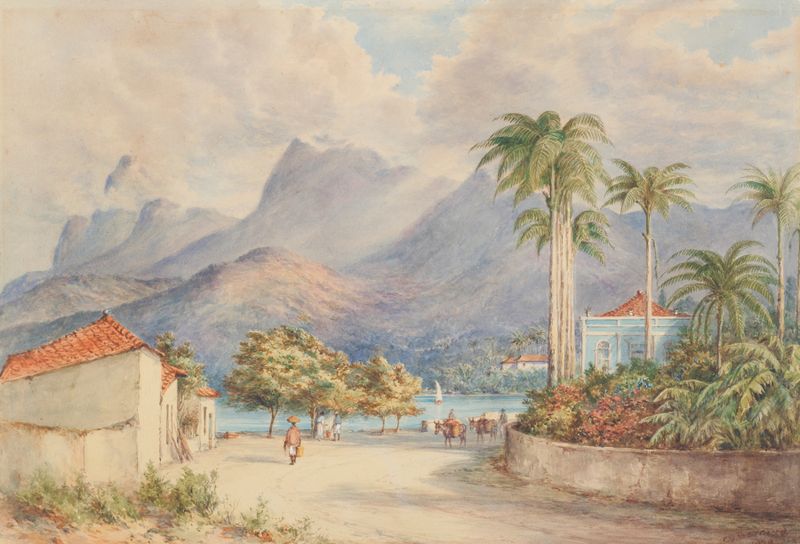
Rio de Janeiro
Charles Decimus Barraud





