Discover insights about this artwork
Niagara Falls by Moonlight — History & Facts
In Niagara Falls by Moonlight, Frederic Edwin Church presents a breathtaking view of the iconic falls illuminated by the soft glow of the moon. The painting features a rich palette of blues and silvers, creating a tranquil atmosphere. The cascading waters of the falls are depicted with intricate detail, reflecting the moonlight in a shimmering display.
Surrounding the falls, dark trees and rocky outcrops enhance the sense of depth and drama in the scene. The painting is executed in oil on canvas, showcasing Church's skill in capturing light and atmosphere. The dimensions are approximately 76.2 x 114.3 cm, making it a significant work that draws viewers in. Church's technique involves layering colors to create a luminous effect, particularly in the water and sky.
This attention to detail invites the viewer to experience the scene as if standing before the falls themselves. Frederic Edwin Church was a prominent figure in the Hudson River School, known for his landscapes that celebrate nature's grandeur. This work, painted in the 1860s, reflects the Romantic fascination with the natural world. An interesting fact about this painting is that it was inspired by Church's own visit to Niagara Falls, where he sought to capture the majestic beauty of the site.
It remains a testament to the artist's dedication to portraying the sublime aspects of nature.
More Artworks by Frederic Edwin Church
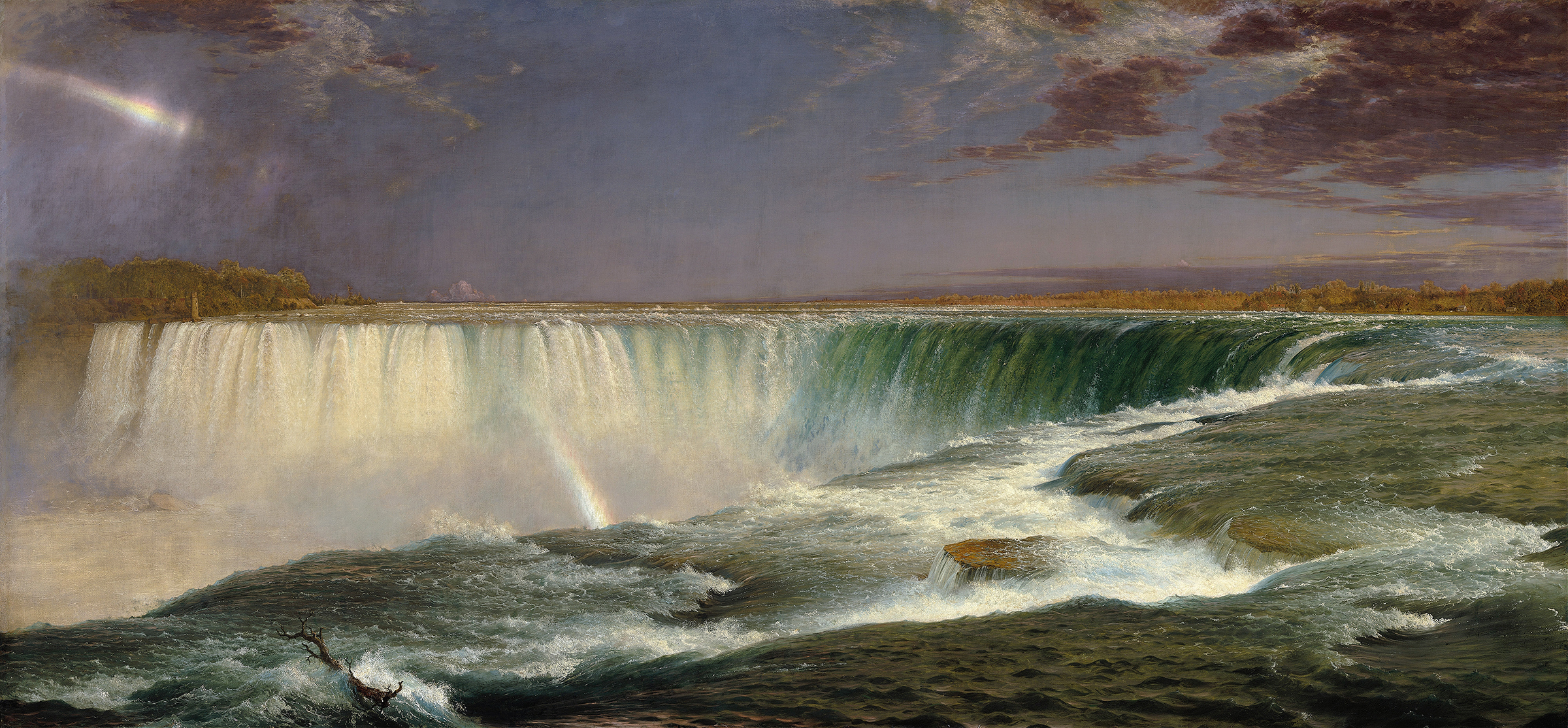
Niagara
Frederic Edwin Church
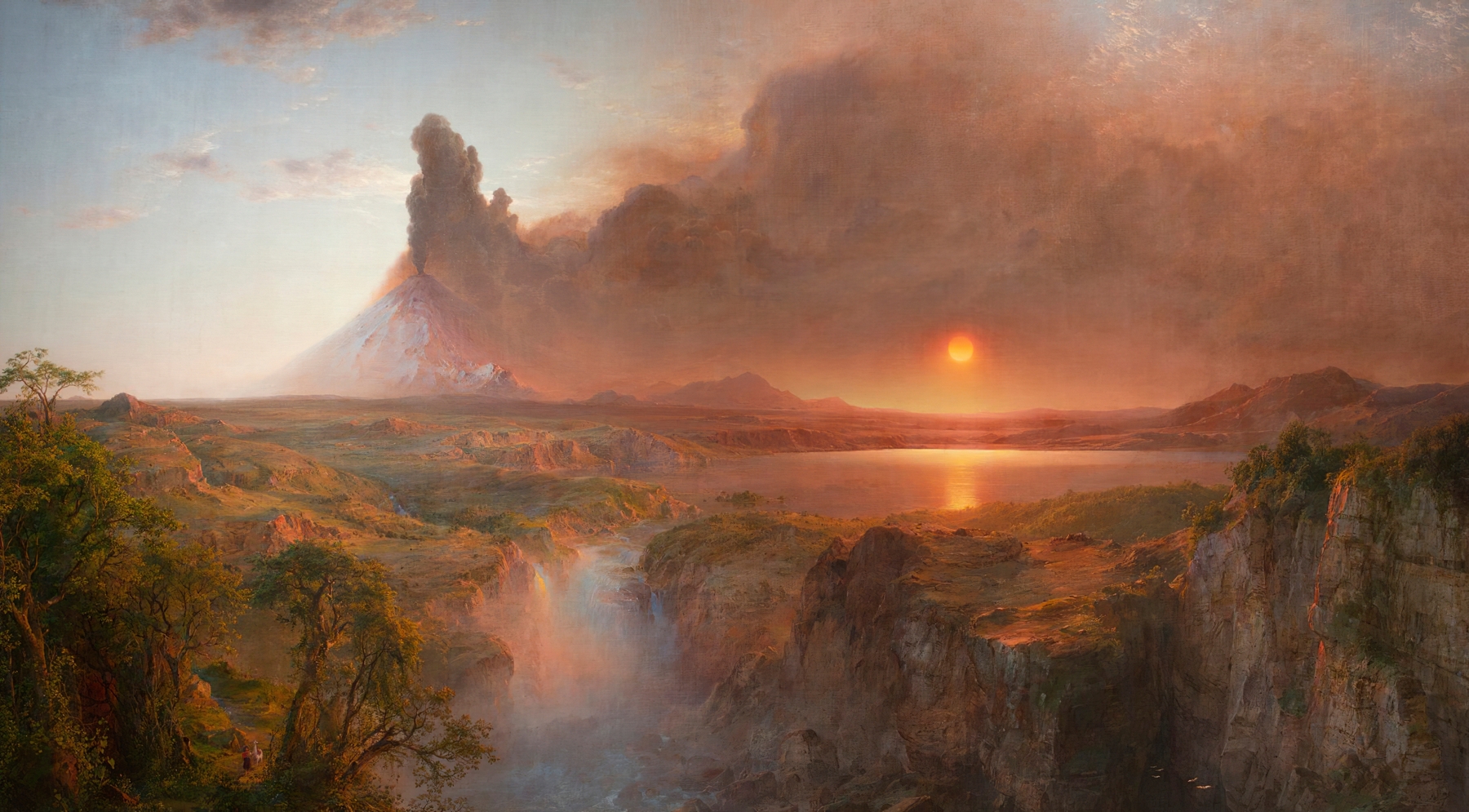
Cotopaxi
Frederic Edwin Church
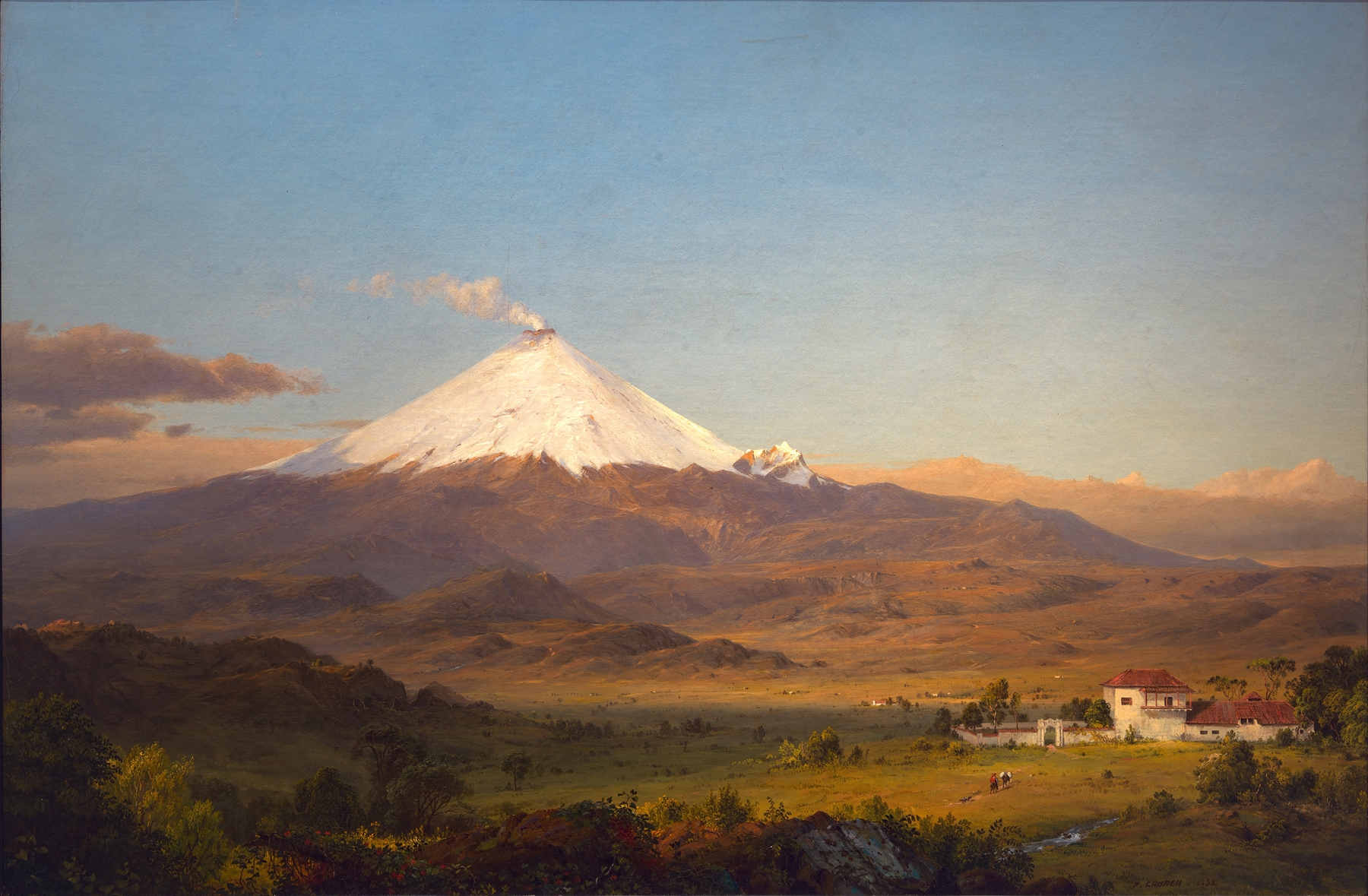
Cotopaxi
Frederic Edwin Church
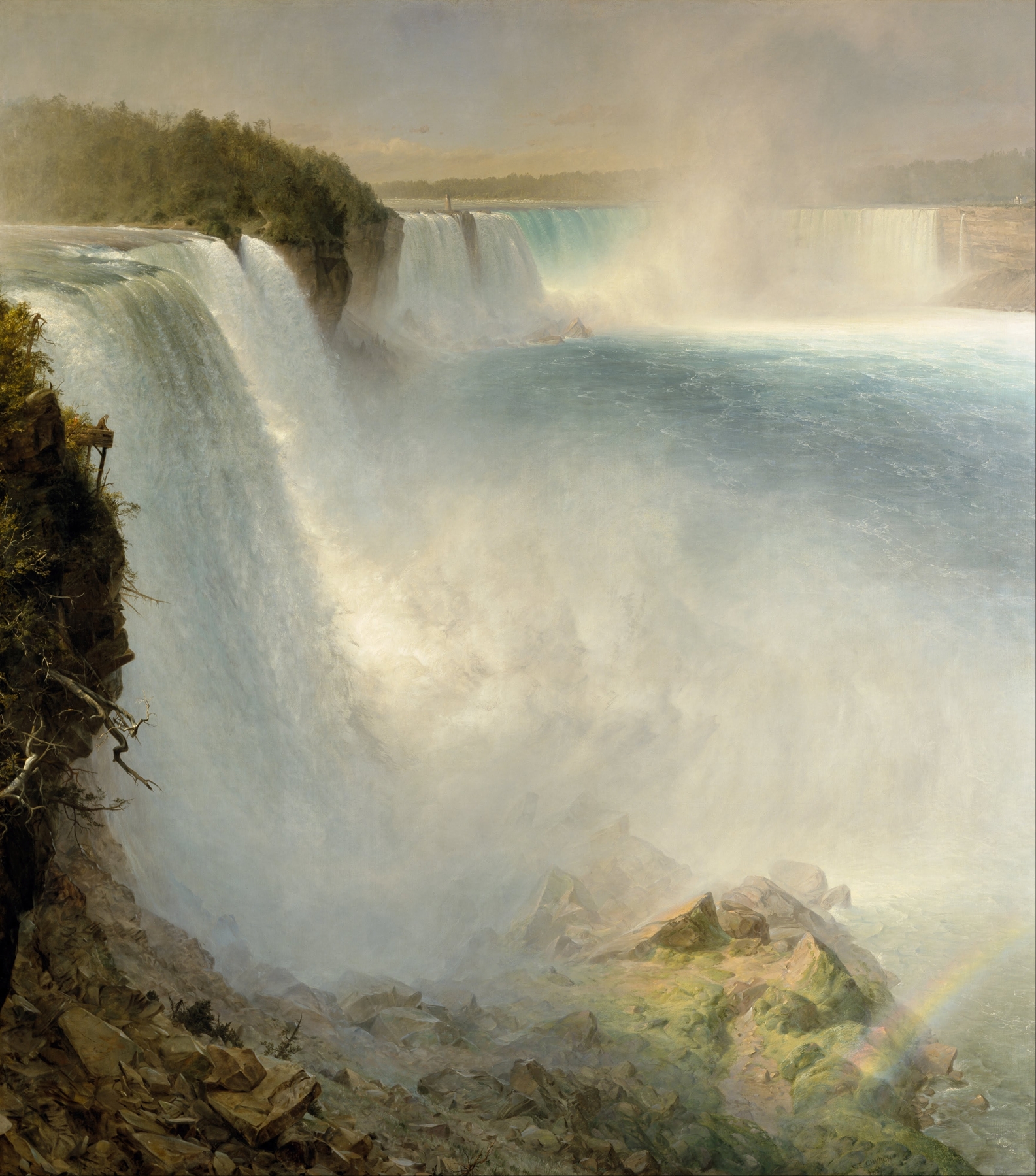
Niagara Falls, from the American Side
Frederic Edwin Church
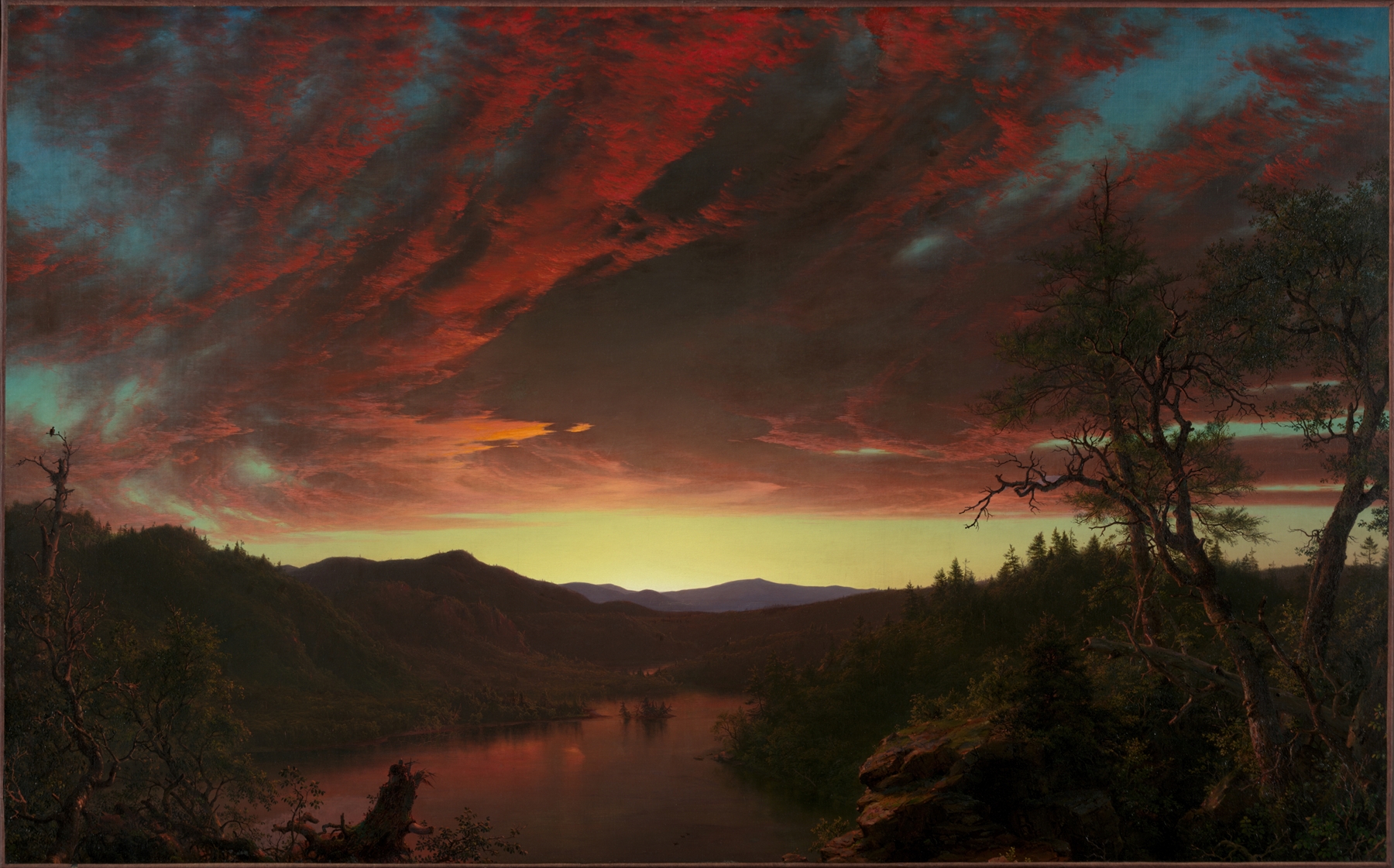
Twilight in the Wilderness
Frederic Edwin Church
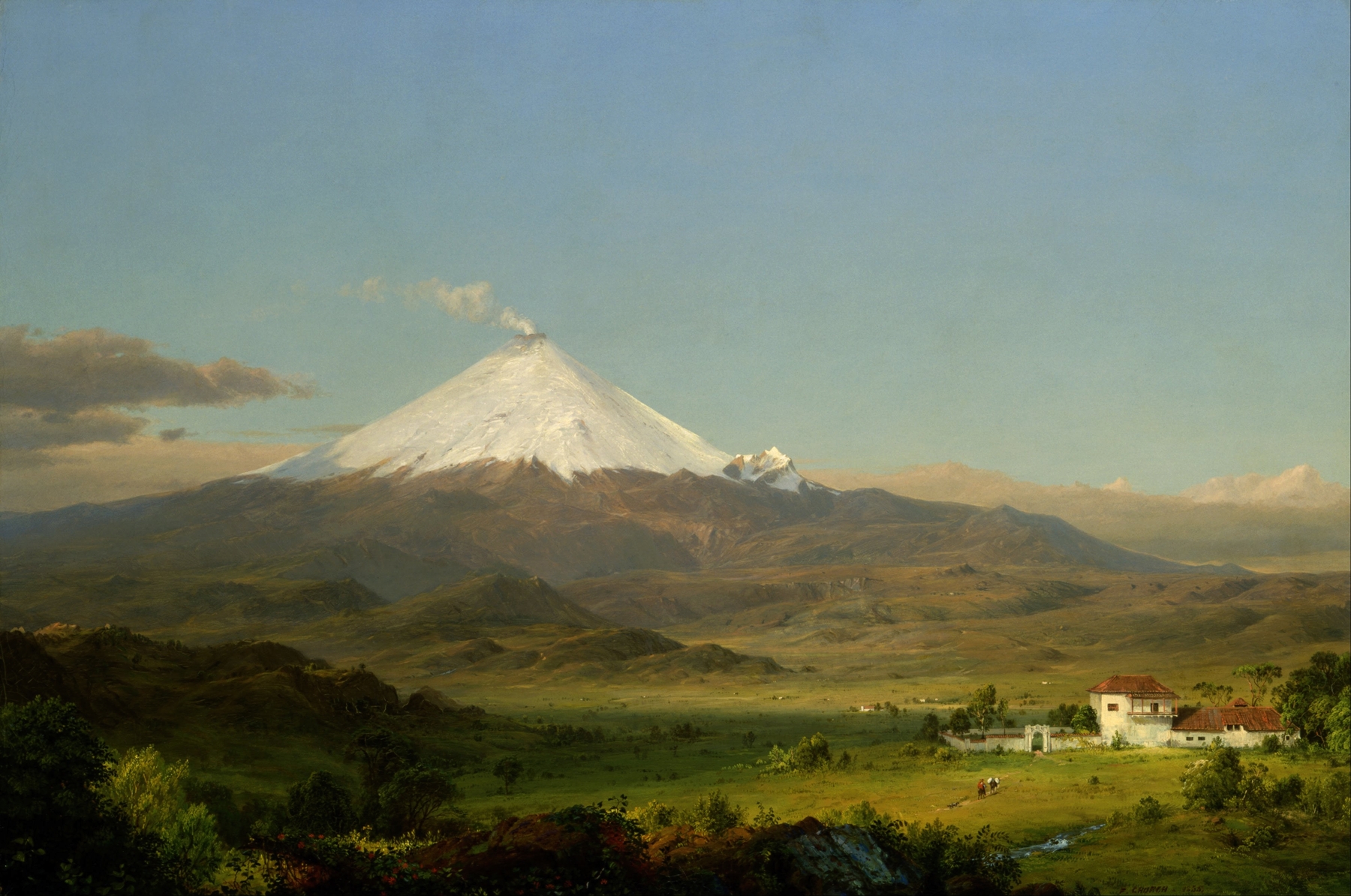
Cotopaxi
Frederic Edwin Church
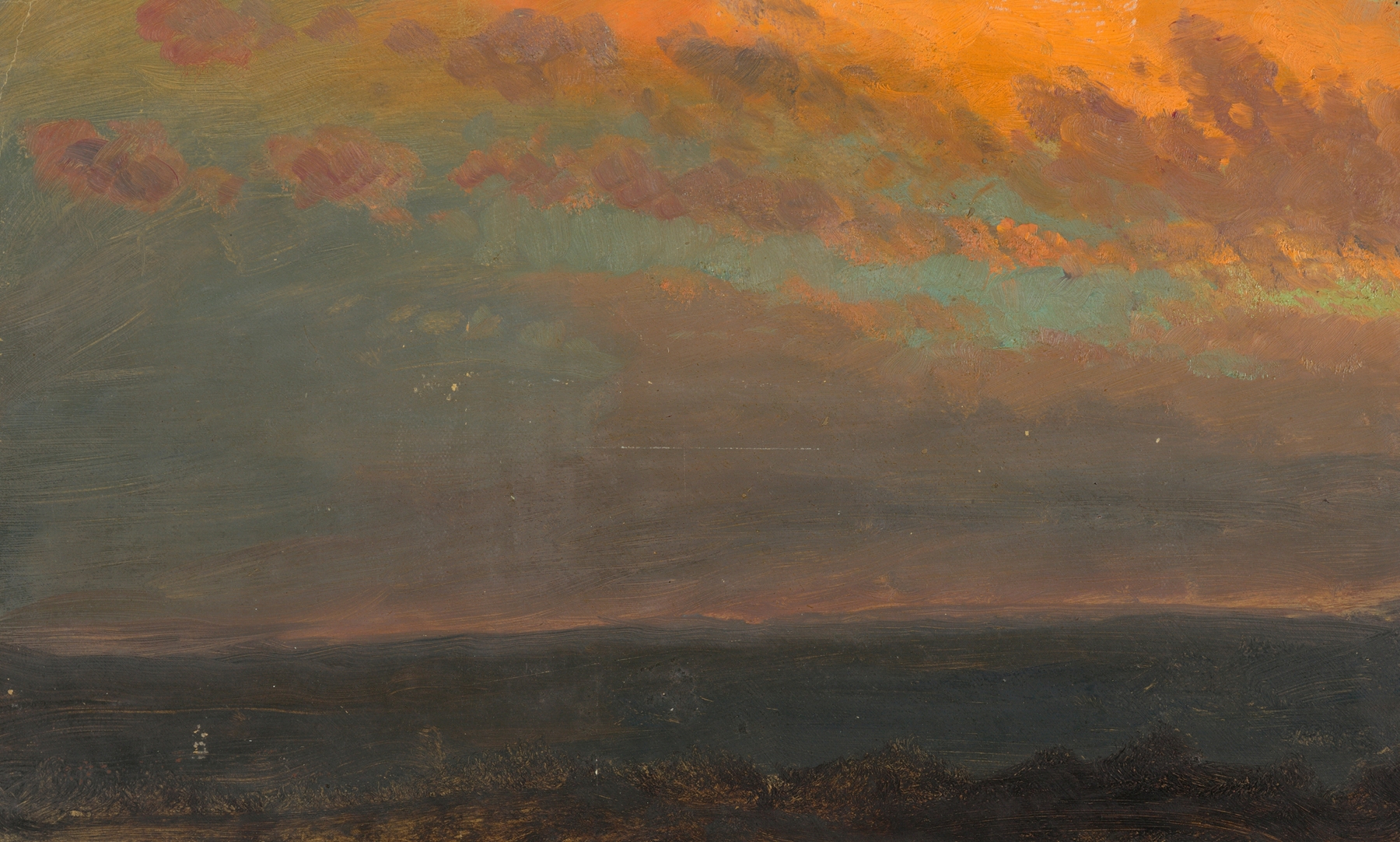
Hudson Valley at Sunset
Frederic Edwin Church
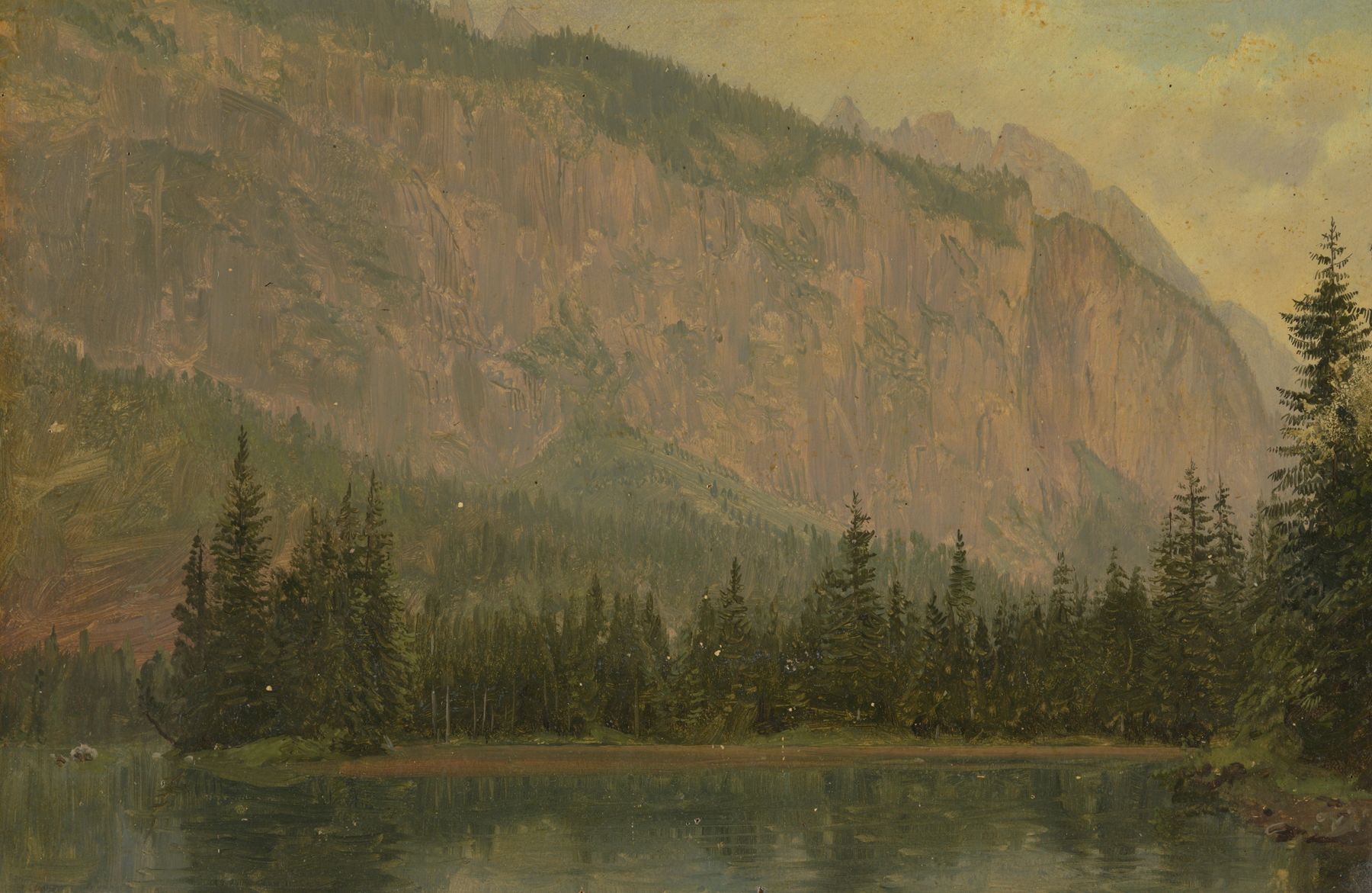
The Hintersee, near Berchtesgaden, Bavaria
Frederic Edwin Church
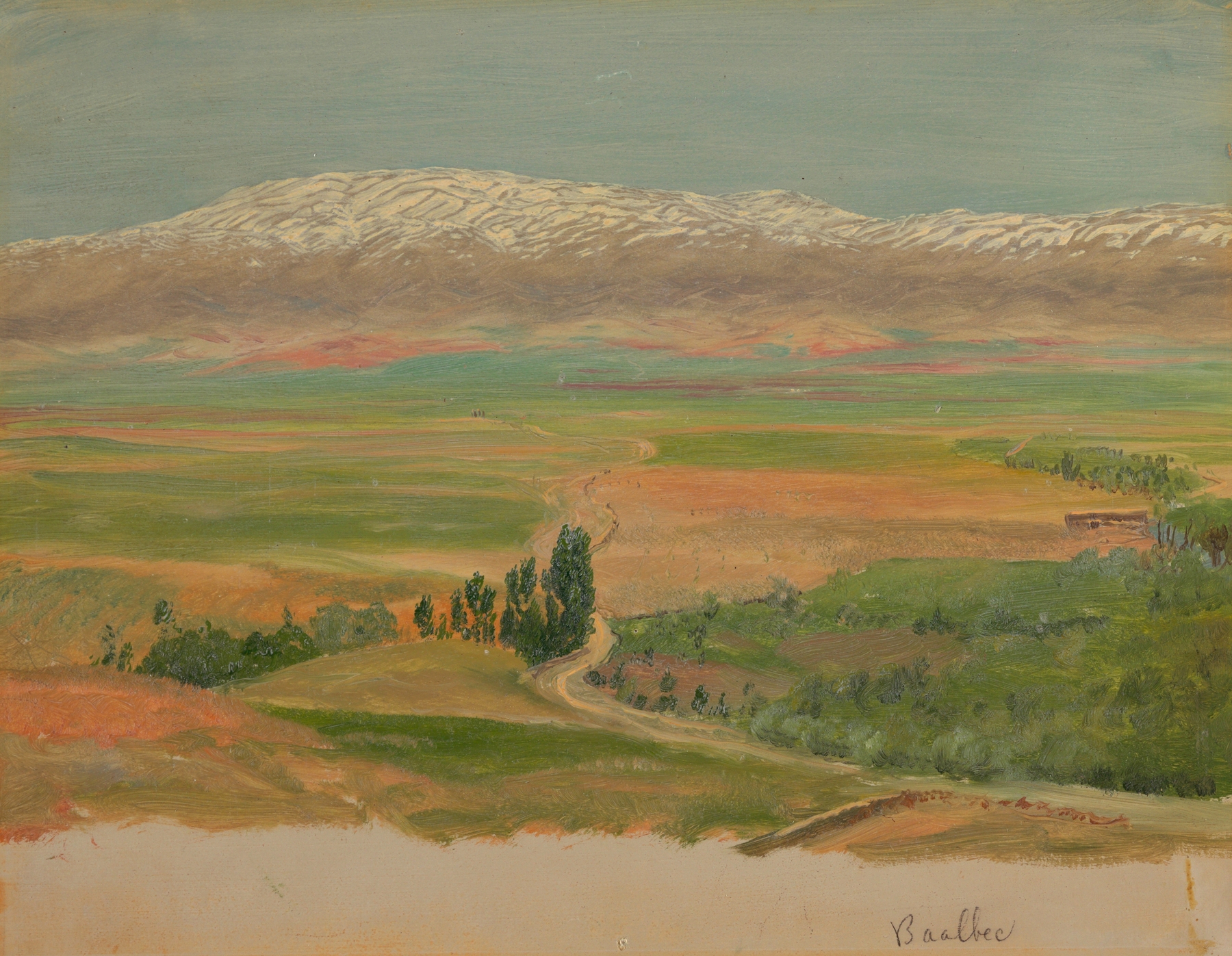
Mountains near Baalbec
Frederic Edwin Church
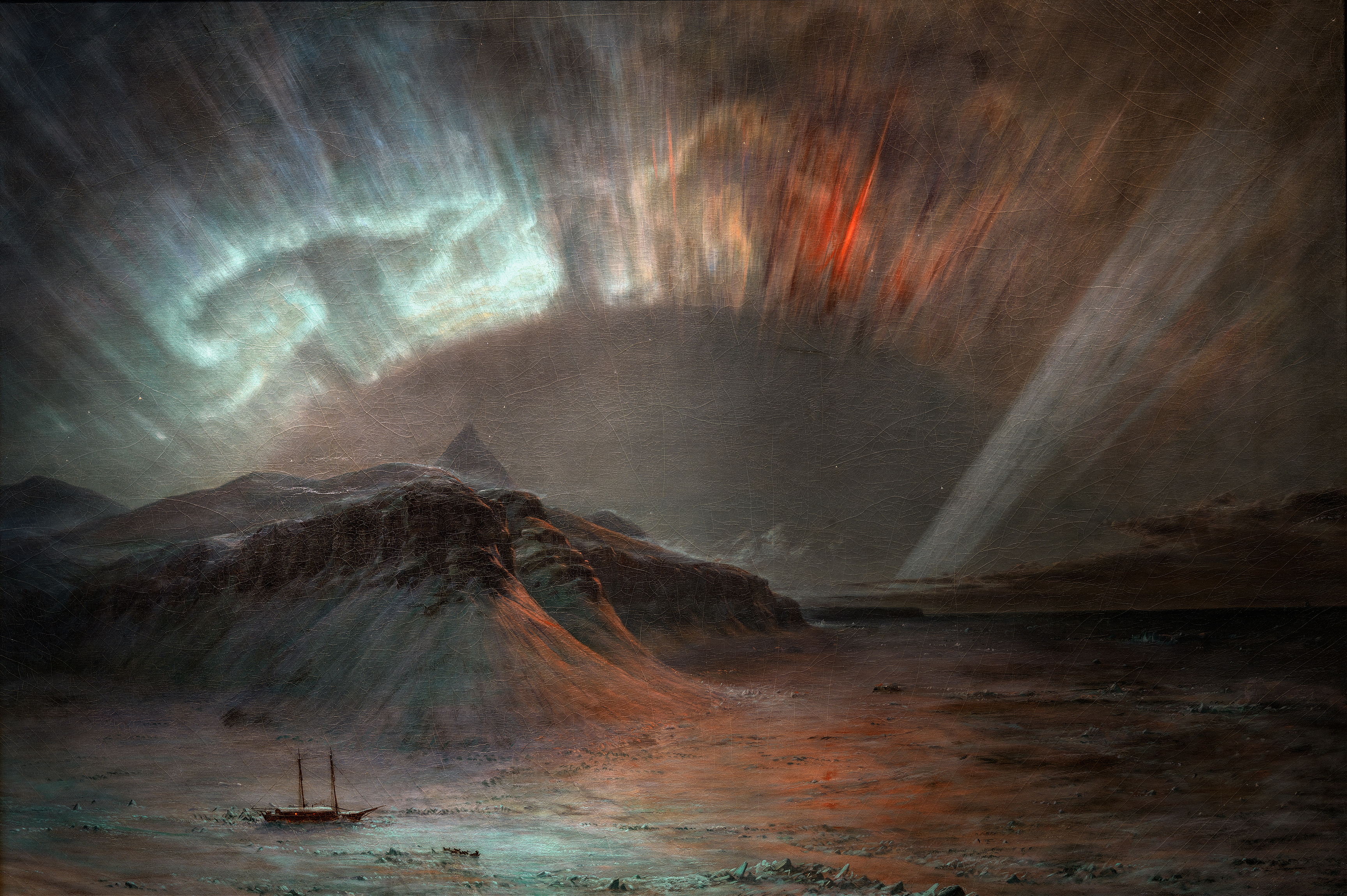
Aurora Borealis
Frederic Edwin Church