
Niagara Falls in Evening Light — History & Facts
The shimmering cascade of a waterfall, framed by the gentle embrace of twilight, reflects both the splendor and the melancholy of existence. In Niagara Falls in Evening Light, the majestic power of nature stands as a testament to hope amid the swirling depths of emotion. Look to the center of the canvas, where the sun dips low, casting an ethereal glow upon the rushing waters. The vibrant oranges and pinks of the sky bleed into the grays and blues of the cascading falls, creating a striking contrast that draws the eye.
Notice how the light dances upon the surface of the water, illuminating the foam of the falls like a delicate lace, while the surrounding trees and rocks frame the scene, grounding it in reality. Yet, beneath this surface beauty lies an undercurrent of tension. The force of the water, both mesmerizing and overwhelming, symbolizes the struggle between nature’s magnificence and human vulnerability. The soft interplay of light and shadow evokes a sense of transience, reminding us that every moment of beauty is fleeting, much like hope itself.
This painting captures the duality of sight and sensation, where joy and sorrow intertwine seamlessly. Frederic Edwin Church created this masterpiece in 1856 during a period of great innovation and exploration in American art. Living in a rapidly changing world, he sought to convey the awe-inspiring beauty of the natural landscape while reflecting on the human experience. His works, steeped in both realism and romanticism, resonated with the American audience, evoking a deep connection to the sublime power of nature.
More Artworks by Frederic Edwin Church
Browse all →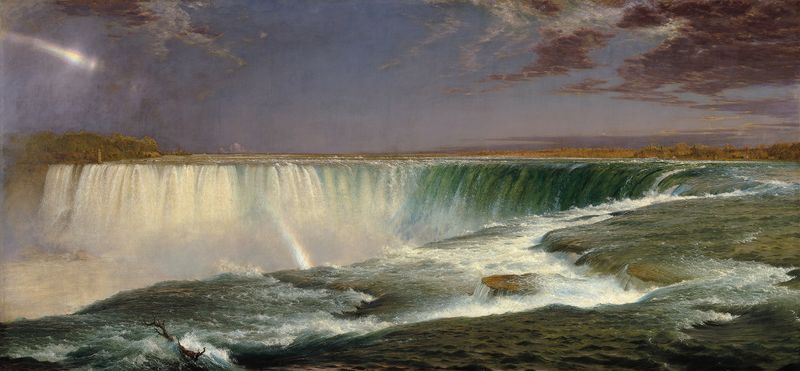
Niagara
Frederic Edwin Church
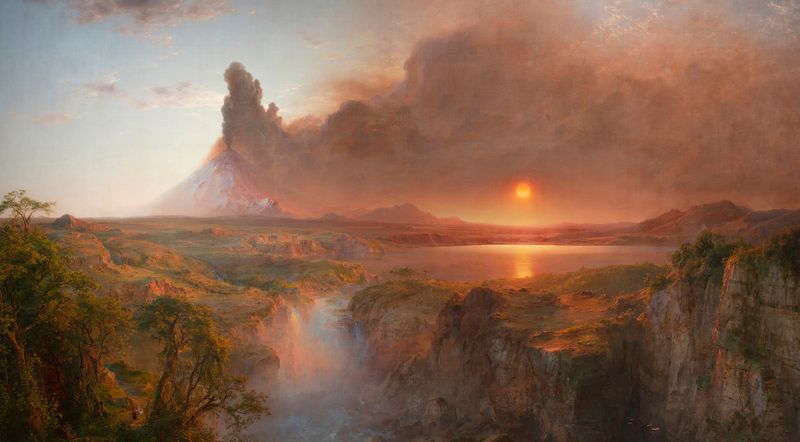
Cotopaxi
Frederic Edwin Church
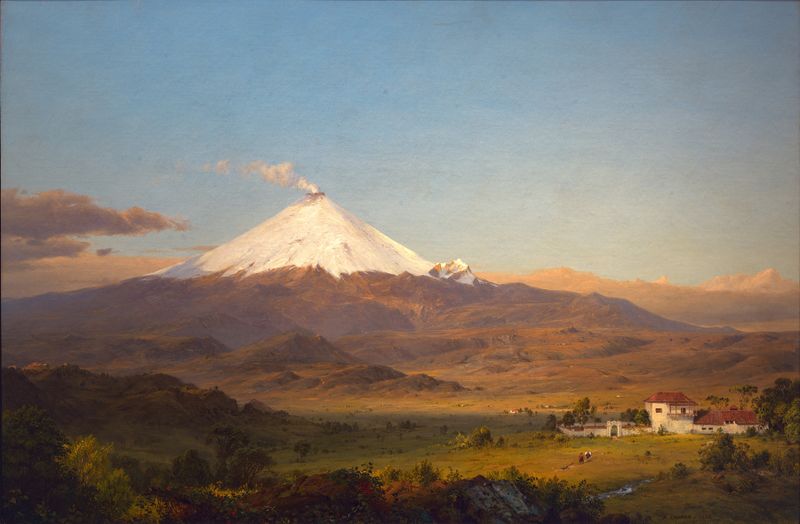
Cotopaxi
Frederic Edwin Church
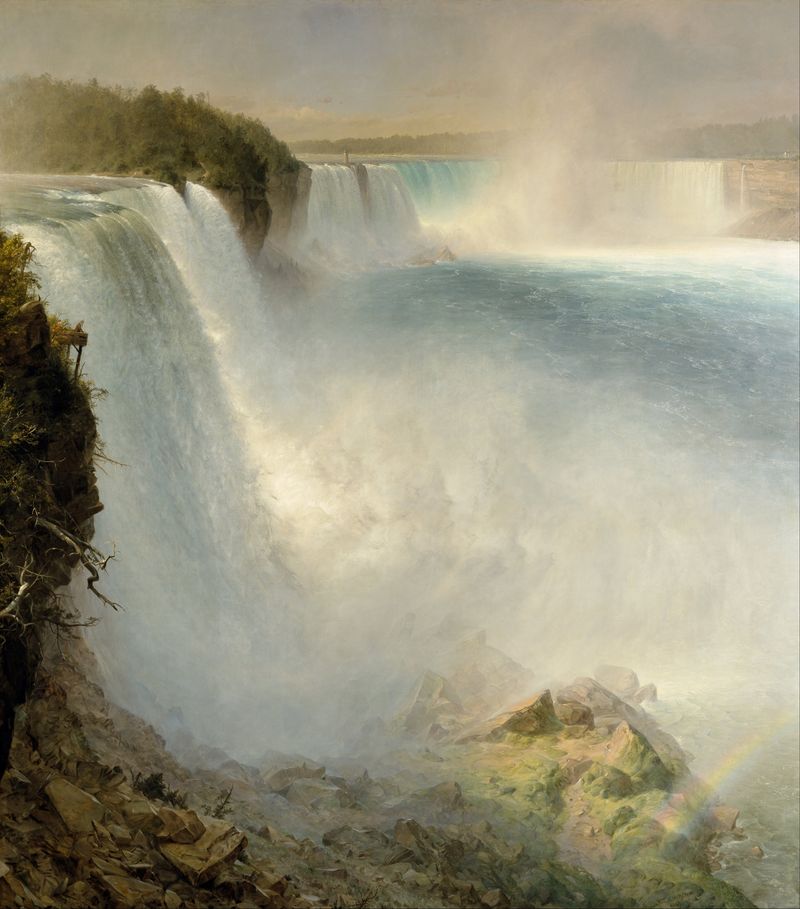
Niagara Falls, from the American Side
Frederic Edwin Church
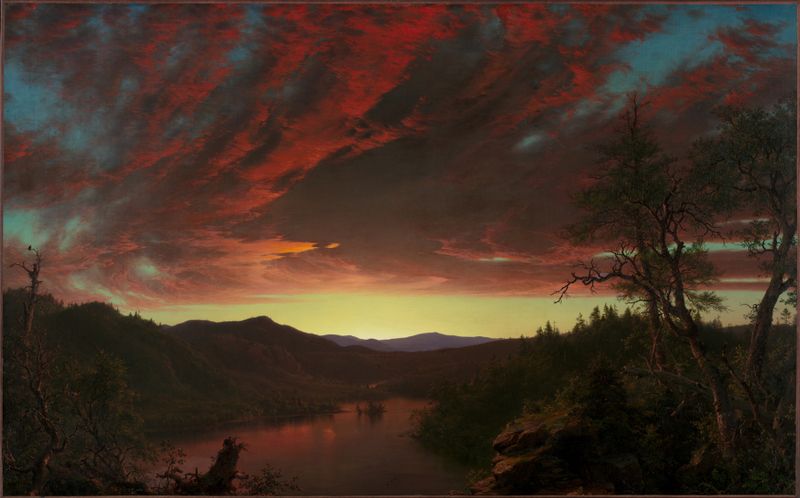
Twilight in the Wilderness
Frederic Edwin Church
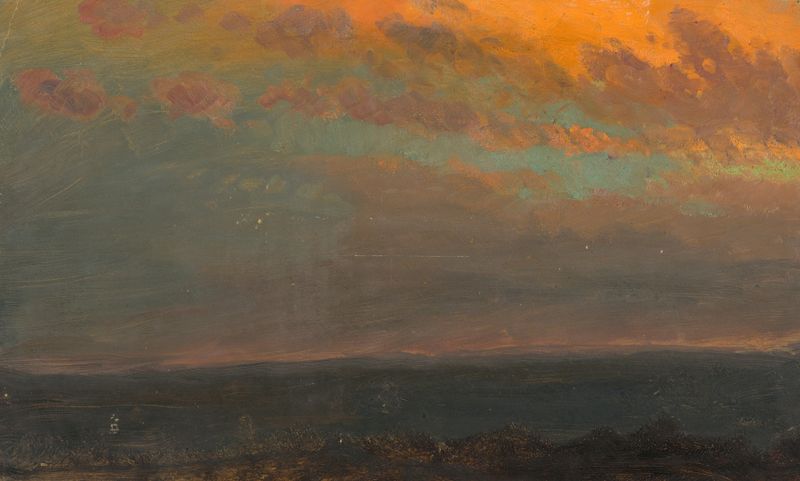
Hudson Valley at Sunset
Frederic Edwin Church
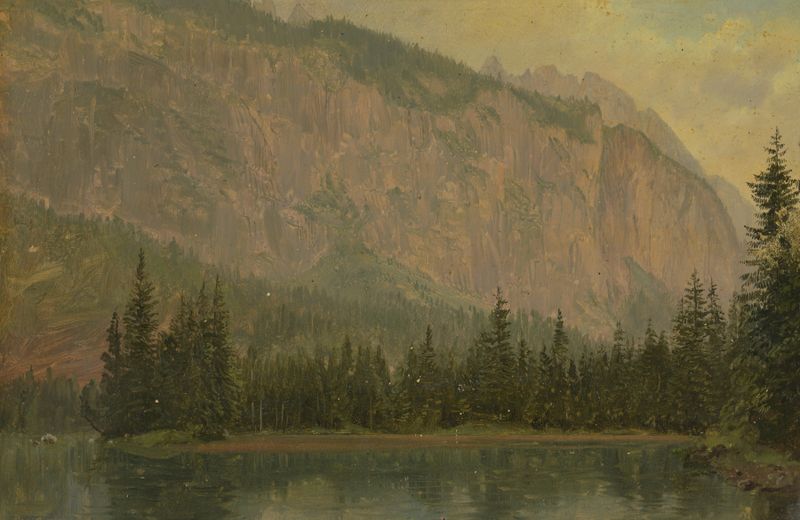
The Hintersee, near Berchtesgaden, Bavaria
Frederic Edwin Church
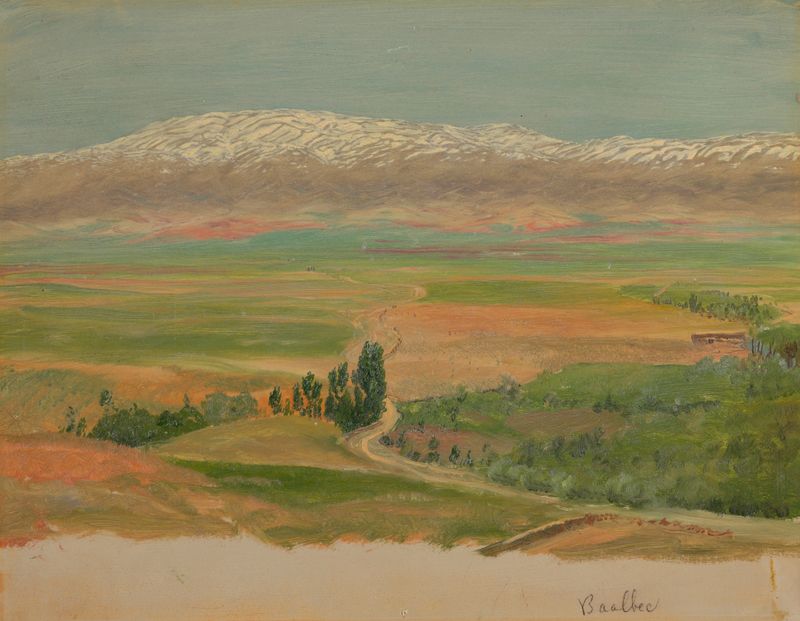
Mountains near Baalbec
Frederic Edwin Church
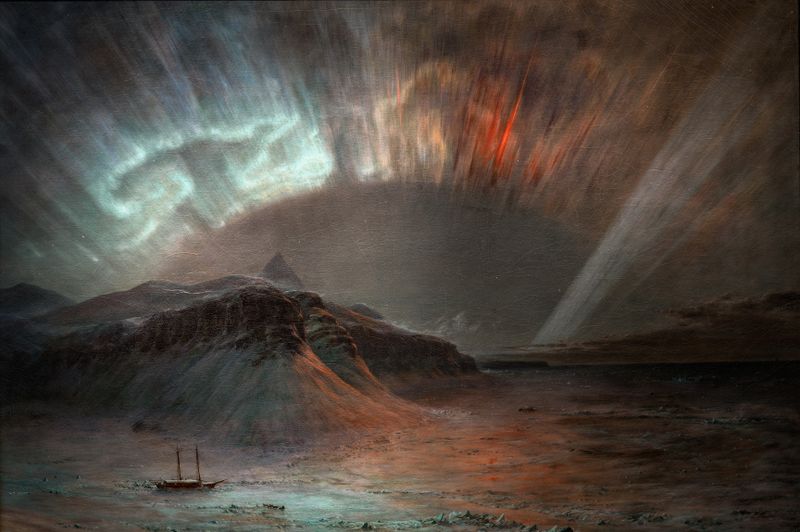
Aurora Borealis
Frederic Edwin Church
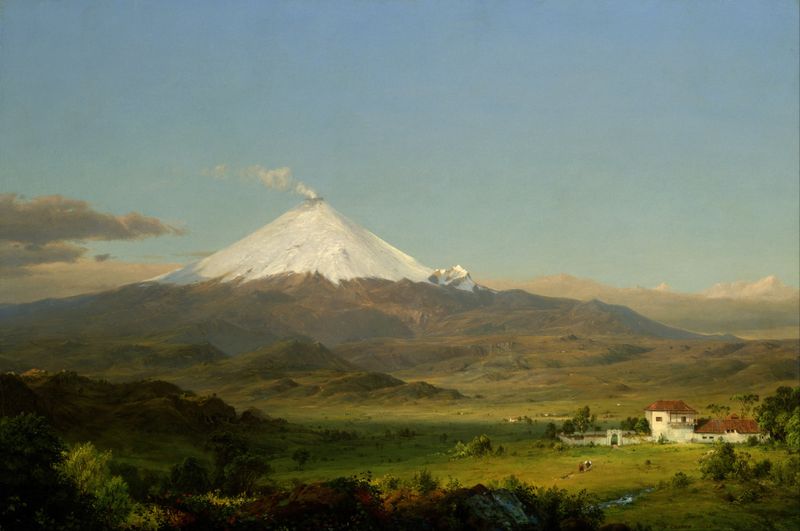
Cotopaxi
Frederic Edwin Church





