
Nieuwe vestingsgracht van de vestingwerken in Tarente — History & Facts
What secret hides in the quiet of the canvas? As time weathered the vibrant strokes of life, decay transformed this landscape into a haunting reflection of past glory. Look to the left at the remnants of stone walls, their textures etched by time, whispering tales of defense and decay. The subdued palette—soft ochres and muted greens—evokes a melancholic charm, while the delicate brushwork captures the play of light and shadow, revealing the intricate details of both nature and man-made structures alike. Notice how a single beam of sunlight pierces through the clouds, illuminating patches of grass that fight against the encroaching ruin. Beneath its serene surface, the painting exposes the tension between nature's resilience and humanity's impermanence.
The crumbling bastion stands defiant, yet its decay hints at inevitable decline; it embodies a dialogue between what was once formidable and what is now vulnerable. This juxtaposition invites contemplation on the passage of time and the transient nature of civilization itself. Created in 1778, this work emerged during Ducros's time in Italy, a period marked by a burgeoning appreciation for landscape painting. The artist, part of a wave that sought to capture the beauty and history of the Italian landscape, was influenced by the Enlightenment ideals surrounding nature and aesthetics.
In a world shifting towards Romanticism, Ducros's exploration of decay reflects not only his artistic ambitions but also a growing awareness of temporality in art and life.
More Artworks by Abraham-Louis-Rodolphe Ducros
Browse all →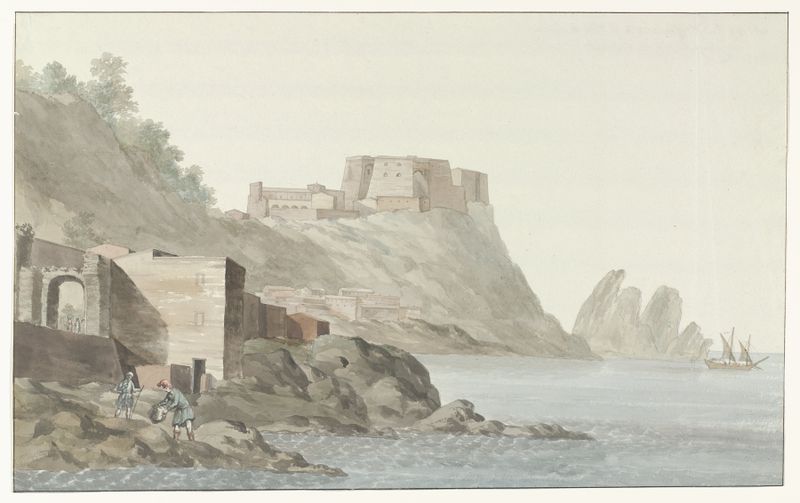
Rots en stad Scilla in de regio Calabrië aan de oostkust
Abraham-Louis-Rodolphe Ducros
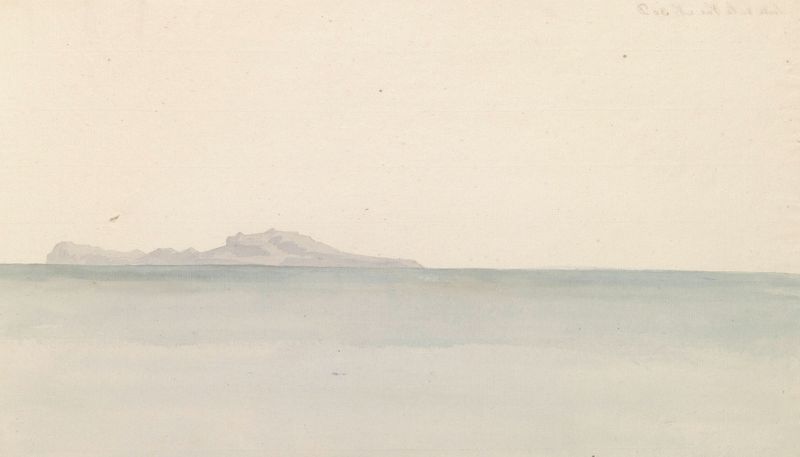
Gezicht op Golf van Napels vanaf kade bij kerk Santa Maria del Carmine
Abraham-Louis-Rodolphe Ducros
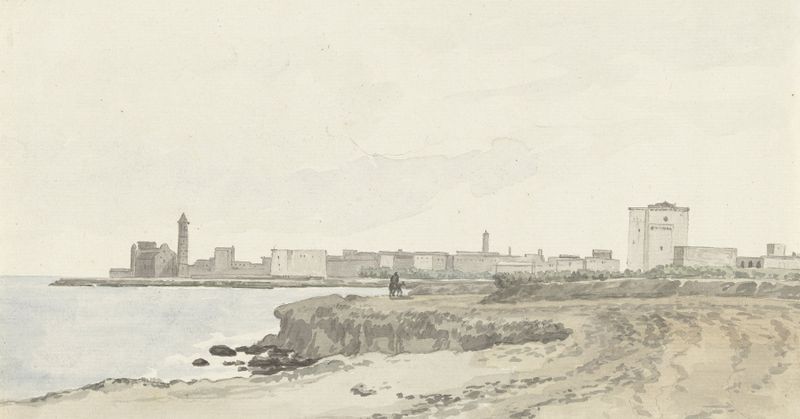
Gezicht op Trani gelegen aan de kust
Abraham-Louis-Rodolphe Ducros
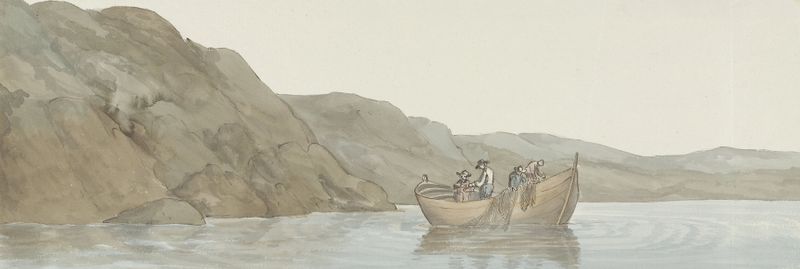
Gezicht op Kaap Paceco in Calabrië nabij de stad Scilla
Abraham-Louis-Rodolphe Ducros
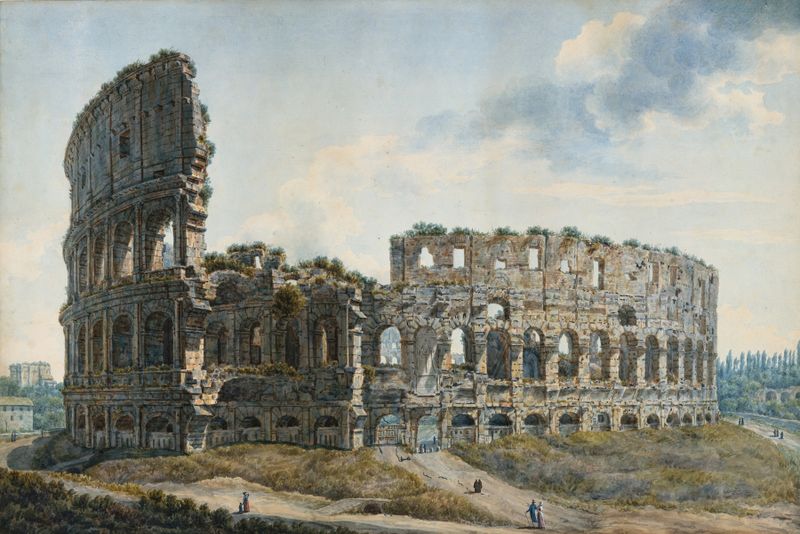
The Colosseum, Rome.
Abraham-Louis-Rodolphe Ducros
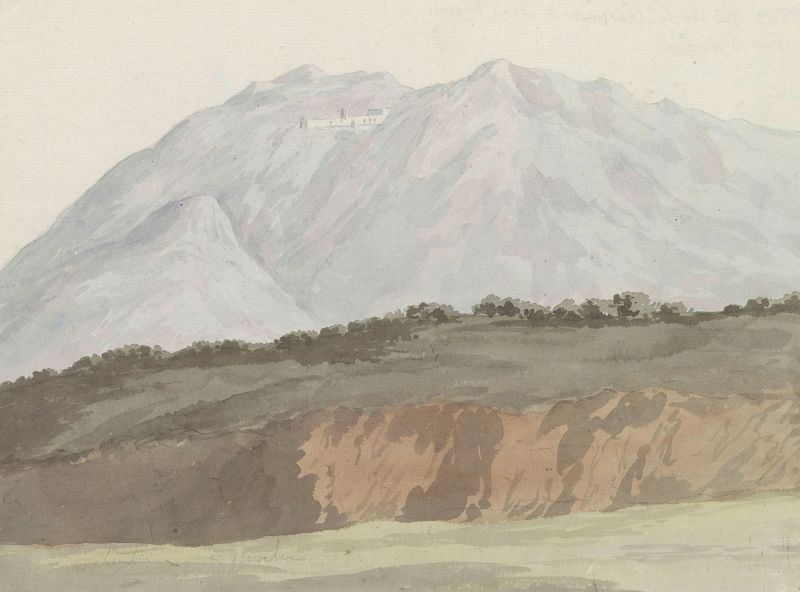
Gezicht op kartuizerklooster van Monte Vergine hoog gelegen boven Avellino
Abraham-Louis-Rodolphe Ducros
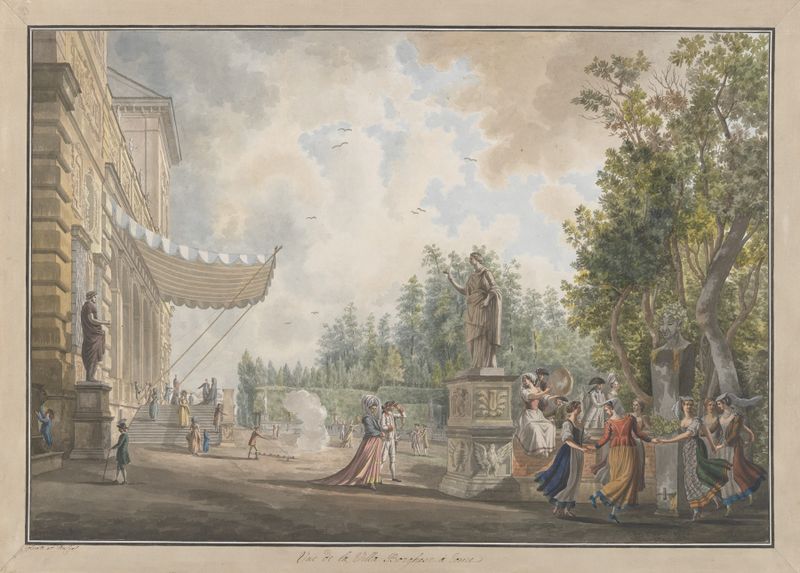
Villa Borghese
Abraham-Louis-Rodolphe Ducros
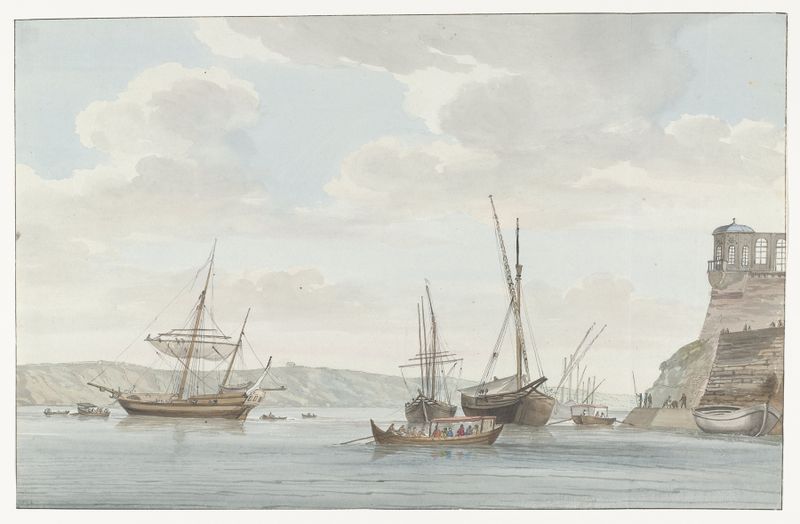
Tuinhuis van de Jardin du Grand Maître uittorend boven de haven met galei schepen op Malta
Abraham-Louis-Rodolphe Ducros
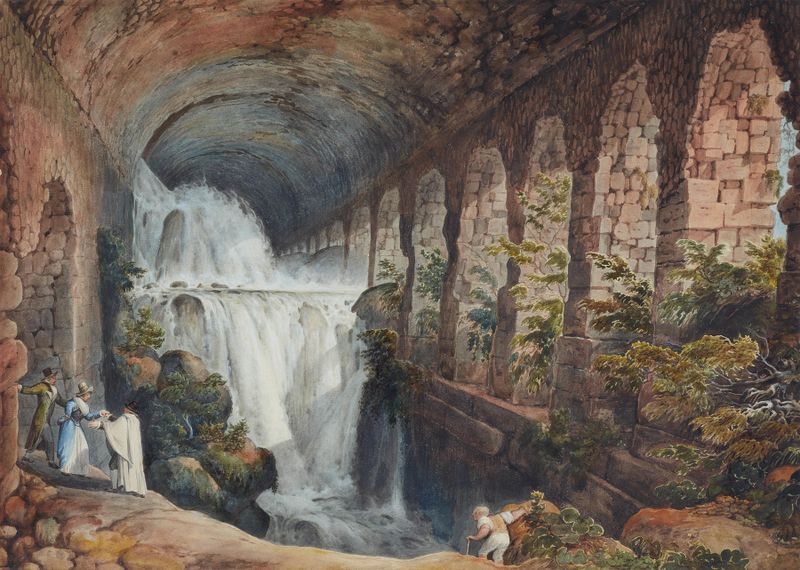
Aquädukt unter der Villa des Maecenas in Tivoli
Abraham-Louis-Rodolphe Ducros
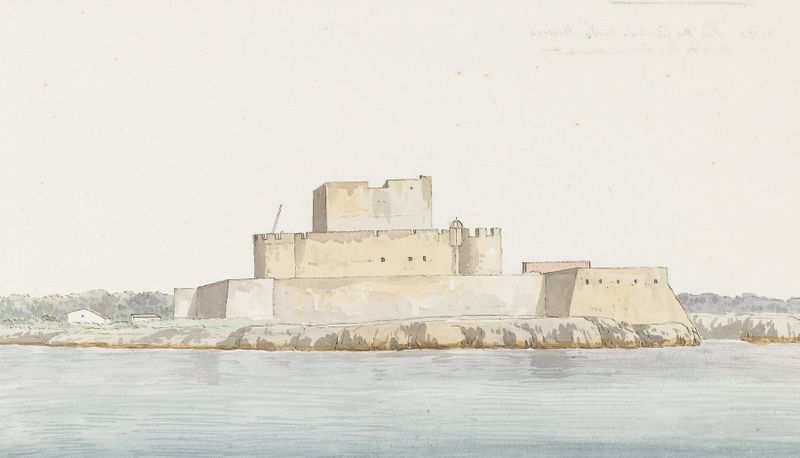
Gezicht op kasteel van San Mauro la Bruca vanaf zee bij aankomst
Abraham-Louis-Rodolphe Ducros





