
Night — History & Facts
Can paint confess what words never could? In the depths of hushed twilight, color spills forth like whispered secrets, beckoning the viewer to lose themselves in its embrace. Look to the left at the deep indigo sky, punctuated by stars that shimmer with a delicate touch of white. Notice how the artist employs rich tones of blue and purple, creating a sense of depth that draws you into the nocturnal landscape. The gentle gradient of the horizon melds seamlessly into a darker expanse, suggesting an infinite distance that invites contemplation.
A solitary figure stands silhouetted against this backdrop, their presence grounding the composition amidst the ethereal beauty of the night. Hidden within the tranquil scene lies a poignant contrast between solitude and infinity. The figure, alone, reflects the existential weight of human experience, while the vast sky evokes the boundless possibilities of life and dreams. The interplay of light and shadow suggests both comfort and unease, hinting at the duality of night—where fear and peace coexist in a fragile equilibrium.
Each brushstroke carries the weight of emotion, imbuing the canvas with a sense of longing that resonates beyond the visual. In 1903, Night emerged from Jan Stanisławski’s studio in Poland during a period of artistic exploration and national sentiment. Influenced by the Symbolist movement, he sought to capture the essence of mood through color and light. This work reflects his engagement with the emotional landscapes of the human experience, embodying a transition in the art world towards deeper psychological representation.
More Artworks by Jan Stanisławski
Browse all →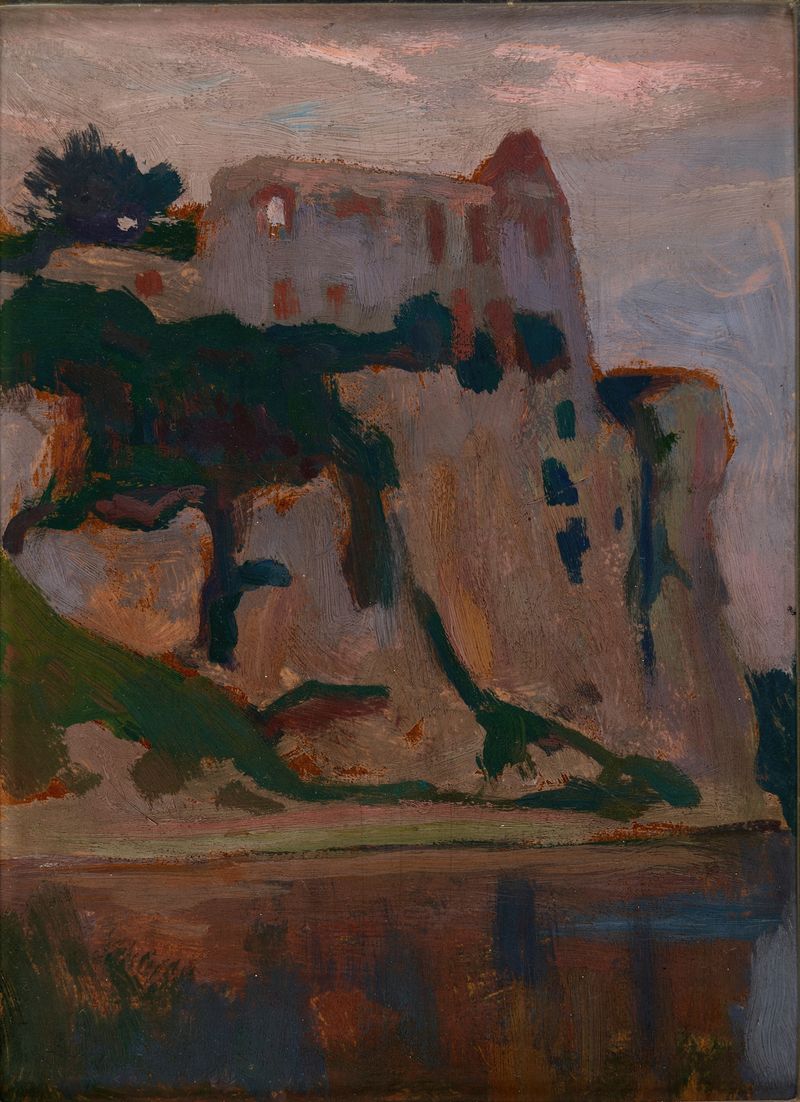
Tyniec at Dawn
Jan Stanisławski
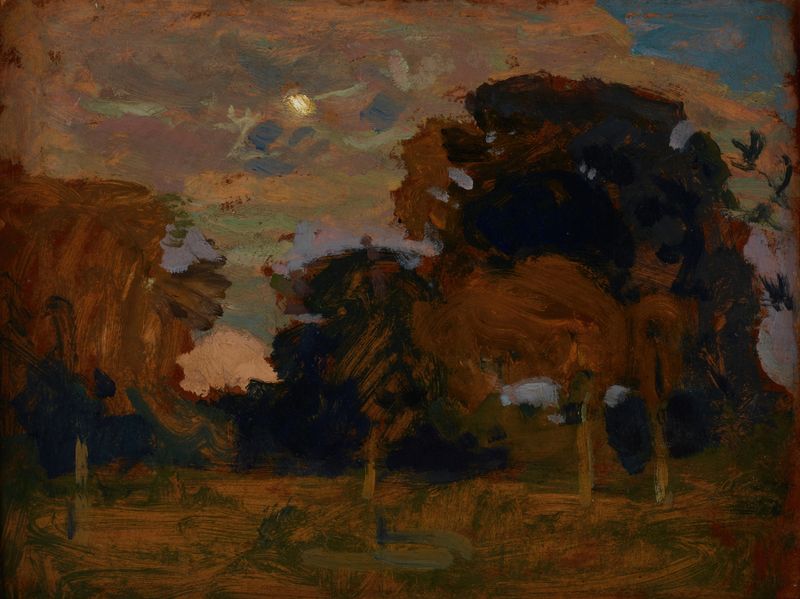
Moon in the Clouds
Jan Stanisławski
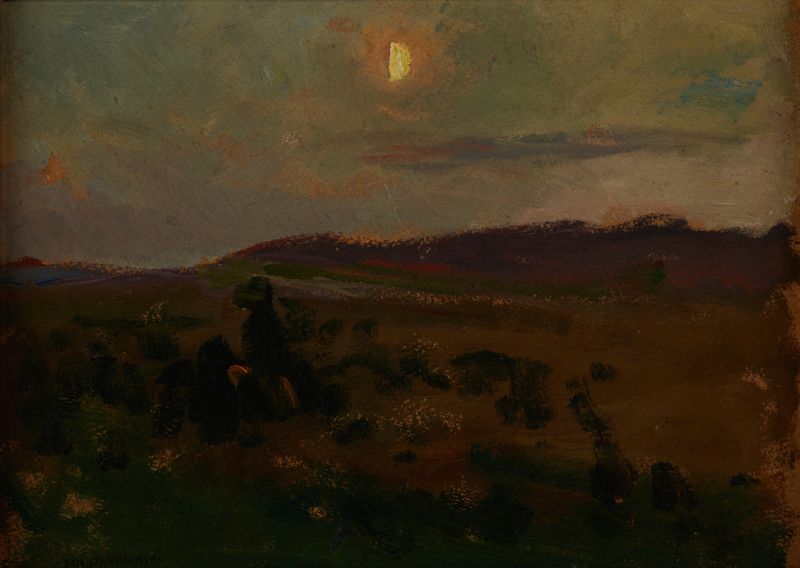
Moonrise
Jan Stanisławski
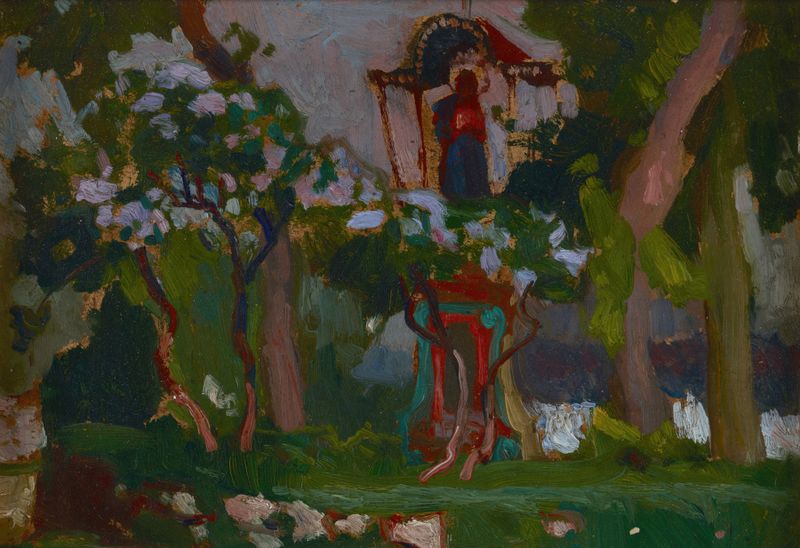
May
Jan Stanisławski
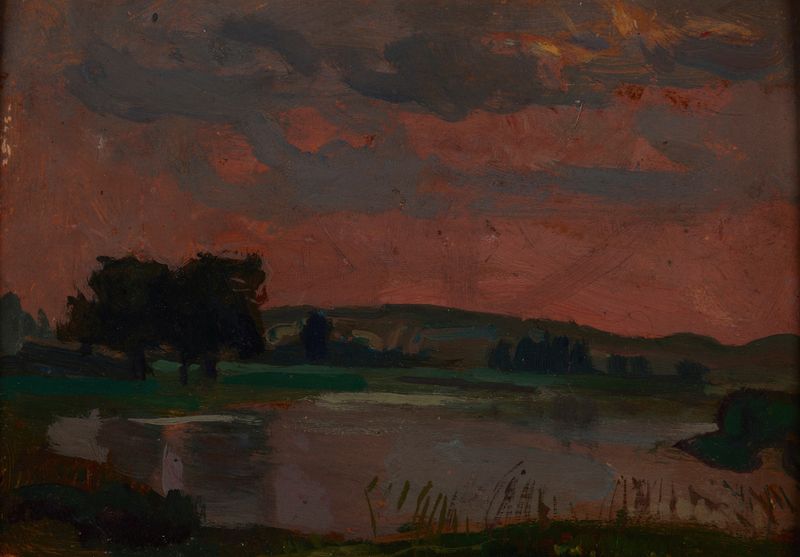
The Vistula in the Twilight
Jan Stanisławski
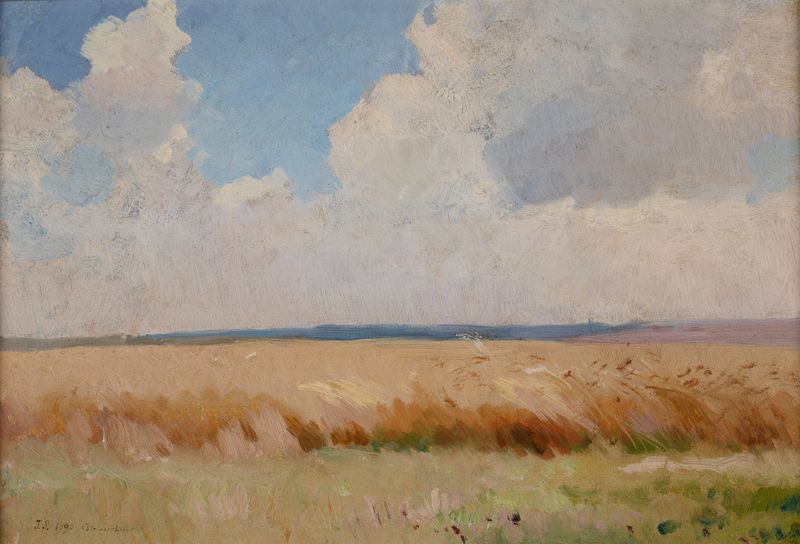
Field at Białocerkiew (Bila Tserkva)
Jan Stanisławski
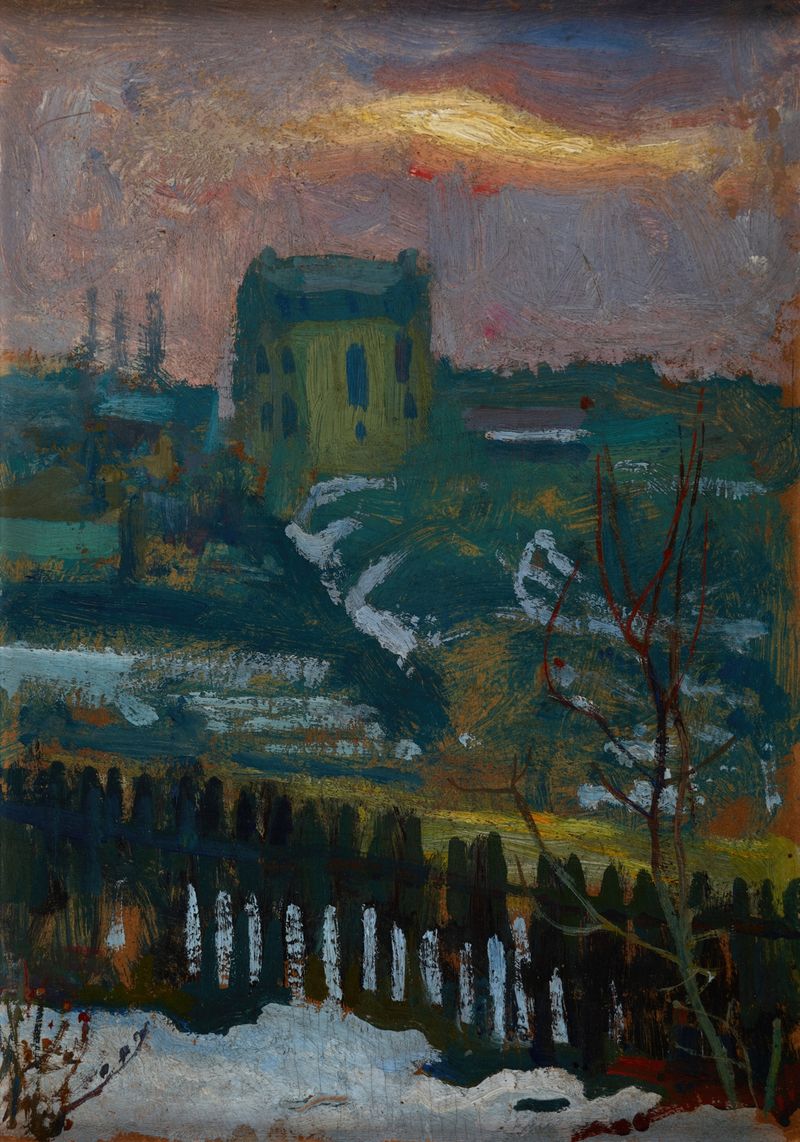
House in Winter
Jan Stanisławski
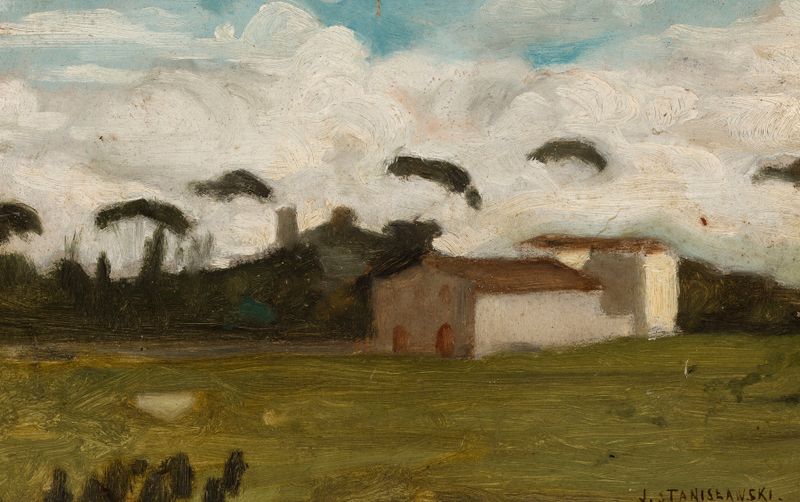
Landscape
Jan Stanisławski
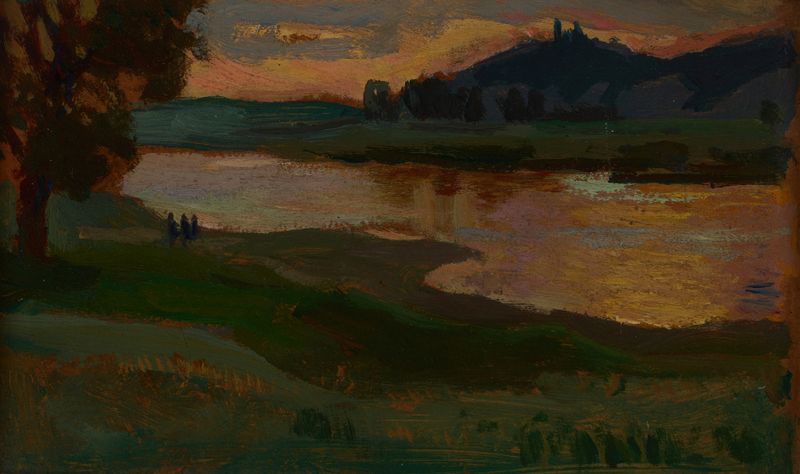
Bielany at Dusk
Jan Stanisławski
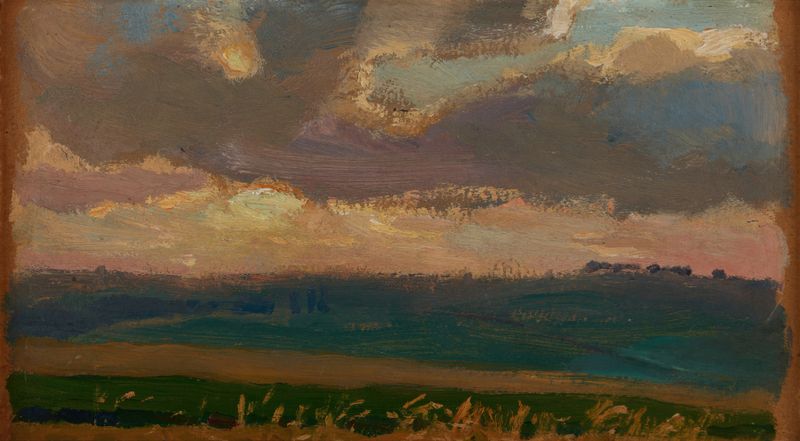
Fields at Proszowice
Jan Stanisławski





