
Night — History & Facts
Could beauty survive in a century of chaos? In Night, the silence of a deep blue twilight beckons both contemplation and unease, inviting the viewer to dwell in the shadows of a serene landscape. Focus on the horizon where the fading light merges with the encroaching night. The delicate strokes of watercolor create a gentle gradient, transitioning from vibrant yellows to somber blues. Look closely at the trees silhouetted against this ethereal backdrop; their wispy forms sway subtly, suggesting a fragile harmony between nature and the unfolding darkness.
The artist’s deft manipulation of light and shadow immerses you in the tranquil yet melancholic atmosphere, urging reflection on the fleeting nature of day. Beneath the calm surface lies a poignant tension. The void of night is not merely absence; it represents the uncertain future and the remnants of beauty that struggle to endure. The stillness of the composition contrasts sharply with the chaotic undercurrents of the era, hinting at the fragility of peace in a world on the brink of transformation.
Each element, from the starry sky to the hazy land, embodies a delicate balance between hope and despair. In 1769, Paul Sandby found himself navigating the complexities of a rapidly changing society, shaped by the tumult of the Industrial Revolution and a shifting artistic landscape. Working in England, he contributed to the emergence of watercolor as a respected medium while grappling with his own artistic identity. This period marked a pivotal moment in art, as traditional forms began to blur with new, expressive styles, which is reflected in the contemplative nature of Night.
More Artworks by Paul Sandby
Browse all →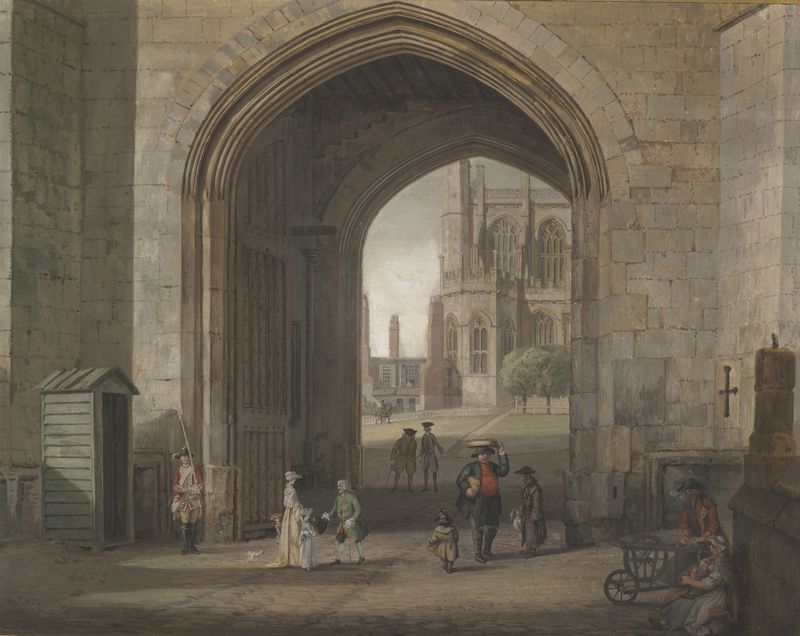
The Tower Gate at Windsor Castle
Paul Sandby

A Distant View of Maidstone, from Lower Bell Inn, Boxley Hill
Paul Sandby
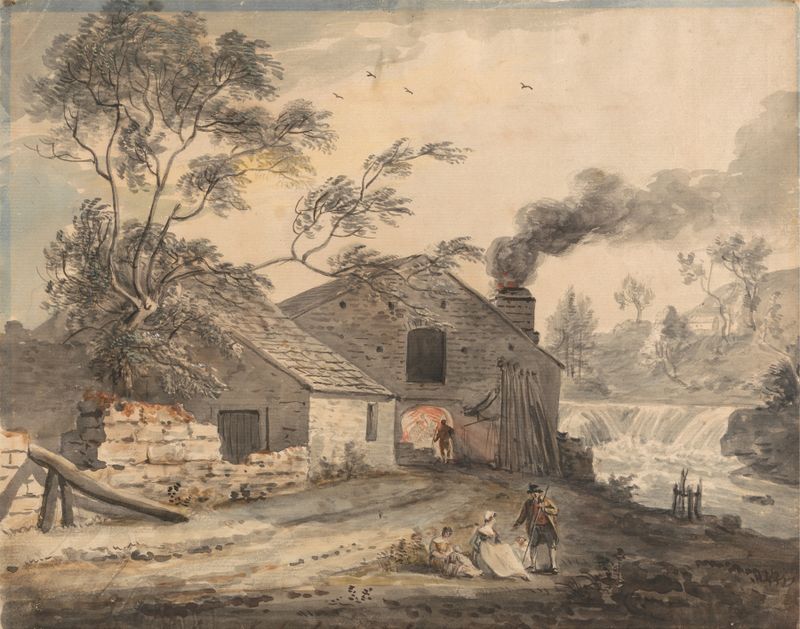
Iron Forge on the River Kent, Westmorland
Paul Sandby
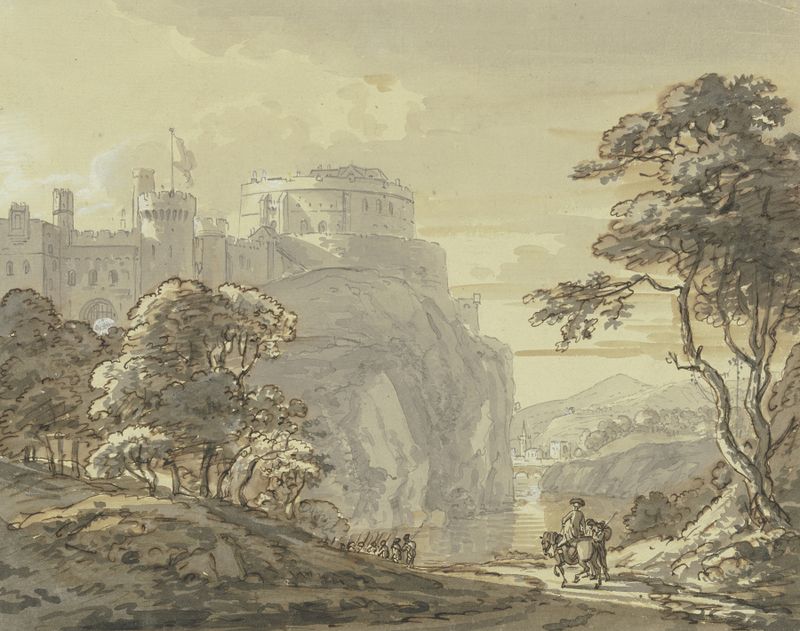
View of Windsor Castle
Paul Sandby

Hackwood Park, Hampshire
Paul Sandby

Roslin Castle, Midlothian
Paul Sandby
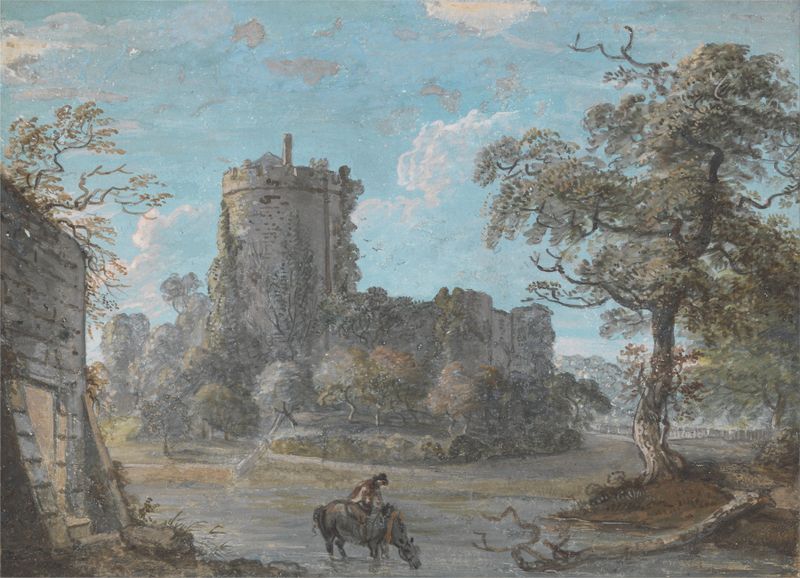
The Entrance to Chepstow Castle
Paul Sandby
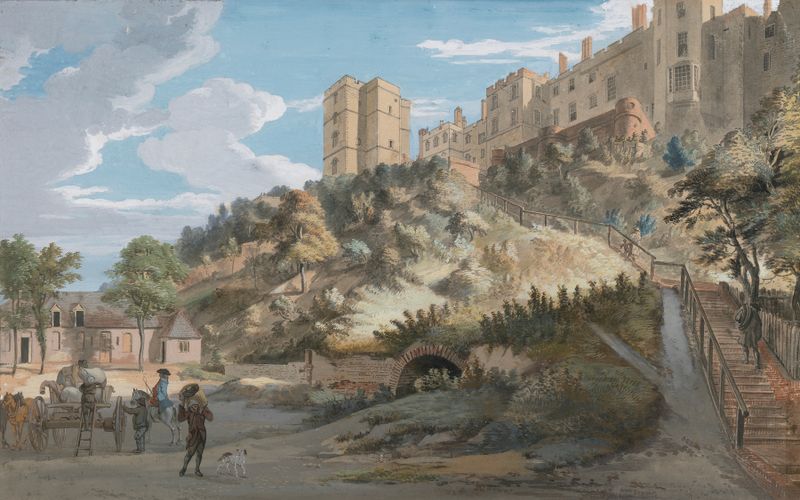
The Hundred Steps and Winchester Tower, Windsor Castle, Berkshire
Paul Sandby

Brook End, Essex
Paul Sandby
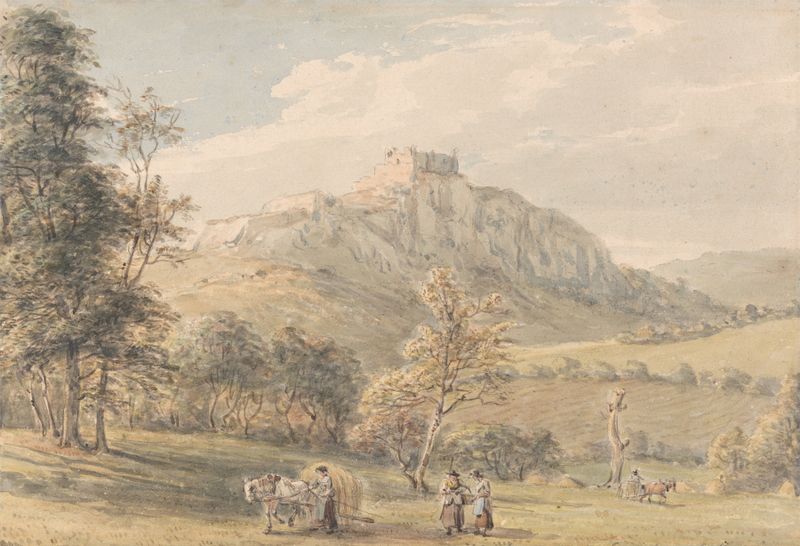
Carreg Cennen Castle
Paul Sandby





