Night Loading — History & Facts
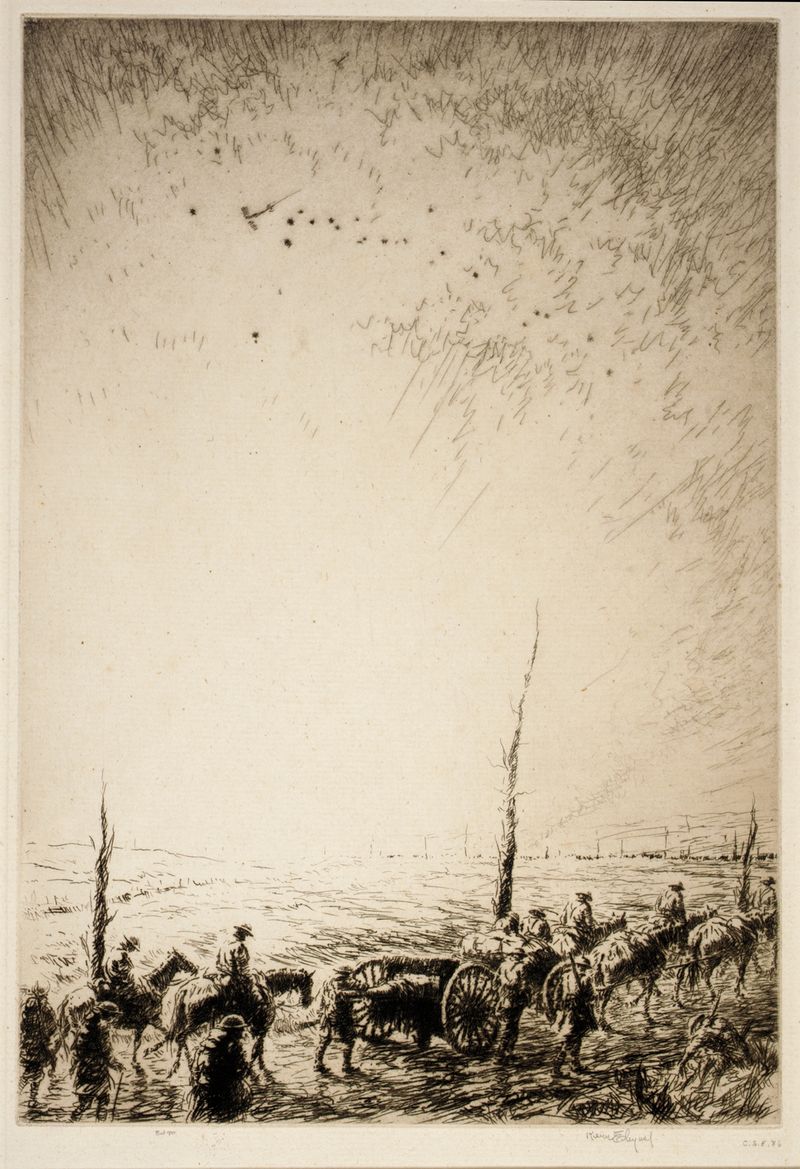
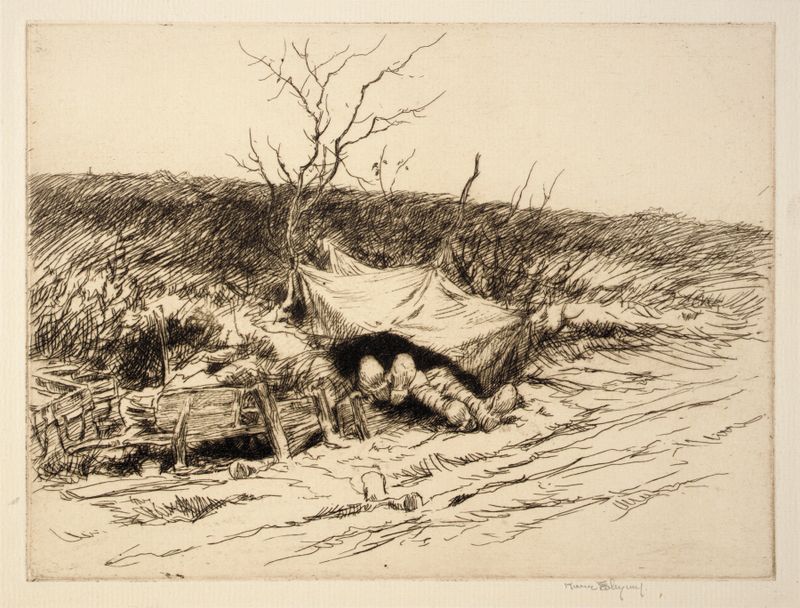
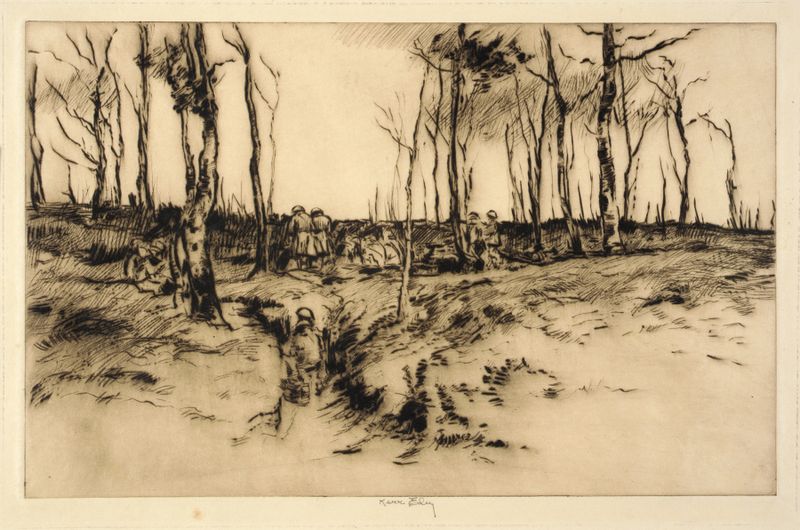
In the realm of shadows where life meets its fleeting essence, art carries a weight that demands our attention, especially in the face of mortality. Focus your gaze on the somber hues that envelop the canvas; the deep blues and muted grays create an atmosphere of quiet resignation. Notice how the light flickers across the figures engaged in the labor of loading goods under the night sky, their movements almost ghostly against the backdrop of darkened surroundings. Each brushstroke adds depth to the tension, echoing the heavy silence of this moment, as if time itself has paused to bear witness to the gritty reality of existence. Intriguingly, the juxtaposition of labor and the night’s stillness speaks to the transitory nature of life.
The workers, though busy, appear isolated, highlighting the contrast between human endeavor and the vastness of the universe. This tension between the mundane and the existential invites the viewer to reflect on their own place in the cycle of life, where each task, each heartbeat, resonates with the inevitability of mortality. Kerr Eby painted this work in 1930 during a time of great economic hardship in America, just after the stock market crash. Living primarily in New York, Eby was increasingly drawn to themes of labor and the human experience, as he witnessed the struggles of everyday people.
This setting provided fertile ground for an exploration of existential themes, deeply rooted in the realities of life and loss, which permeate his art.