Night Mood — History & Facts
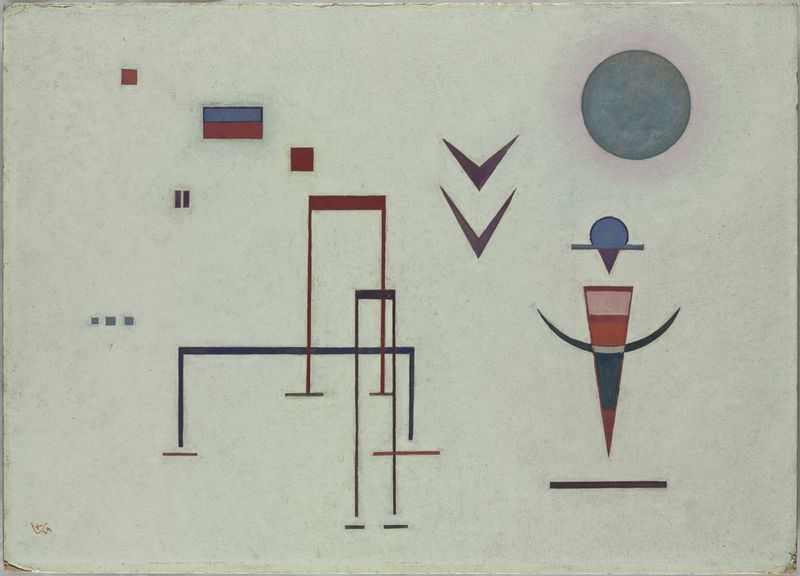
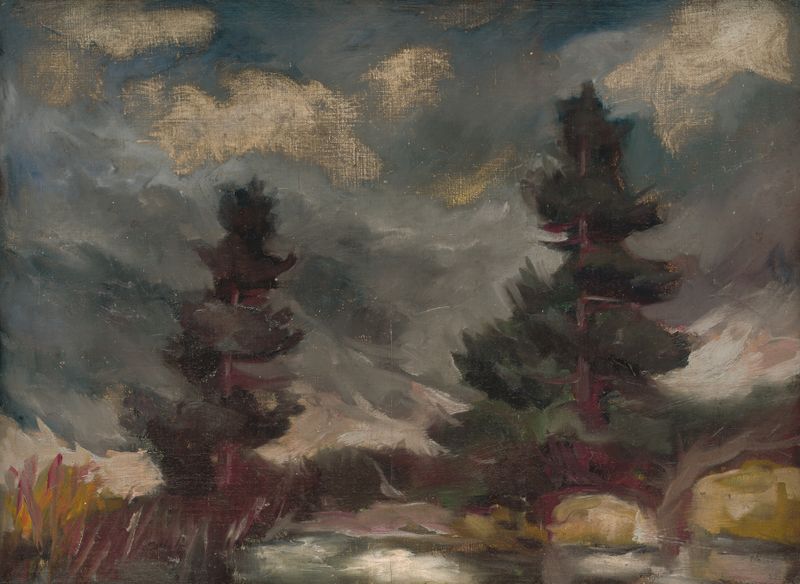
In the depths of an artist's obsession, the interplay of light and shadow reveals a world teetering on the brink of both clarity and chaos. Look toward the center, where deep blues intertwine with violet hues, creating an ethereal ambiance that envelops the viewer. The gentle strokes blend seamlessly, evoking a sense of movement that suggests something almost alive within the canvas. Notice how the luminous highlights contrast with the darkened corners, illuminating the tension between visible and obscured — a dance of perception that invites exploration. Beneath the surface lies an emotional labyrinth; the subtle variations in color hint at the artist's struggle with inner demons.
The choice of palette suggests a longing for connection, while the creeping shadows symbolize isolation. This duality amplifies the tension, creating an atmosphere that resonates with the viewer's own fears and desires, highlighting the obsession that drives both the artist and the audience. Zolo Palugyay created Night Mood during a transformative period between 1922 and 1925, as he sought to express the complexities of human emotion through abstraction. At this time, he was exploring new techniques and materials, contributing to the avant-garde movements that questioned traditional forms.
The world of art was shifting, and Palugyay, influenced by the changes around him, painted with an urgency that reflected not only his personal struggles but also the broader existential questions of his era.
More Artworks by Zolo Palugyay
Browse all →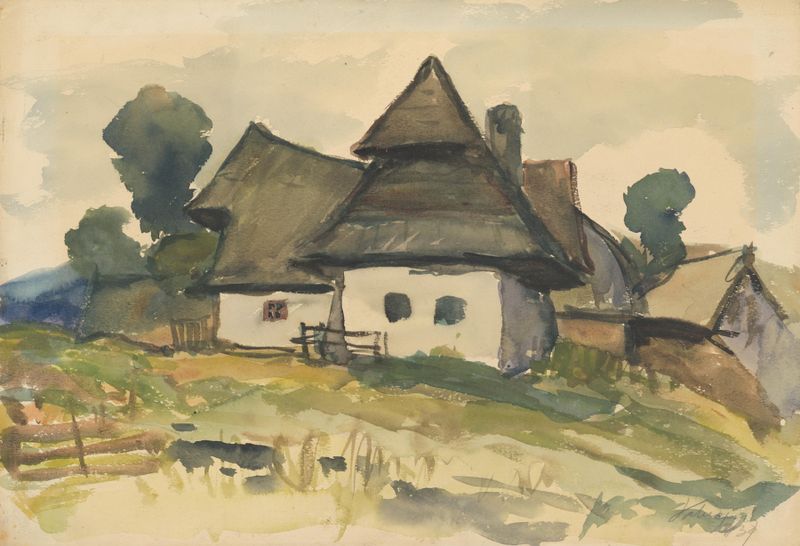
Dedinský motív
Zolo Palugyay
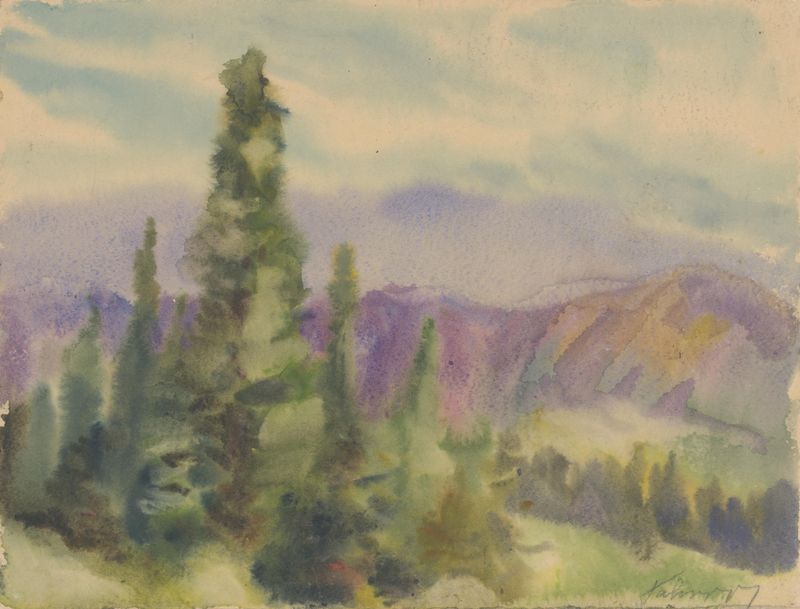
Motif from Liptov Mountains
Zolo Palugyay
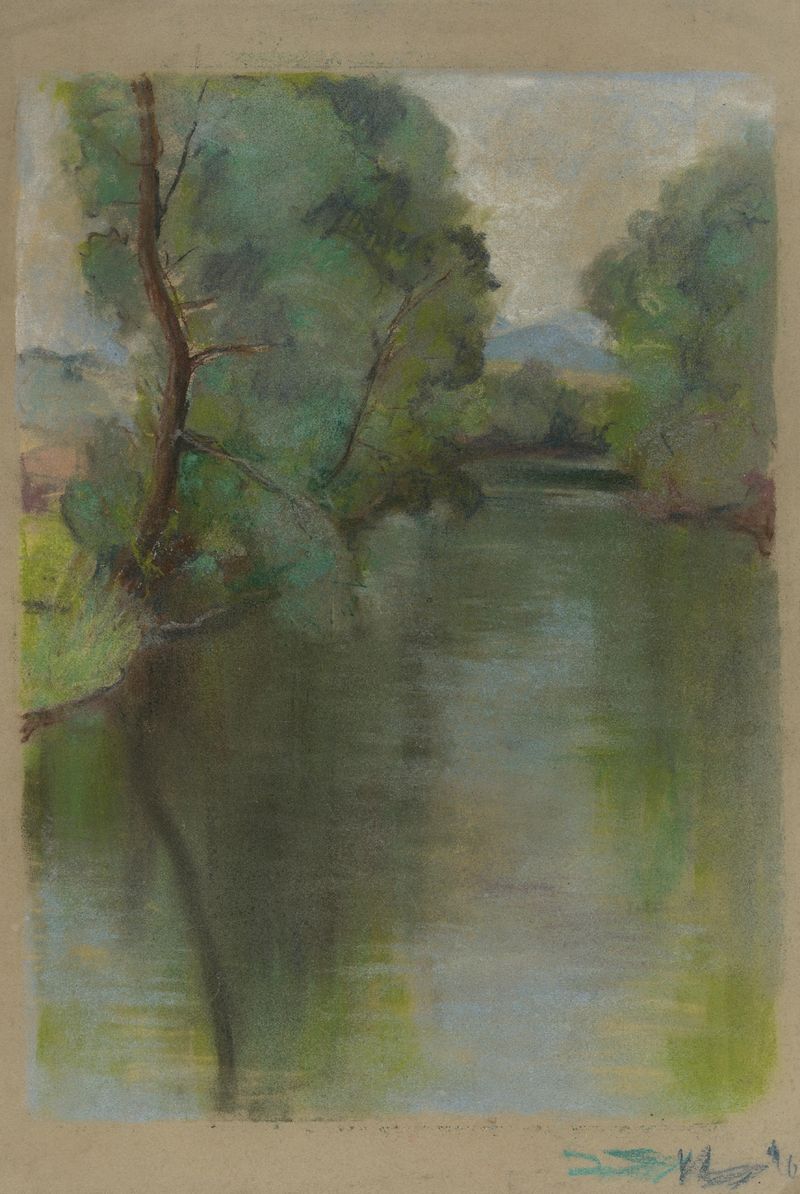
Silent River
Zolo Palugyay
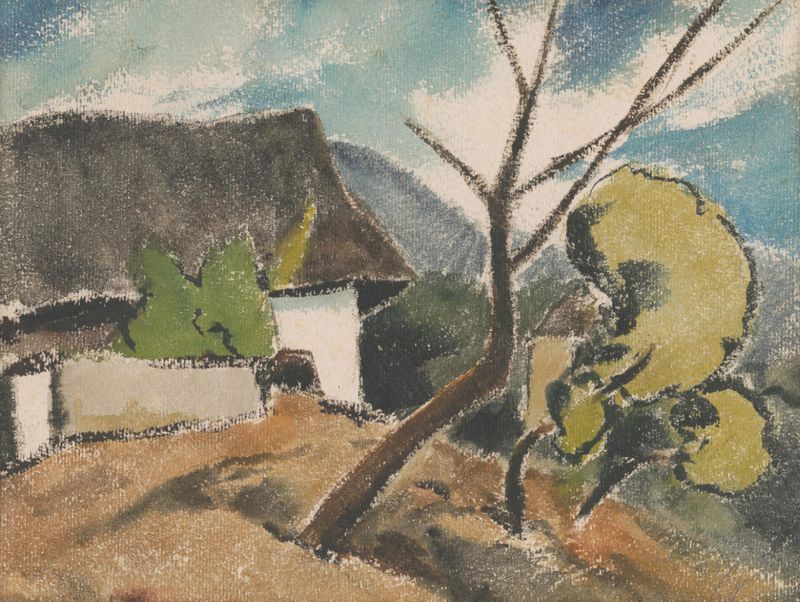
Oravská chalupa
Zolo Palugyay
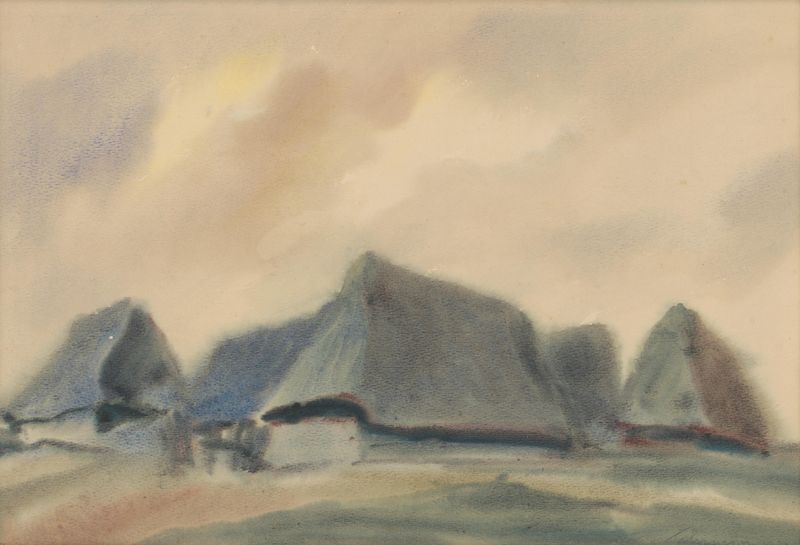
Modré chalupy
Zolo Palugyay
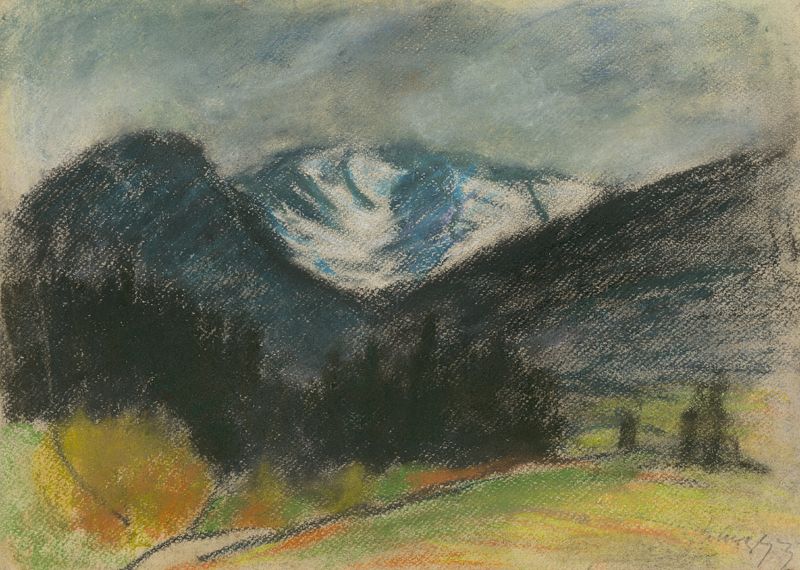
Mountain Landscape with Snowy Peaks
Zolo Palugyay
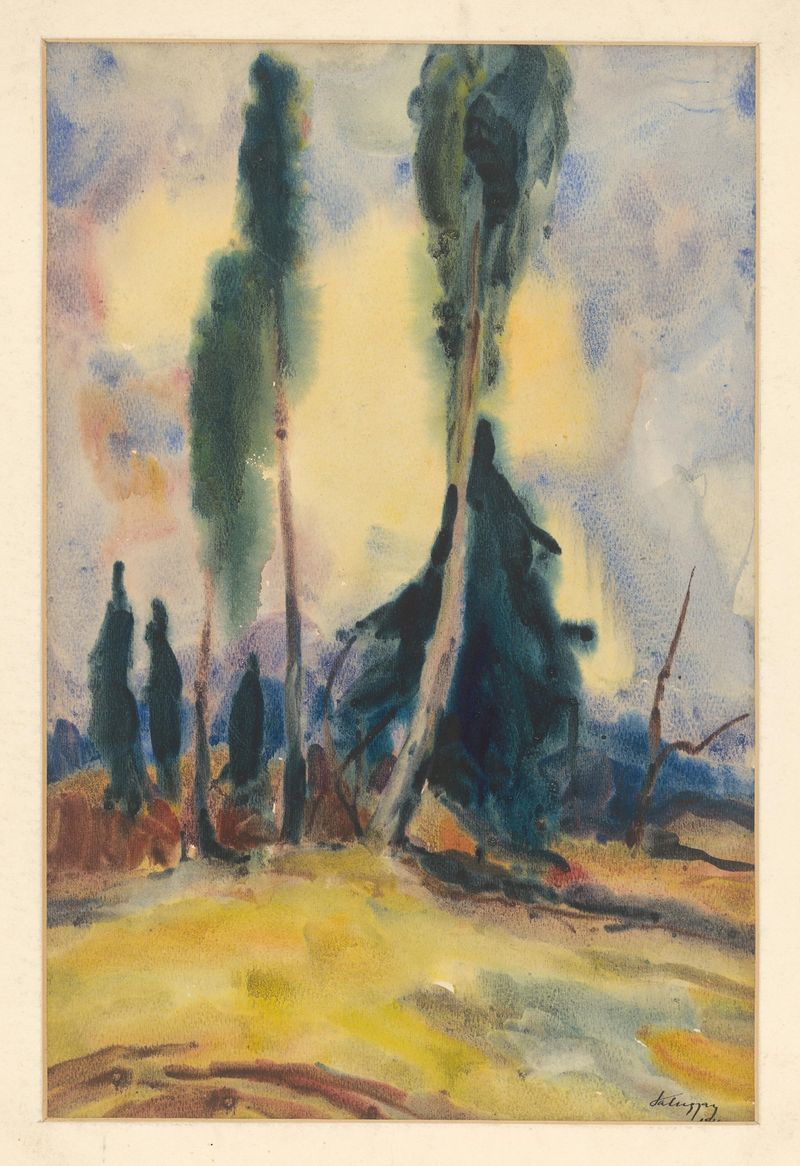
Three Trees on a Plain
Zolo Palugyay
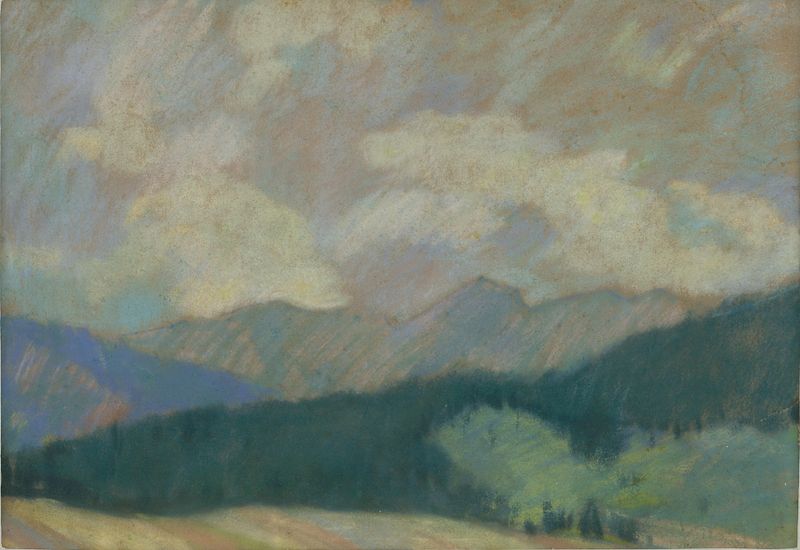
Horská krajina
Zolo Palugyay
Tatra Landscape
Zolo Palugyay
Spring Landscape
Zolo Palugyay