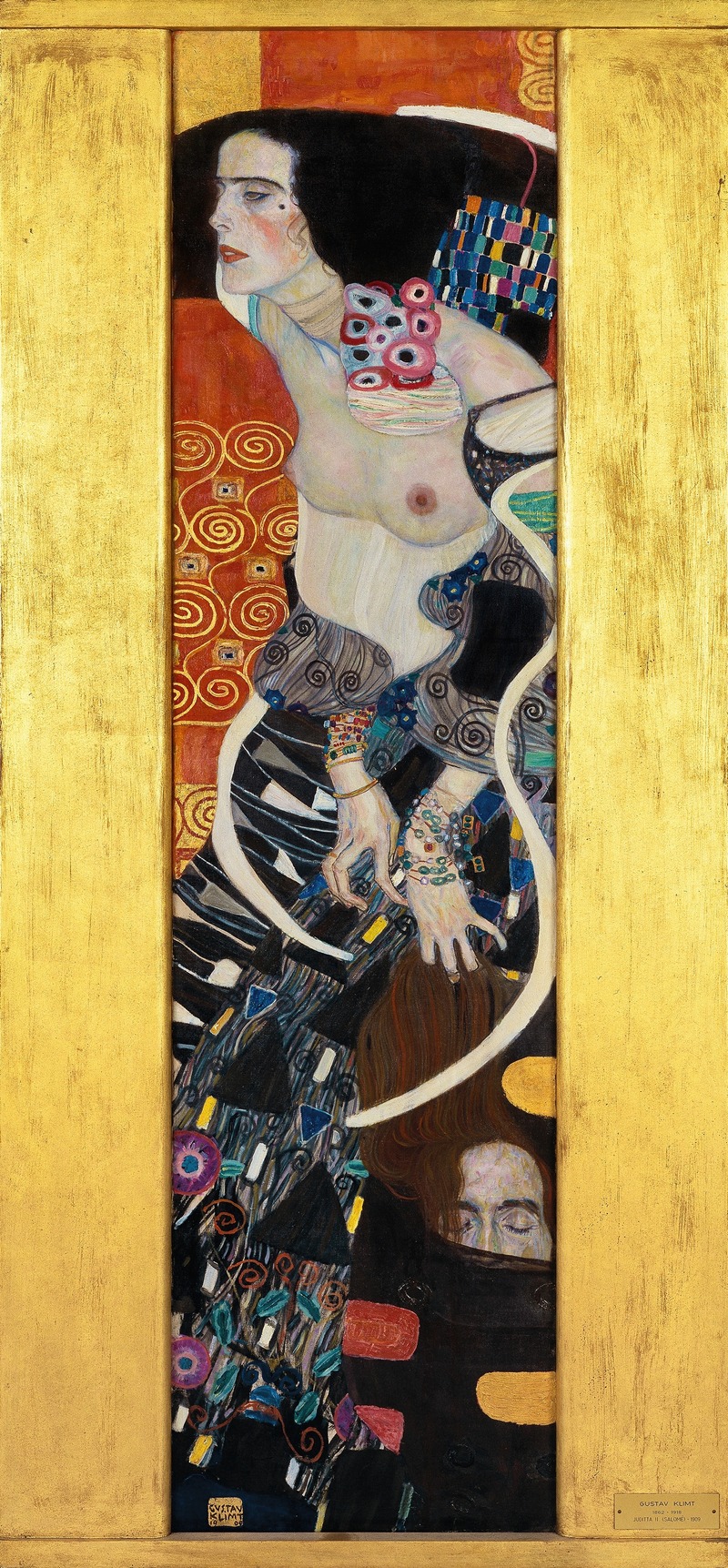
Discover insights about this artwork
No hay quien nos desate (Can’t anyone untie us) — History & Facts
In No hay quien nos desate, Francisco de Goya presents a dramatic scene filled with dark tones and somber colors. The figures appear to be entangled, expressing a sense of despair and helplessness. The setting is ambiguous, enhancing the feeling of isolation and confinement.
Goya's use of shadow and light adds depth to the emotional weight of the painting. The painting is executed in oil on canvas, a medium that allows for rich textures and deep colors. Goya's brushwork is expressive, capturing the tension and turmoil of the figures. The dimensions are approximately 150 x 200 cm, making it a large work that commands attention.
Viewers can observe the intricate details in the figures' expressions and the overall composition. Francisco de Goya was a pivotal figure in Spanish art, bridging the gap between the Old Masters and modern art. No hay quien nos desate reflects his interest in themes of human suffering and social critique. An interesting fact about this work is that it was created during a time of political turmoil in Spain, which influenced Goya's exploration of darker themes.
This painting is part of the collection at the Museo del Prado in Madrid.
More Artworks by Francisco de Goya
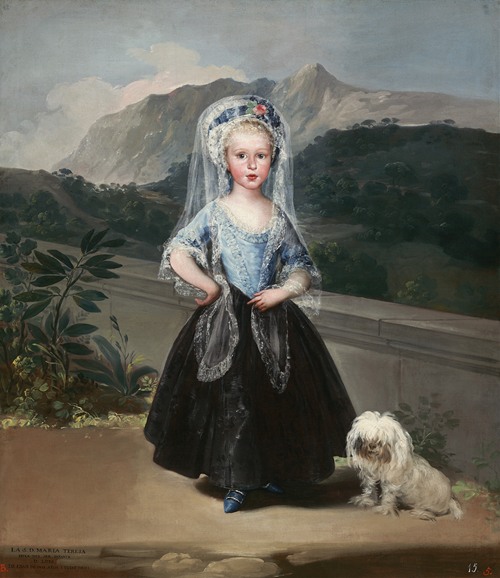
María Teresa de Borbón y Vallabriga,later Condesa de Chinchón
Francisco de Goya
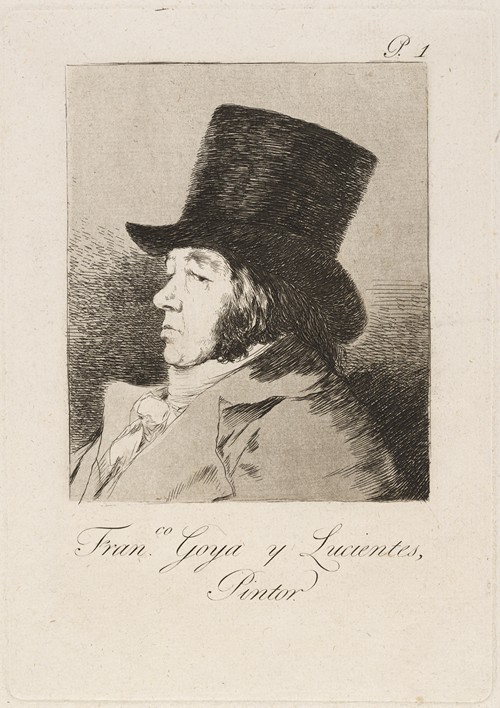
Francisco Goya y Lucientes, Pintor (Francisco Goya y Lucientes, painter)
Francisco de Goya
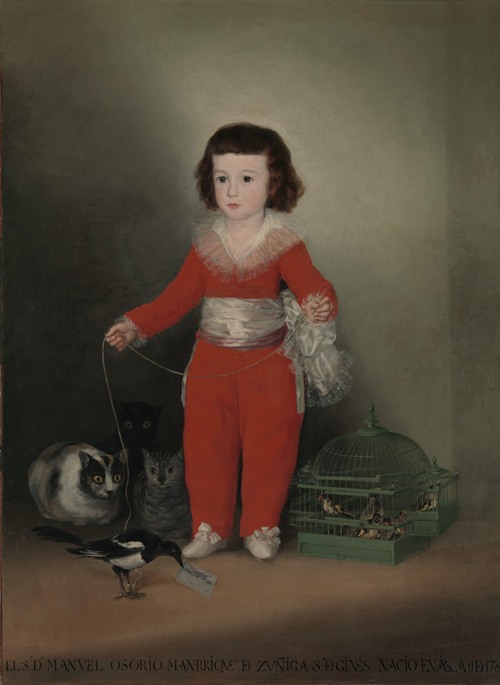
Manuel Osorio Manrique de Zuñiga (1784–1792)
Francisco de Goya
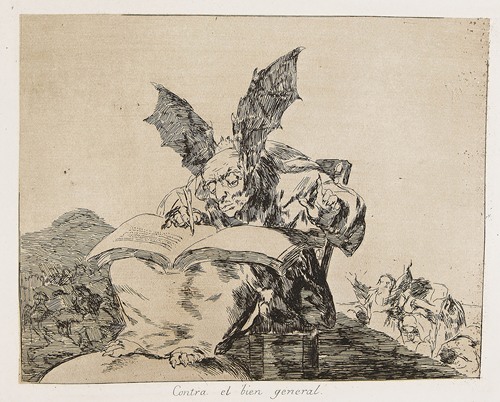
Los desastres de la guerra
Francisco de Goya
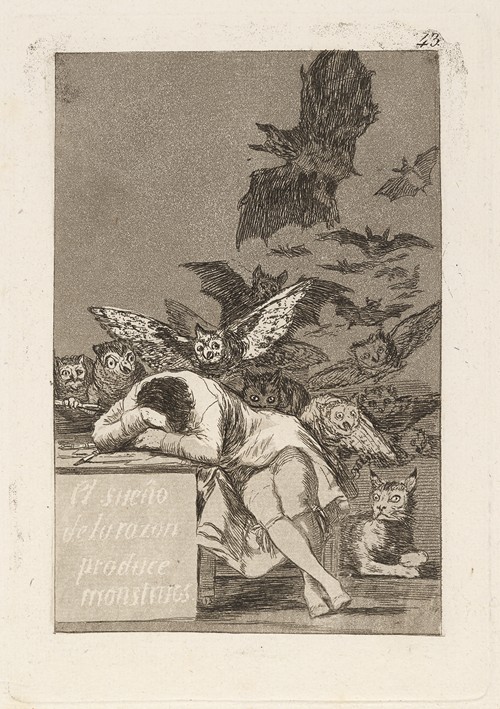
El sueño de la razon produce monstruos. (The sleep of reason produces monsters.)
Francisco de Goya
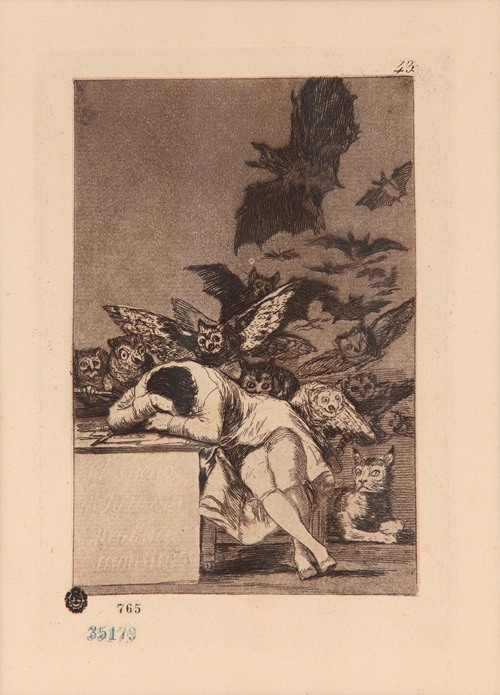
El sueño de la razon produce moustruos (Serie Caprichos)
Francisco de Goya
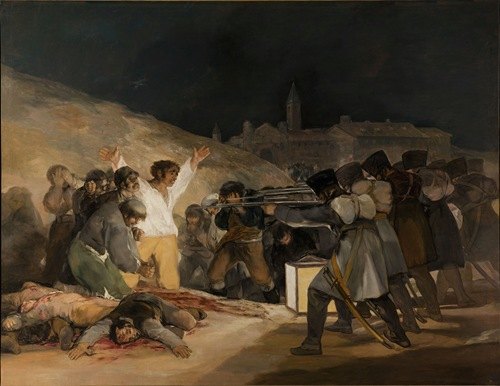
The Third of May
Francisco de Goya
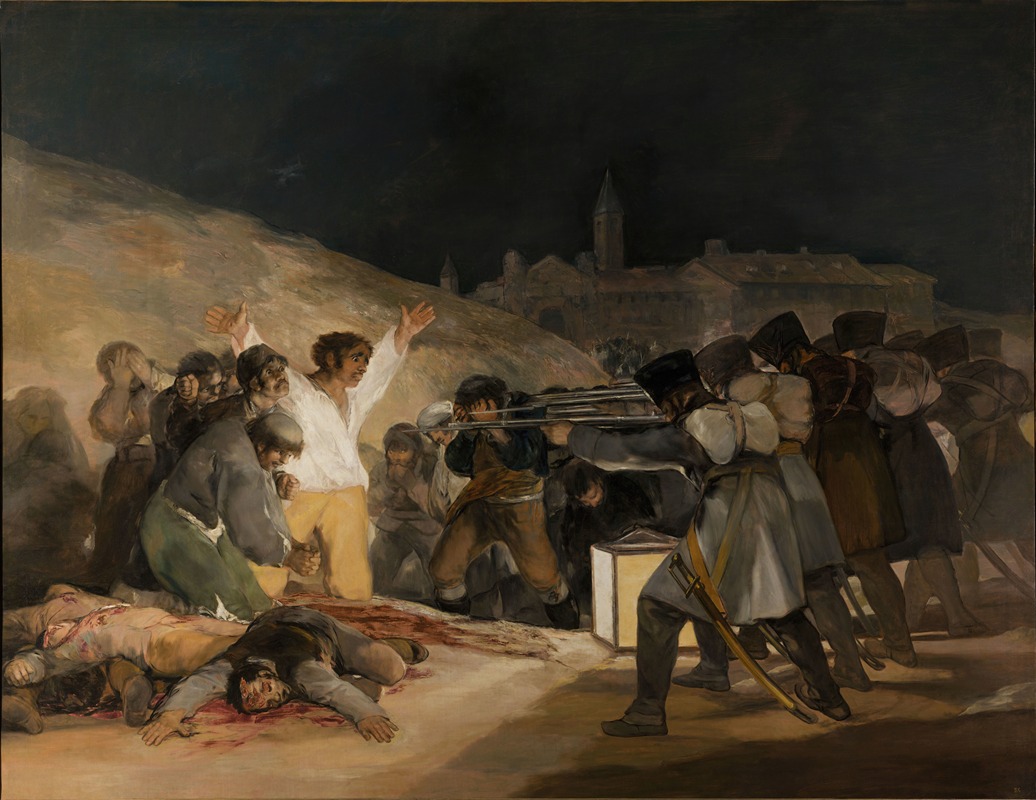
The Third of May 1808
Francisco de Goya
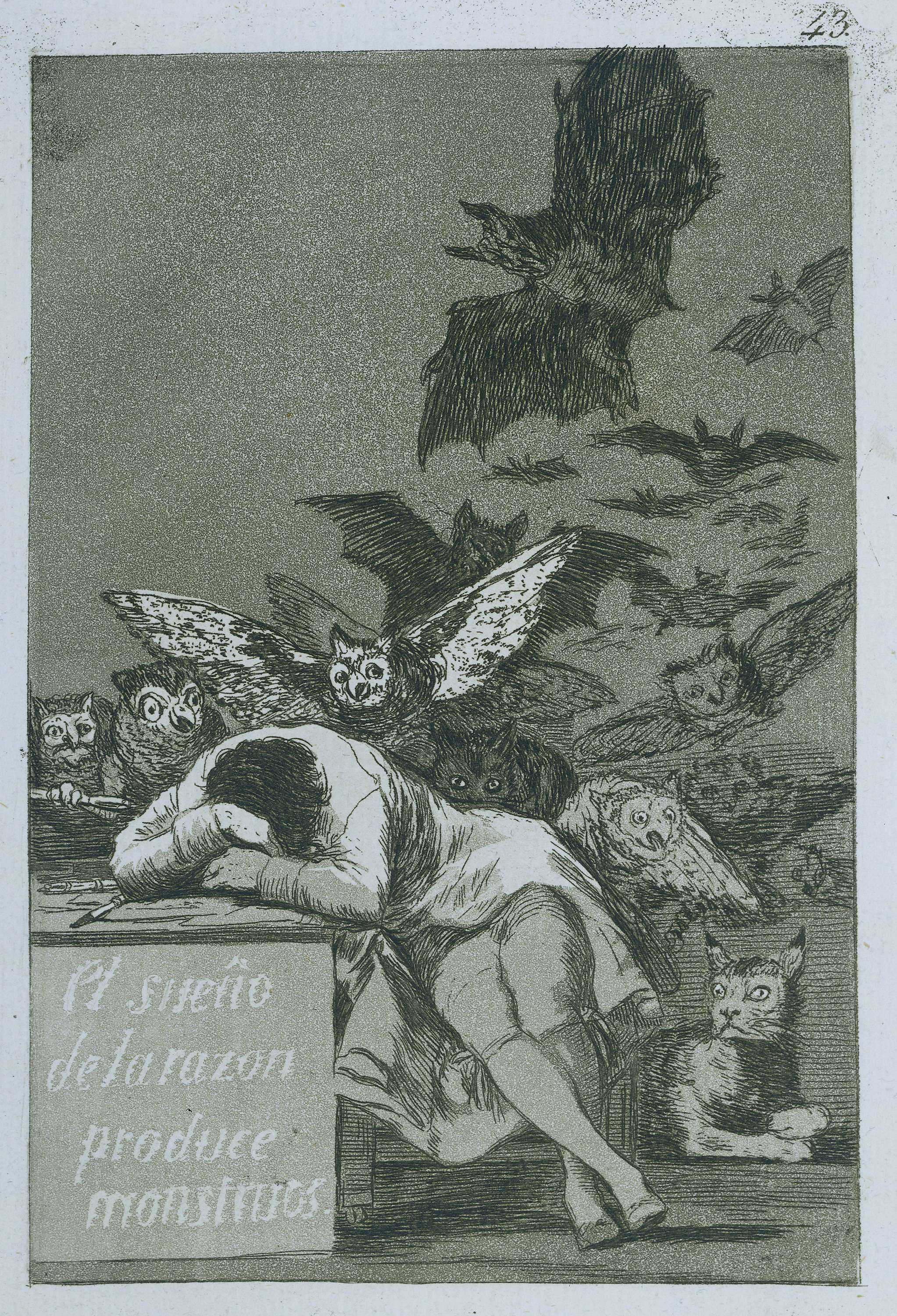
De slaap van de rede brengt monsters voort
Francisco de Goya
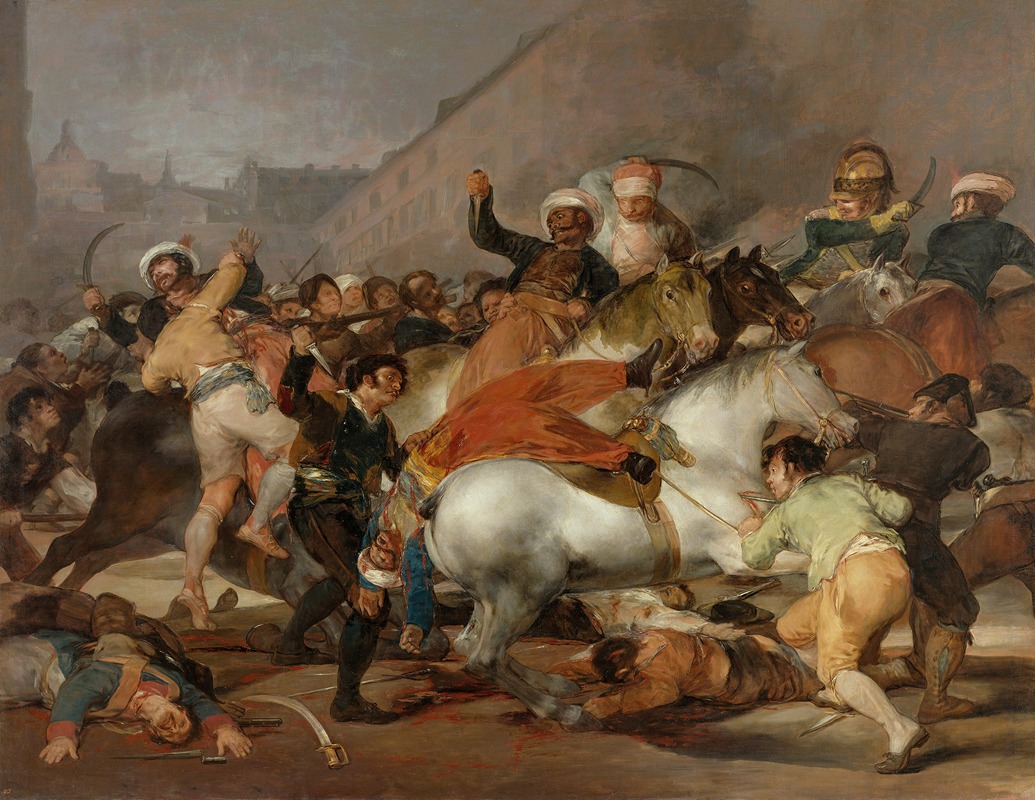
The Charge of the Mamelukes (1814)
Francisco de Goya