
Nocturne: Amsterdam in Winter — History & Facts
What if silence could speak through light? In Nocturne: Amsterdam in Winter, the quiet whispers of a city cloaked in night are illuminated by the soft glow of street lamps, suggesting a sense of revolution not just in the art world but in the very fabric of urban life. Look to the center of the canvas, where the hazy reflections on the water shimmer as delicate strokes of blue and silver dance together, creating an ethereal atmosphere. The composition draws your gaze toward the distant bridge, framed by the silhouettes of dark, looming buildings. Whistler’s choice of color palette emphasizes the serene yet unnerving stillness of the winter night, where blues merge seamlessly with grays, conjuring a dreamlike quality that invites contemplation. Beneath the tranquil façade lies a deeper emotional tension.
The interplay between light and shadow speaks to the duality of city life—its beauty and its isolation. Each brushstroke reveals an intimate relationship between silence and sound; the quiet of winter is palpable, yet the viewer can almost hear the muted echoes of the past. This juxtaposition mirrors the revolutionary sentiments of the time, challenging traditional representations of urban scenes and urging viewers to engage in a new, contemplative dialogue with their surroundings. Created in 1882, this work emerged during a period of significant change for Whistler, who was navigating both personal struggles and shifting dynamics in the art world.
Living in London while reflecting on his experiences in Amsterdam, he was at the forefront of the Aesthetic Movement, advocating for art's value beyond mere representation. Nocturne: Amsterdam in Winter stands as a testament to his innovative approach, capturing not just a scene but an entire ethos of quiet revolution.
More Artworks by James Abbott McNeill Whistler
Browse all →
Nocturne in Blue and Silver
James Abbott McNeill Whistler
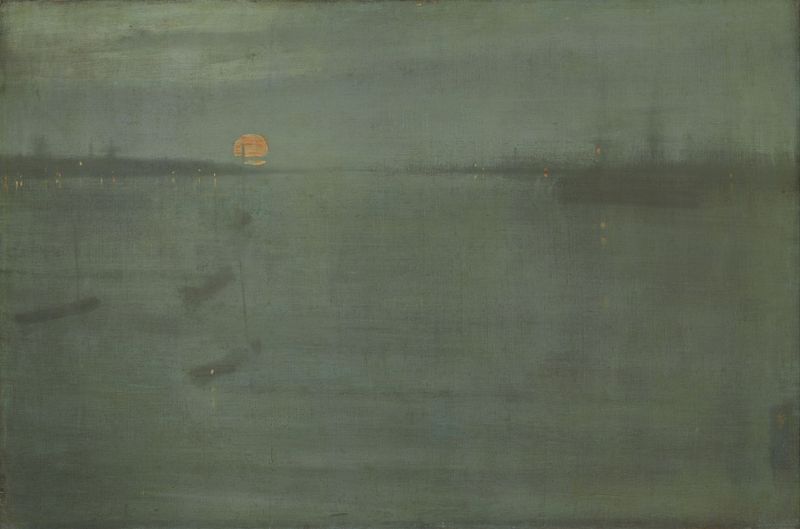
Nocturne: Blue and Gold–Southampton Water
James Abbott McNeill Whistler
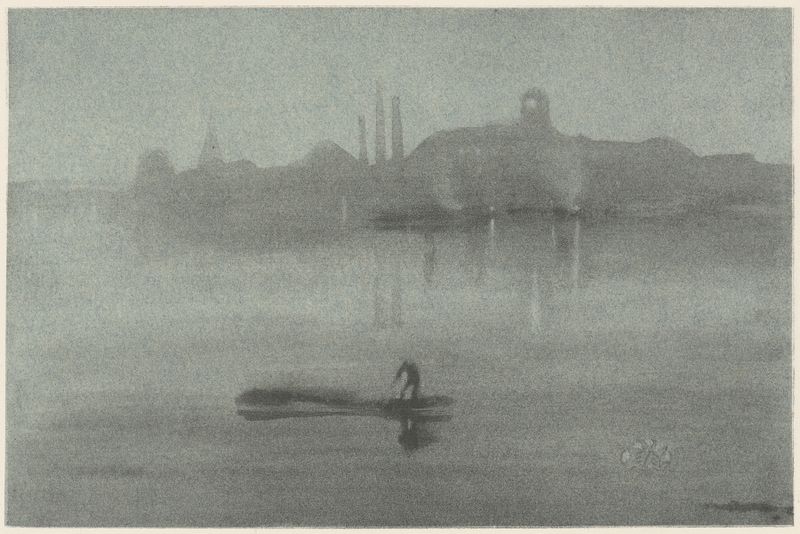
Nocturne
James Abbott McNeill Whistler
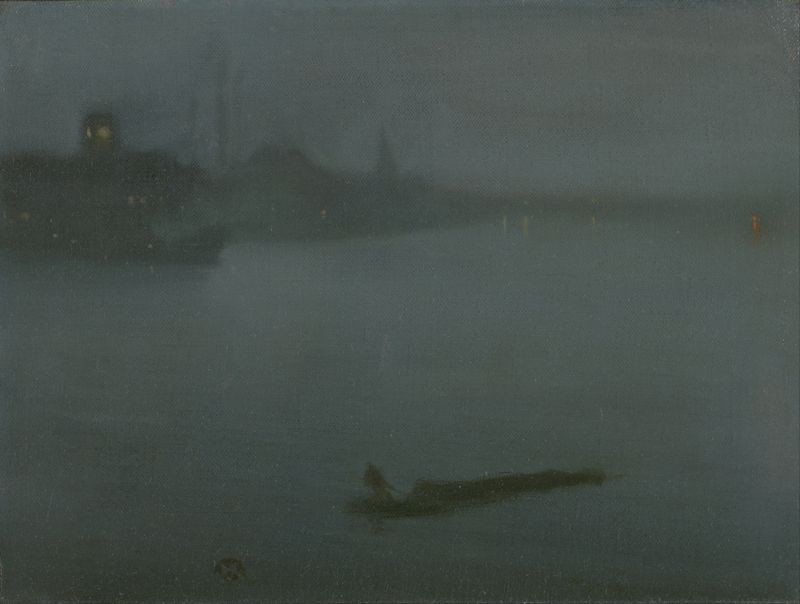
Nocturne in Blue and Silver
James Abbott McNeill Whistler
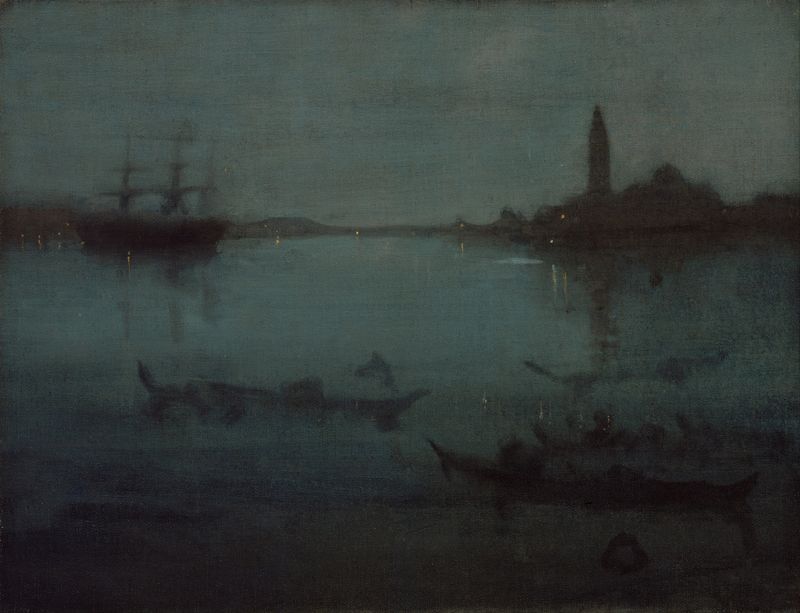
Nocturne in Blue and Silver- The Lagoon, Venice
James Abbott McNeill Whistler
Nocturne in Grey and Gold: Chelsea Snow
James Abbott McNeill Whistler
Nocturne: Black and Red—Back Canal, Holland
James Abbott McNeill Whistler
Old Battersea Bridge
James Abbott McNeill Whistler

Nocturne: Blue and Silver–Battersea Reach
James Abbott McNeill Whistler
Grey and Silver–Pier, Southend
James Abbott McNeill Whistler





