
Nocturne in Black and Gold: The Gardens — History & Facts
The night envelops the gardens in an ethereal embrace, where whispers of the unseen mingle with the rustle of leaves. Twilight softens the world, casting elongated shadows as figures linger in the background, their forms barely discernible. A delicate glow from the lanterns flickers, illuminating the path where guests drift, lost in thought and conversation. Look to the left at the rich, dark hues that compose the foliage, almost blending into the night sky.
Notice how the subtle variations of gold and silver shimmer across the canvas, evoking an otherworldly beauty. The interplay of light and shadow creates a dance of contrasts, inviting your gaze toward the illuminated figures, while the darkness seems to absorb all that is unlit, drawing your attention toward the hidden depths of the scene. Beneath the surface, a tension brews between the allure of the gardens and the obscurity of night. The bright lanterns symbolize fleeting moments of joy, yet they also cast shadows that hint at the mysteries lurking just out of sight.
The arrangement of figures appears both welcoming and elusive, suggesting a transient connection that mirrors the impermanence of beauty itself. In the early 1870s, Whistler was navigating the complex art world, finding his voice amidst the burgeoning movement of aestheticism. Painted in London, Nocturne in Black and Gold: The Gardens reflects his desire to evoke mood over narrative, a pivotal moment in his career that would influence a generation of artists. The tension between light and shadow encapsulated in this work speaks to the era's fascination with the ephemeral nature of experience.
More Artworks by James Abbott McNeill Whistler
Browse all →
Nocturne in Blue and Silver
James Abbott McNeill Whistler
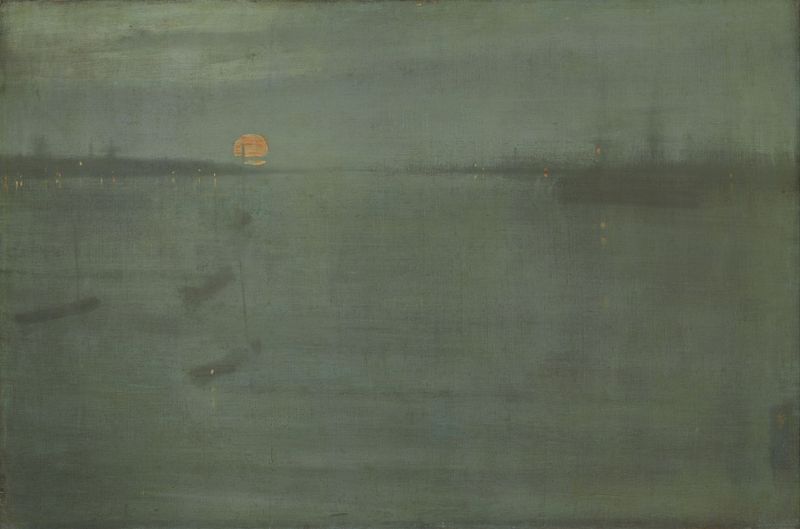
Nocturne: Blue and Gold–Southampton Water
James Abbott McNeill Whistler
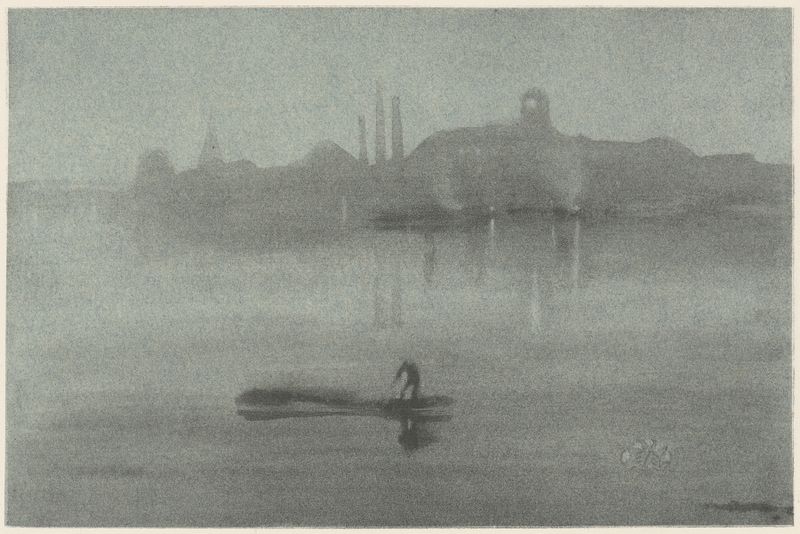
Nocturne
James Abbott McNeill Whistler
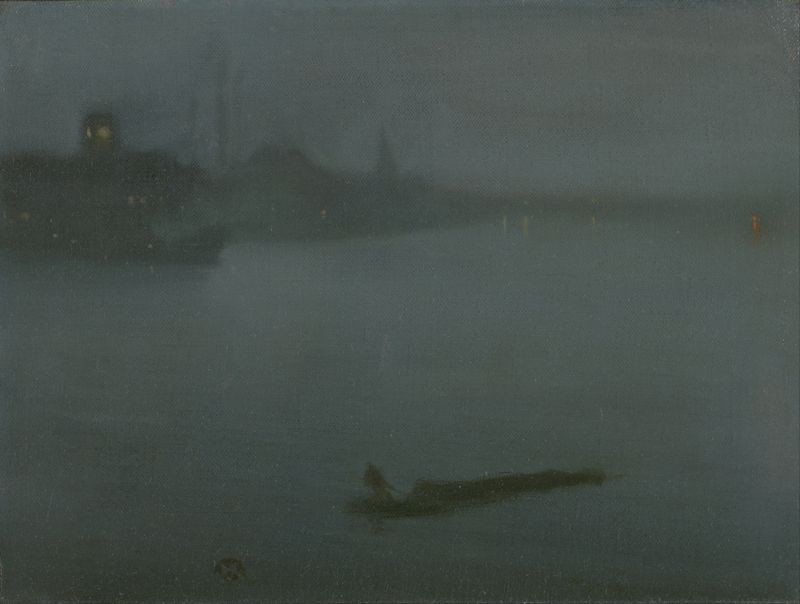
Nocturne in Blue and Silver
James Abbott McNeill Whistler
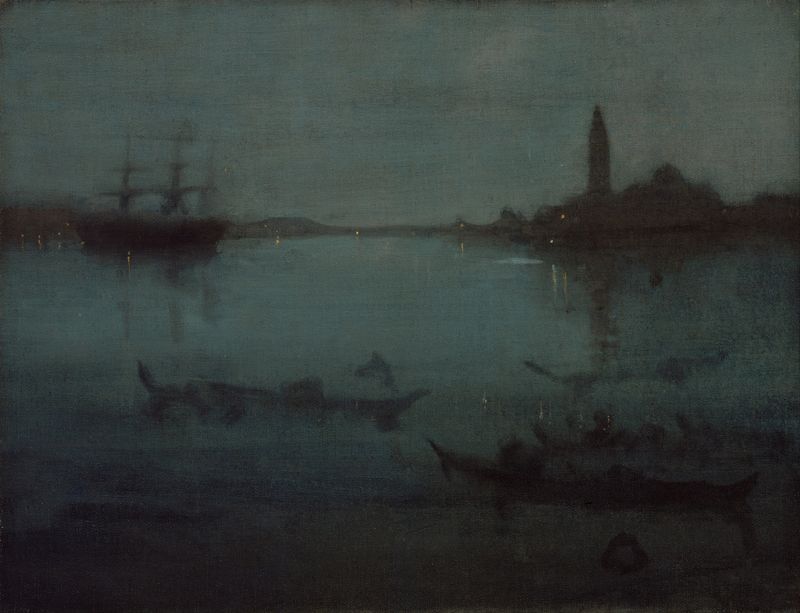
Nocturne in Blue and Silver- The Lagoon, Venice
James Abbott McNeill Whistler
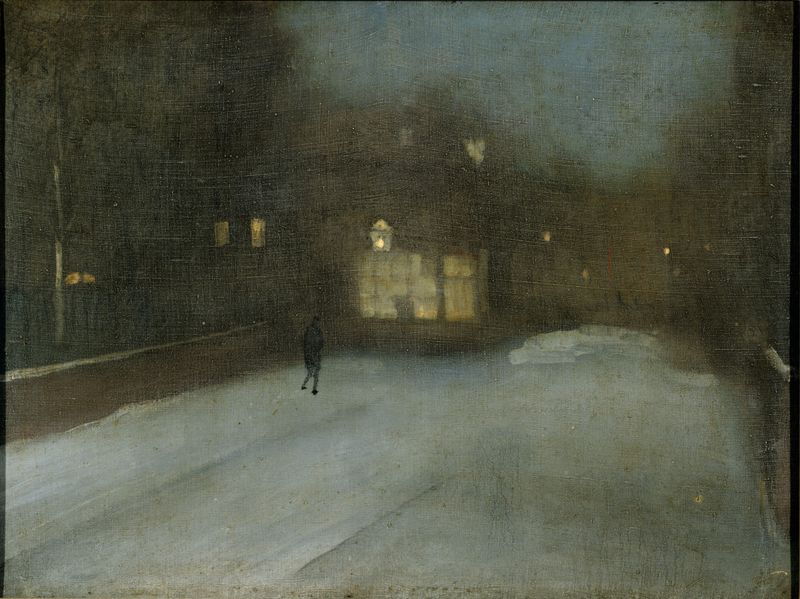
Nocturne in Grey and Gold: Chelsea Snow
James Abbott McNeill Whistler
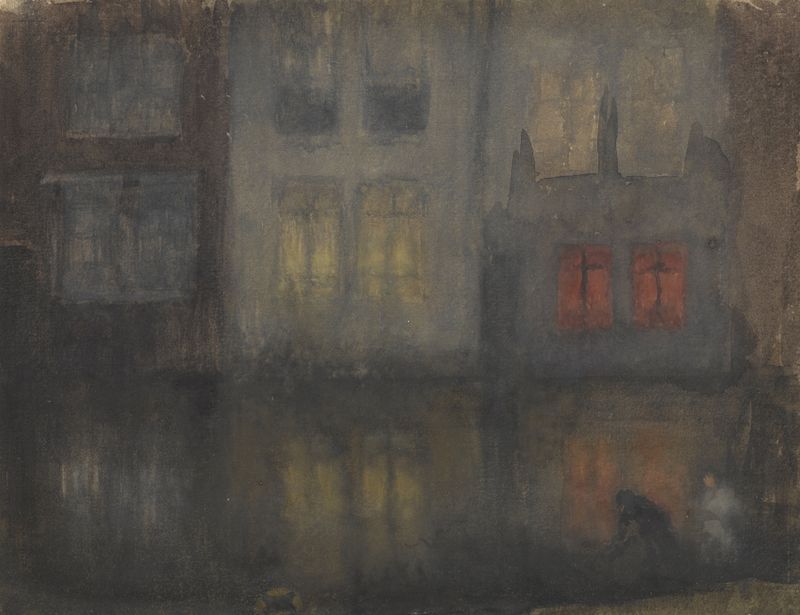
Nocturne: Black and Red—Back Canal, Holland
James Abbott McNeill Whistler
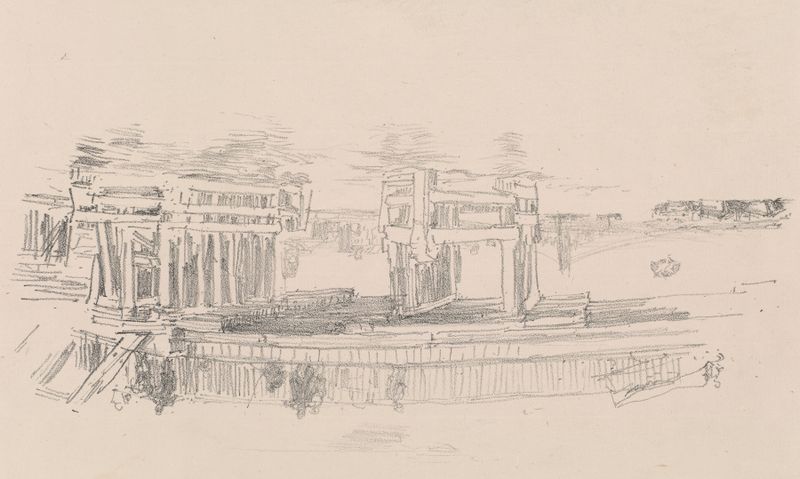
Old Battersea Bridge
James Abbott McNeill Whistler

Nocturne: Blue and Silver–Battersea Reach
James Abbott McNeill Whistler
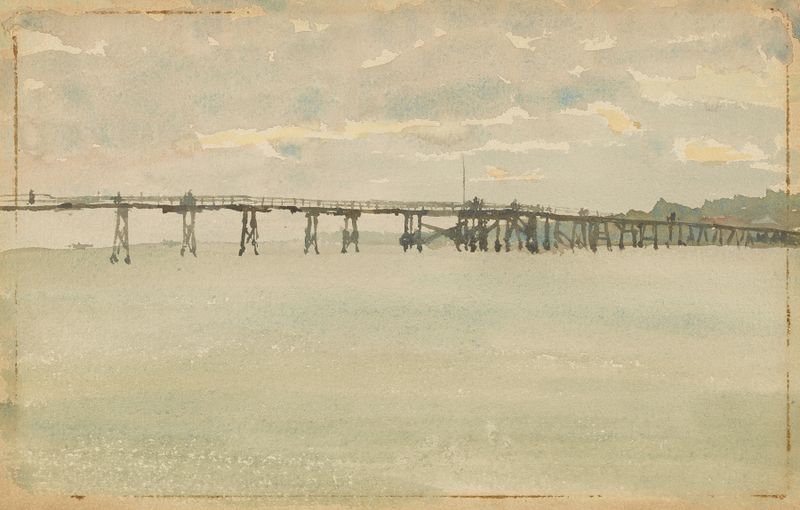
Grey and Silver–Pier, Southend
James Abbott McNeill Whistler





