
Nocturne in Blue and Gold; Valparaiso — History & Facts
Who listens when art speaks of silence? In Nocturne in Blue and Gold; Valparaiso, whispers of decay mingle with the soft, fading light of dusk, inviting us to hear the unspoken stories that linger in the shadows. Focus first on the deep cobalt blue that envelops the canvas, drawing your eyes to the horizon where the sea meets the sky. Notice the delicate shimmer of gold, suggestive of distant lights reflecting off the water’s surface, guiding you into the serene yet haunting atmosphere. The composition is anchored by the silhouette of a distant city, its shapes softened by twilight, making the viewer feel both sheltered and isolated within the landscape. The interplay of blue and gold conveys a sense of nostalgia, where beauty and decay coexist.
The work subtly captures the essence of a port city in decline, evoking the simultaneous allure and melancholy of urban life. The misty atmosphere and indistinct forms suggest the inevitable passage of time, a reminder that even the most vibrant places fade into memory. Each brushstroke carries an emotional weight, hinting at the ghosts of a lively scene now hushed. Created during the years 1866 to 1874, this painting emerged from Whistler's time in Valparaiso, Chile.
He was experimenting with the nocturne genre, emphasizing mood over subject. This period in his life was marked by a quest for artistic identity, reflecting broader movements in art where personal expression began to rise above formal representation.
More Artworks by James Abbott McNeill Whistler
Browse all →
Nocturne in Blue and Silver
James Abbott McNeill Whistler
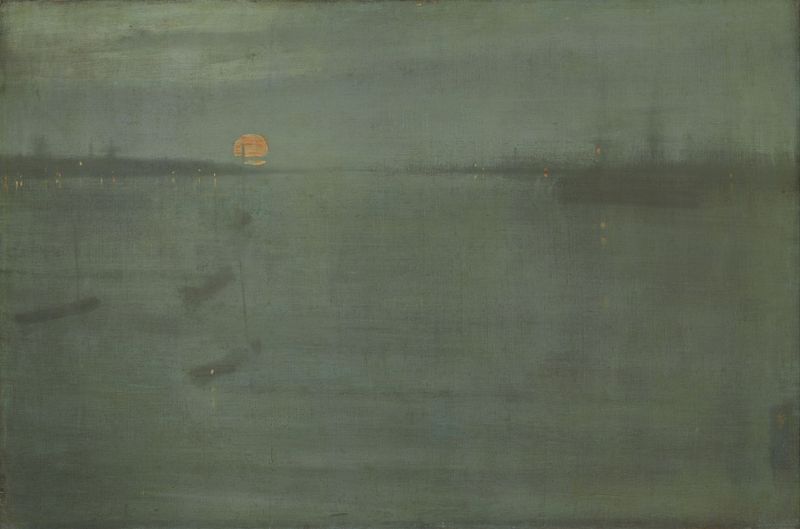
Nocturne: Blue and Gold–Southampton Water
James Abbott McNeill Whistler
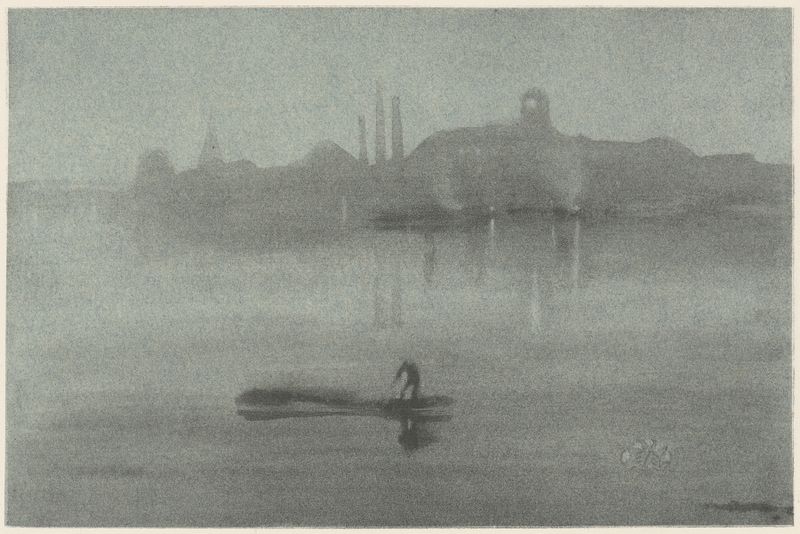
Nocturne
James Abbott McNeill Whistler
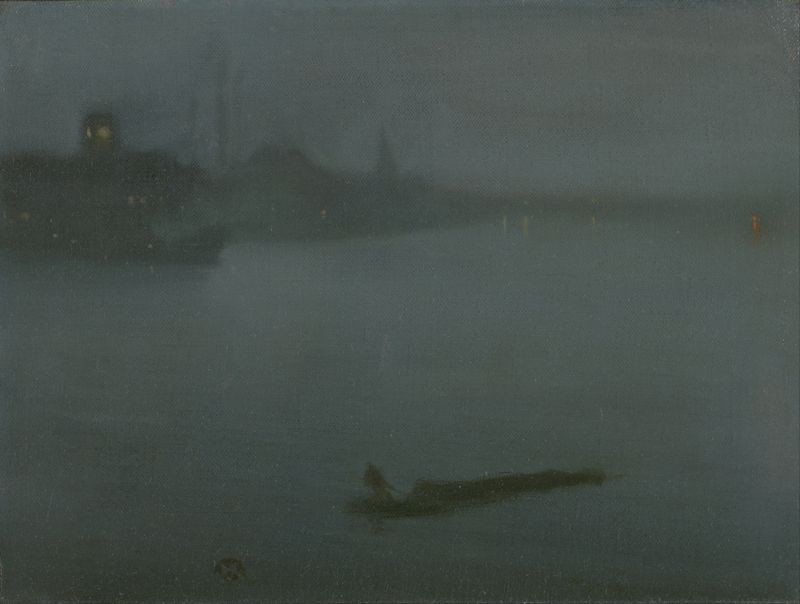
Nocturne in Blue and Silver
James Abbott McNeill Whistler
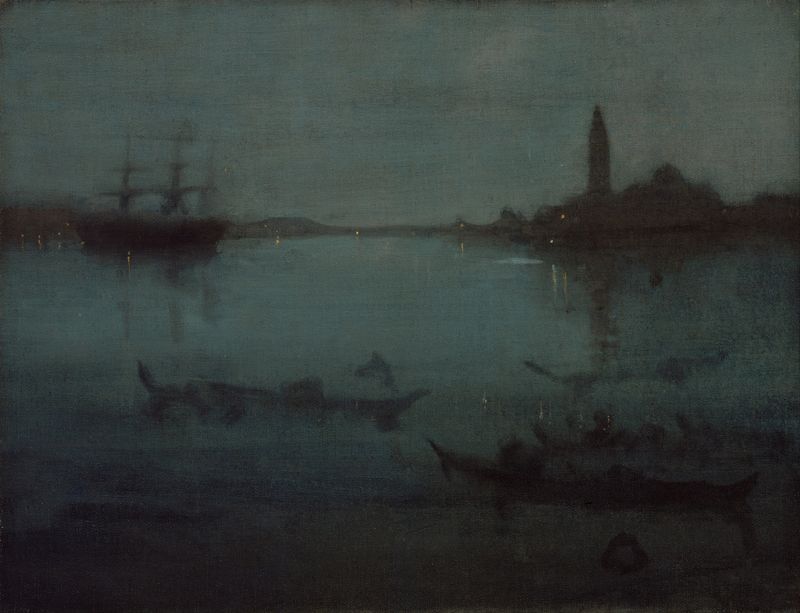
Nocturne in Blue and Silver- The Lagoon, Venice
James Abbott McNeill Whistler
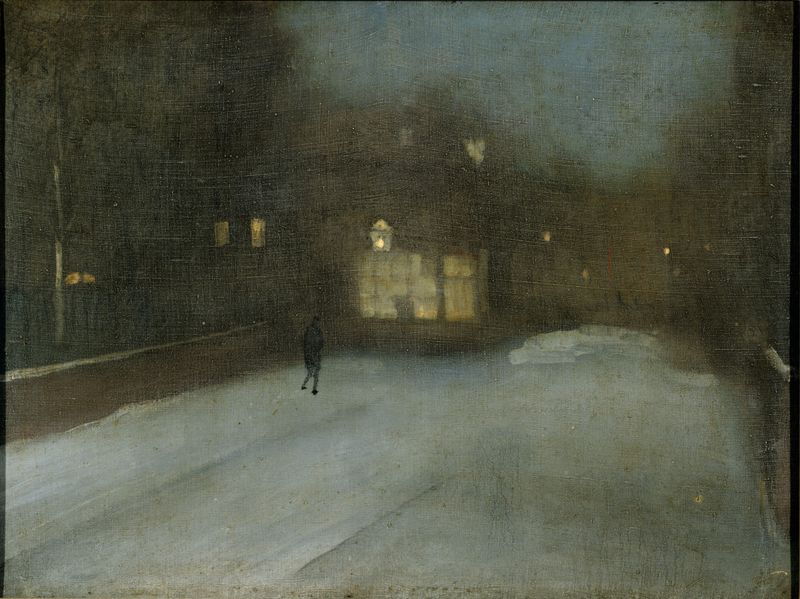
Nocturne in Grey and Gold: Chelsea Snow
James Abbott McNeill Whistler
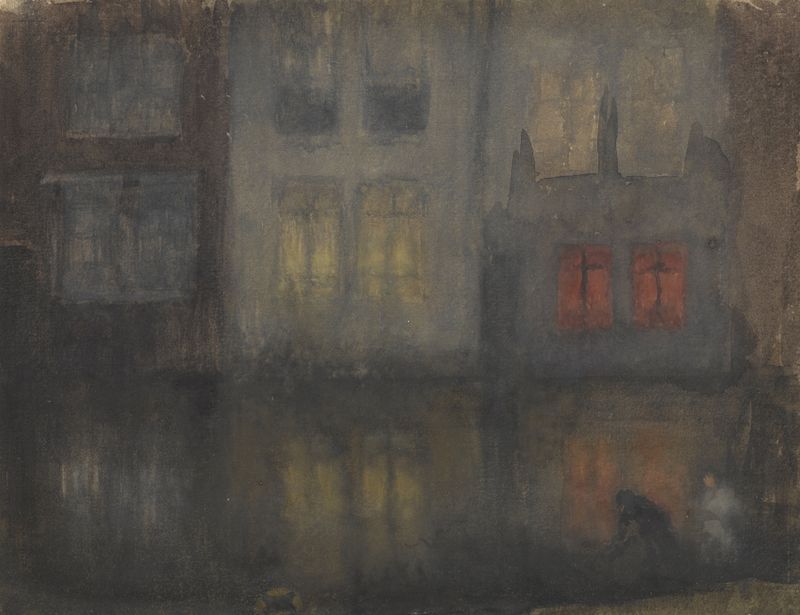
Nocturne: Black and Red—Back Canal, Holland
James Abbott McNeill Whistler
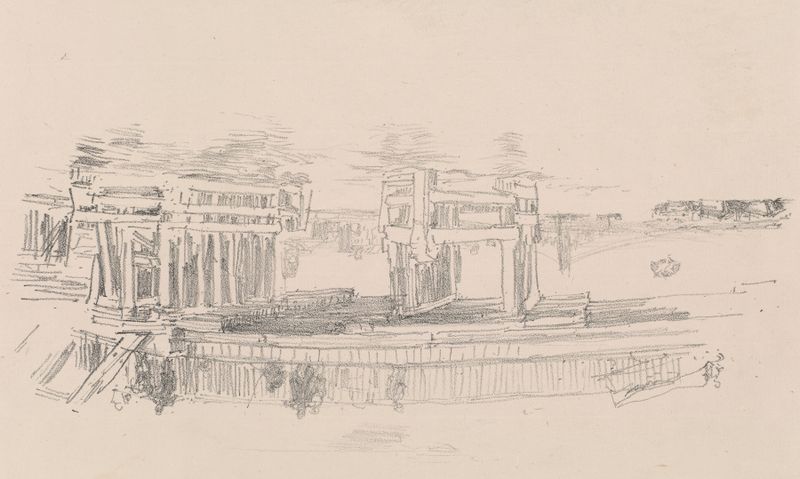
Old Battersea Bridge
James Abbott McNeill Whistler

Nocturne: Blue and Silver–Battersea Reach
James Abbott McNeill Whistler
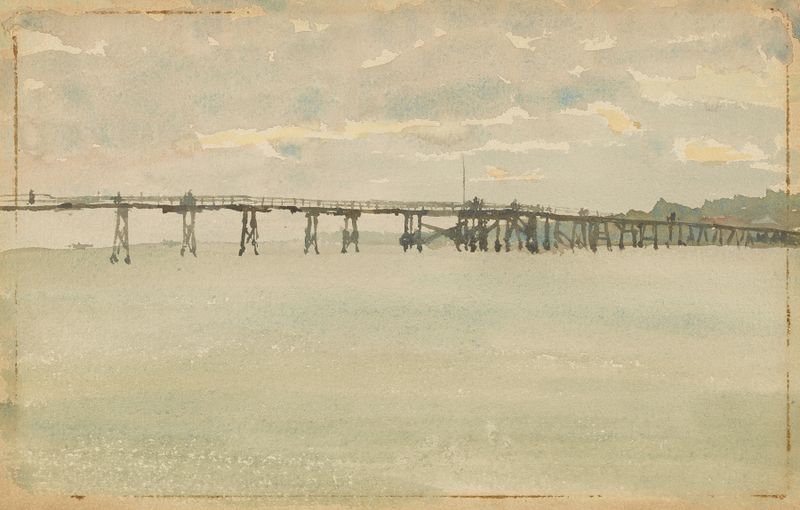
Grey and Silver–Pier, Southend
James Abbott McNeill Whistler




