
Noon — History & Facts
In Paul Sandby’s Noon, the radiance of the landscape is disarming, yet it conceals a deeper unease lurking beneath the surface. The vibrant colors and serene composition prompt a reflection on the nature of tranquility and the fears it might mask. Look to the left where a sun-drenched field stretches toward the horizon, a patchwork of greens and golds that contrasts sharply with the looming shadows cast by the trees. The light here is almost tactile, illuminating the delicate brushstrokes that add texture and life to the scene.
Notice how the soft blues of the sky cradle the warm earth tones, creating a delicate balance that invites the viewer to linger — yet an underlying tension persists, suggesting that such beauty may not be as innocent as it appears. In the foreground, a solitary figure stands vigilant, their back turned to the viewer. This presence reflects a sense of isolation, evoking a profound emotional tension that can be felt but not easily articulated. The juxtaposition of expansive serenity and the solitary figure hints at an inner struggle, a fear of vulnerability that resonates within the lush landscape.
The vibrant beauty of nature contrasts with the loneliness of the observer, reminding us that peace can often coexist with profound unease. Paul Sandby painted Noon in 1769 during a period of significant change in England, where the Romantic movement began to take root. As a pioneer in landscape painting, Sandby was influenced by the growing appreciation for nature and its sublime qualities. This work emerged at a time when he was exploring new techniques and ideas, pushing boundaries in a society grappling with the implications of industrialization and shifting paradigms.
More Artworks by Paul Sandby
Browse all →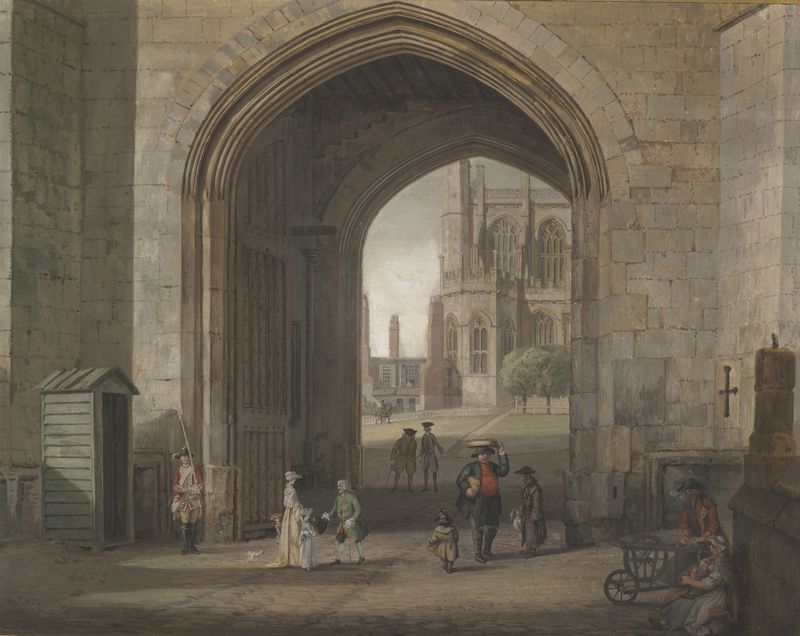
The Tower Gate at Windsor Castle
Paul Sandby

A Distant View of Maidstone, from Lower Bell Inn, Boxley Hill
Paul Sandby
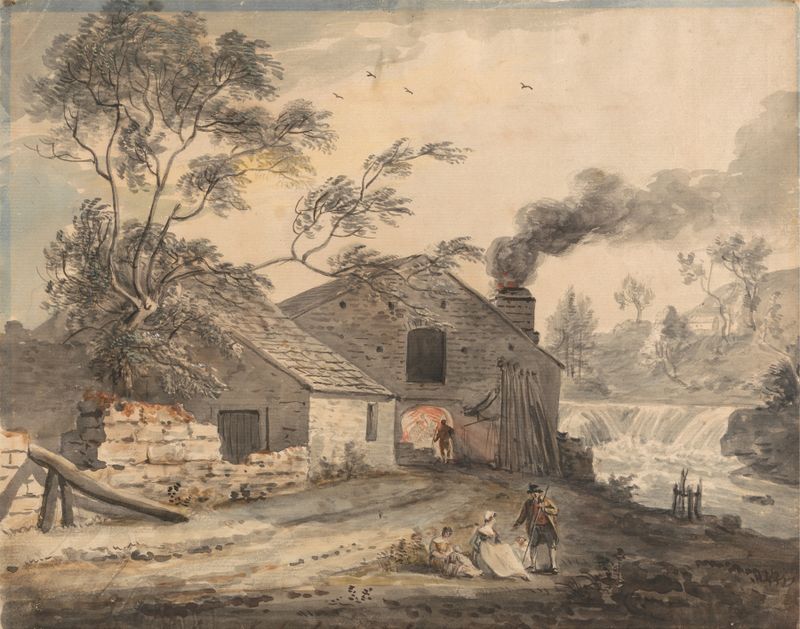
Iron Forge on the River Kent, Westmorland
Paul Sandby
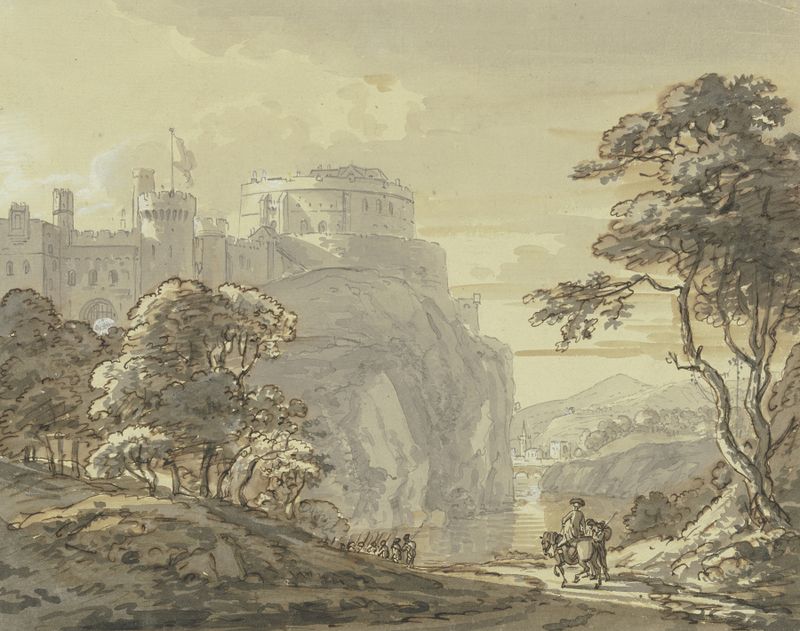
View of Windsor Castle
Paul Sandby

Hackwood Park, Hampshire
Paul Sandby

Roslin Castle, Midlothian
Paul Sandby
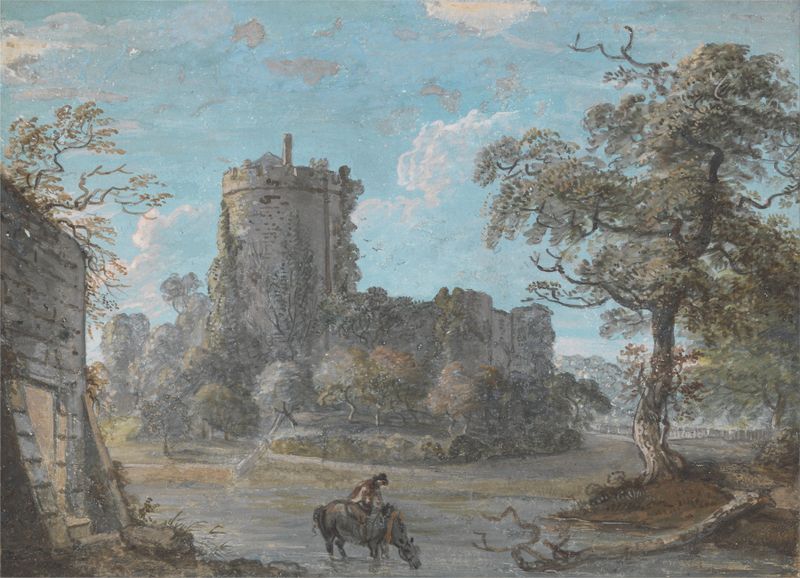
The Entrance to Chepstow Castle
Paul Sandby
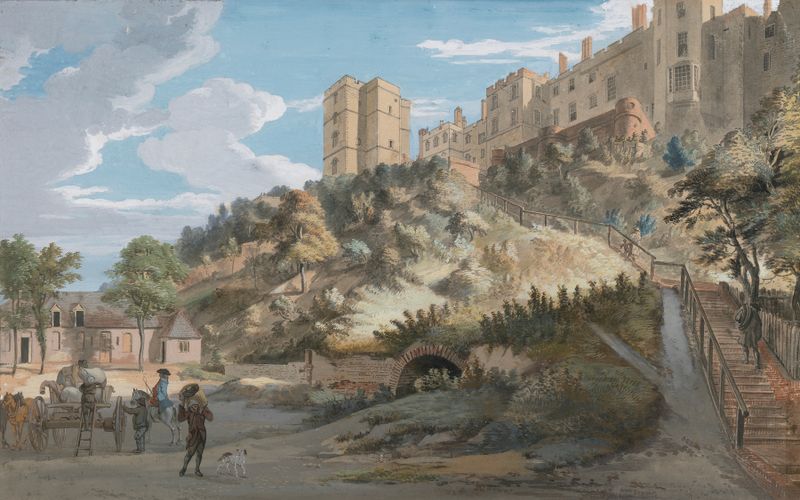
The Hundred Steps and Winchester Tower, Windsor Castle, Berkshire
Paul Sandby

Brook End, Essex
Paul Sandby
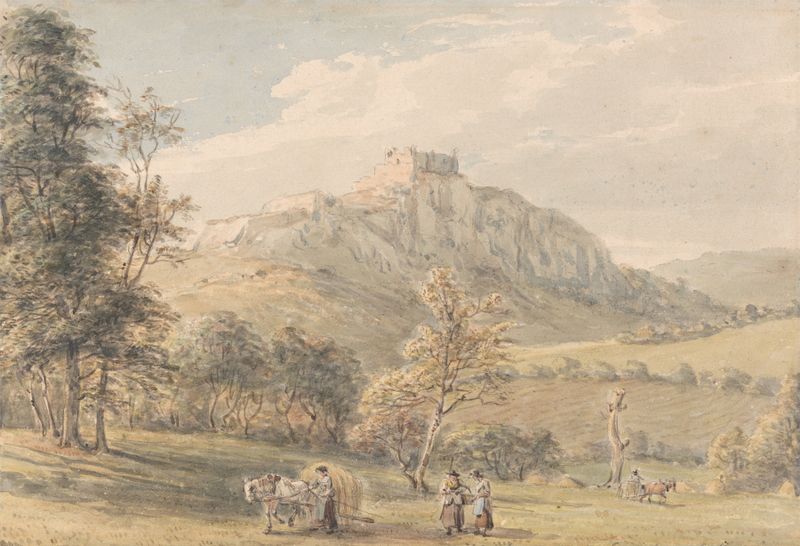
Carreg Cennen Castle
Paul Sandby





