
North Peristyle of the Parthenon, Athens — History & Facts
What if beauty was never meant to be finished? The notion lingers like a whisper, inviting contemplation of fleeting moments and the impermanence of innocence captured in art. Focus on the grandeur of architecture as you navigate the composition. Look to the left at the meticulous rendering of the Parthenon’s columns, their noble forms standing against a warm, cerulean sky. Notice how the soft, golden light bathes the stone, making each detail of the entablature shimmer with life.
The lush greenery framing the structure serves as a stark contrast, grounding the classical beauty in nature's embrace, evoking a sense of timelessness and reverence. Hidden within this serene tableau are echoes of a bygone era, where beauty and innocence coexist yet are forever at odds with the passage of time. The careful play of light and shadow reveals the fragility of the structures, suggesting that even the most monumental creations are not immune to decay. Each brushstroke embodies the tension between permanence and impermanence, inviting the viewer to reflect on what endures in the face of inevitability. Church painted this scene in 1869 during a time of personal and artistic exploration, having recently returned from a transformative journey to the Mediterranean.
His experiences infused a new depth into his work, which was marked by a fascination with the sublime beauty of nature and architecture. As the American art scene grappled with the influences of both Romanticism and Realism, this piece emerged, mirroring a collective yearning for meaning amidst the rapid changes of the 19th century.
More Artworks by Frederic Edwin Church
Browse all →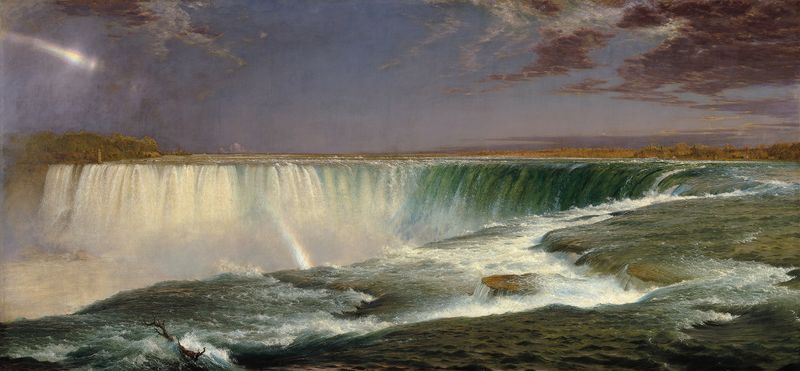
Niagara
Frederic Edwin Church
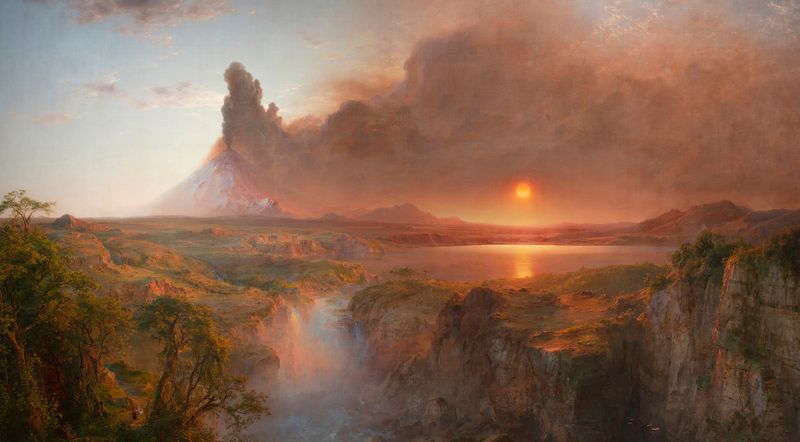
Cotopaxi
Frederic Edwin Church
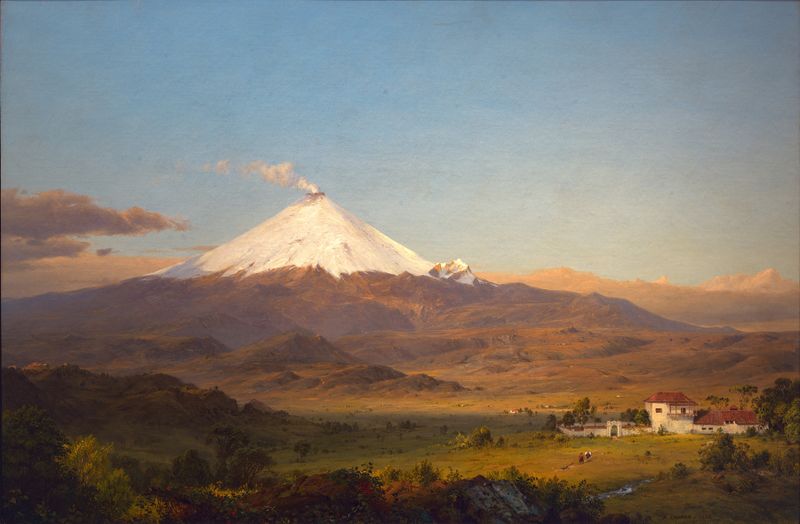
Cotopaxi
Frederic Edwin Church
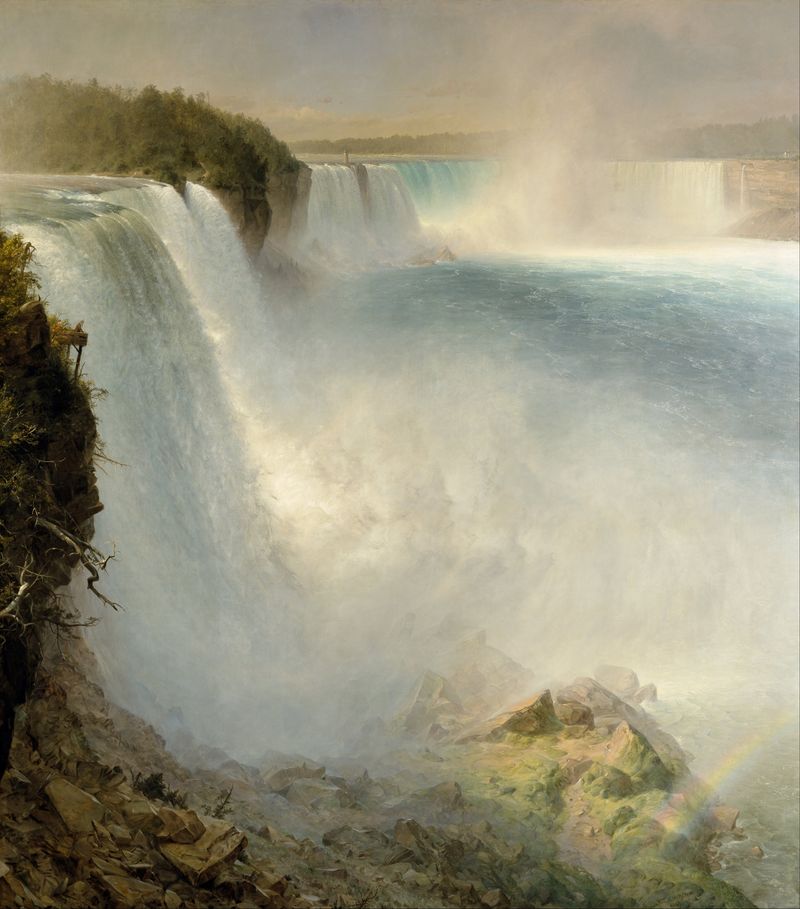
Niagara Falls, from the American Side
Frederic Edwin Church
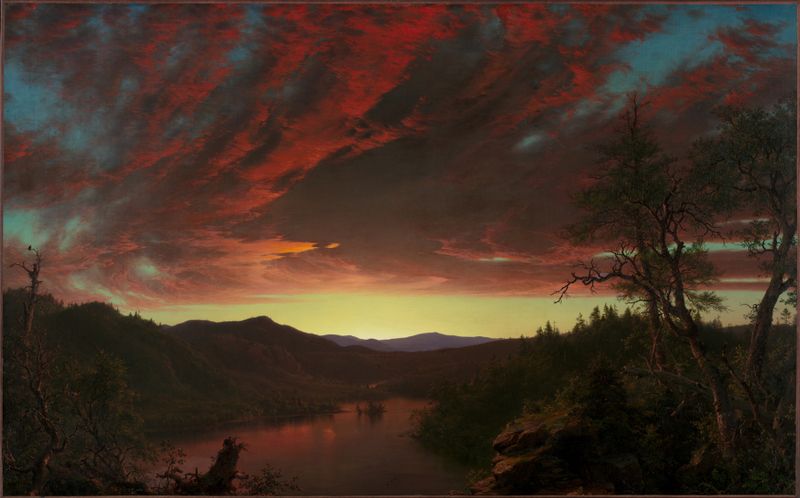
Twilight in the Wilderness
Frederic Edwin Church
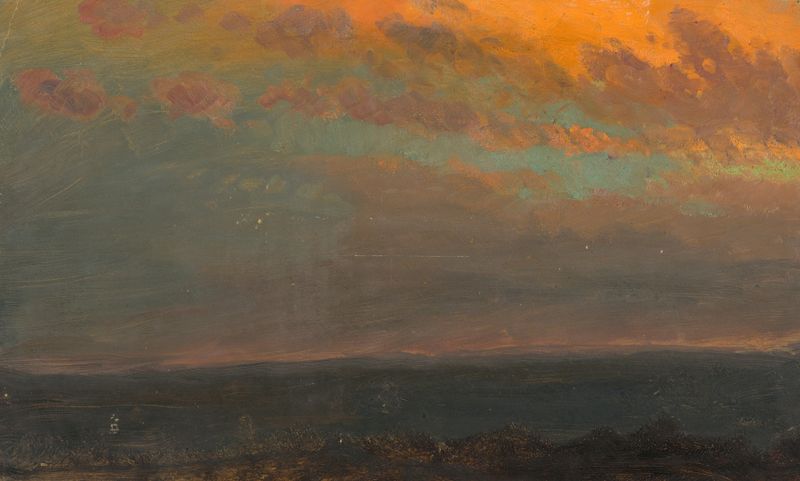
Hudson Valley at Sunset
Frederic Edwin Church
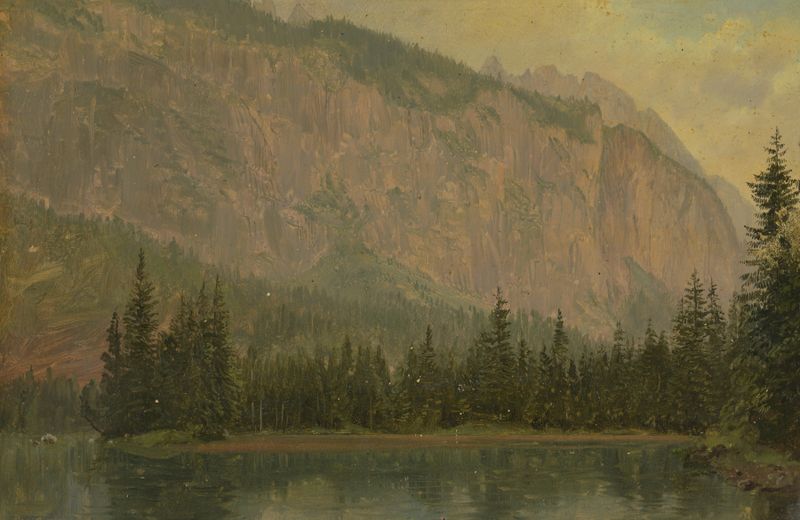
The Hintersee, near Berchtesgaden, Bavaria
Frederic Edwin Church
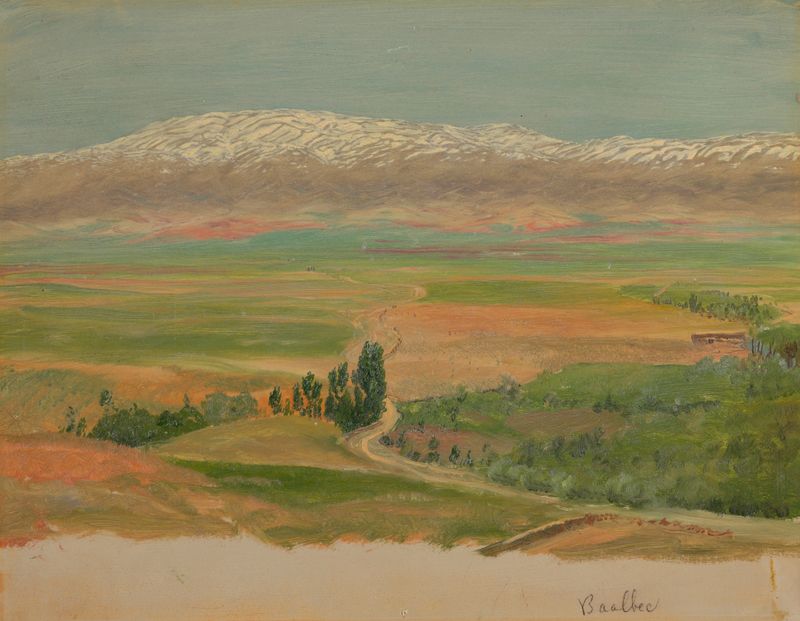
Mountains near Baalbec
Frederic Edwin Church
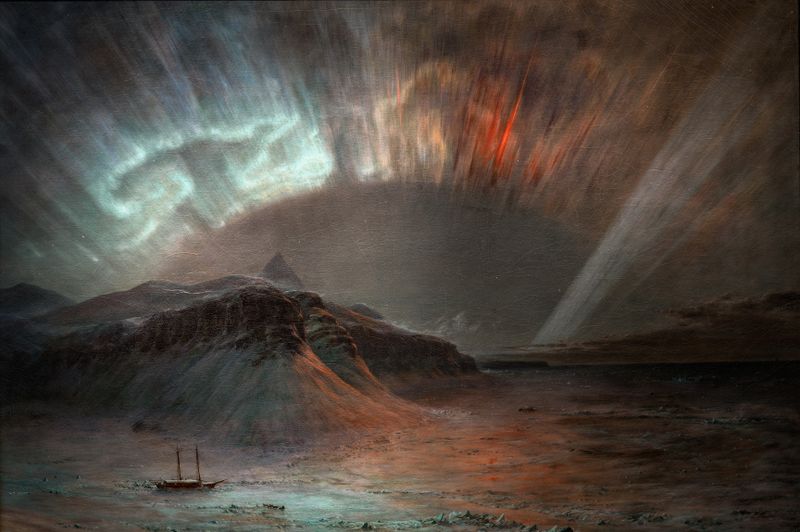
Aurora Borealis
Frederic Edwin Church
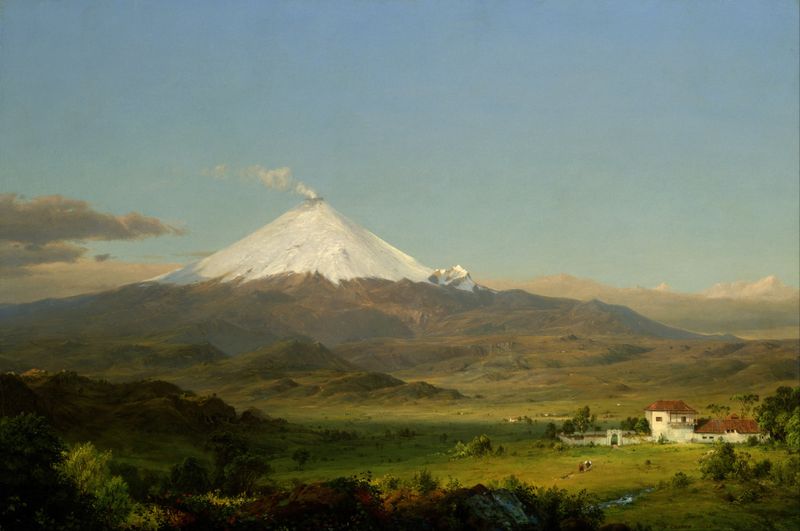
Cotopaxi
Frederic Edwin Church
More Architecture Art
Browse all →
The statue of Liberty
Frédéric Auguste Bartholdi

View of Houses in Delft, Known as ‘The Little Street’
Johannes Vermeer

View of Houses in Delft, Known as ‘The Little Street’
Johannes Vermeer

The Cathedral in Rouen. The portal, Grey Weather
Claude Monet

The yellow house
Vincent van Gogh

The Church in Auvers-sur-Oise, View from the Chevet
Vincent van Gogh