
Norwegian Christmas Tradition — History & Facts
What draws the eye first is the sense of anticipation: a crowd of villagers, young and old, gathers in the crisp snow beneath a wooden storehouse, all faces turned toward a sheaf of grain hoisted high atop a pole. The artist, Adolph Tidemand, chooses not a moment of quiet devotion, but the instant when tradition becomes celebration—children tumble and scramble in the snow, while adults pause, some mid-gesture, their attention caught between the ritual and the lively chaos below. The snow glows with a soft, blue-white light, guiding the viewer’s gaze from the playful foreground to the rooftops, where birds gather on the thatch, drawn by the promise of the Christmas sheaf.
Every detail, from the icicles hanging heavy on the eaves to the red and green of the villagers’ garments, is a deliberate invitation to linger and read the scene as both a record and a living memory. Painted in 1846, this work belongs to a moment in Norwegian art when national customs and rural life became subjects worthy of the grand canvas. Artists like Tidemand traveled the countryside, sketching local traditions not just for city audiences hungry for stories of their own land, but for a growing sense of national identity. The Christmas sheaf—set out for birds as an old rural custom—anchors the scene in a specific time and place, yet the painting’s energy and warmth speak to broader 19th-century currents: the romantic fascination with folk life, the pride in local rituals, and the desire to preserve them in the face of modern change.
Now held in the DigitaltMuseum collection, the painting stands as a window onto a world where the ordinary rituals of winter could become, in the right hands, a celebration worth remembering—one that invites us to step closer and join the gathering.
More Artworks by Adolph Tidemand

Bridal Procession on the Hardangerfjord
Adolph Tidemand
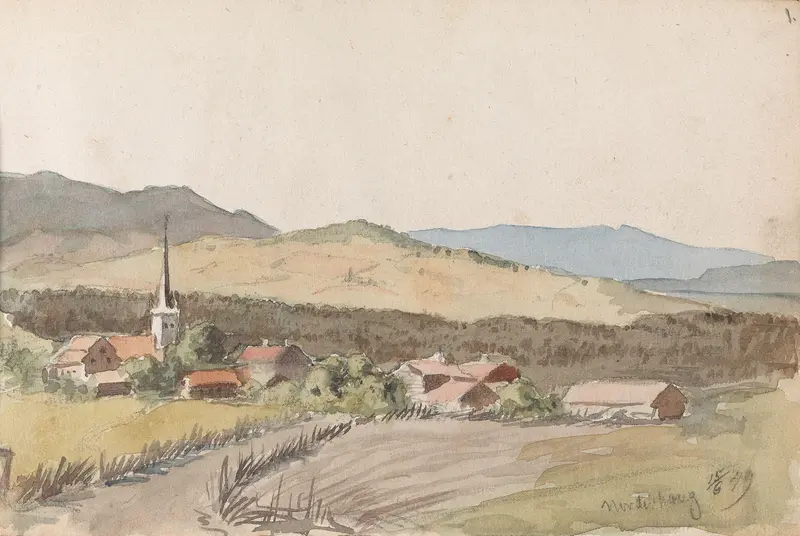
Fra Haugsbygd
Adolph Tidemand
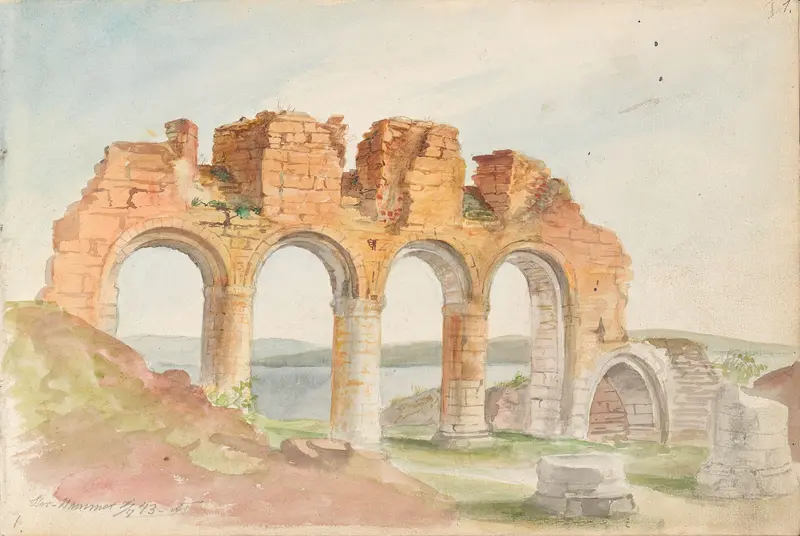
Domkirkeruinen, Hamar
Adolph Tidemand
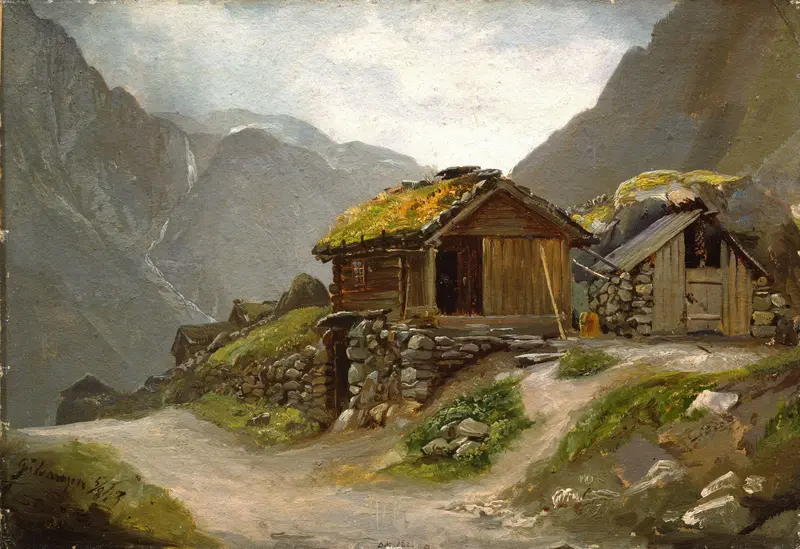
View from Gudvangen
Adolph Tidemand
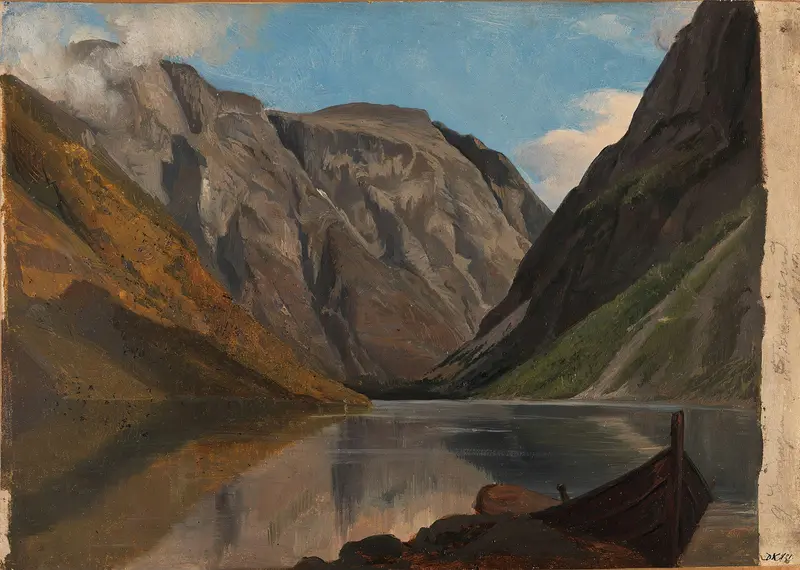
View of Gudvangen
Adolph Tidemand
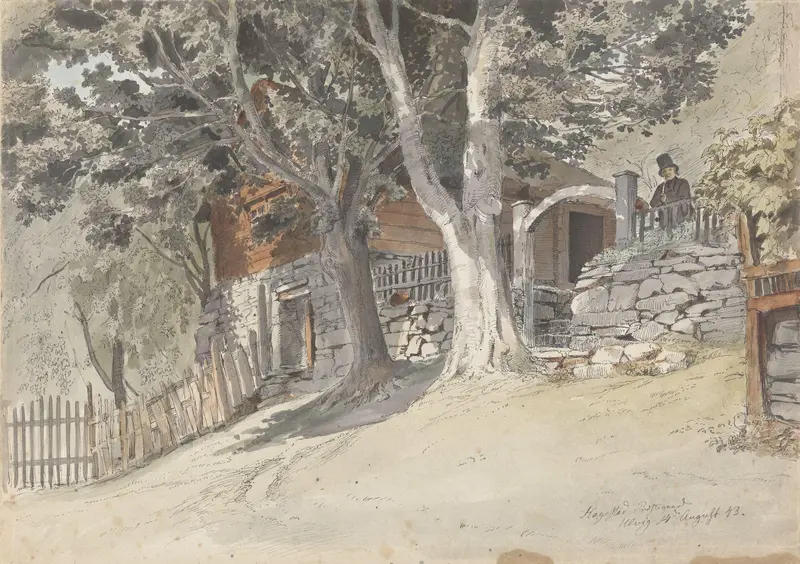
Hagestad prestegård, Ulvik i Hardanger
Adolph Tidemand
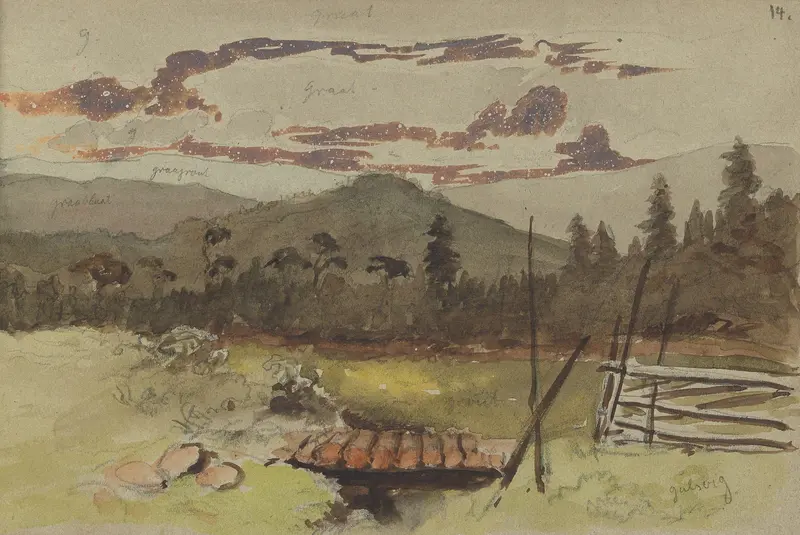
Fra Gulsvik
Adolph Tidemand
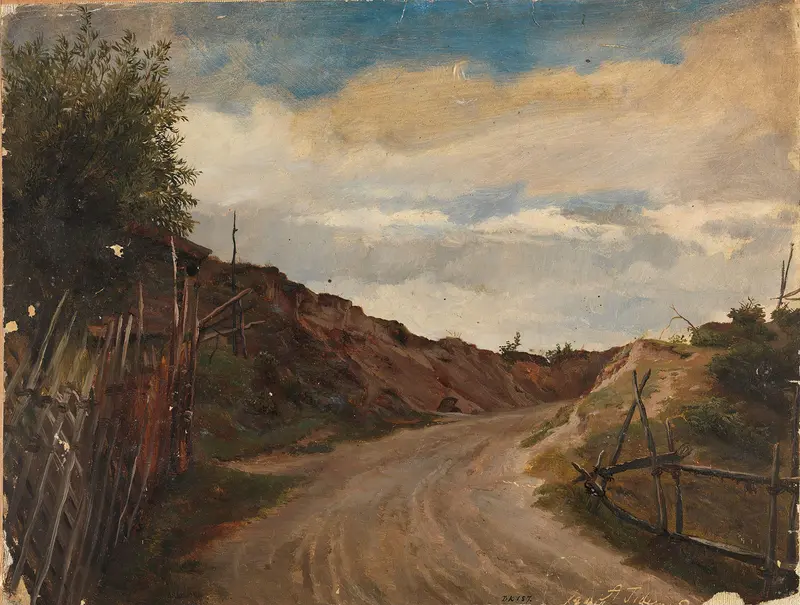
Country Road
Adolph Tidemand
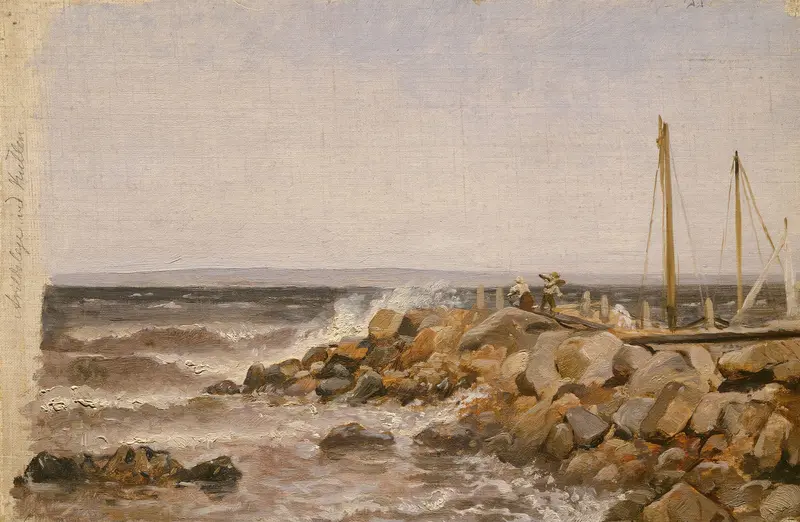
From Kullen in Sweden
Adolph Tidemand
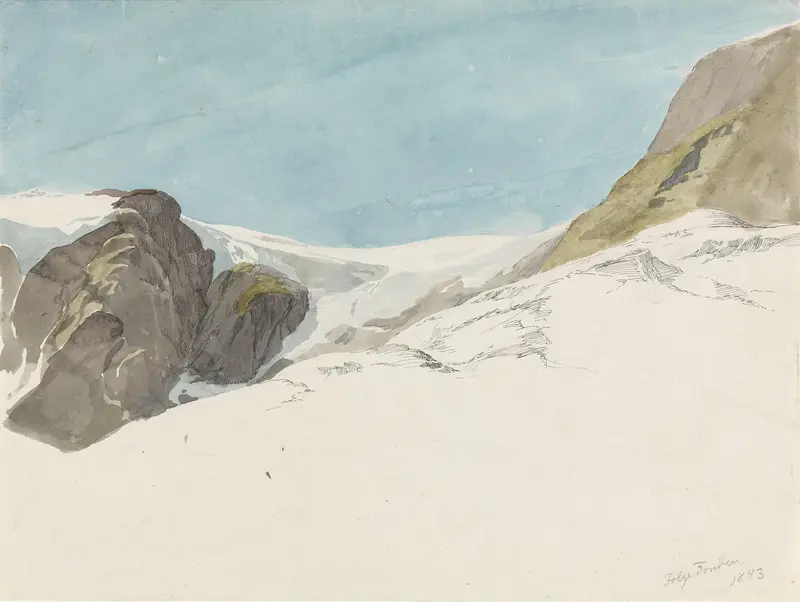
Untitled
Adolph Tidemand
More Genre Scene Art

Banquet of the Officers of the St George Civic Guard
Frans Hals

Rembrandt and Saskia in the Scene of the Prodigal Son
Rembrandt van Rijn

Bal du moulin de la Galette
Pierre-Auguste Renoir

Quadrille at the Moulin Rouge
Henri de Toulouse-Lautrec

A Burial at Ornans
Gustave Courbet

When Will You Marry?
Paul Gauguin