
Notre Dame of Paris — History & Facts
The first thing that draws the eye in Notre Dame of Paris by Armand Guillaumin is the way the cathedral rises, almost weightless, from the heart of the city—its familiar silhouette softened by a haze of pastel light. The painter leads us down the quayside, where figures stroll or pause, their dark outlines animated by the shimmering surface beneath their feet. The Seine, restless and green, catches the sky’s reflection and carries it onward, while boats and barges cluster at the river’s edge, hinting at the city’s constant movement.
Guillaumin’s brushwork is brisk, almost impatient, each stroke capturing the fleeting shifts of Parisian weather and the bustle of daily life. The cathedral itself, though monumental, seems part of this rhythm—anchored yet alive, its flying buttresses echoing the angles of the barges and bridges below. This view belongs to the world of late nineteenth-century Paris, when artists like Guillaumin, working alongside the Impressionists, turned their attention to the city’s changing face. Scenes of the Seine and its embankments became a favorite subject, not only for their picturesque qualities but for the way they embodied modernity: the mingling of ancient stone and new industry, the city’s pulse reflected in water and sky.
While little is recorded about this particular canvas—its date unknown, its journey preserved only in a scan from the MNBA catalogue—it stands as a testament to the era’s fascination with light, movement, and the everyday drama of urban life. Let your gaze linger on the brushstrokes, and you may find yourself walking those same Parisian quays, caught between the solidity of history and the fleeting beauty of the present.
More Artworks by Armand Guillaumin

La Seine À Charenton
Armand Guillaumin
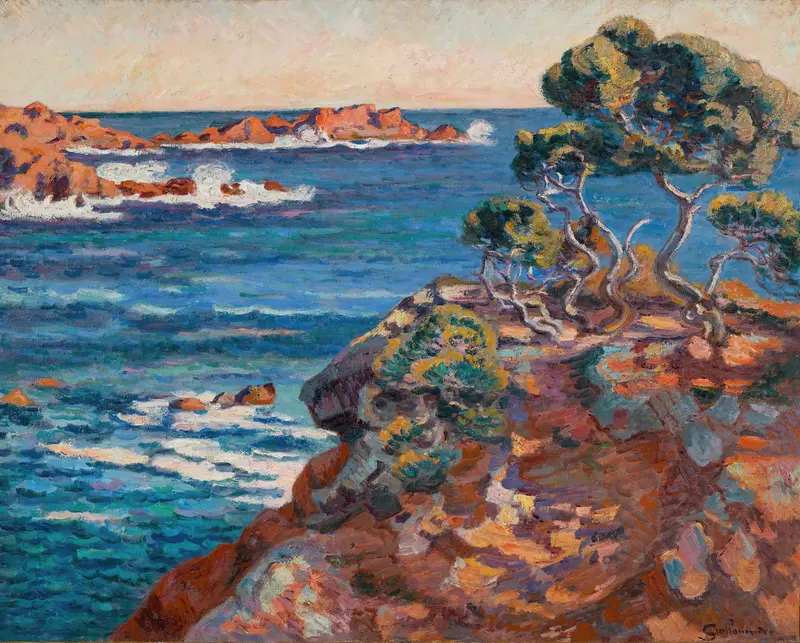
Bord De Mer À Agay
Armand Guillaumin
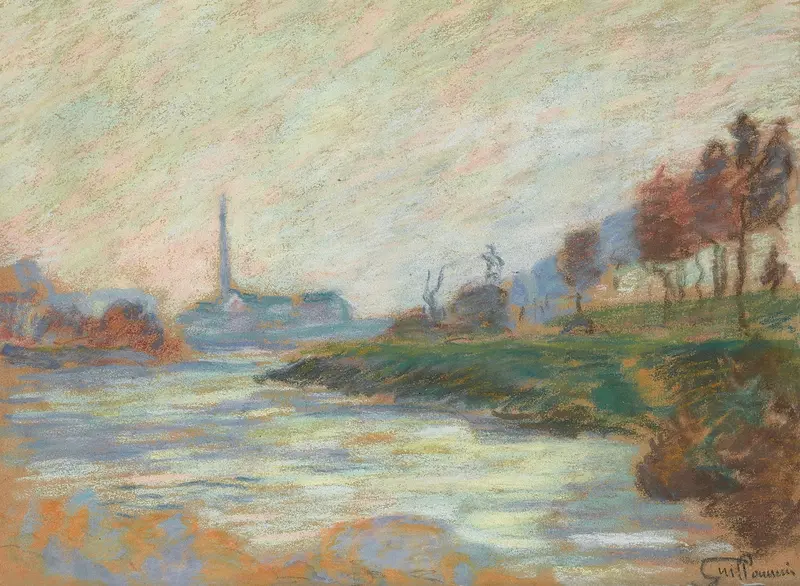
Confluent De La Marne Et De La Seine, Île De La France
Armand Guillaumin
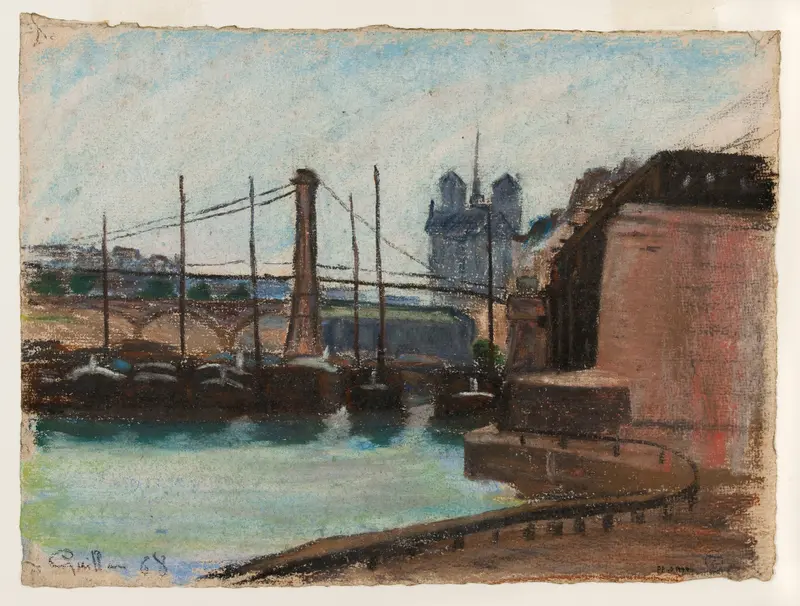
Le Pont d’Austerlitz
Armand Guillaumin
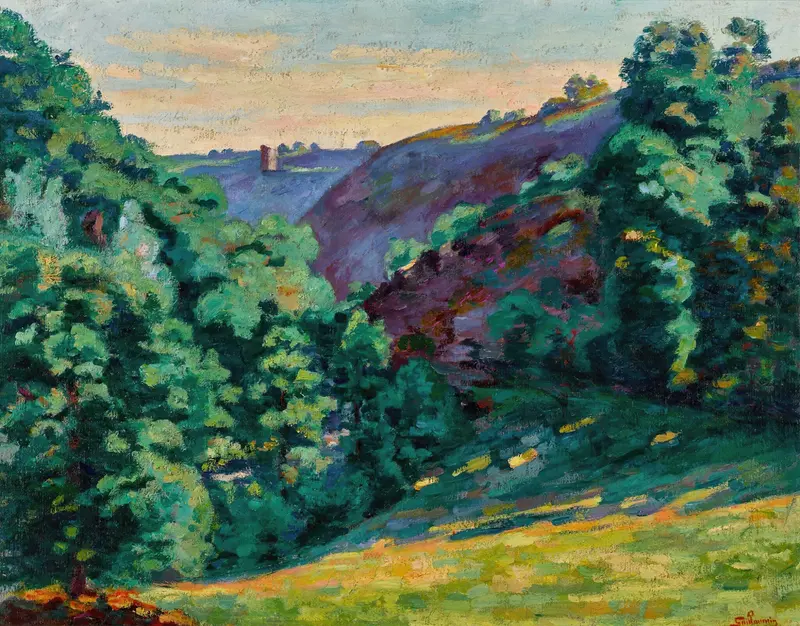
Le Ravin de la folie, vue de Chateau Crozant
Armand Guillaumin
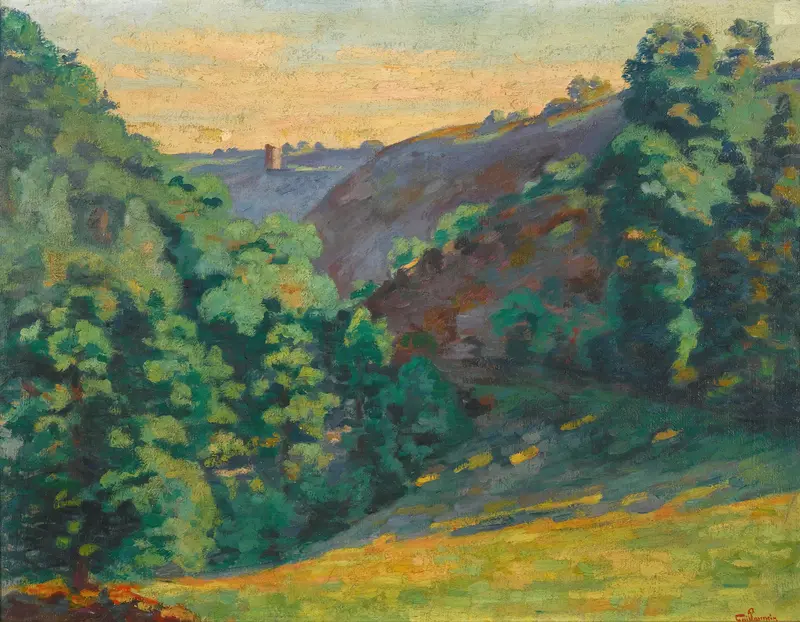
Crozant, Le Ravin De La Sedelle À La Folie
Armand Guillaumin
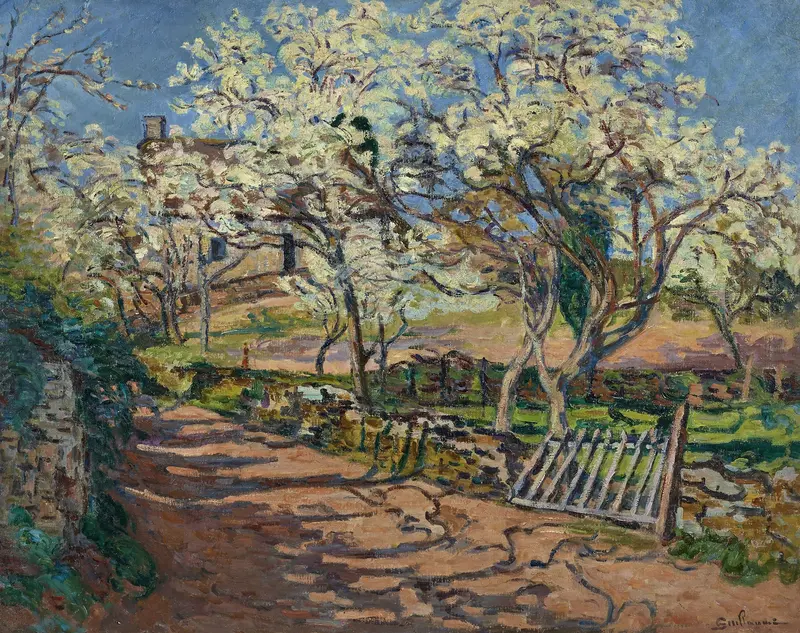
Paysage de Printemps
Armand Guillaumin
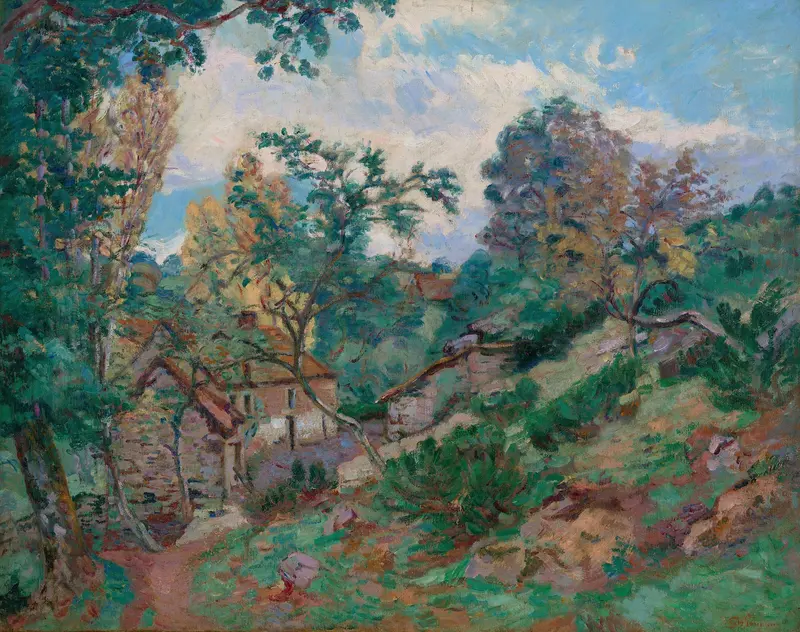
Paysage
Armand Guillaumin
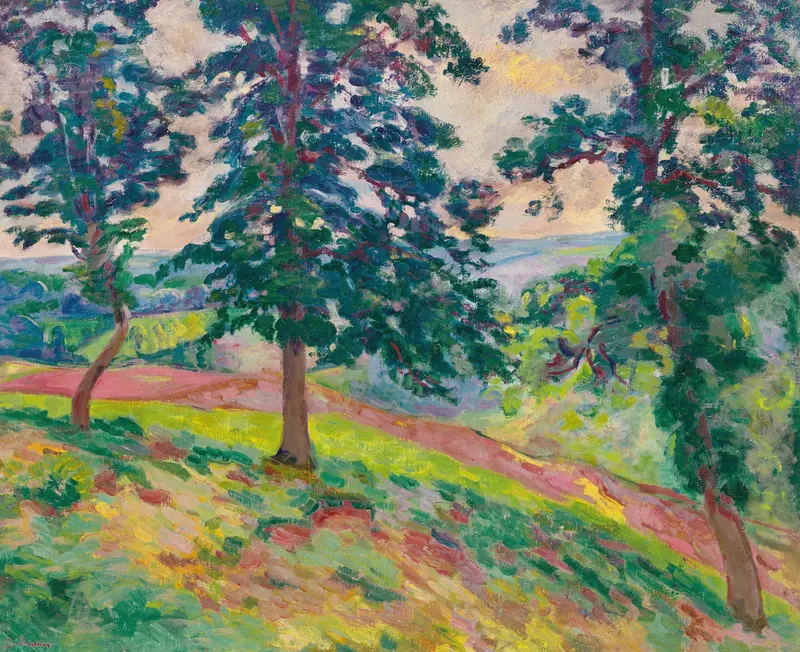
La vallée de la creuse
Armand Guillaumin
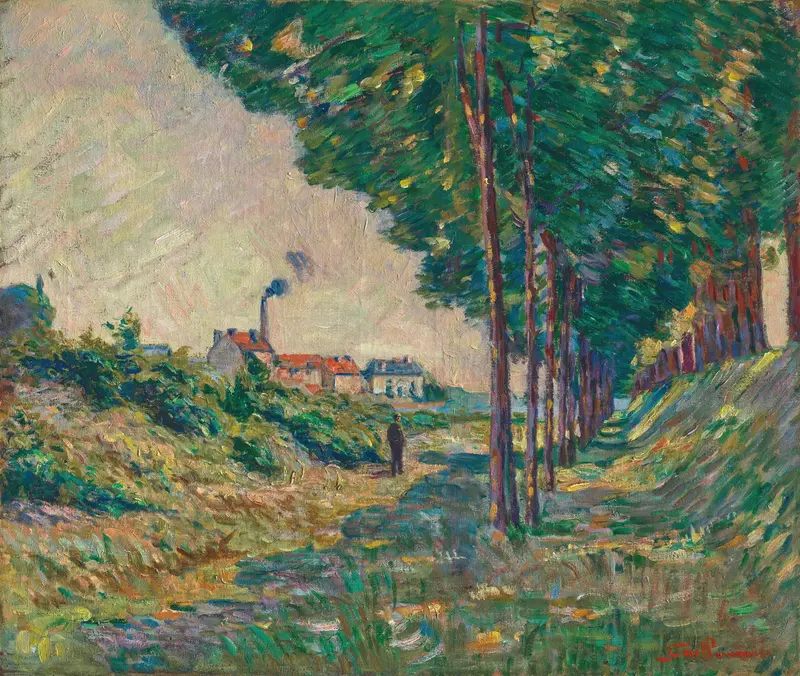
Le chemin de halage à Charenton, Ile de France
Armand Guillaumin
More Landscape Art

The Starry Night
Vincent van Gogh

View of Delft
Johannes Vermeer

Water Lilies
Claude Monet

The Grand Canal, Venice, looking north-west from the Ca' Corner to the Ca' Contarini degli Scrigni, with the campanile of Santa Maria della Carità
Canaletto

Windsor Castle
Canaletto

The Grand Canal looking North-East from the Palazzo Dolfin-Manin to the Rialto Bridge
Canaletto