
Nuneham. — History & Facts
This sentiment resonates in the delicate strokes of a bygone era, invoking a sense of nostalgia that lingers like the scent of aged paper. As we reflect on the fleeting moments of beauty in our lives, a canvas can transport us back to places and times we yearn to revisit. Focus first on the horizon where soft, pastel hues blend seamlessly into one another, bathing the landscape in a tender glow. Notice how the trees, rendered with fluid lines, sway gently, suggesting a breeze that whispers secrets of the past.
The tranquil river meanders through the scene, its surface catching the light, creating a shimmering pathway that draws the viewer deeper into this serene world. Each brushstroke seems intentional, revealing not just a place, but an emotion. In the midst of this idyllic setting, one might sense an underlying tension—a reminder of the passage of time. The juxtaposition of lush greenery and sprawling clouds hints at both peace and impermanence, inviting contemplation of what has been lost to the years.
The warm colors evoke a bittersweet longing, a reminder that such beauty, while eternal in paint, is transient in life. This delicate interplay between joy and melancholy encapsulates the essence of nostalgia itself. In 1860, Edward Lear was at the height of his career, renowned for his whimsical illustrations and poetry. Living in Italy during this time, he found inspiration in the landscapes around him, capturing moments of everyday beauty against the backdrop of his personal struggles.
The world of art was evolving, and Lear's work, marked by a longing for simplicity and serenity, stood as a testament to the power of nature and memory amidst the chaos of modernity.
More Artworks by Edward Lear
Browse all →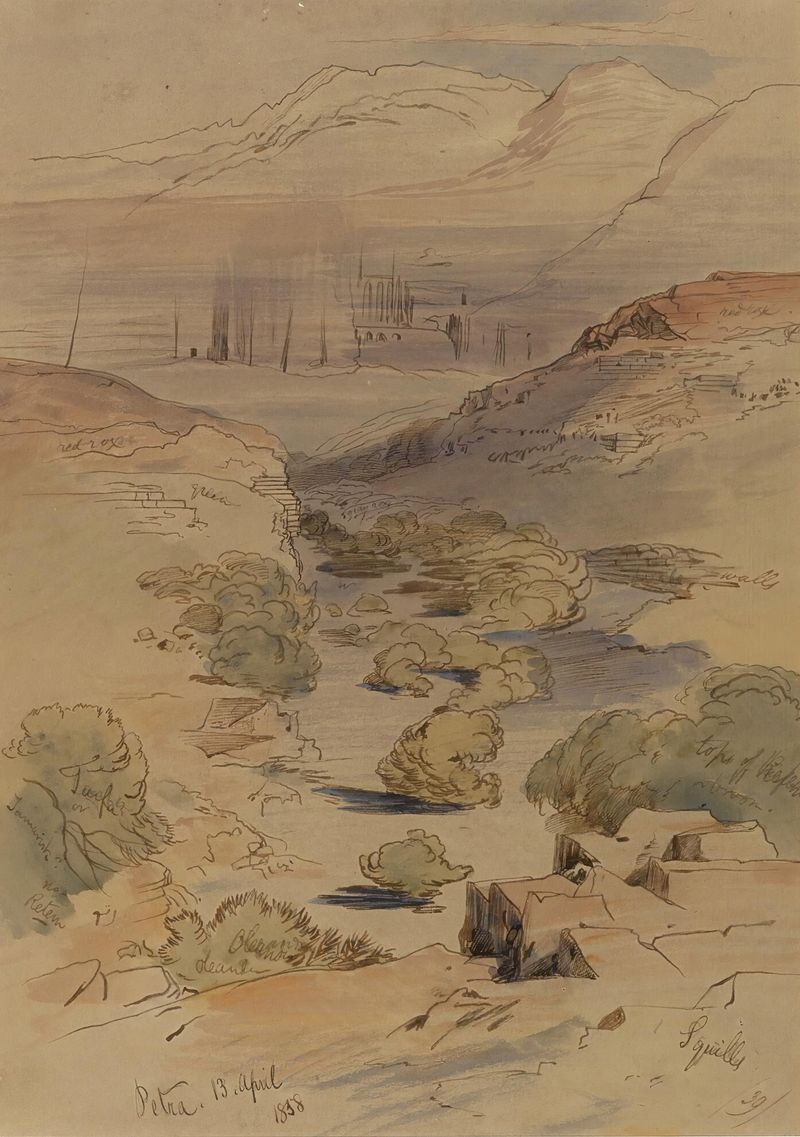
Petra
Edward Lear
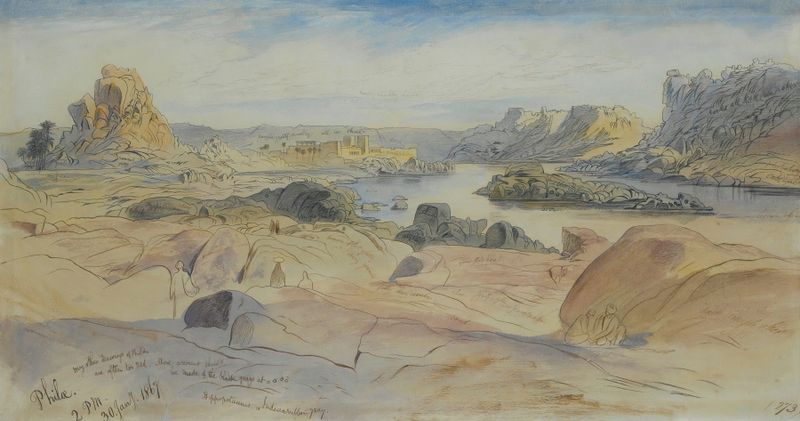
Philae, Egypt
Edward Lear
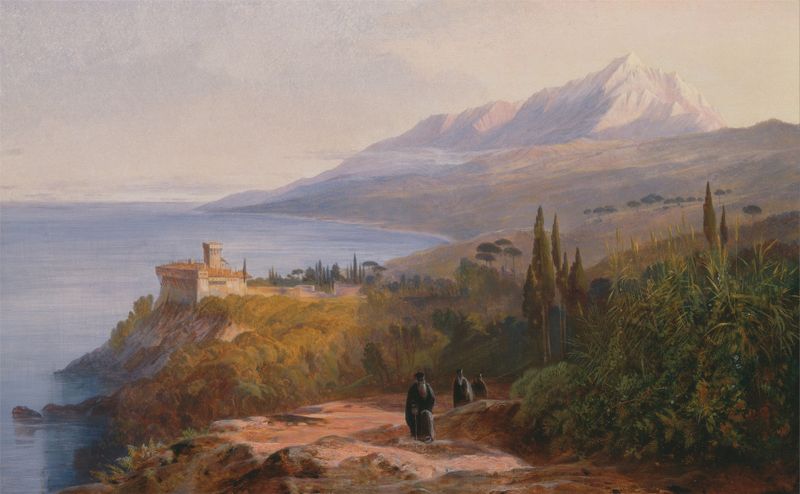
Mount Athos and the Monastery of Stavronikétes
Edward Lear
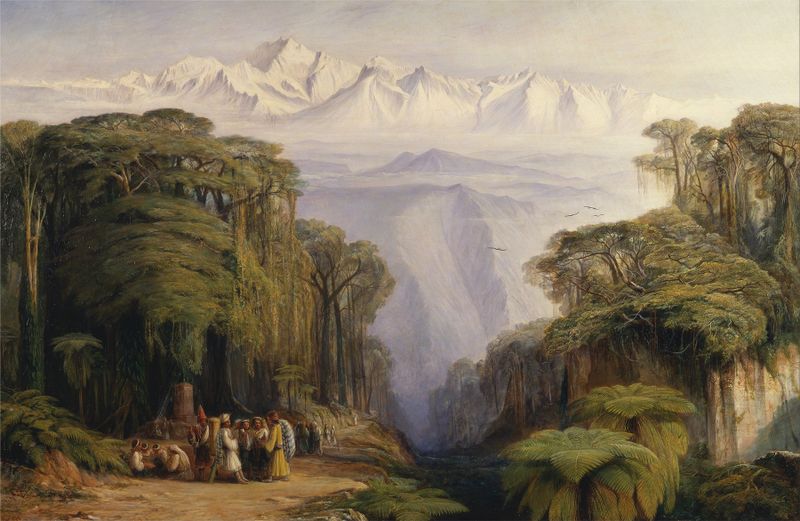
Kangchenjunga from Darjeeling
Edward Lear
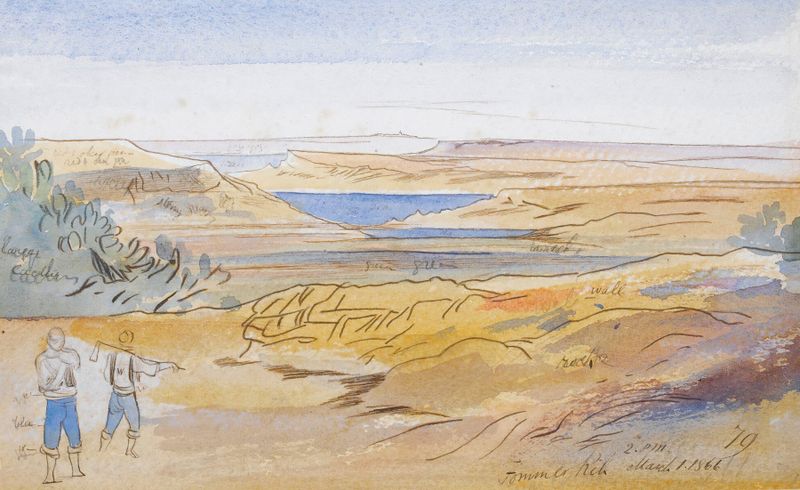
Fomm Ir-Rih, Malta
Edward Lear
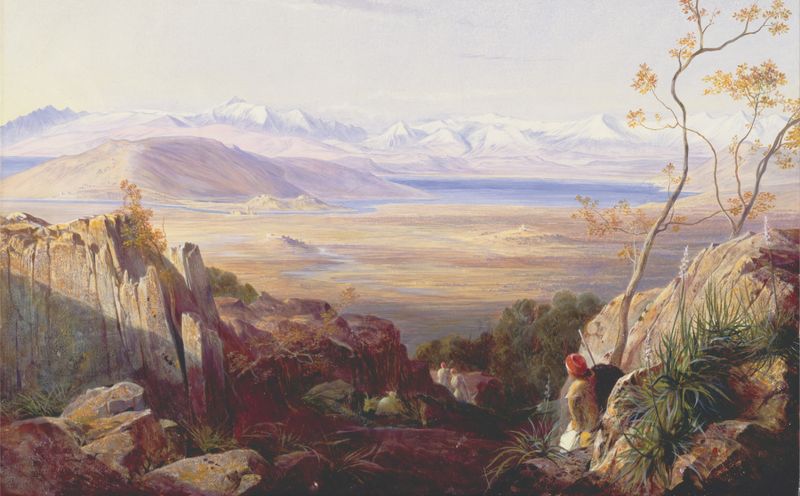
Butrinto, Albania
Edward Lear
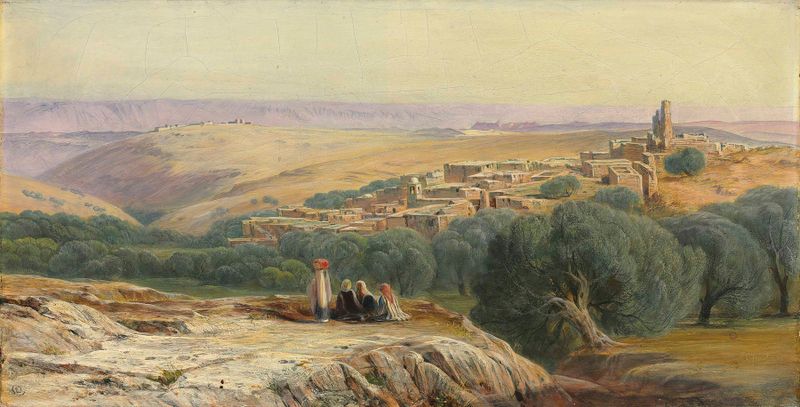
The Plains of Bethany
Edward Lear

Karnak, 9-30 pm, 22 January 1867
Edward Lear
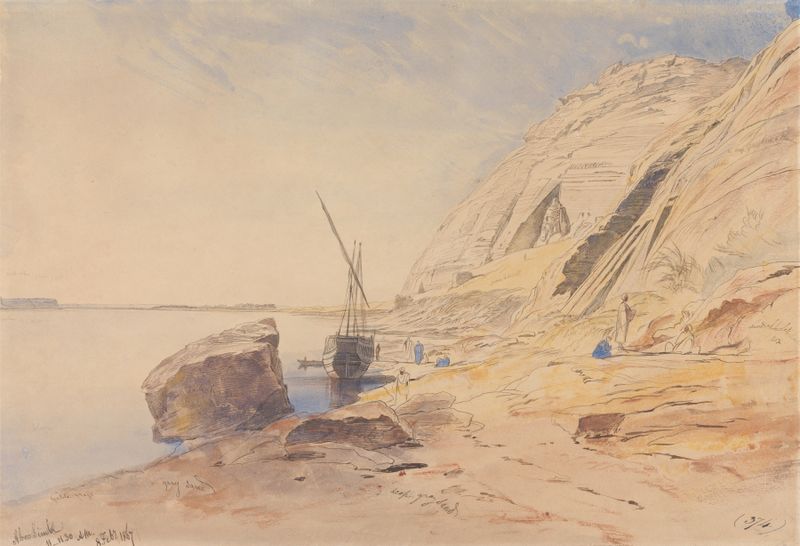
Abu Simbel, 11-11;30 am, 8 February 1867 (374)
Edward Lear

A View Of Mount Athos And The Pantokrator Monastery, Greece
Edward Lear





