Nymph of Fontainebleau — History & Facts
Could a single brushstroke hold eternity? In the delicate figures and ethereal landscape of a forgotten masterpiece, innocence dances with the ephemeral. Look closely at the Nymph, her soft form captured in graceful lines, drawing you into the serene world she inhabits. Notice how the light filters through the foliage above, casting a gentle glow that highlights her luminous skin and flowing garments. The painter’s deft hand renders intricate details, from the delicate curls of her hair to the subtle play of colors in her gown, evoking a sense of tranquility and wonder.
The lush greens and blues of the background envelop her, creating a harmonious connection between the figure and nature. Embedded within the artwork lies a poignant contrast between the nymph’s purity and the wildness surrounding her. The juxtaposition of innocence against nature's untamed beauty invites contemplation of the transient moments of youth and the inevitability of change. It is also a reflection on the role of women in the Renaissance, suggesting a time when femininity was both celebrated and objectified, embodying both reverie and vulnerability. The artist behind this captivating creation remains unknown, but Nymph of Fontainebleau was likely painted after 1545, during a period of rich artistic growth in France.
This era saw the blending of classical themes with emerging Mannerist techniques, as artists sought to explore the complexities of the human experience. In this historical context, the nymph serves not only as a subject of beauty but also as a testament to the evolving nature of art and society.
More Artworks by Unknown Artist
Browse all →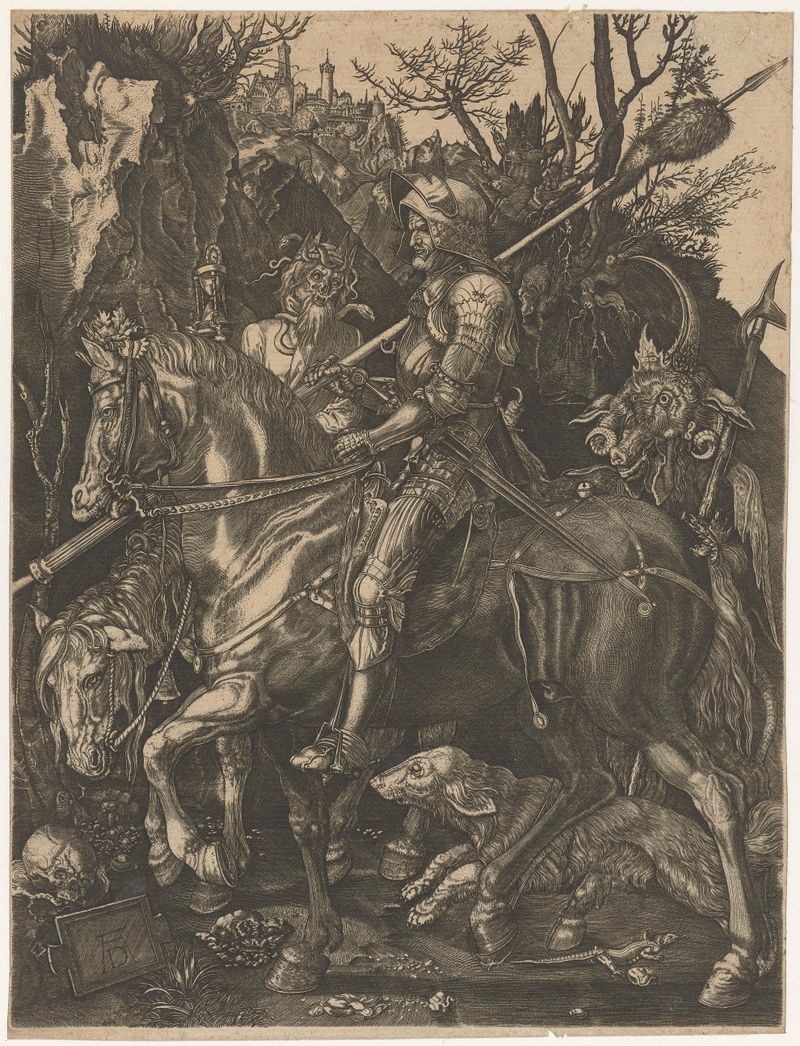
Ridder, Dood en Duivel
Unknown Artist
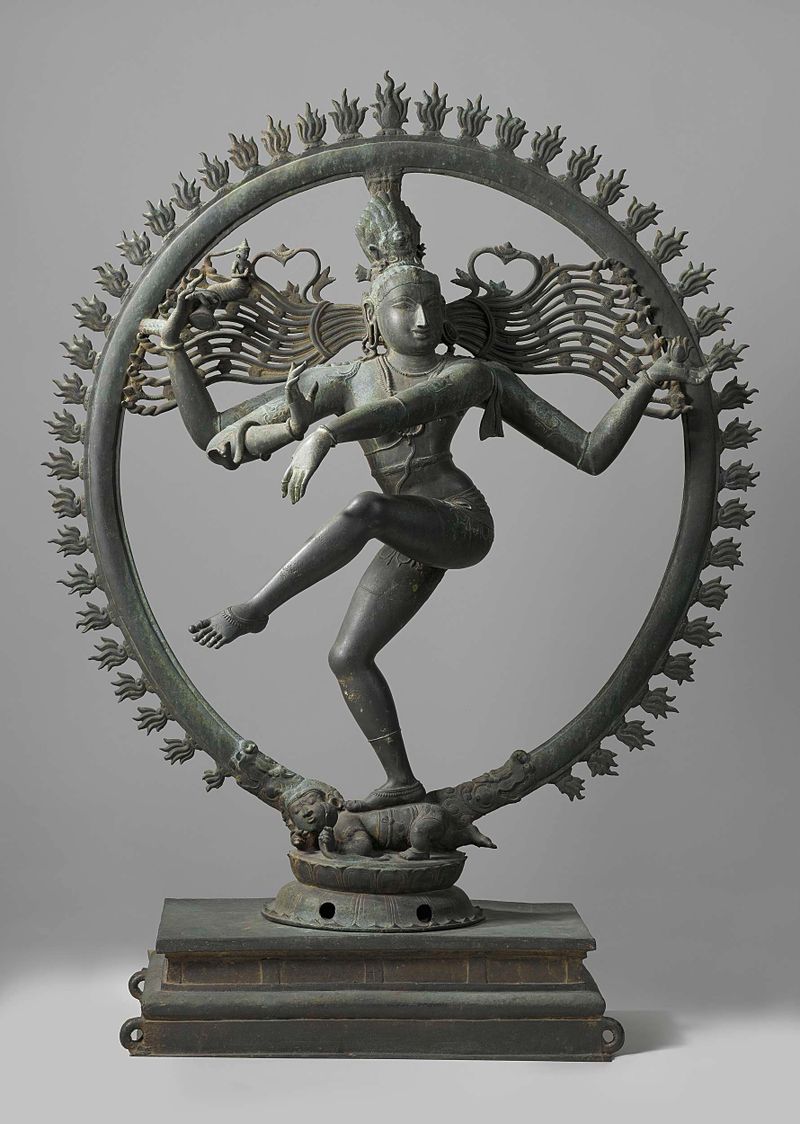
Shiva Nataraja
Unknown Artist
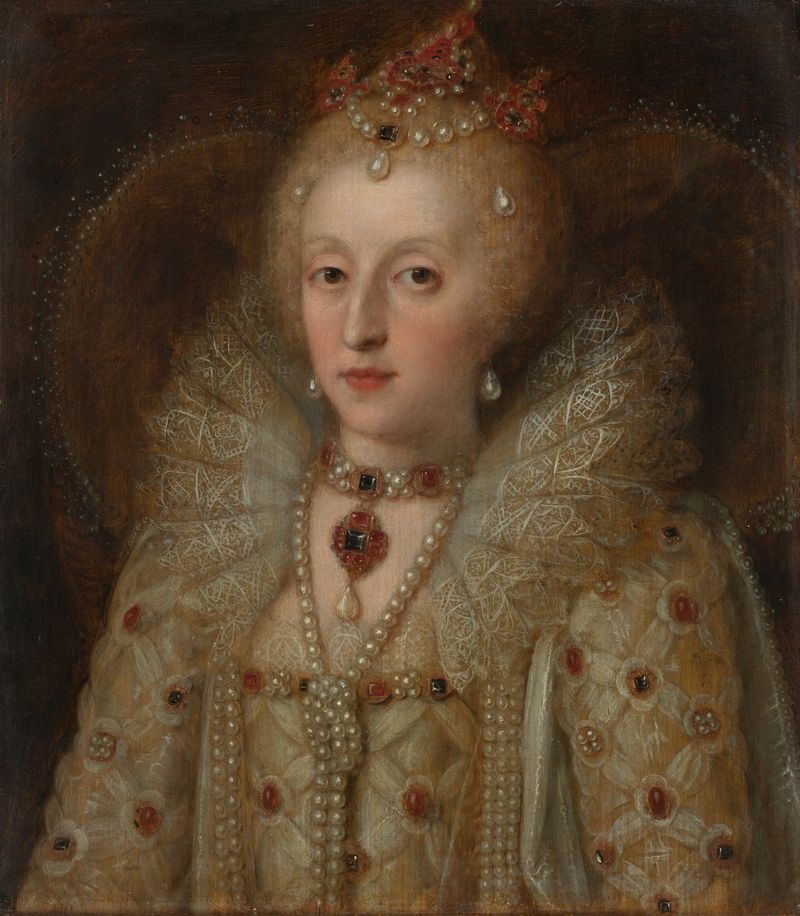
Portrait of Elizabeth I, Queen of England
Unknown Artist
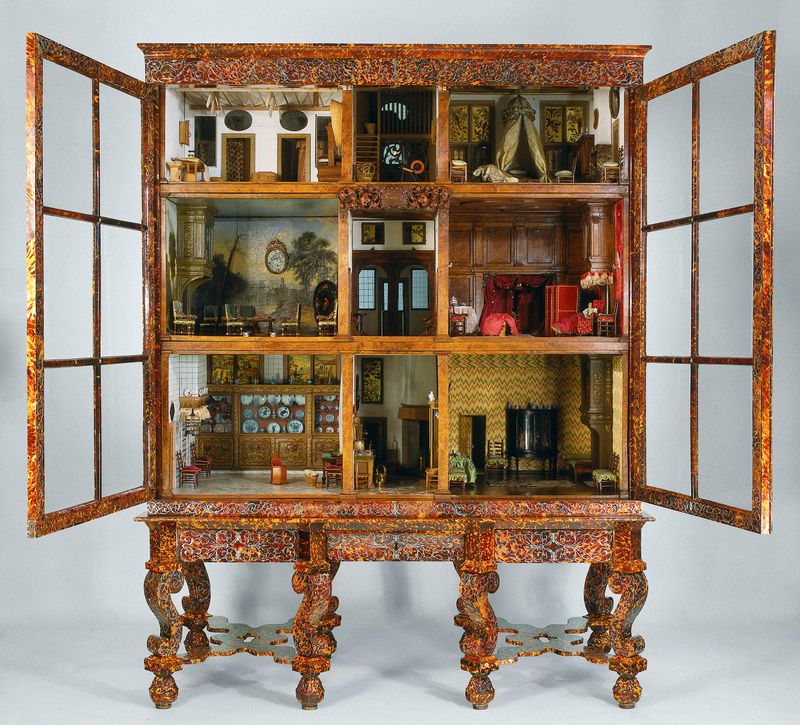
Dolls’ house of Petronella Oortman
Unknown Artist
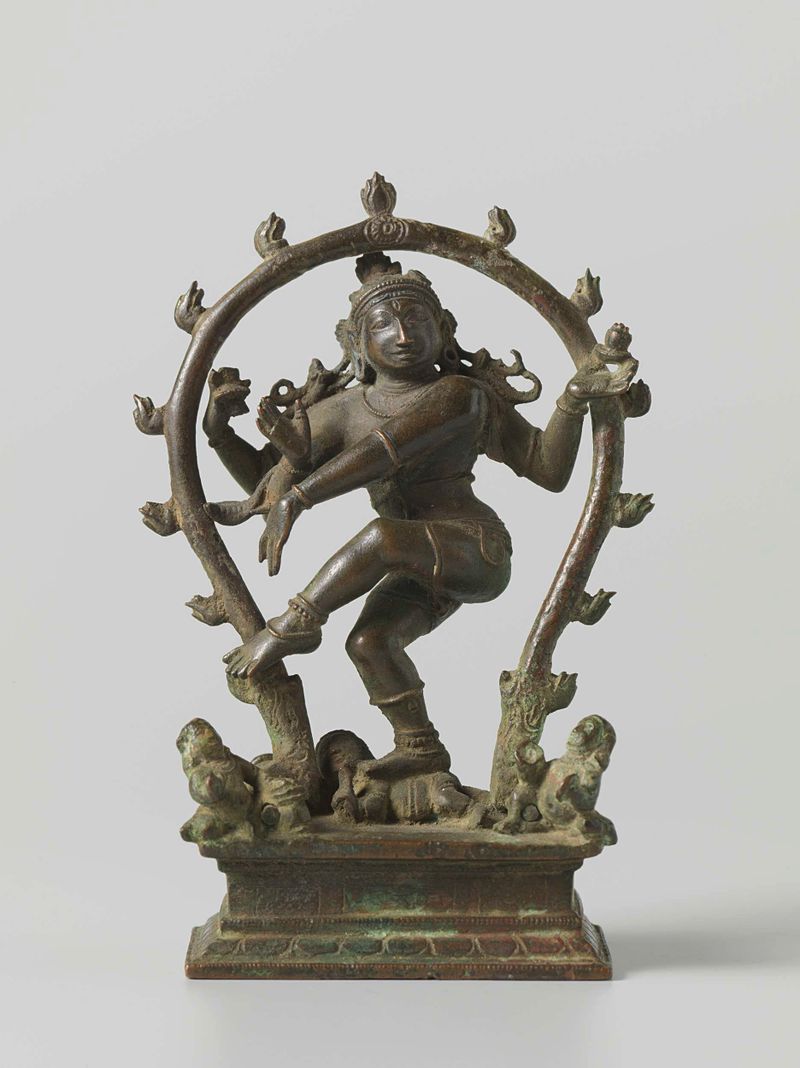
Shiva Nataraja
Unknown Artist

The Tale of Genji
Unknown Artist

The Tale of Genji
Unknown Artist

Cong
Unknown Artist
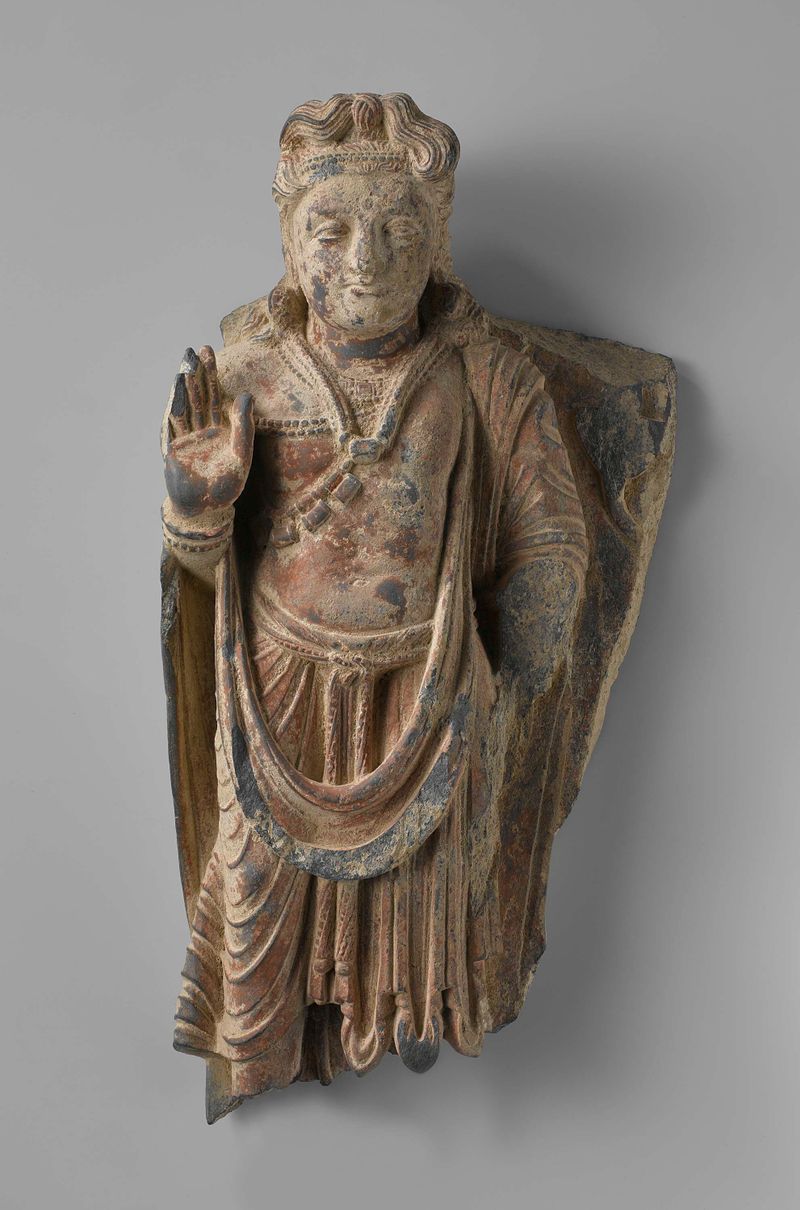
The bodhisattva Maitreya
Unknown Artist

Teabowl with a 'hare's fur' glaze
Unknown Artist