
Nymphs and Satyr — History & Facts
Four nude nymphs crowd around a horned satyr at the edge of a woodland pool, pulling at his arms and shoulders, while one flings an arm high above them. Dark trees close in behind, and reeds and still water lie at their feet. The Clark describes them as water-loving nymphs trying to drag a satyr, a creature of the forest, into the pool. William-Adolphe Bouguereau showed the picture at the Paris Salon of 1873, where the catalog printed verses by the Roman poet Statius about a satyr who never learned to swim.
The Clark notes that Bouguereau did not follow Statius's story closely and that the meaning of the scene is open to question. The artist sold it to John Wolfe of New York at the end of the Salon. It then hung for almost twenty years in the bar of the Hoffman House hotel in New York, whose owner used it as a trademark for the hotel and its cigars. Sterling Clark bought it in 1942 and showed it for a 25-cent admission to raise money for the Fighting French.
At 2.6 meters tall, it is the largest painting in the Clark's collection. It is in the Clark Art Institute in Williamstown, Massachusetts.
More Artworks by William Bouguereau

A Study For The Secret
William Bouguereau
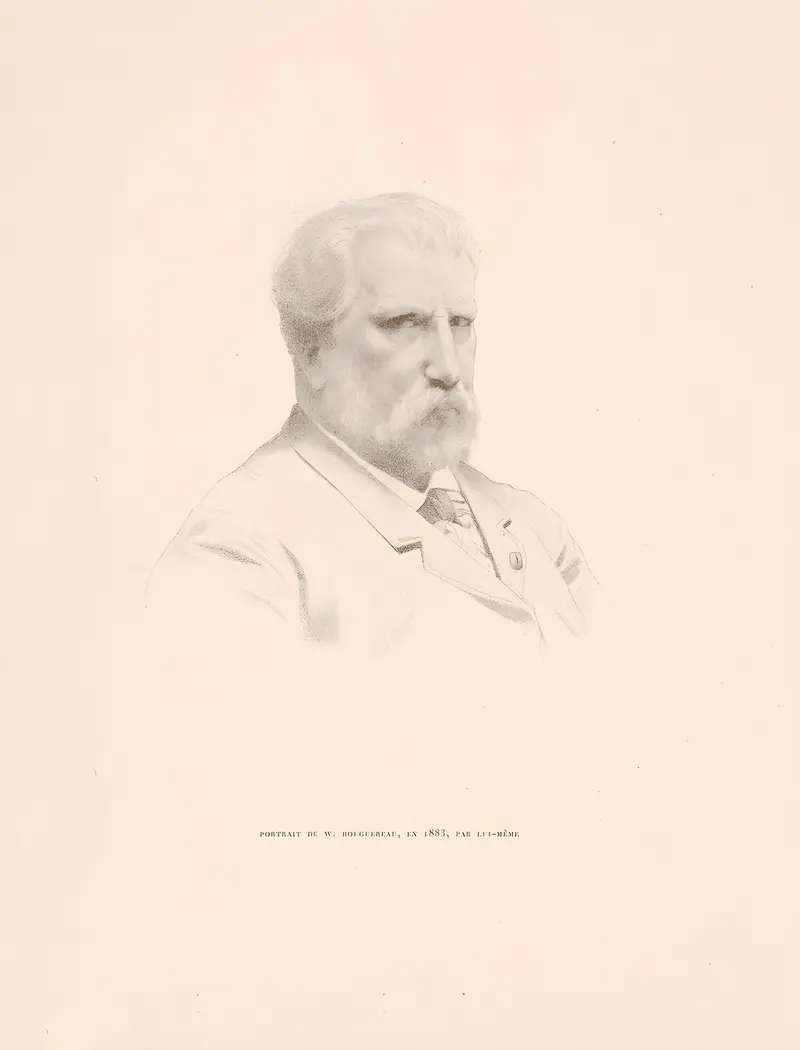
Portrait de W. Bouguereau, en l899
William Bouguereau
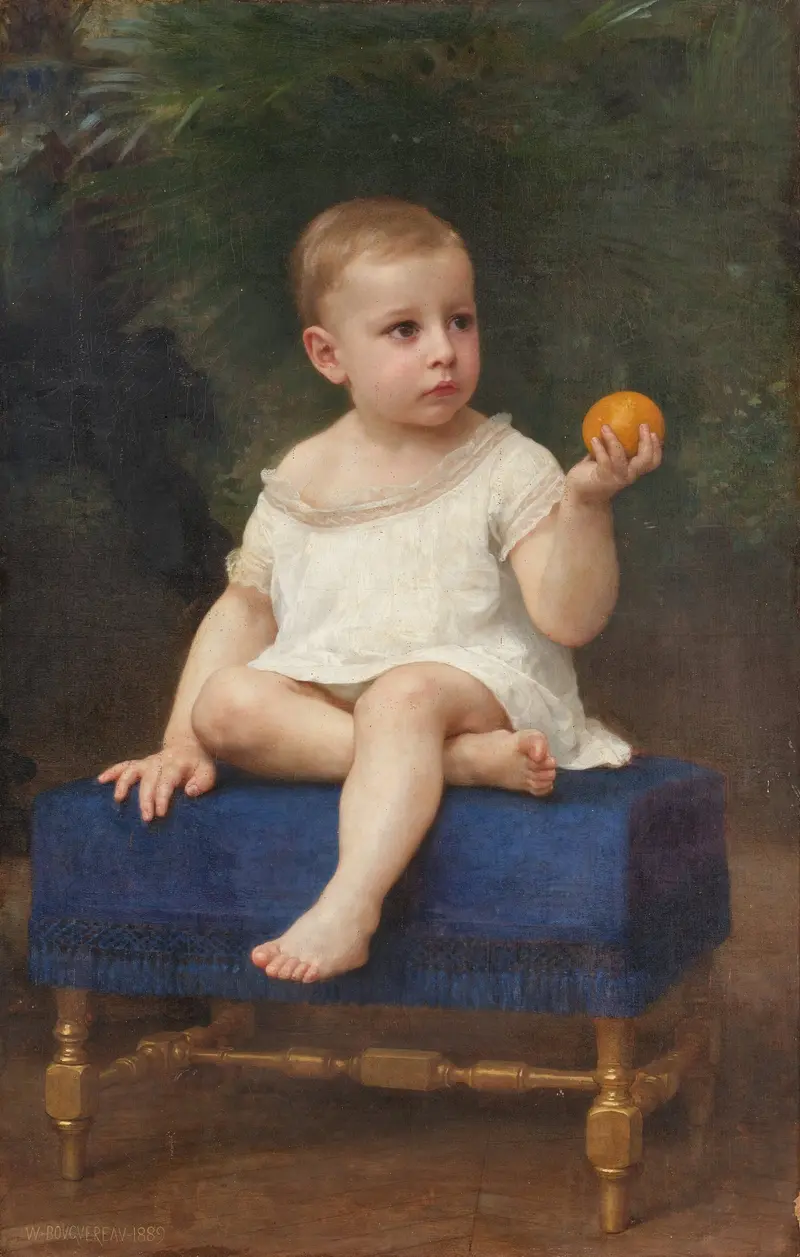
Portrait of a Child of Madame Porter
William Bouguereau
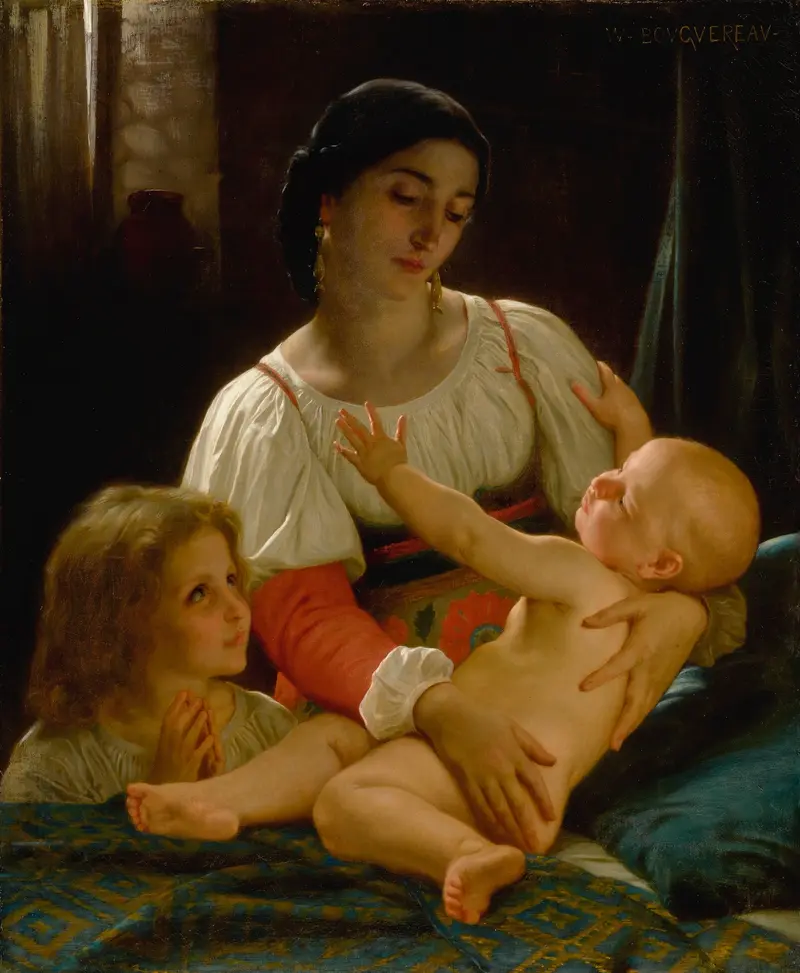
Le Réveil
William Bouguereau
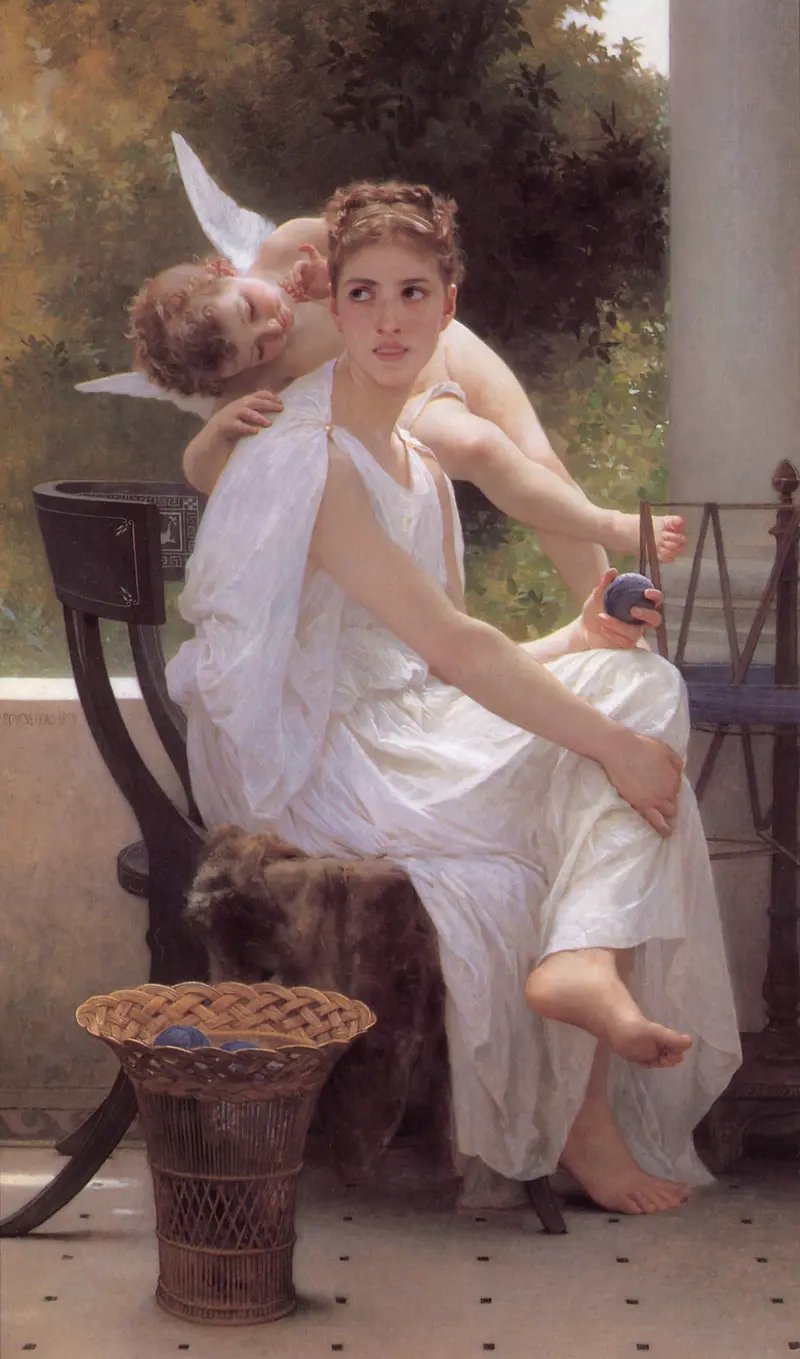
Le travail interrompu
William Bouguereau
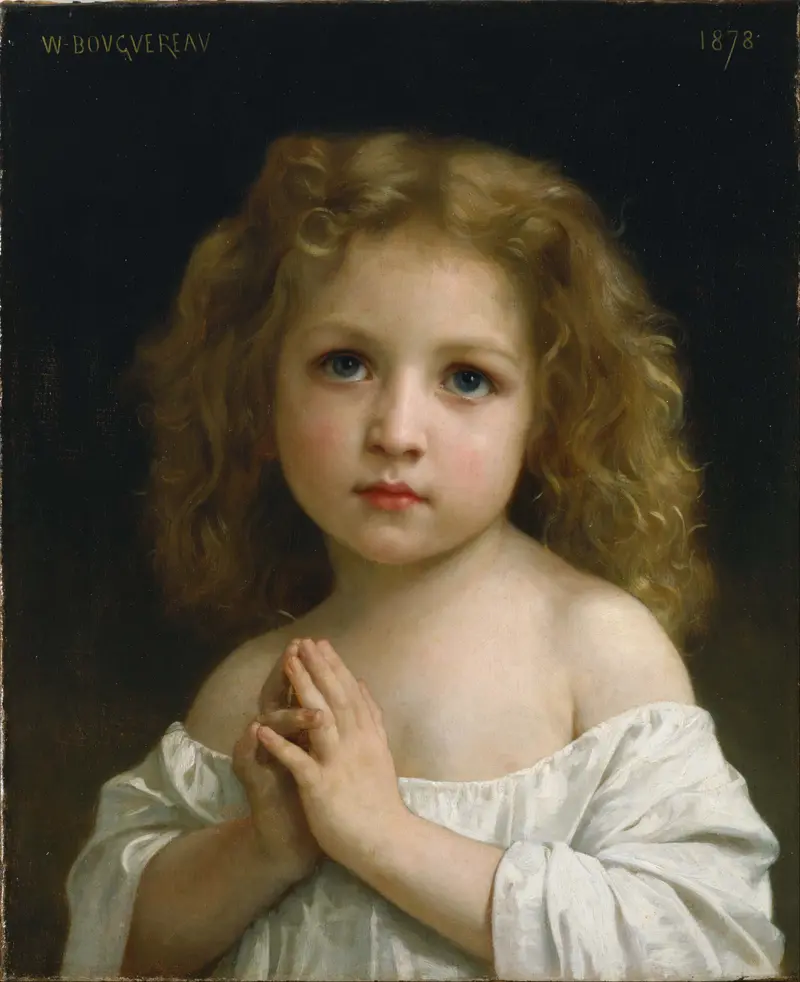
Little Girl
William Bouguereau
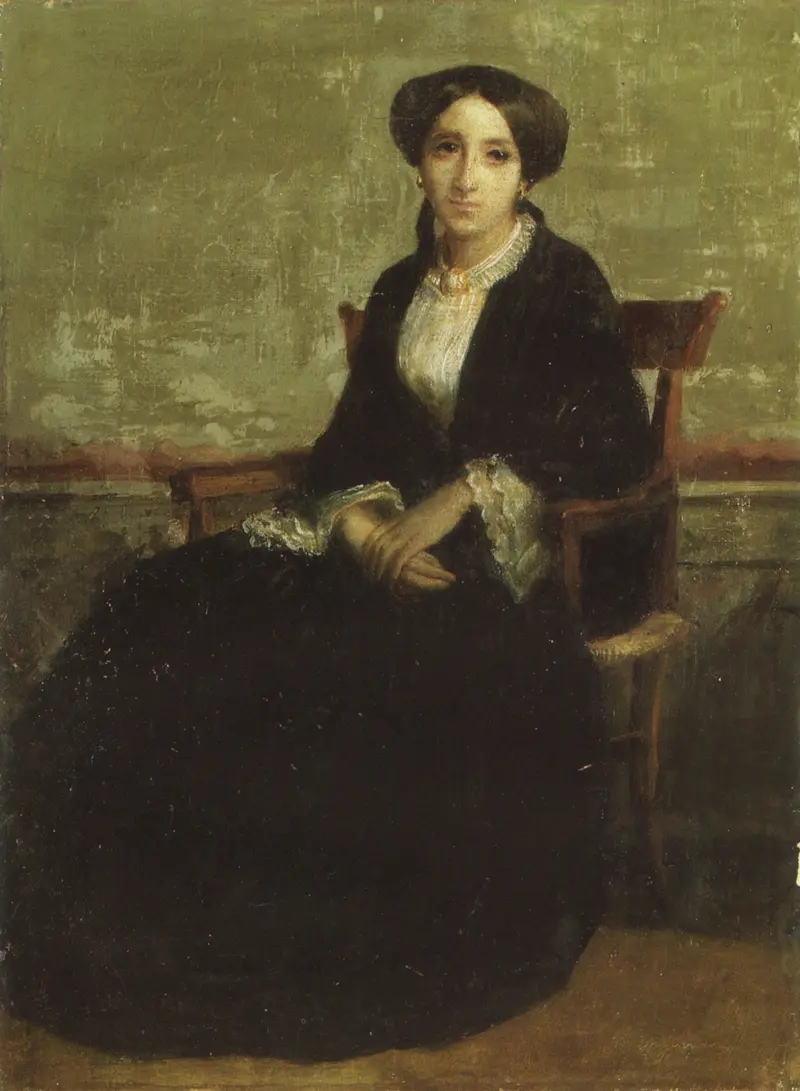
Portrait of Céline Geneviève
William Bouguereau

Bohémienne Au Tambour De Basque
William Bouguereau
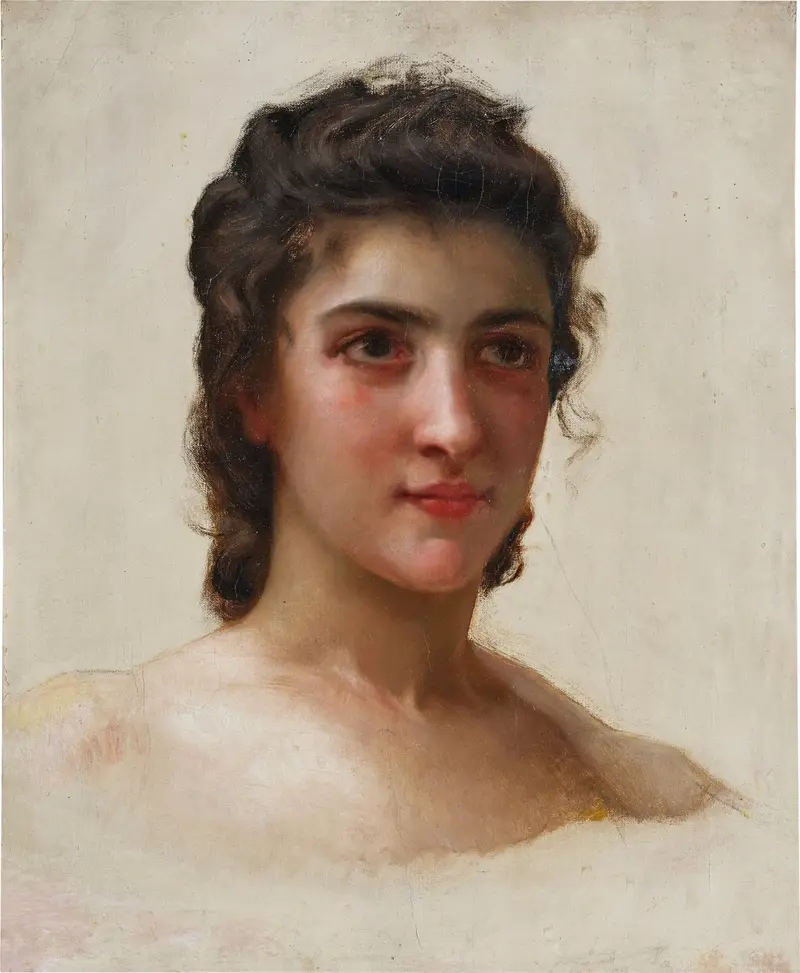
Portrait Study of Gabrielle Drunzer
William Bouguereau
Tête d’enfant
William Bouguereau





