
Oak Tree by the Elbe in Winter — History & Facts
Could beauty survive in a century of chaos? In Oak Tree by the Elbe in Winter, the answer is a resounding yes, as tranquility finds its place amidst the harshness of the season. Look closely at the center of the canvas, where a solitary oak tree stands resolute against a backdrop of winter's muted palette. The delicate interplay of cool blues and soft whites envelops the scene, while the intricate branches are etched with precision, drawing your gaze upward. Notice how the sunlight pierces through the overcast sky, illuminating the tree's gnarled limbs and creating a profound contrast between the textured bark and the delicate, powdery snow that clings to its roots. Within this serene landscape lies a subtle tension between isolation and resilience.
The oak, majestic yet solitary, evokes feelings of both loneliness and strength, captured perfectly through Dahl’s meticulous brushwork. The tranquil water of the Elbe, reflecting the muted colors of the sky, amplifies the sense of calm while hinting at the passage of time, reminding the viewer that nature continues to endure, even in the depths of winter. Painted in 1853, this work reflects Johan Christian Dahl's dedication to romantic landscapes, a genre gaining popularity in Europe. During this period, Dahl found himself in Dresden, where he was influenced by the emerging Romantic movement.
His focus on the sublime beauty of nature amidst the tumult of the world around him speaks to a broader yearning for serenity, positioning him as a key figure in the narrative of 19th-century art.
More Artworks by Johan Christian Dahl
Browse all →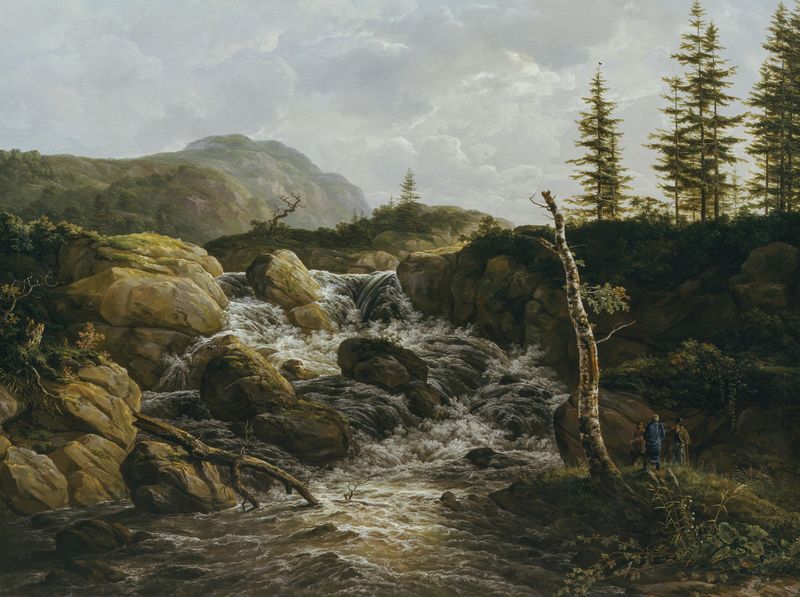
Mountainous Landscape with a Waterfall, Norway
Johan Christian Dahl
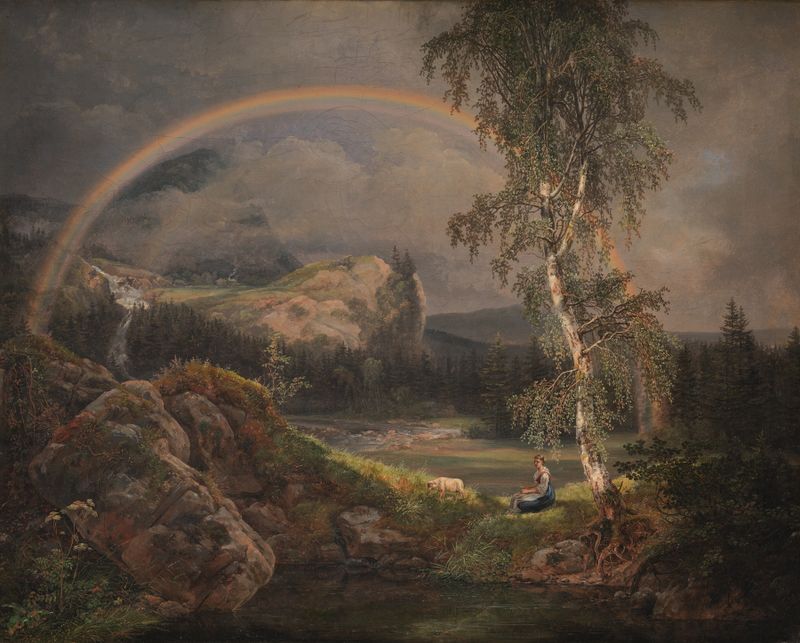
Norwegian Landscape with a Rainbow
Johan Christian Dahl
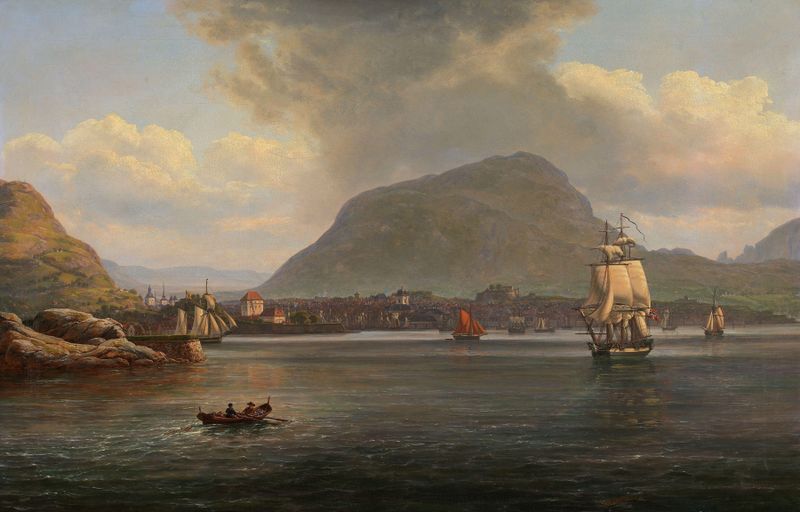
Bergen seen from the northern Inlet
Johan Christian Dahl
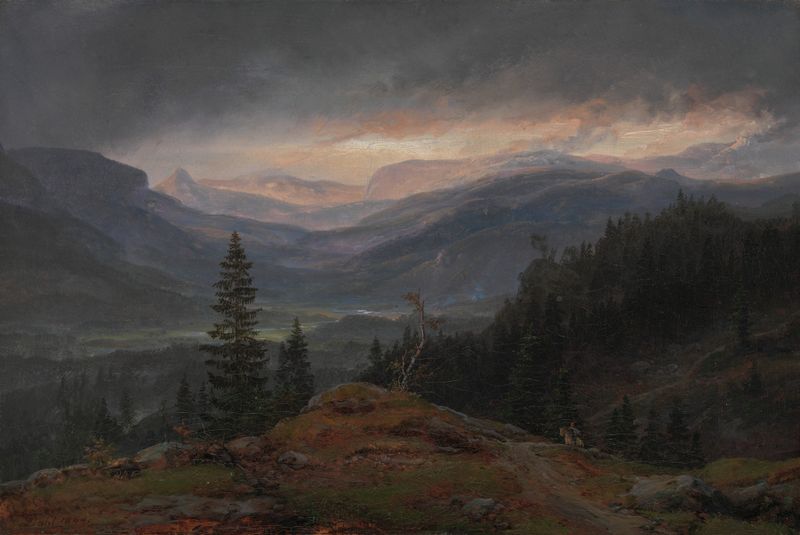
View over Hallingdal
Johan Christian Dahl
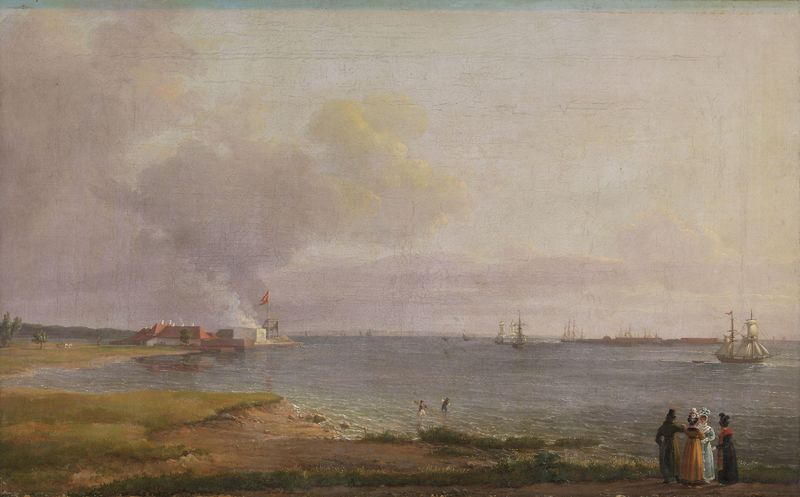
View over Øresund near the Lime Works
Johan Christian Dahl
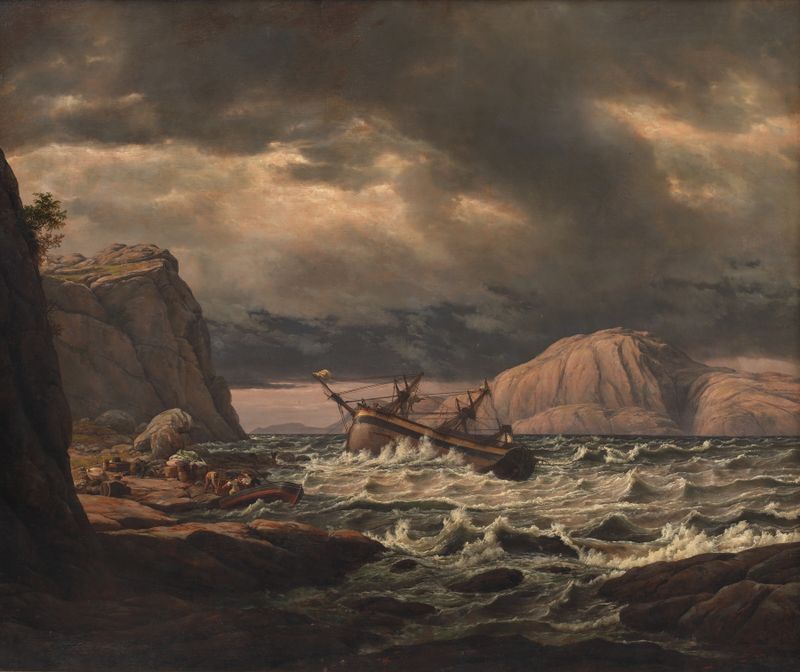
A Shipwreck on the Coast of Norway
Johan Christian Dahl
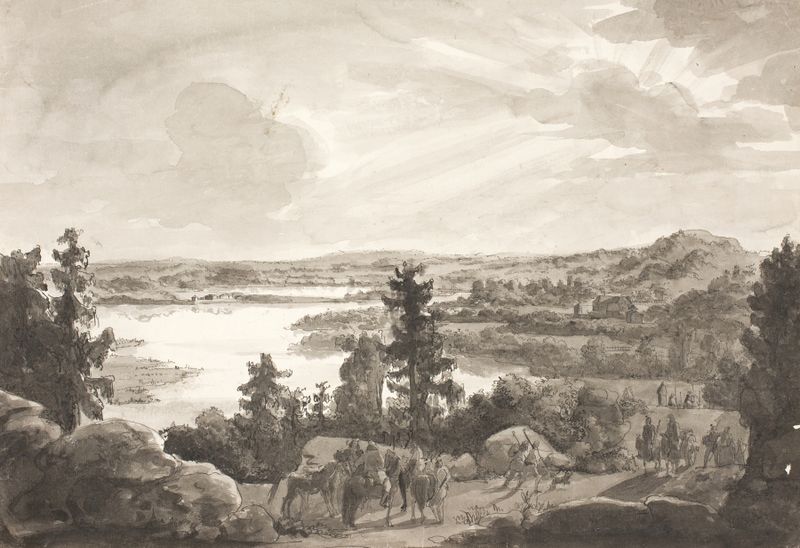
View of a Lake, Norway
Johan Christian Dahl
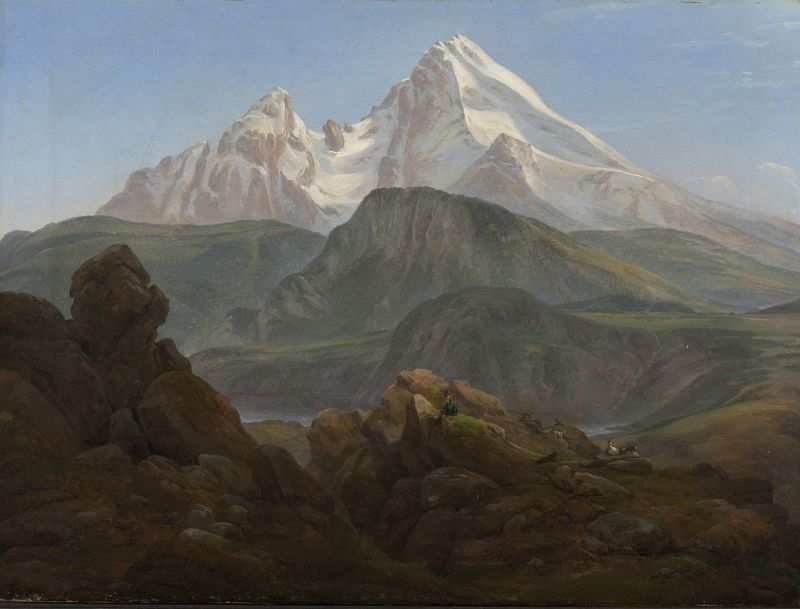
The Watzmann
Johan Christian Dahl
View of Hjelle in Valdres
Johan Christian Dahl

View At Skjolden In Lyster
Johan Christian Dahl





