Oaristys (Gil Blas Illustré) — History & Facts
A man leans over a reclining woman, their faces close, as if caught in the hush before a whispered secret or a first kiss. The scene is intimate but not hurried: her arm curves behind her head, hair spilling over the patterned couch, while his hand gently cradles her neck. The pale sweep of her dress glows against the darker tones, drawing the eye to the couple’s connection.
Behind them, a crescent moon and scattered stars press the night close, making this moment feel both private and infinite. The plants at their backs, rendered in delicate silhouette, add a sense of enclosure, as if the world has narrowed to just the two of them. This illustration, published in Gil Blas Illustré on 22 May 1892, belongs to the world of late nineteenth-century Paris, where artists like Théophile Alexandre Steinlen brought the pulse of modern life to the printed page. Such images, often accompanying poetry or stories—here, Oaristys by Charles Cros—were made for a broad, literate public hungry for both romance and realism.
The soft, grainy textures and subtle colors are hallmarks of the era’s lithographic technique, favored for its ability to capture mood and fleeting expression. Though history has kept few traces of this particular print beyond its catalog entry and date, its quiet drama invites us to imagine the lives and longings of those who first turned its page.
More Artworks by Théophile Alexandre Steinlen

Village et charrette
Théophile Alexandre Steinlen
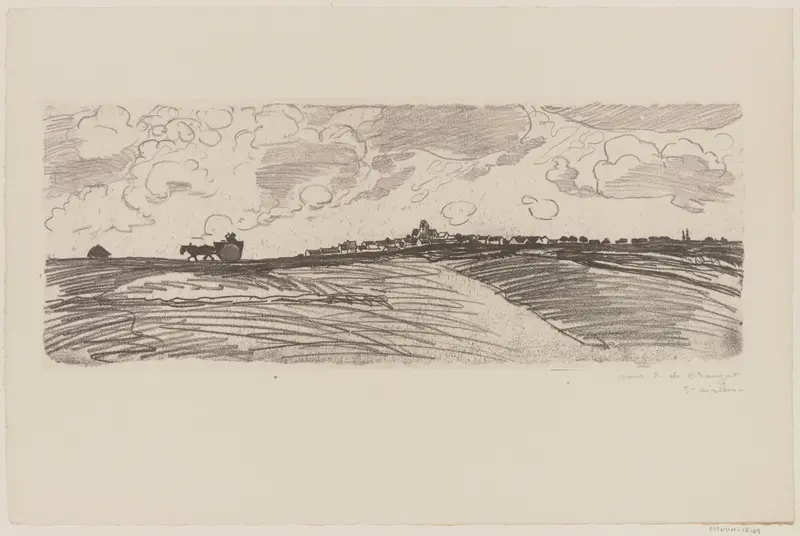
Village et charrette
Théophile Alexandre Steinlen
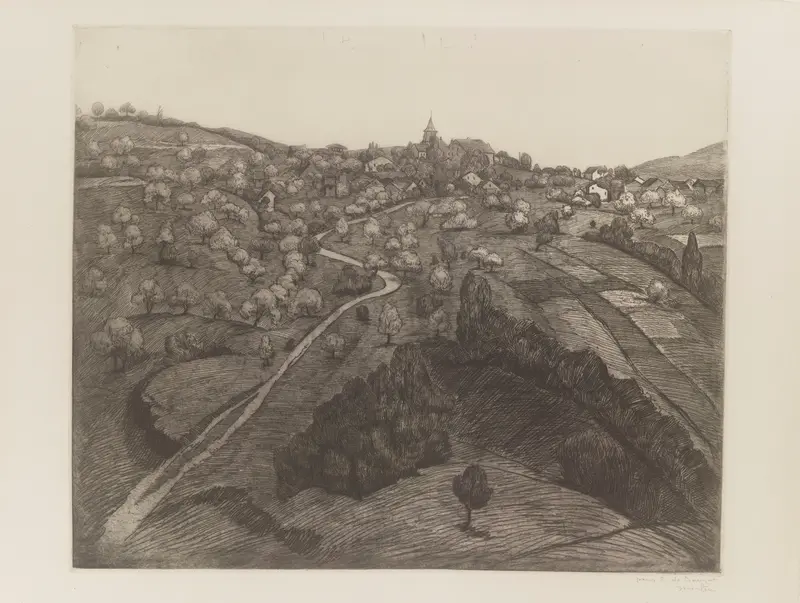
Vue de Belmont, près de Lausanne
Théophile Alexandre Steinlen
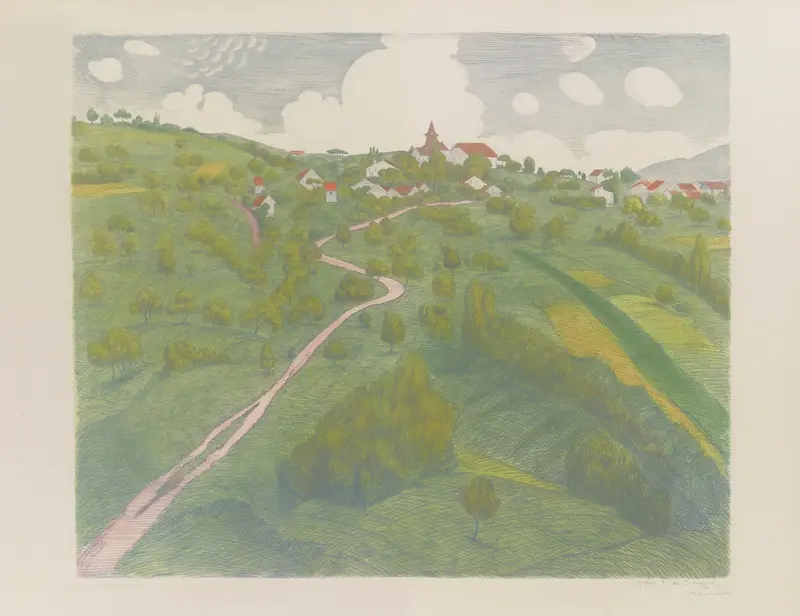
Vue de Belmont, près de Lausanne
Théophile Alexandre Steinlen
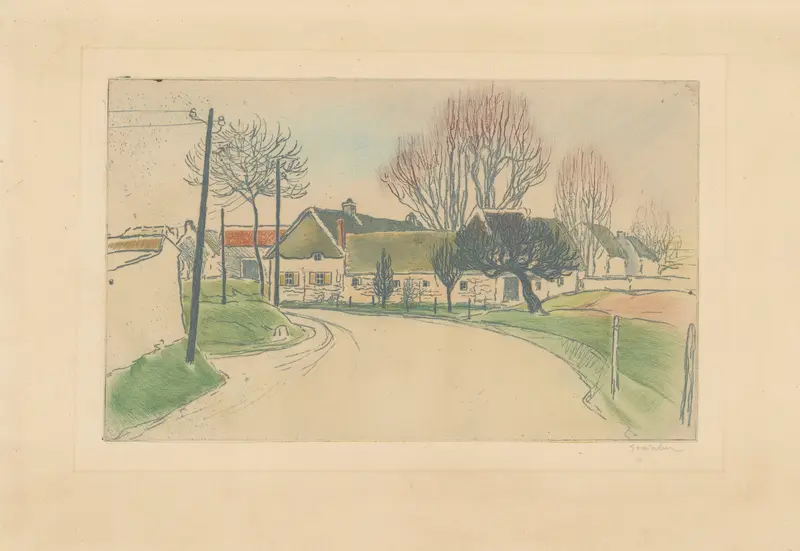
La maison à l’entrée du village
Théophile Alexandre Steinlen
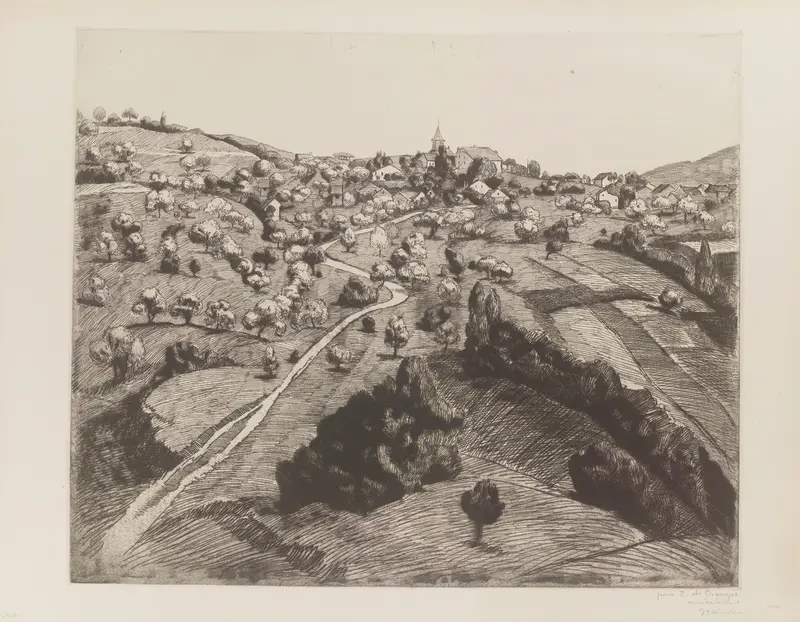
Vue de Belmont, près de Lausanne
Théophile Alexandre Steinlen
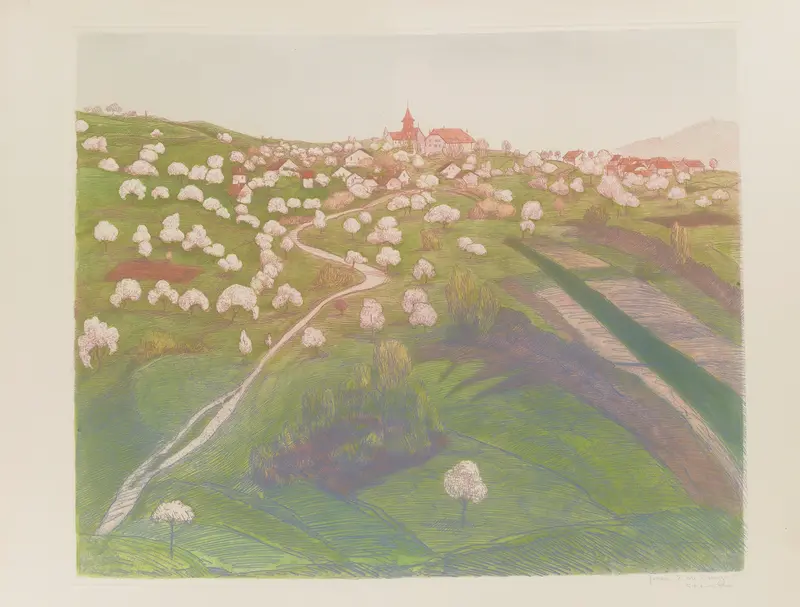
Vue de Belmont, près de Lausanne, n° 2
Théophile Alexandre Steinlen
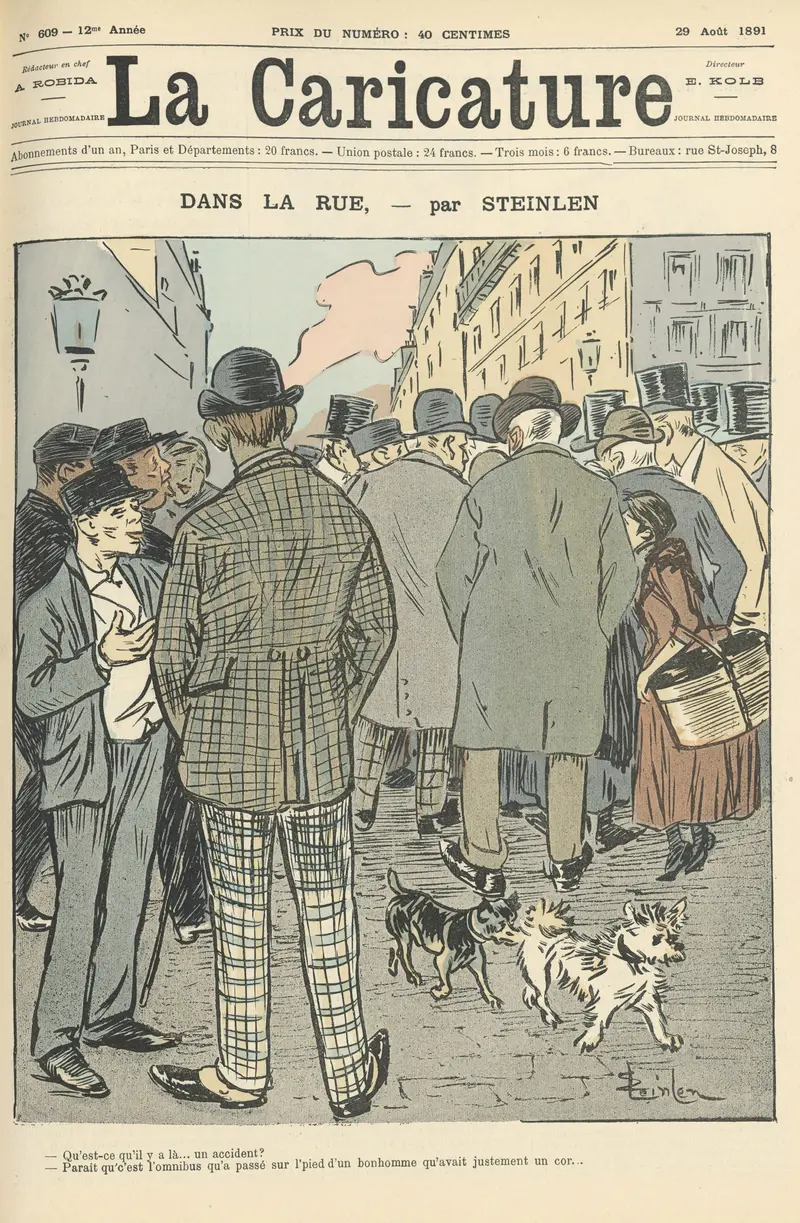
Dans la rue (La Caricature, 29 août 1891)
Théophile Alexandre Steinlen
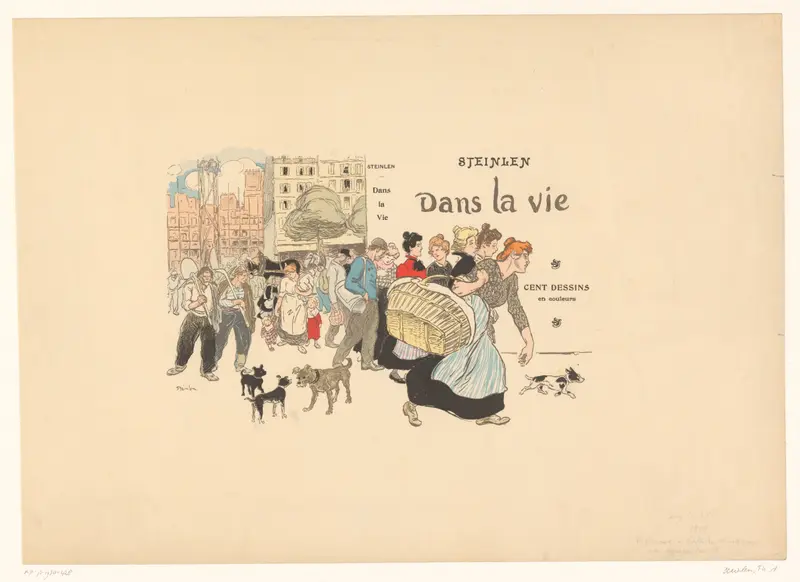
Dans la vie
Théophile Alexandre Steinlen
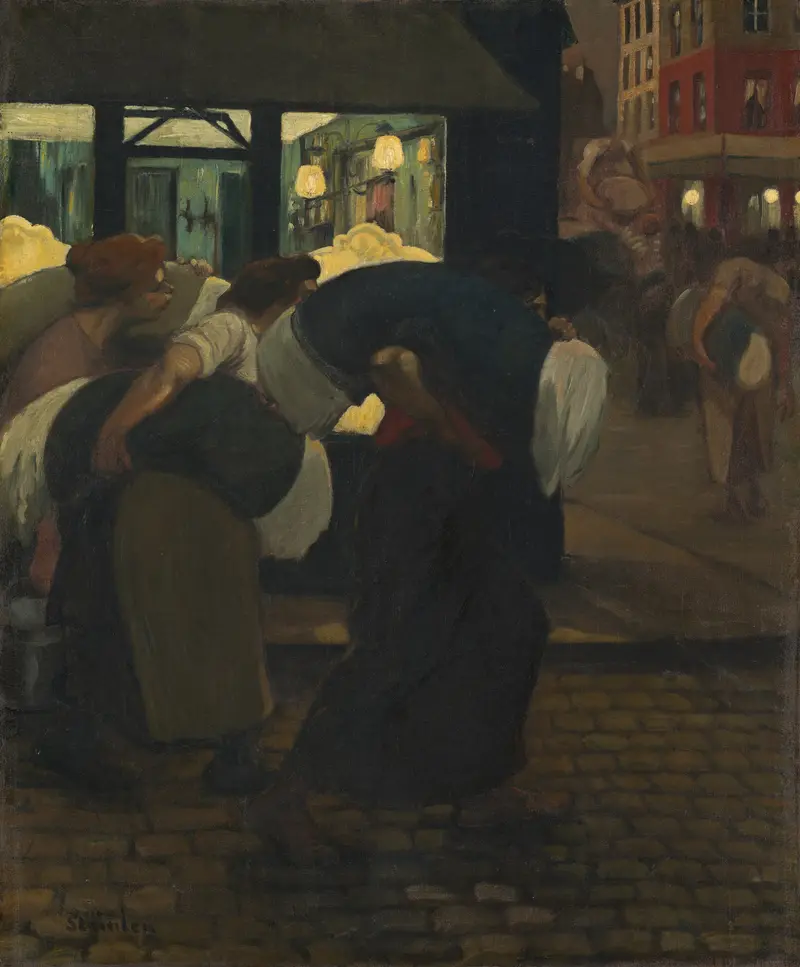
The Laundresses
Théophile Alexandre Steinlen