
Oath of the Seven Chieftains before Thebes — History & Facts
In a world where history often crumbles, art stands resilient, whispering stories of decay and rebirth. First, immerse yourself in the looming figures clustered in solemn camaraderie. Look to the center; the seven chieftains form a powerful circle, their hands raised in an oath, an act frozen in time. Each warrior is adorned with intricately detailed armor that seems to glisten under the soft, muted light.
The earthy tones of their garments contrast dramatically with the stark, crumbling architecture in the background, drawing your eye to the quiet decay that envelops them. It’s a moment suspended between the promise of unity and the inevitability of decline. Now, consider the tension woven into the fabric of the scene. The expressions of the chieftains, half-cast in shadow, reveal a spectrum of resolve and vulnerability.
Notice how the artist captures the fragility of honor amidst the decay of their surroundings. The weathered stone structures not only frame the oath but amplify the urgency of the moment, suggesting that even the most noble pursuits can be overshadowed by the passage of time. Each detail – from the wear on the weapons to the fading light – speaks to the inevitability of change and the ephemeral nature of power. Painted in 1817, this work emerged from a time when Romanticism was rising, infusing art with emotional depth and historic gravitas.
The unidentified artist, navigating the currents of European art, reflected on themes of heroism and memory in a world witnessing both political upheaval and cultural renewal. In this era, the echoes of past glories intertwined with the decay of tradition, creating a poignant dialogue that resonates through the ages.
More Artworks by Unidentified artist
Browse all →
Self-portrait with a Bandaged Ear and Pipe
Unidentified artist

Feast in the House of Levi
Unidentified artist
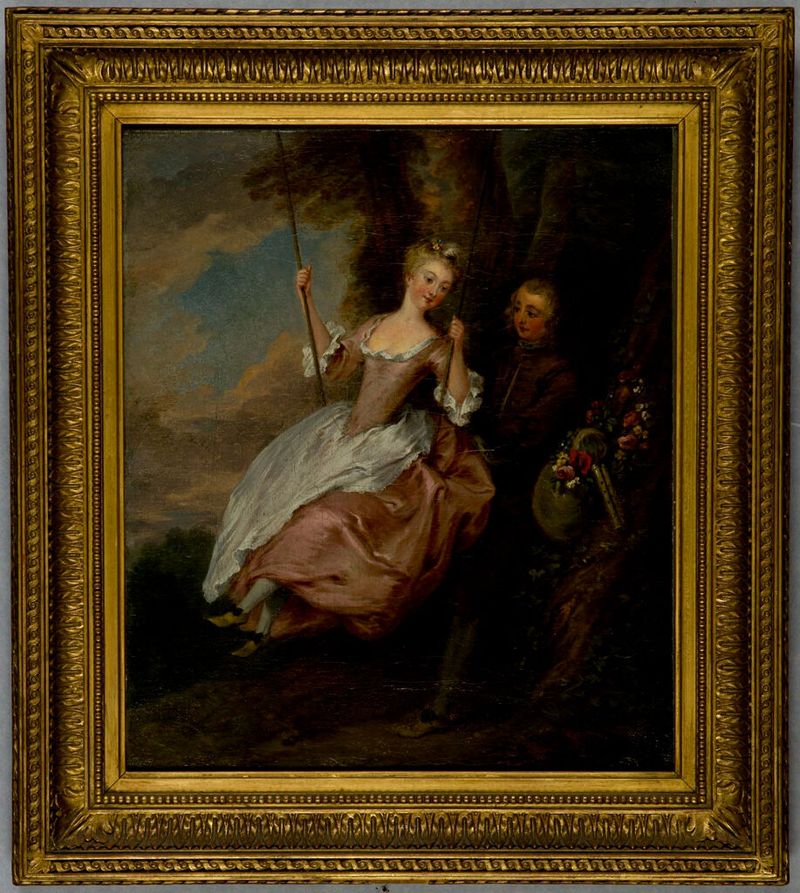
The Swing
Unidentified artist

Geoffrey Chaucer (1340?-1400)
Unidentified artist

Portrait of Michelangelo after the "Strozzi" original in the Uffizi Gallery
Unidentified artist
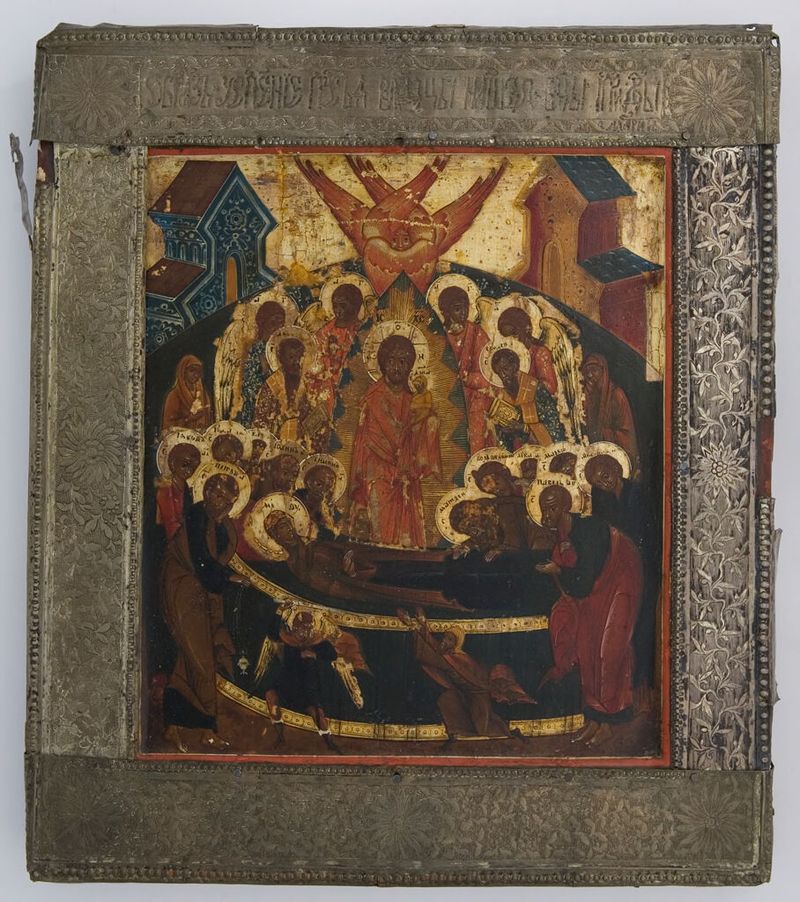
Dormition of the Virgin
Unidentified artist

Charles I (after a van Dyck painting in the Staatliche Museen, Gemaldegalerie, Dresden)
Unidentified artist

Madonna and Child
Unidentified artist

John Winthrop, the Younger (1606-1676)
Unidentified artist

Crucifix with the Virgin and Saint John the Evangelist, Christ the Redeemer, and a Praying Woman
Unidentified artist
More Historical Art
Browse all →
The Night Watch Militia Company of District II under the Command of Captain Frans Banninck Cocq
Rembrandt van Rijn

Lincoln Memorial
Henry Bacon

The Third of May 1808
Francisco de Goya

Isaac and Rebecca, Known as ‘The Jewish Bride’
Rembrandt van Rijn

The Charge of the Mamelukes (1814)
Francisco de Goya

De vier ruiters van de apocalyps
Albrecht Dürer