
Oberbalm — History & Facts
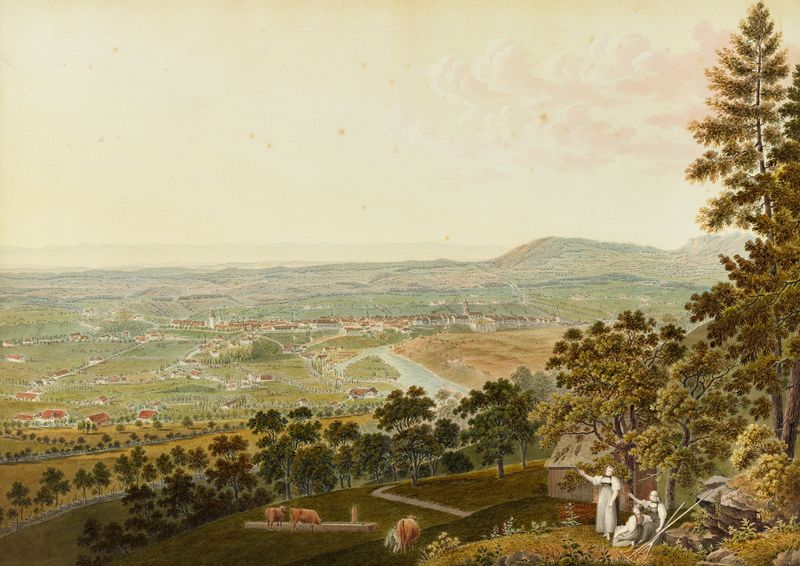
When did color learn to lie? In the quiet depths of Oberbalm, vibrant hues pulsate with unspoken longing, evoking a fierce desire that beckons beyond the canvas. Focus on the sweeping strokes that define the landscape; the lush greens and bold blues meld together, inviting your gaze to traverse the undulating hills and tranquil waters. Notice how the painter wields light, using it to create shimmering effects that dance across the surface, suggesting movement despite the stillness. The composition draws you in, the rhythmic flow leading your eyes from the foreground to the horizon, where a haze of color hints at untold stories. Yet, within this serene scene, tension simmers beneath the surface.
The juxtaposition of calm waters against the bold brushwork hints at an underlying restlessness, a desire for something just out of reach. Subtle variations in color intensity reveal emotional layers, suggesting the artist's struggle between representation and abstraction, reality and aspiration. Each stroke seems to whisper secrets of an inner turmoil, leaving viewers to ponder the deeper meanings of longing intertwined with beauty. Jakob Samuel Weibel created Oberbalm during a period marked by significant innovation in the art world, where artists were exploring the boundaries of color and form.
While the specific date of this work remains unknown, Weibel's approach reflects the evolving nature of expressionism in the early 20th century, capturing a moment of personal exploration amidst broader artistic experimentation. His works reveal a fascination with color that transcends mere representation, delving into the emotional landscapes that color can evoke.
More Artworks by Jakob Samuel Weibel
Browse all →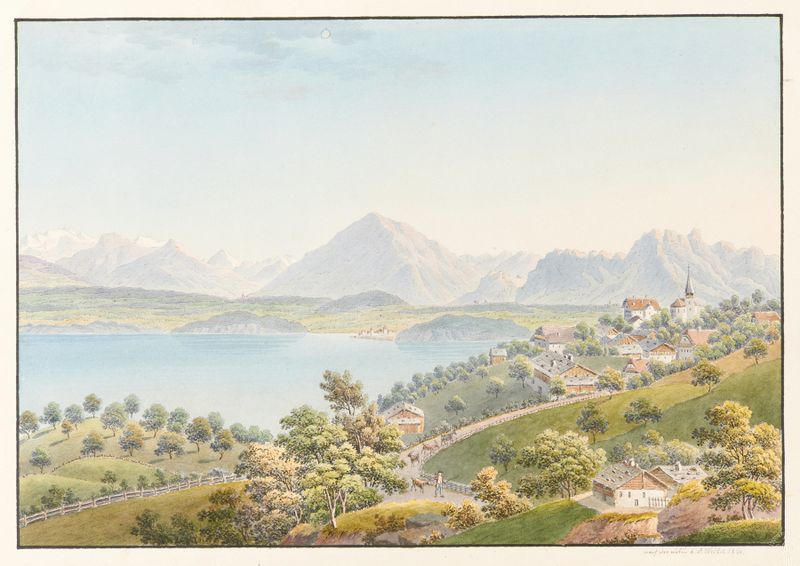
Vue dessiné depuis le Village de Sigriswil, audessus du Lac de Thoune
Jakob Samuel Weibel
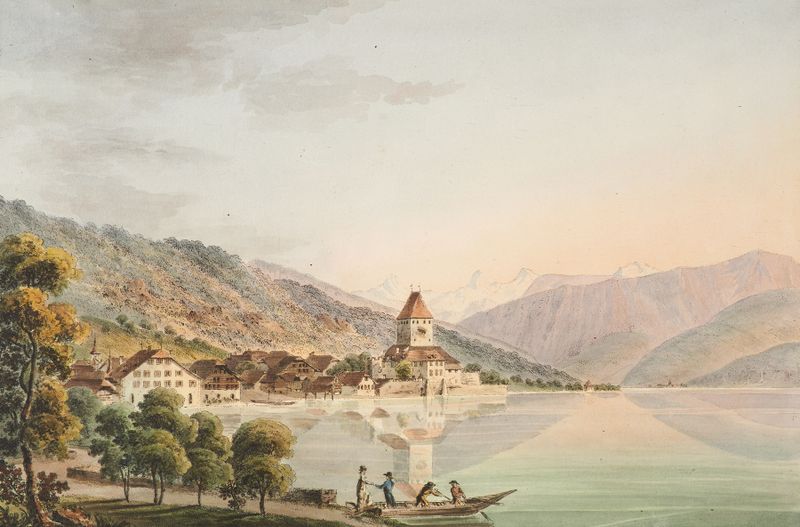
Vûe du Chateau d’Oberhofen au Lac de Thoune
Jakob Samuel Weibel
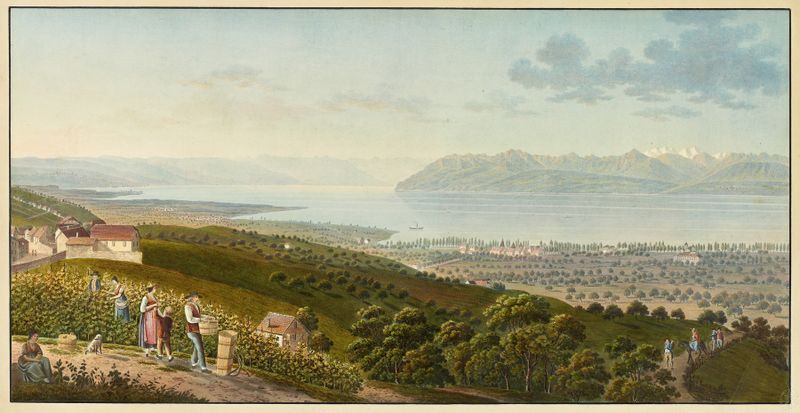
Vue genérale du Lac de Geneve
Jakob Samuel Weibel
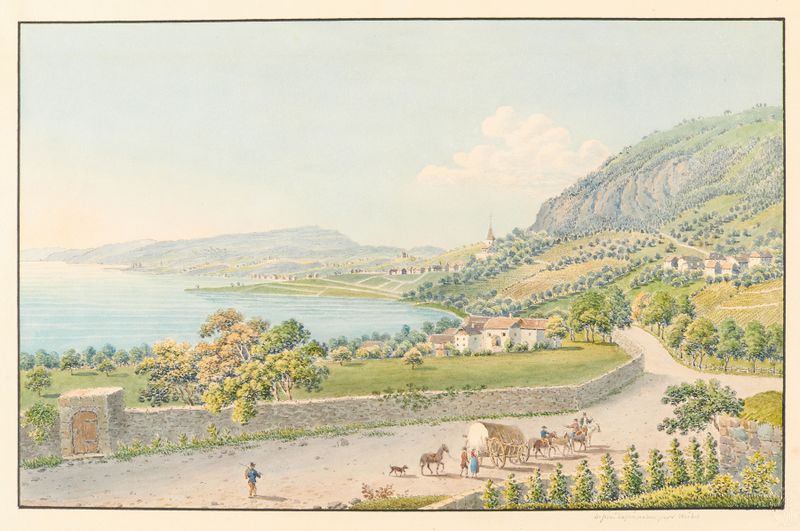
Vue des environs de Montreux et de Clarens
Jakob Samuel Weibel
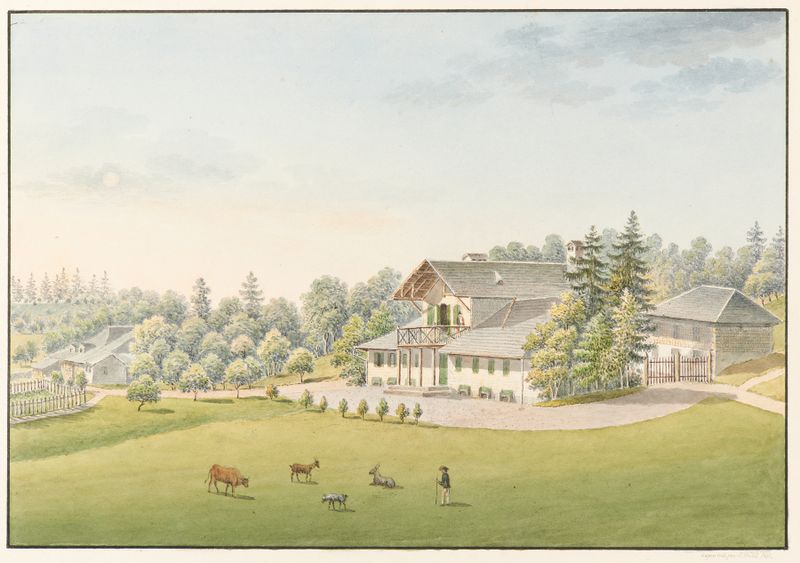
Vue du nouveau Châlet de Vernand
Jakob Samuel Weibel
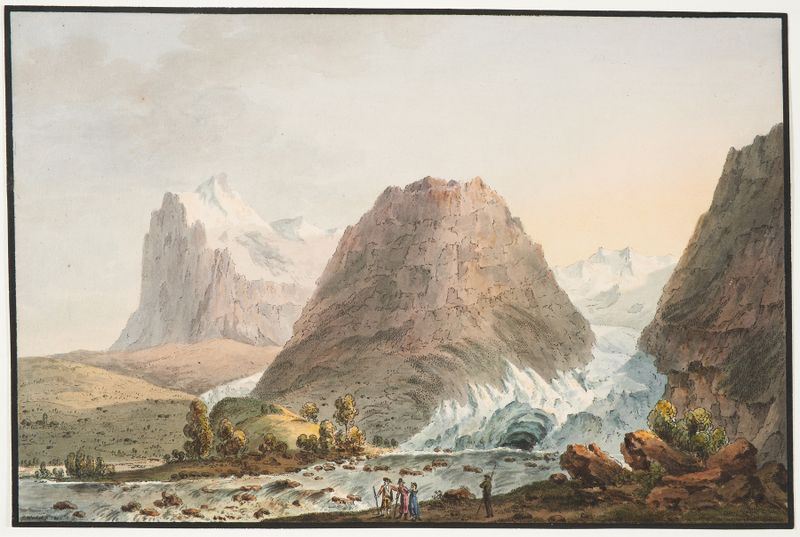
Vûe des Glacieres de Grindelwald
Jakob Samuel Weibel
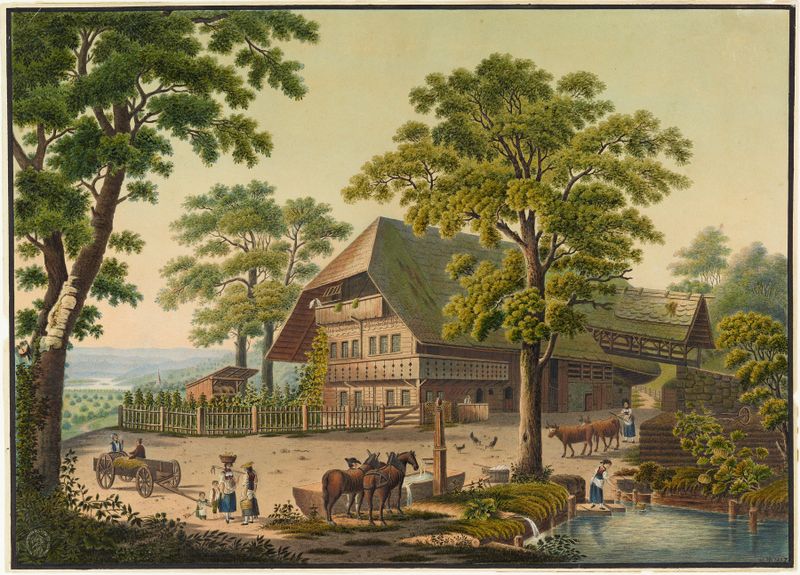
Maison de paysan près Wichtrach
Jakob Samuel Weibel
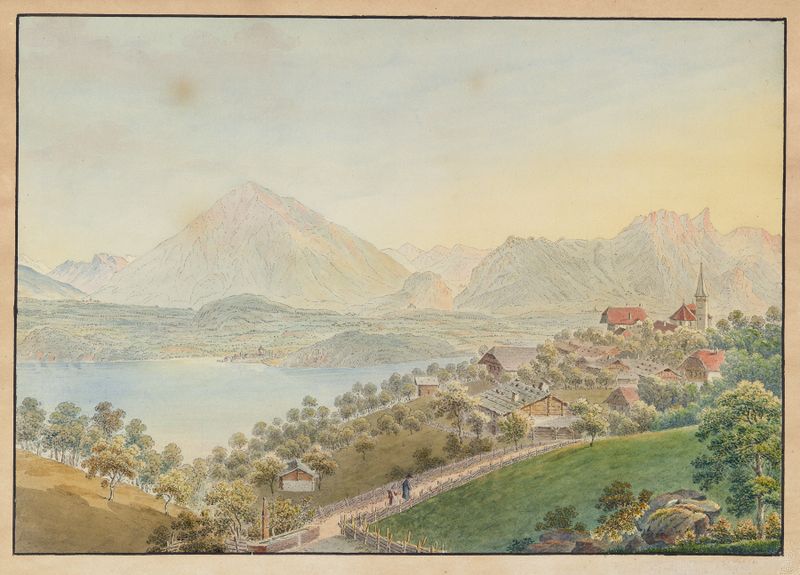
Ansicht von Sigriswil mit Niesen und Thunersee
Jakob Samuel Weibel
Ansicht Berns und der Aare vom Gurten aus
Jakob Samuel Weibel

Lausanne Ville capitale du Canton de Vaud
Jakob Samuel Weibel





