Oblężenie — History & Facts
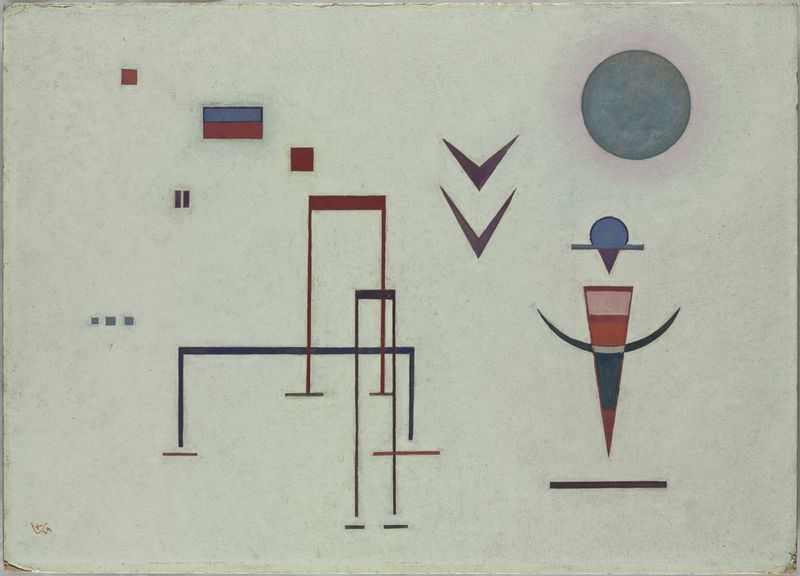
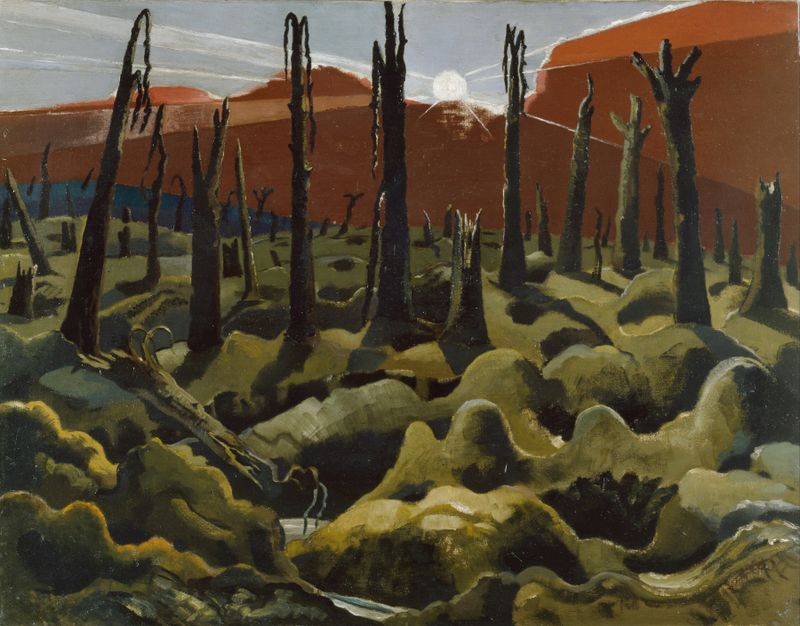
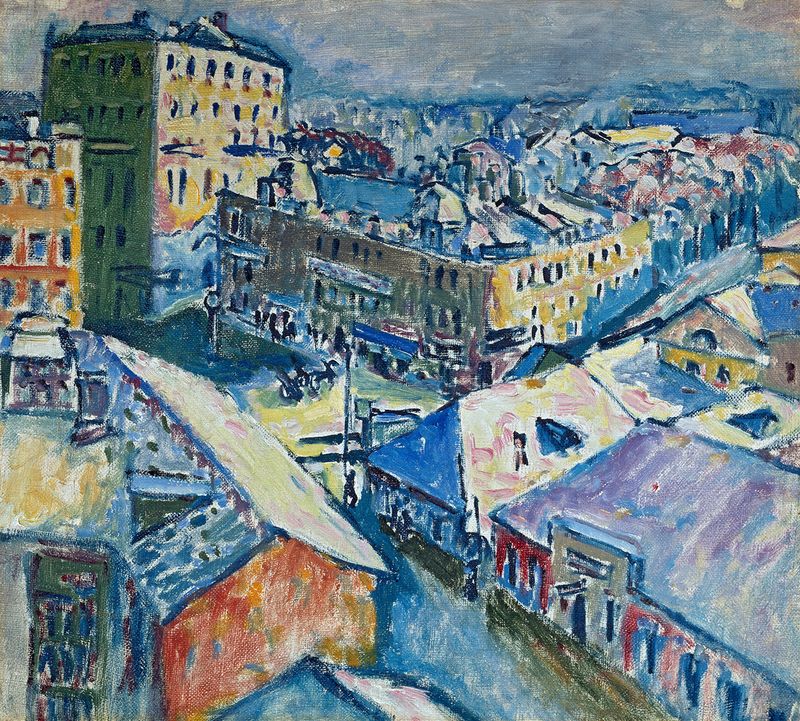
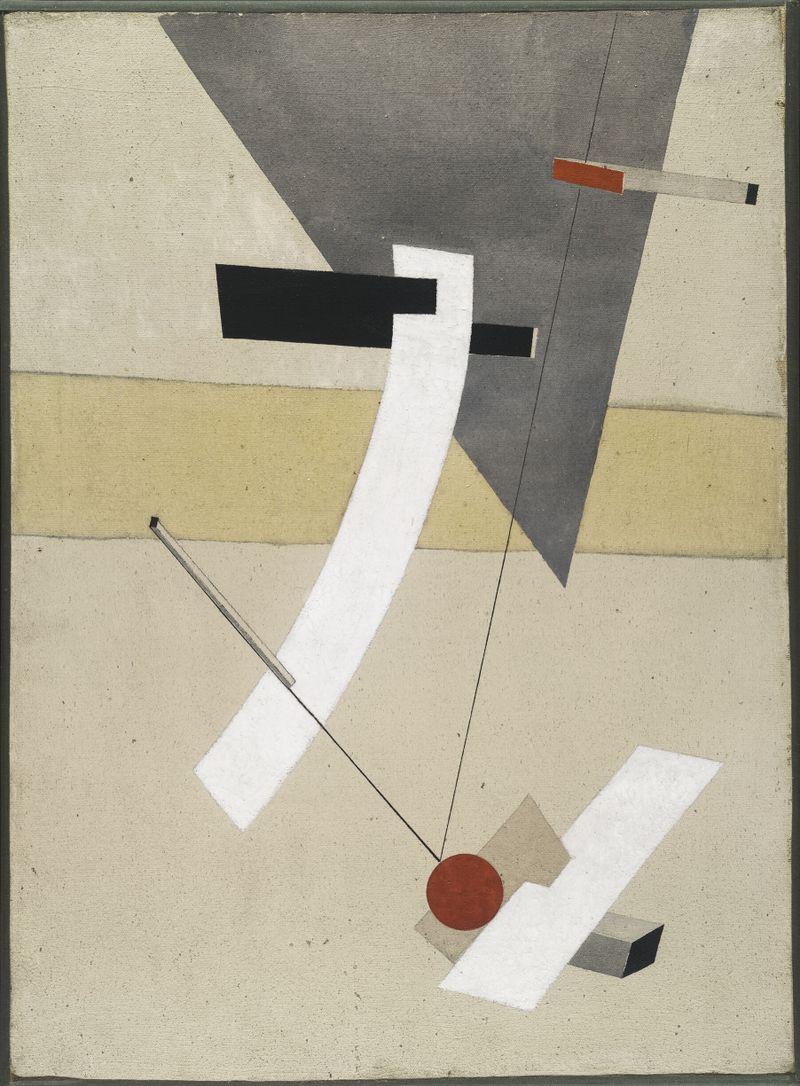
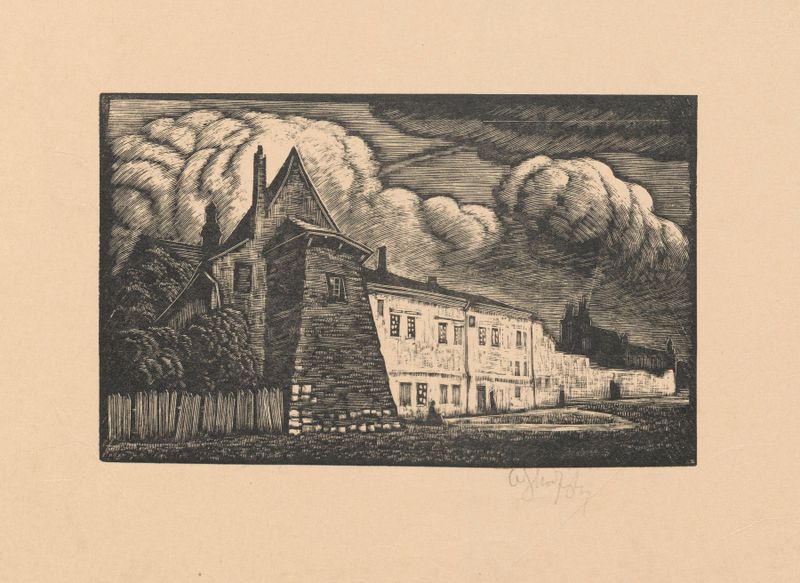
This statement echoes through the layers of emotion painted on canvas, a reminder that beneath the chaos of life lies an unfiltered reality waiting to be discovered. Look closely at the interplay of shapes and hues that dominate the scene. The bold strokes of red and brown draw your attention immediately, swirling together to create a sense of urgency and turmoil. Pay particular attention to the stark contrast of shadowy figures in the foreground, their forms almost ghostly against the vibrant backdrop.
Each brushstroke pulsates with energy, hinting at a struggle, a conflict that ripples through the very fabric of the composition. Beneath the surface, the artwork speaks of resilience amidst adversity. The use of jagged lines suggests tension and discord, while the muted tones remind us of the weight of history. There is a delicate balance between despair and hope; even within the chaos, the figures seem to reach for something beyond themselves.
This duality invites viewers to contemplate their own relationship with truth, reflecting the often-hidden narratives of endurance found in tumultuous times. In 1913, Władysław Skoczylas was immersed in a vibrant artistic community in Poland, exploring themes of national identity and human emotion. This period marked a significant time of political unrest and cultural revival, and the artist sought to encapsulate the spirit of struggle in his work. Embracing the Expressionist movement, Skoczylas created Oblężenie as a response to the tumult of his surroundings, capturing a feeling that resonates far beyond its time and place.
More Artworks by Władysław Skoczylas
Browse all →
Motyw ze Starego Miasta
Władysław Skoczylas
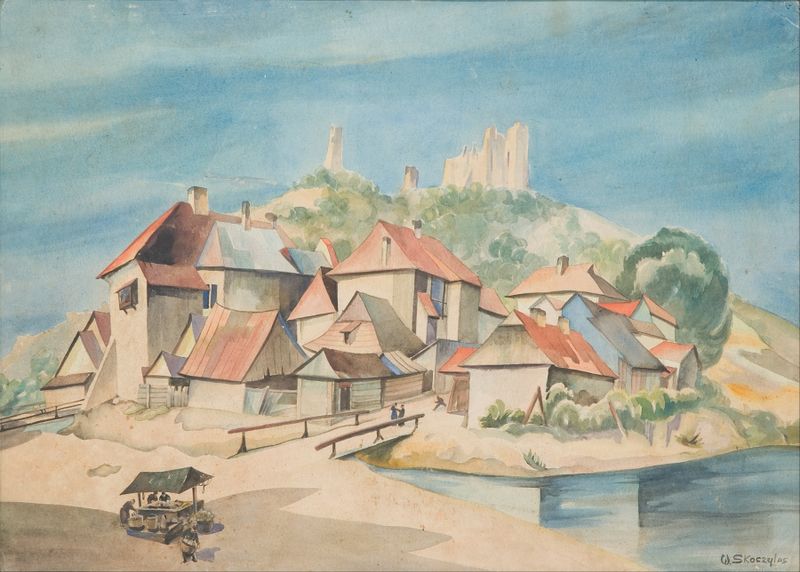
Widok Kazimierza nad Wisłą
Władysław Skoczylas
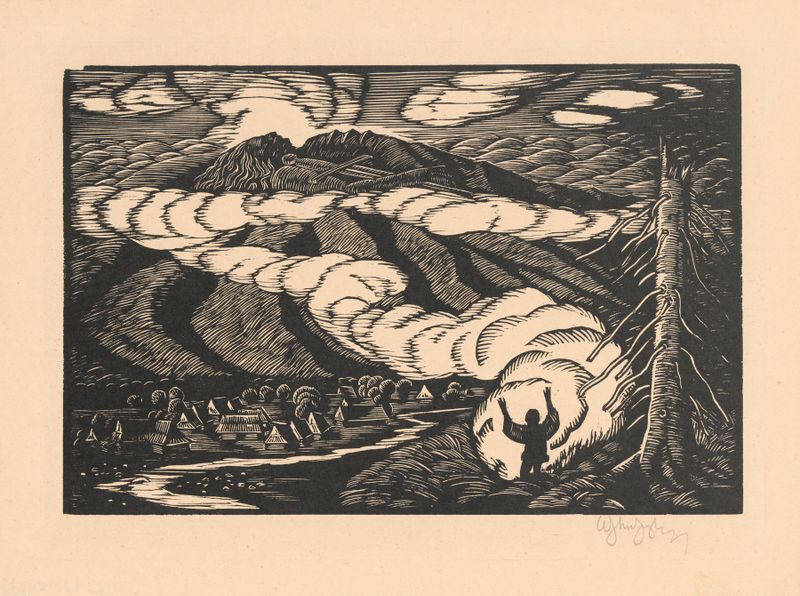
Giewont
Władysław Skoczylas
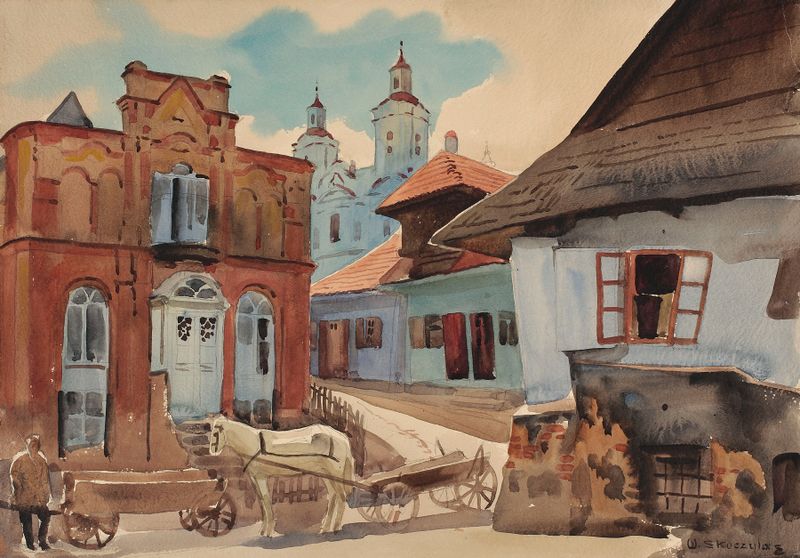
Fragment miasteczka
Władysław Skoczylas

Kościół w Dębnie
Władysław Skoczylas

Ulica w Kazimierzu
Władysław Skoczylas

Rynek w Kazimierzu nad Wisłą
Władysław Skoczylas
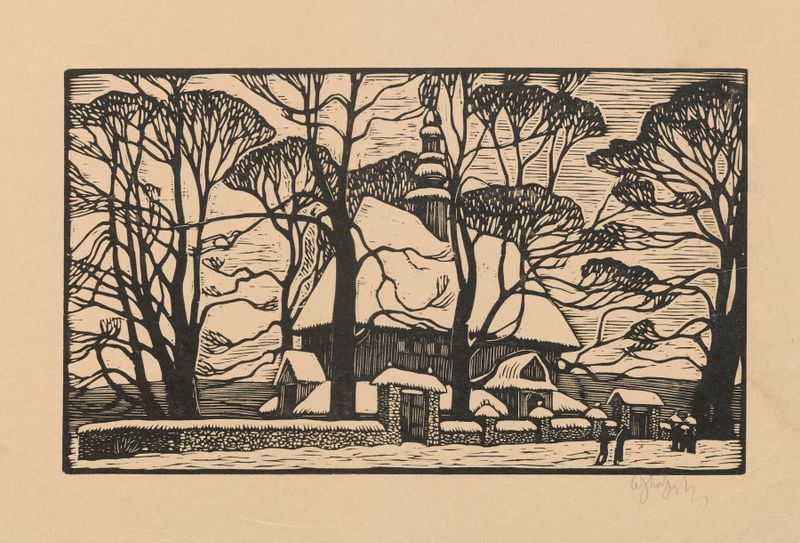
Kościółek w zimie
Władysław Skoczylas

Kolumna Zygmunta
Władysław Skoczylas
Motyw z Krakowa; Baszta Augustianów
Władysław Skoczylas