
October — History & Facts
In the stillness of autumn, nature's palette transforms, reflecting the passage of time with a bittersweet beauty that lingers long after the leaves have fallen. Focus on the left side of the canvas, where a vibrant canopy unfurls in hues of crimson and gold—a stunning testament to the season's glory. Notice how the sunlight bathes the landscape, illuminating the delicate interplay between shadow and light. The horizon, kissed by the subtle touch of twilight, draws the eye into an expansive serenity.
Each stroke is deliberate, creating texture that seems to rustle with the whisper of the wind, inviting the viewer to breathe in the crispness of the air. The painting captures a poignant contrast: the fleeting vibrancy of life against the inevitability of decay. The lush foliage hints at both abundance and the impending barrenness of winter, evoking a tender nostalgia. Look closely at the reflective surface of the water in the foreground, which mirrors the trees—an echo of fleeting moments that exist in shared silence, suggesting that beauty often resides in the ephemeral. In 1887, when this work was created, Cropsey was deeply entrenched in the American Romantic movement, focusing on landscapes that celebrated nature’s grandeur.
During this period, the artist was grappling with personal loss while navigating the evolving art scene, where impressionism was beginning to influence public tastes. His dedication to capturing the essence of American wilderness at such a pivotal moment reveals his longing for connection and continuity in a changing world.
More Artworks by Jasper Francis Cropsey
Browse all →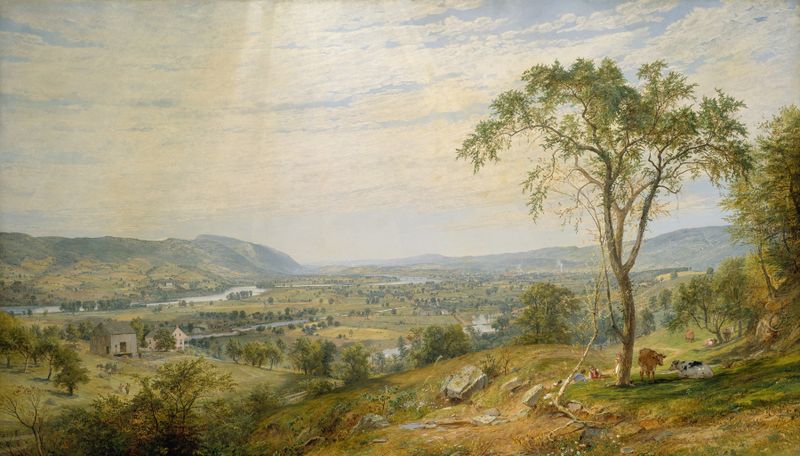
The Valley of Wyoming
Jasper Francis Cropsey
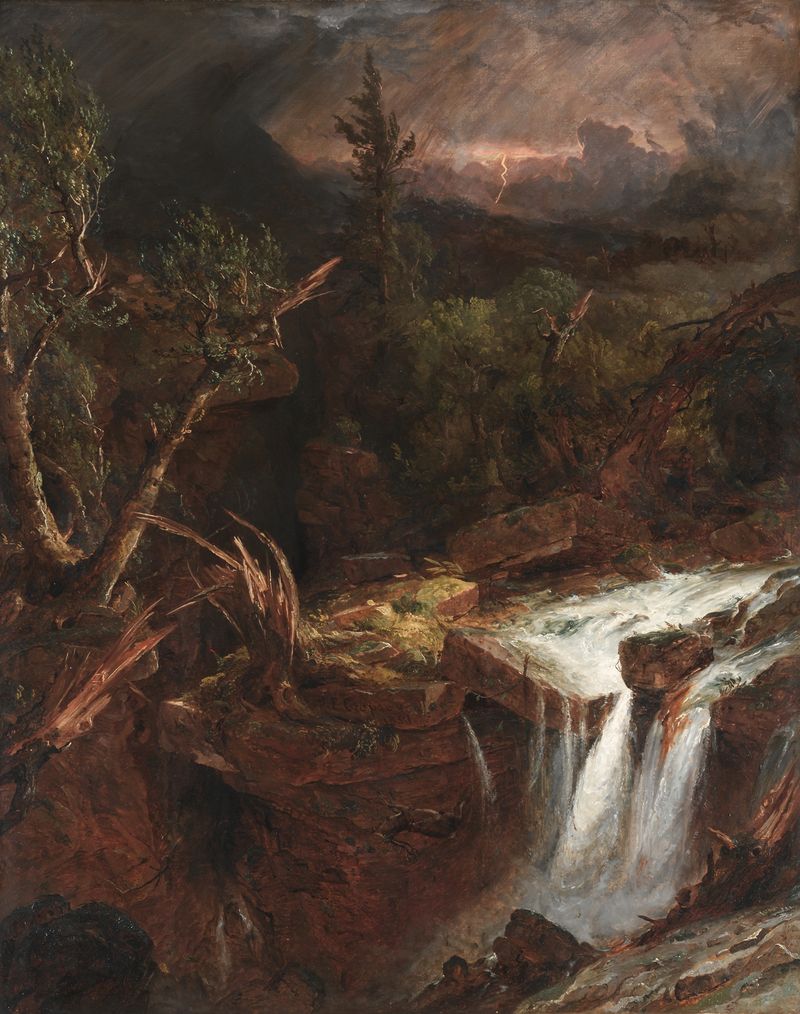
The Clove – A Storm Scene in the Catskill Mountains
Jasper Francis Cropsey
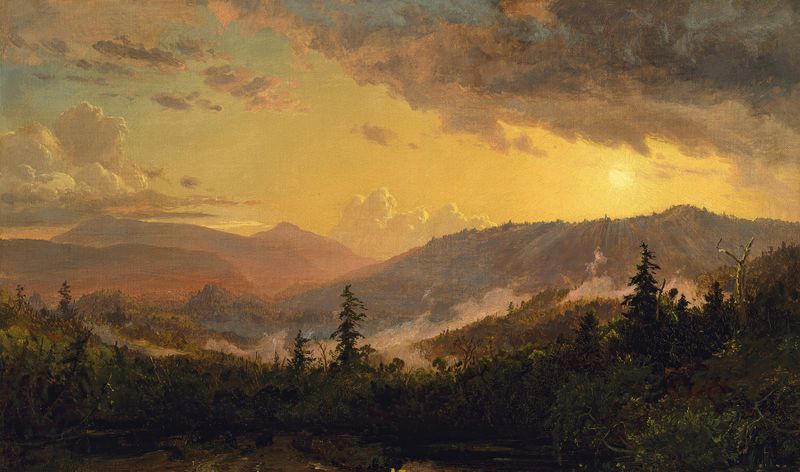
Sunset after a Storm in the Catskill Mountains
Jasper Francis Cropsey
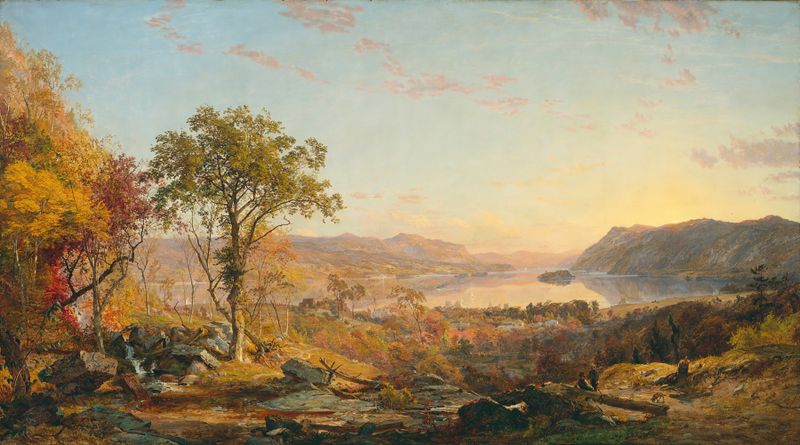
Indian Summer
Jasper Francis Cropsey

Autumn On The River
Jasper Francis Cropsey
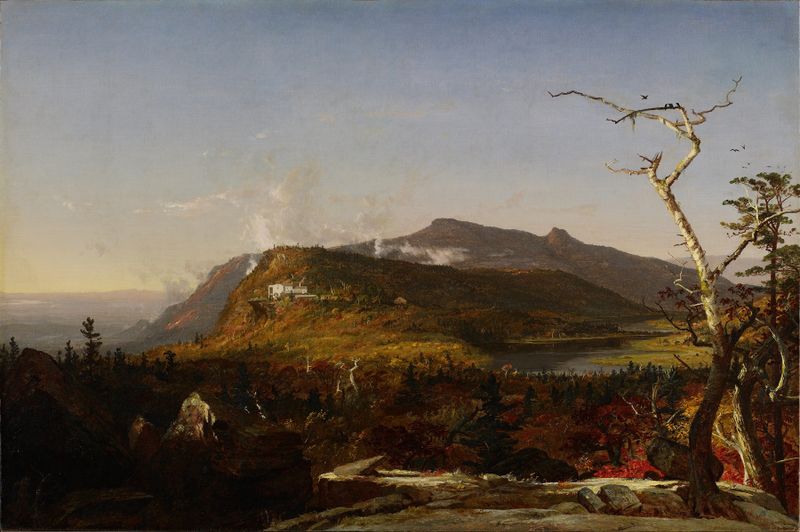
Catskill Mountain House
Jasper Francis Cropsey
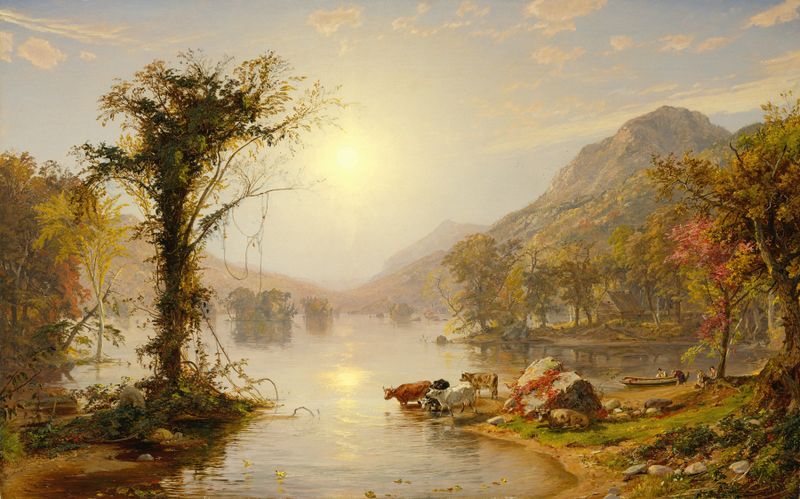
Autumn on Greenwood Lake
Jasper Francis Cropsey
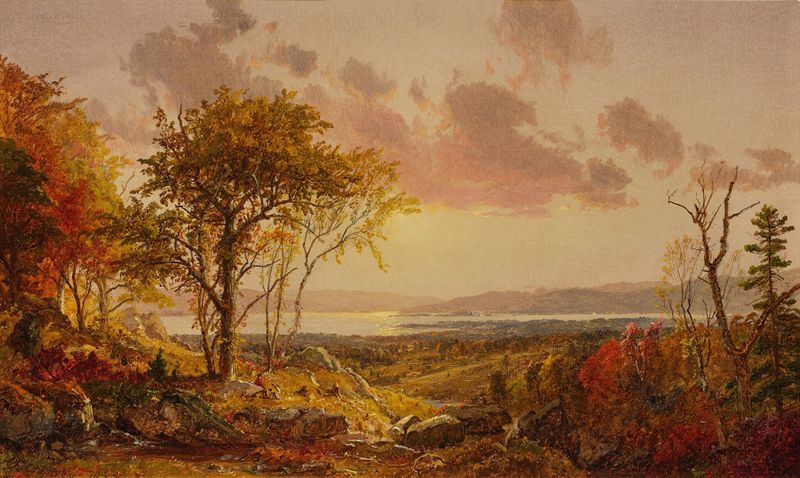
A Distant View of the Hudson River in the Fall
Jasper Francis Cropsey
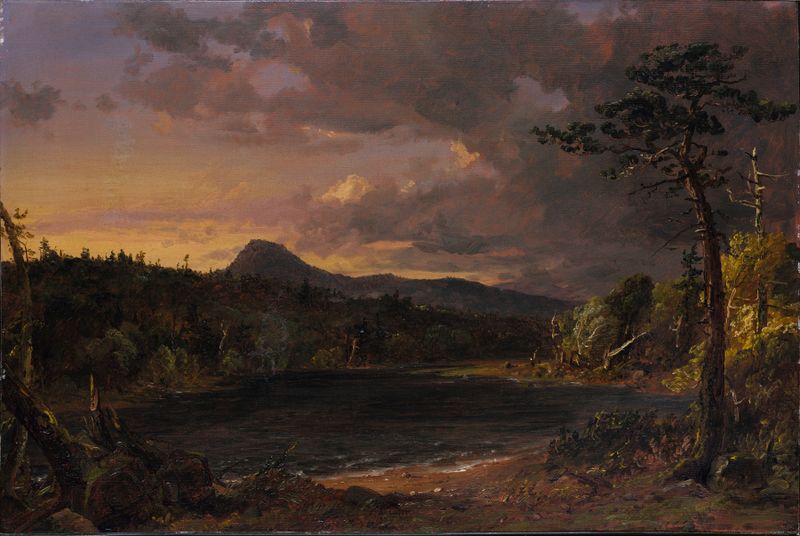
Catskill Creek
Jasper Francis Cropsey

Autumn on the Lake
Jasper Francis Cropsey





