
Offer van Elia door vuur verteerd — History & Facts
Can paint confess what words never could? In Offer van Elia door vuur verteerd, Hans Holbein (II) captures a moment where the interplay of light and shadow unveils the depths of human emotion and divine struggle. Look closely at the luminous glow that envelops the central figure, illuminating their face with a warm, almost ethereal light. Notice how this radiance contrasts sharply with the surrounding darkness, creating a palpable tension that draws your gaze inward. The delicate brushwork reveals intricate details, particularly in the folds of garments and the flicker of flames, each stroke meticulously crafted to evoke a sense of urgency and reverence. Within the heart of the piece lies a rich tapestry of meaning.
The juxtaposition of light and shadow suggests a spiritual conflict, one where faith grapples with adversity. The fire, both a symbol of divine trial and purification, seems to flicker with the desperation of the scene. Small details, like the expressions of the onlookers and the subtle forms of the background, enhance this narrative, suggesting a broader commentary on sacrifice and redemption. Holbein painted this work in 1538 during a period marked by significant political and religious upheaval in Europe, particularly with the rise of the Reformation.
Living and working in Basel at the time, he was deeply influenced by the evolving dialogue around faith and the complexities of human experience. This masterpiece reflects not only his artistic prowess but also the tumultuous world that surrounded him as he grappled with themes of mortality and spirituality in his art.
More Artworks by Hans Holbein (II)
Browse all →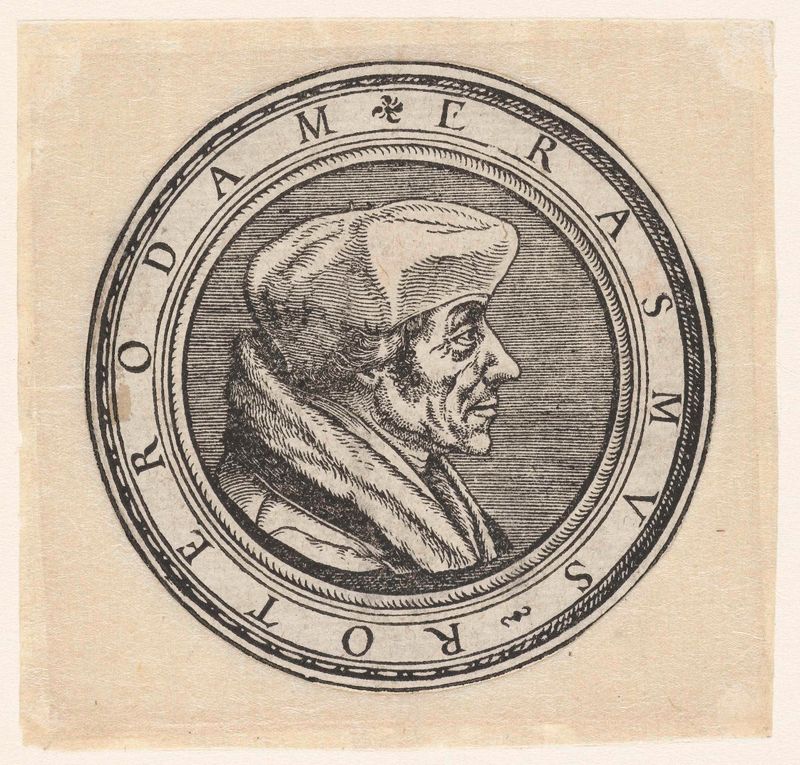
Portret van Erasmus
Hans Holbein (II)
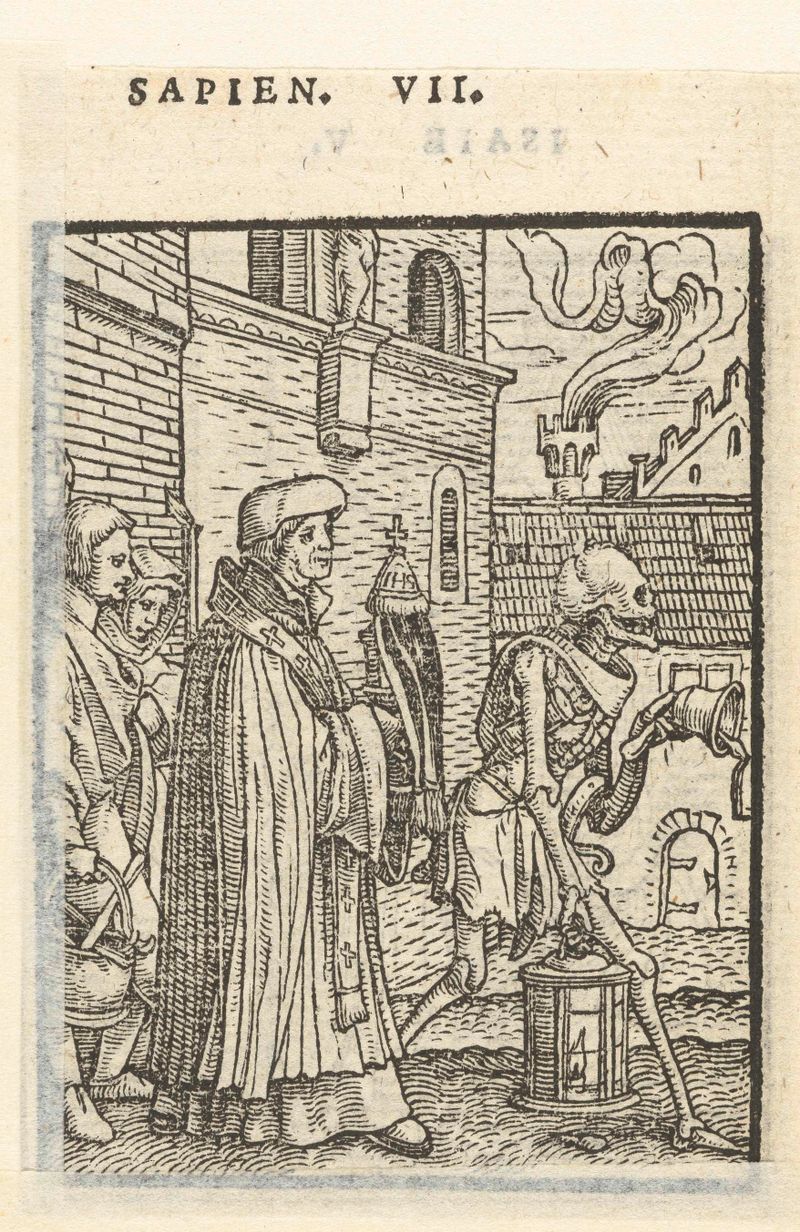
Priester en de Dood
Hans Holbein (II)
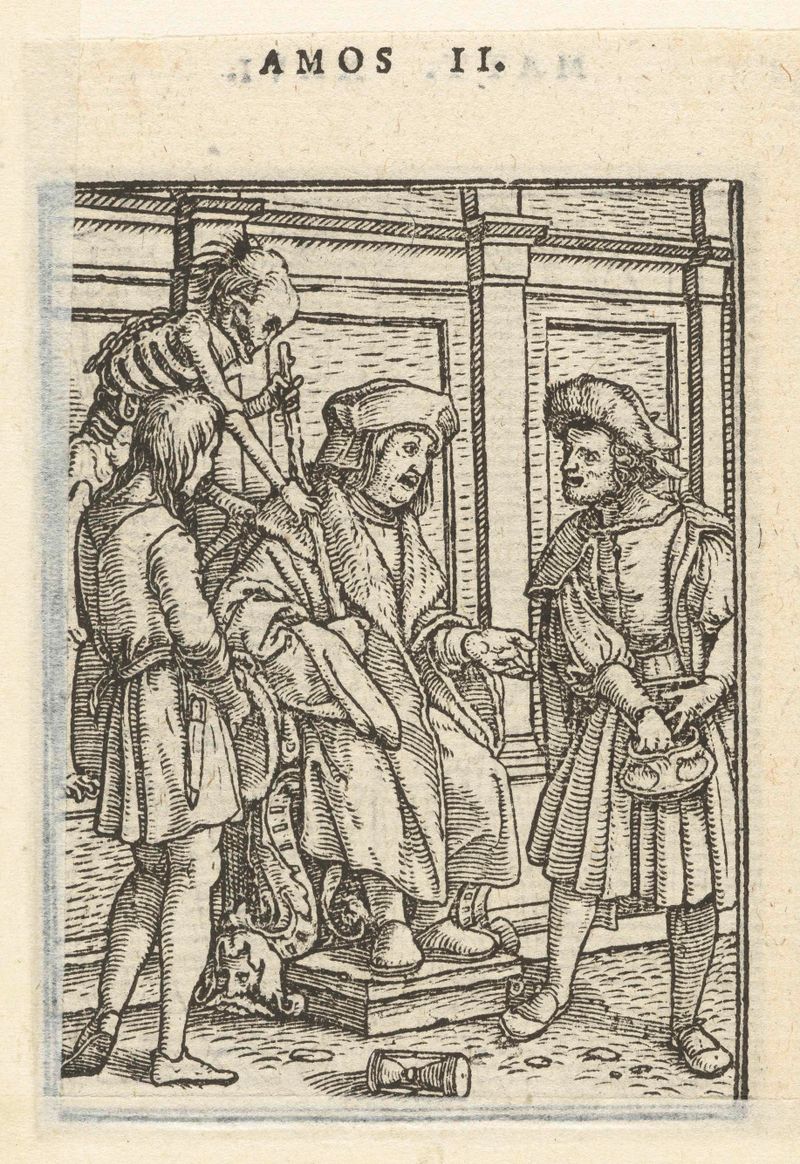
Rechter en de Dood
Hans Holbein (II)
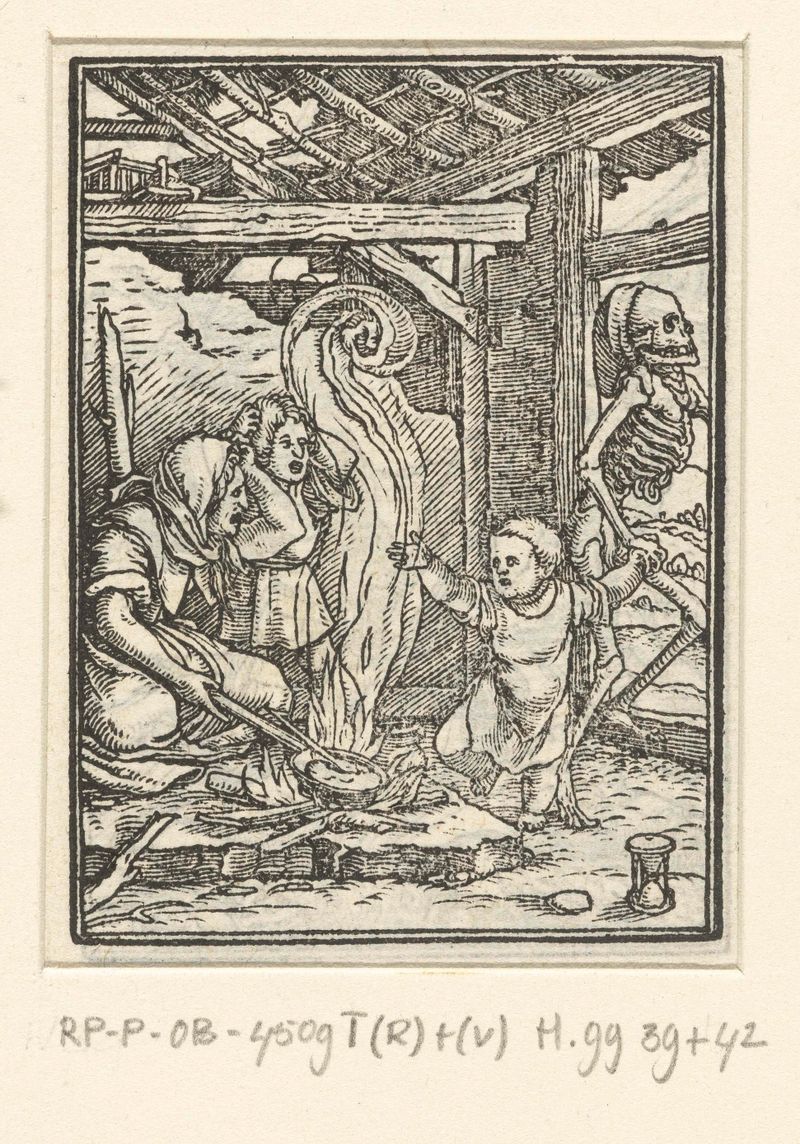
Kind en de Dood
Hans Holbein (II)
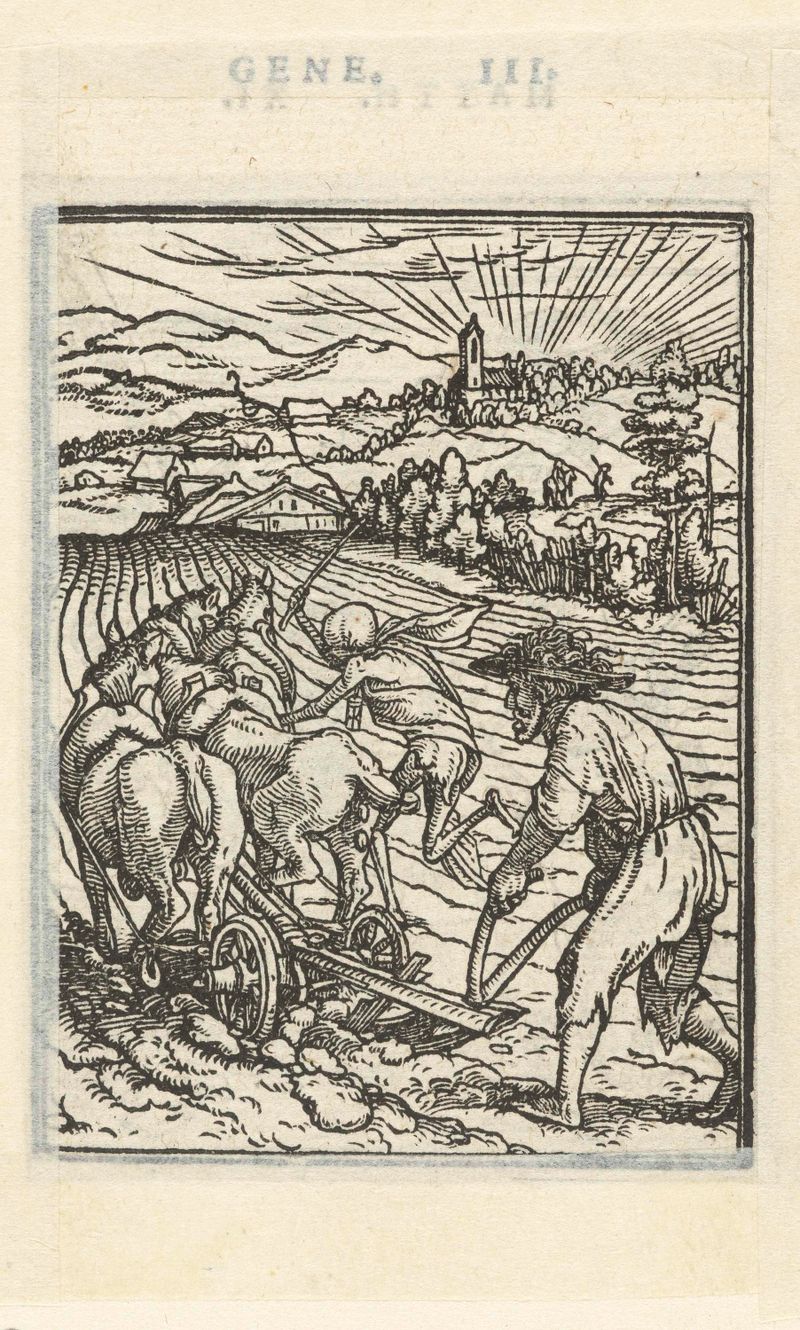
Boer en de Dood
Hans Holbein (II)
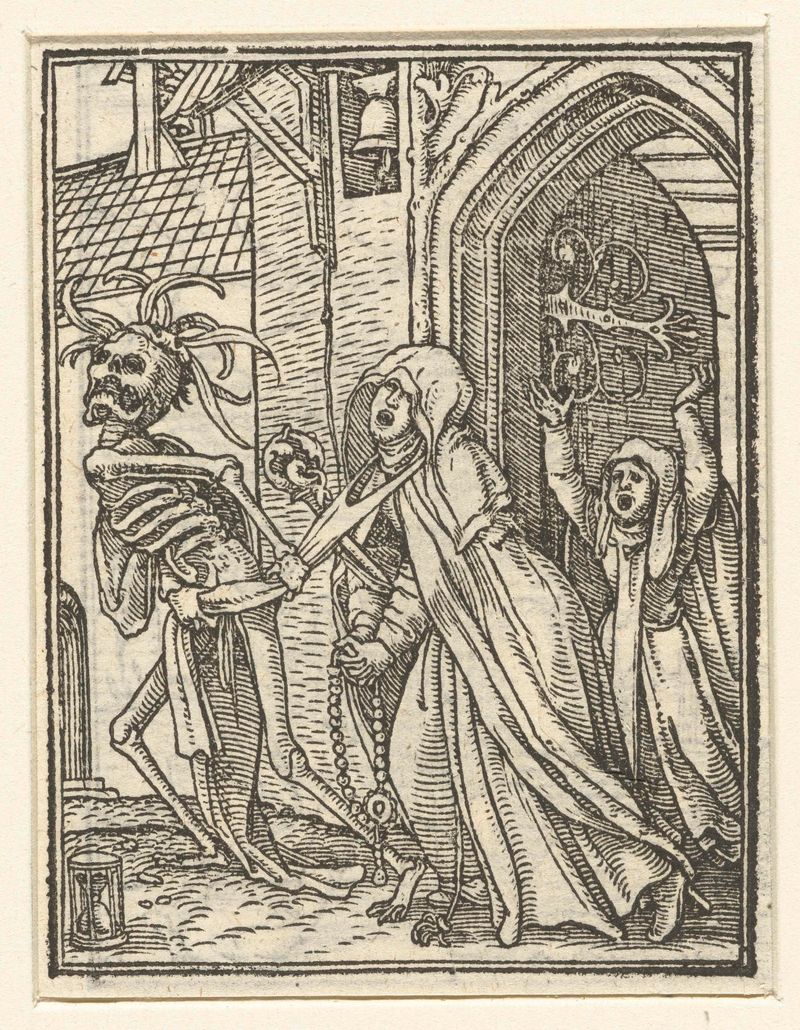
Abdis en de Dood
Hans Holbein (II)
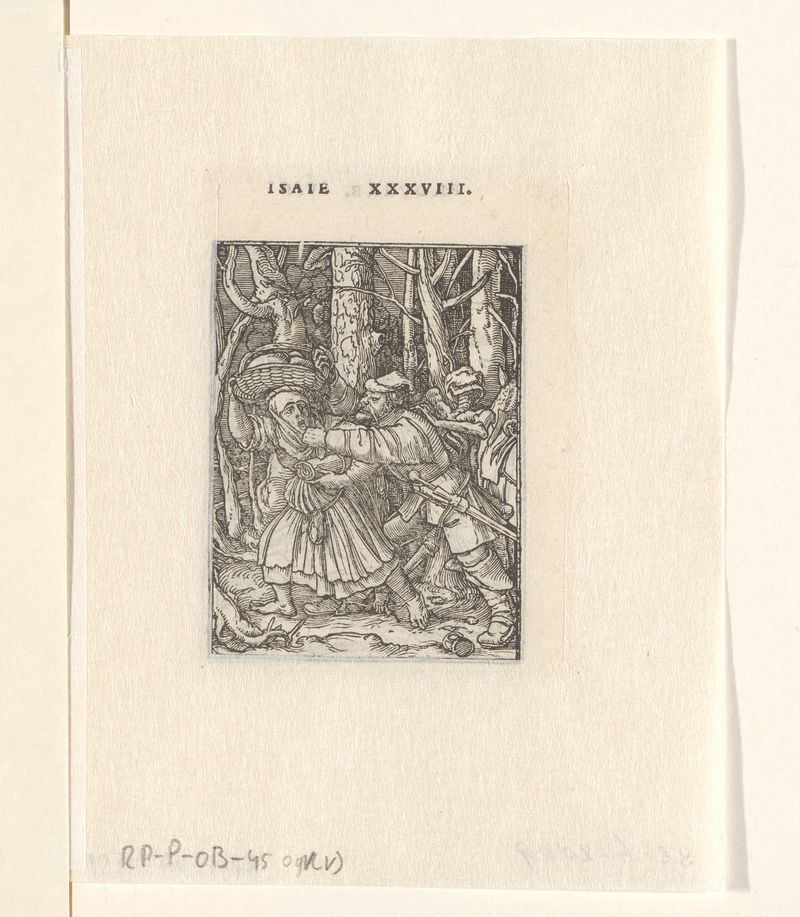
Dief en de Dood
Hans Holbein (II)
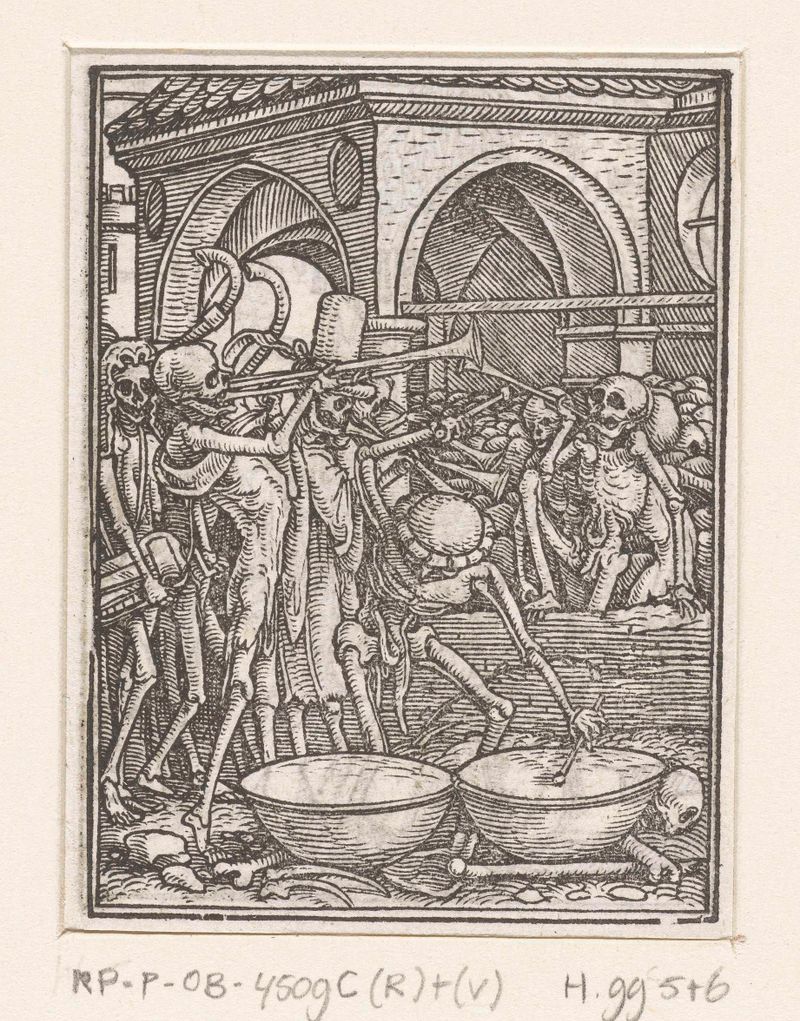
Skeletons Making Music from Dance of the Dead
Hans Holbein (II)
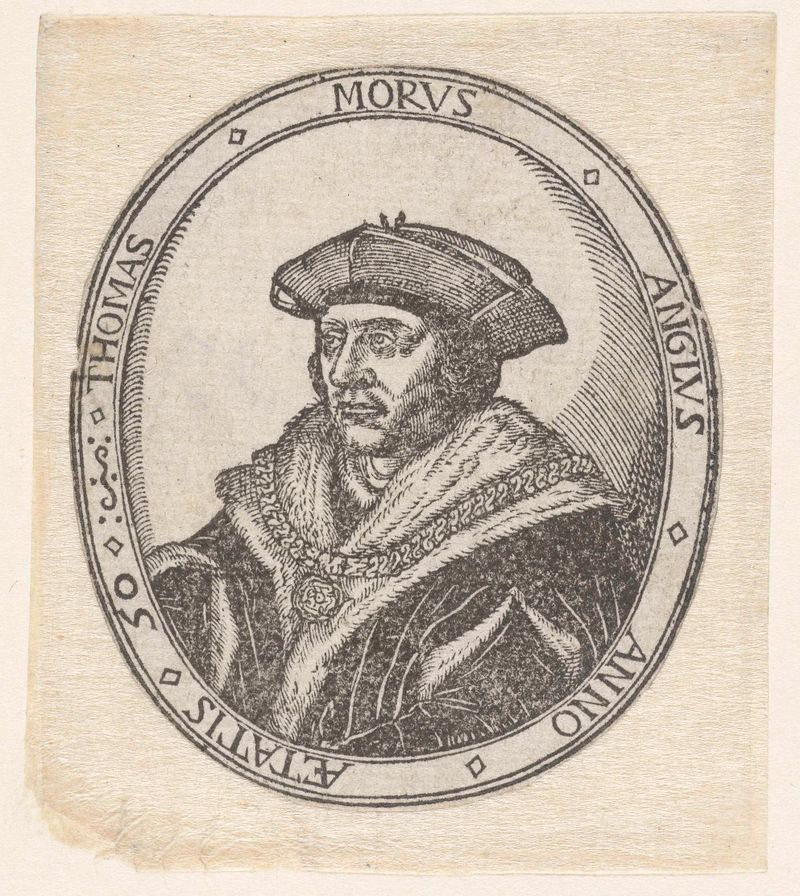
Portret van Thomas More
Hans Holbein (II)
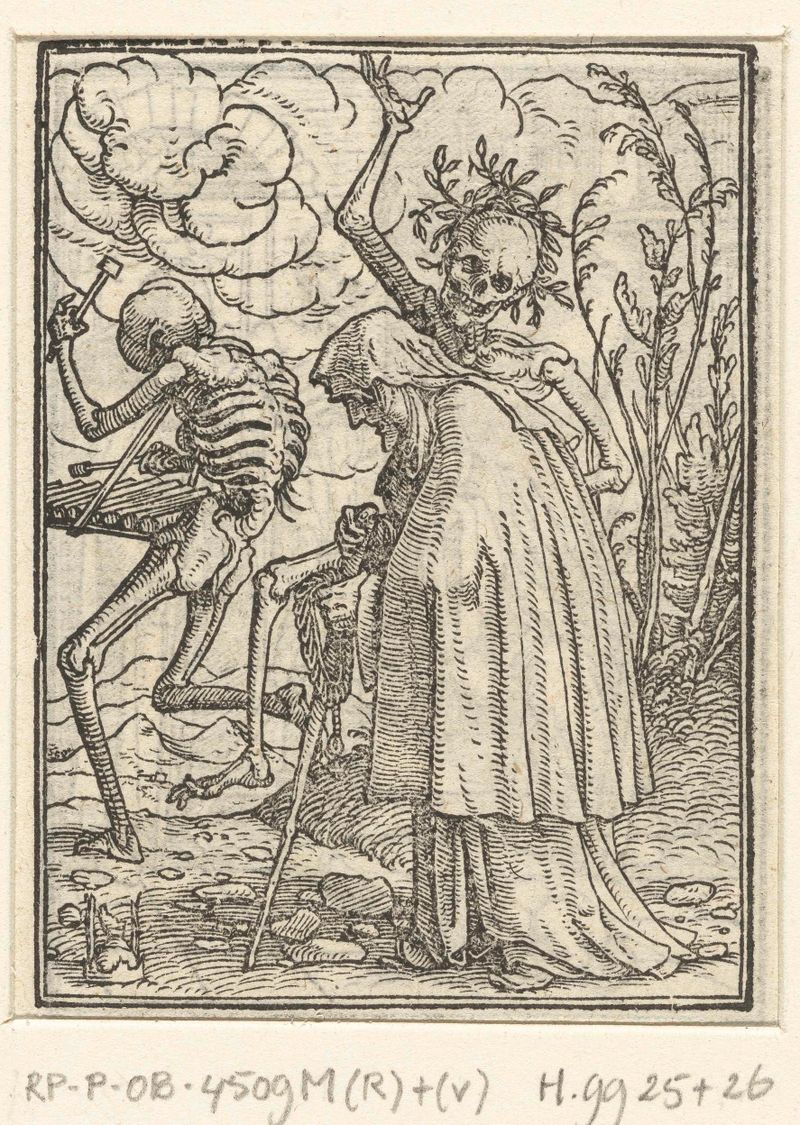
Oude vrouw en de Dood
Hans Holbein (II)
More Religious Art
Browse all →
The Return of the Prodigal Son
Rembrandt van Rijn

The Garden of Earthly Delights
El Bosco

Count Orgaz’ funeral
El Greco

The Hundred Guilder Print: the central piece with Christ preaching, the plate arched
Rembrandt van Rijn

The Descent from the Cross
Rogier van der Weyden

The return of the prodigal son
Rembrandt van Rijn