
Ogród Luksemburski — History & Facts
In the lush tapestry of existence, we often find ourselves at the crossroads of fate, where destinies collide and intertwine. Władysław Skoczylas’ Ogród Luksemburski invites us into a world where the whispers of nature and the echoes of human emotion resonate deeply. Look closely at the foreground, where vibrant greens are dappled with the soft gold of sunlight filtering through the foliage. The intricate brushwork captures the gentle sway of leaves, creating a living rhythm that draws the eye.
Notice how the path winds through the garden, inviting exploration and hinting at the myriad of moments that could unfold there. The earthy palette balances vibrancy and tranquility, reflecting the duality of life's vigor against the serene backdrop of the Luxembourg Gardens. As you delve deeper, consider the interplay between light and shadow. The play of sunlight symbolizes hope and possibility, while the darker areas evoke a sense of introspection and mystery.
Each figure, though momentarily paused in this verdant space, resonates with their own stories of longing and beauty, echoing the artist’s belief in the profound connections forged in shared moments. The composition speaks to the fragility of relationships and the weight of unspoken confessions, urging us to reflect on the destinies we carve for ourselves. In 1913, Skoczylas was developing his unique style in Poland, amidst a cultural awakening that embraced both nationalism and modernism. His work was heavily influenced by the textures of nature and the complexity of human emotion, underscored by a growing interest in exploring the relationship between landscape and identity.
This year marked a pivotal moment for him, as he began to synthesize these influences into pieces that spoke to both personal and collective destinies.
More Artworks by Władysław Skoczylas
Browse all →
Motyw ze Starego Miasta
Władysław Skoczylas
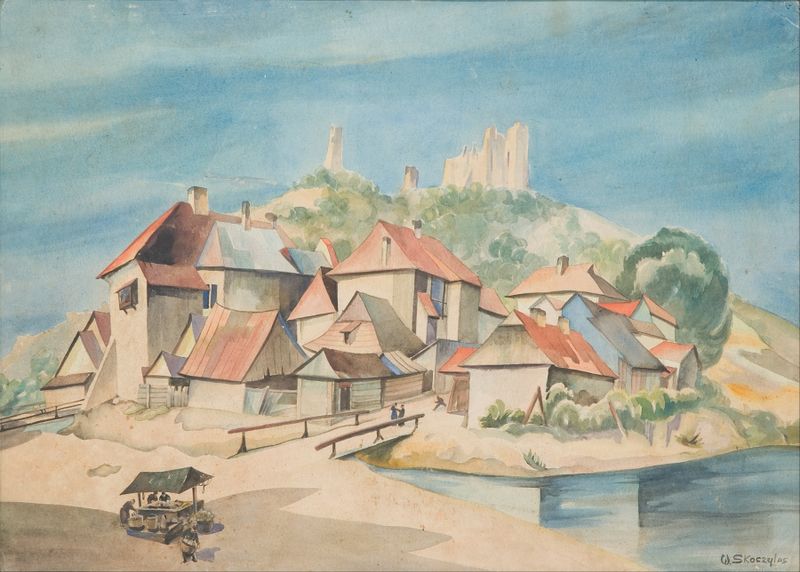
Widok Kazimierza nad Wisłą
Władysław Skoczylas
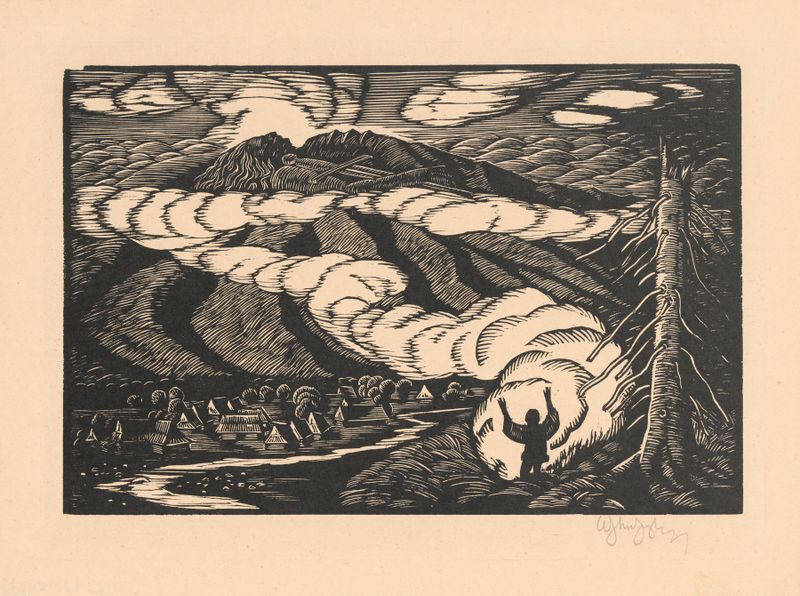
Giewont
Władysław Skoczylas
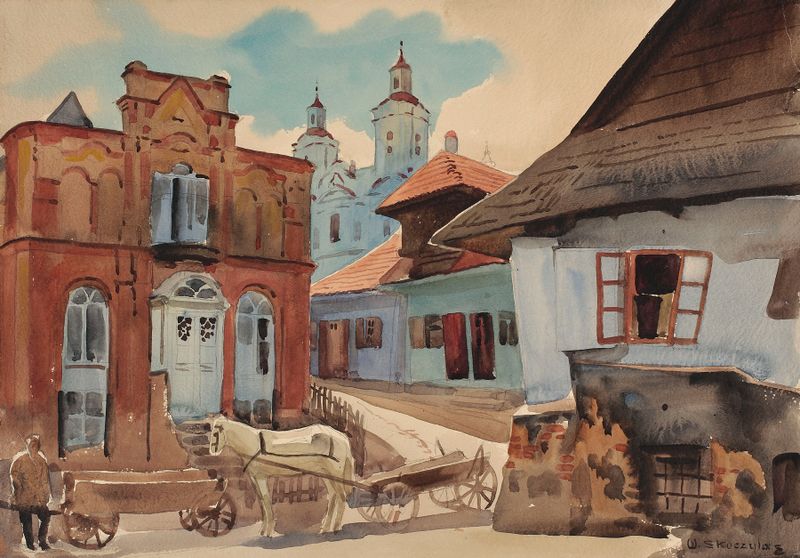
Fragment miasteczka
Władysław Skoczylas

Kościół w Dębnie
Władysław Skoczylas

Ulica w Kazimierzu
Władysław Skoczylas

Rynek w Kazimierzu nad Wisłą
Władysław Skoczylas
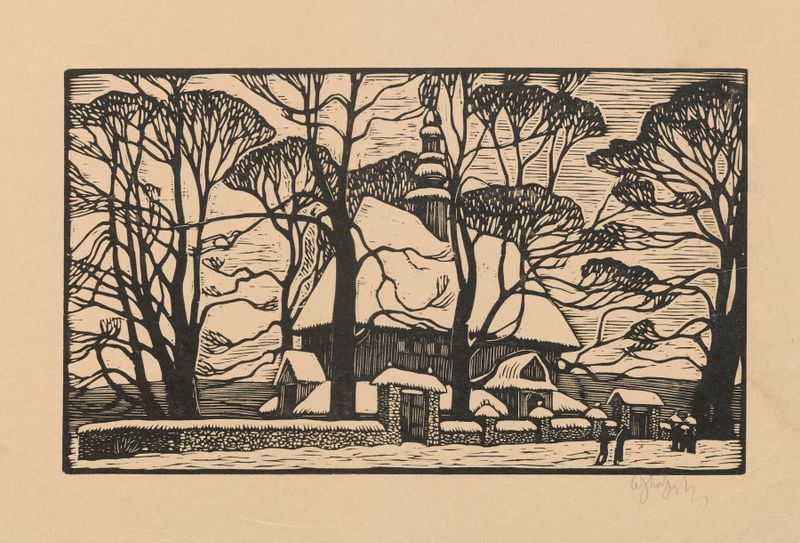
Kościółek w zimie
Władysław Skoczylas

Kolumna Zygmunta
Władysław Skoczylas
Motyw z Krakowa; Baszta Augustianów
Władysław Skoczylas





